Fashion Merchandising Tips: Expert Insights
Fashion Merchandising Tips: Expert Insights for Success
Fashion merchandising is the art and science of presenting products in ways that captivate customers and drive sales. Whether you’re managing a boutique, working for a major retailer, or building an online store, understanding the fundamentals of effective merchandising can transform your business. This comprehensive guide explores expert strategies that fashion professionals use to maximize visibility, enhance customer experience, and ultimately boost revenue.
The fashion industry evolves rapidly, and merchandising strategies must adapt accordingly. From visual displays to inventory management, every decision impacts how customers perceive your brand and make purchasing choices. By implementing these proven techniques, you’ll create compelling shopping experiences that keep customers returning and encourage them to spend more.
Understanding Fashion Merchandising Fundamentals
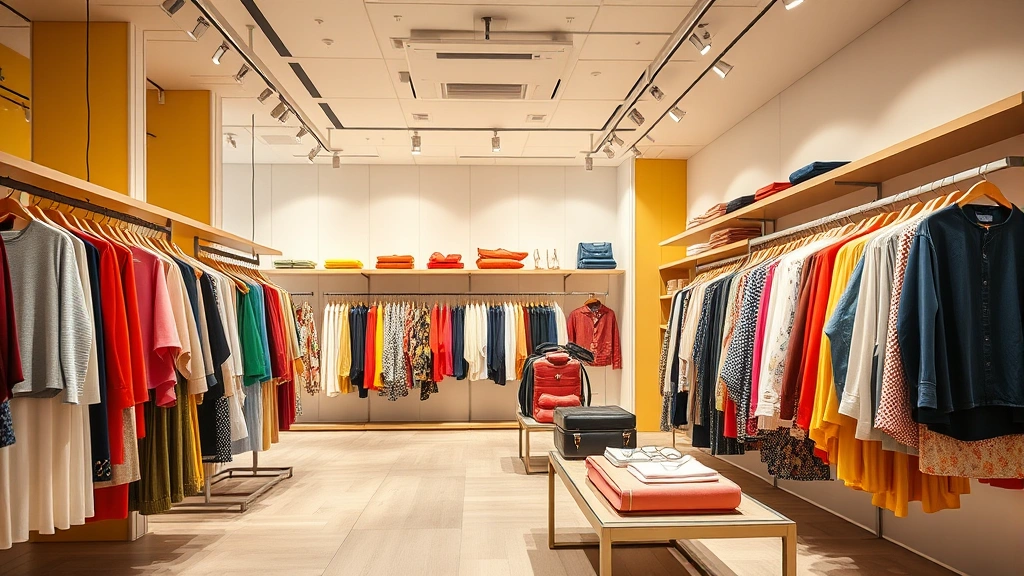
Fashion merchandising encompasses everything from selecting which products to stock to deciding how they’re displayed and priced. At its core, merchandising is about telling a story with your products. When customers walk into your store or browse your website, they should immediately understand your brand’s aesthetic and values.
The merchandising process begins long before products reach the sales floor. It starts with market research, trend forecasting, and understanding your target demographic. Sustainable fashion brands have revolutionized merchandising by emphasizing transparency and ethical practices in their product presentation. This approach resonates with conscious consumers who want to know the story behind their purchases.
Professional merchandisers analyze sales data, customer feedback, and competitor strategies to make informed decisions. They consider factors like:
- Product lifecycle: Understanding when items peak in popularity and when to phase them out
- Seasonal relevance: Stocking appropriate items for upcoming seasons
- Price points: Balancing premium and accessible options for diverse customers
- Brand alignment: Ensuring every product reinforces your brand identity
- Supplier relationships: Building connections with reliable vendors
Effective merchandising strategies require continuous learning and adaptation. The fashion industry moves quickly, and what worked last season may not work today. Successful merchandisers stay updated on industry trends and consumer behavior patterns.
Visual Merchandising Best Practices
Visual merchandising is the silent salesperson in your store. It’s about arranging products, lighting, signage, and décor to create an appealing shopping environment. When done correctly, visual merchandising can increase sales by up to 30 percent without adding inventory.
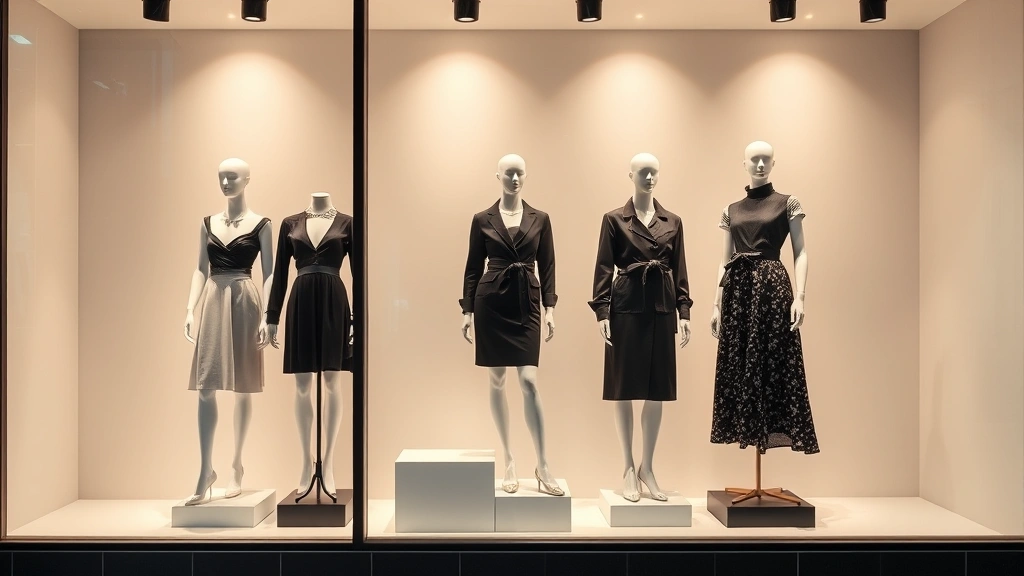
The window display is your store’s first impression. Fashion retailers invest heavily in window displays because they directly influence foot traffic and initial interest. Expert visual merchandisers follow these principles:
- Create focal points: Draw the eye to featured items using lighting, height variation, and strategic placement
- Tell a story: Arrange items to suggest styling combinations and lifestyle choices
- Maintain balance: Distribute visual weight evenly to avoid cluttered or sparse-looking displays
- Use negative space: Don’t overcrowd displays; white space helps products stand out
- Change regularly: Update displays every 2-4 weeks to encourage repeat visits
- Incorporate props: Use complementary items like plants, furniture, or art to enhance context
Inside the store, layout matters enormously. The way you organize merchandise influences browsing patterns and purchase behavior. Most customers naturally move counterclockwise through stores, so place high-margin items strategically along this path.
Lighting transforms how customers perceive products. Warm lighting creates intimacy and comfort, while cool lighting conveys modernity and energy. Different sections may benefit from different lighting approaches. Dressing rooms should have flattering lighting that encourages purchases, while clearance sections might use brighter, more clinical lighting.
Inventory Management Strategies
Smart inventory management is crucial for fashion merchandising success. Overstocking ties up capital and leads to markdowns, while understocking results in lost sales. The goal is maintaining optimal stock levels that maximize profitability.
Modern merchandisers use data analytics to predict demand and manage inventory efficiently. Fashion publications like Vogue often discuss how leading retailers use advanced analytics to forecast trends. Implementing similar strategies helps you stay ahead of demand curves.
Key inventory management practices include:
- ABC analysis: Categorize products as A (high-value, high-turnover), B (moderate), or C (low-turnover), then allocate shelf space accordingly
- First in, first out (FIFO): Rotate stock to prevent items from becoming dated or damaged
- Just-in-time ordering: Coordinate with suppliers to receive products precisely when needed
- Seasonal planning: Adjust inventory levels based on seasonal demand patterns
- Dead stock management: Identify slow-moving items and create clearance strategies
- Size and color optimization: Stock sizes and colors that match customer preferences
Inventory turnover directly impacts profitability. A higher turnover rate means you’re selling products faster, reducing storage costs and minimizing the risk of obsolescence. However, balance is essential—turning inventory too quickly might mean missing sales opportunities.
Color Psychology in Fashion Display
Color is one of the most powerful tools in visual merchandising. Different colors evoke different emotions and influence purchasing decisions. Understanding color psychology helps you create displays that resonate with your target audience and encourage sales.
Red creates urgency and excitement. It’s perfect for clearance sales, limited-time offers, or highlighting trend pieces. Red draws attention and makes items appear more desirable. Use it strategically to highlight key pieces rather than overwhelming entire displays.
Blue conveys trust, stability, and calm. It’s excellent for luxury brands and classic collections. Blue creates a sophisticated atmosphere and works well for professional wear and timeless pieces.
Yellow radiates happiness and energy. It catches attention quickly and works well in youth-oriented sections. Yellow displays create an optimistic, fun shopping experience.
Black projects elegance, sophistication, and power. It’s ideal for luxury items and premium collections. Black backgrounds make colorful items pop and create a high-end aesthetic.
White conveys cleanliness, simplicity, and minimalism. It’s perfect for contemporary brands and creates a modern, uncluttered feeling. White space allows individual items to shine.
Green connects to nature and sustainability. As consumers become more eco-conscious, green displays resonate with environmentally-minded shoppers. This color works particularly well when highlighting your sustainable fashion collection.
Successful displays often use complementary color schemes. Pairing warm and cool tones creates visual interest and guides the customer’s eye through the display. Consider your brand colors and how they interact with seasonal trends.
Seasonal Trends and Merchandising Tactics
Fashion is inherently seasonal. Smart merchandisers plan merchandise assortments around seasonal changes and consumer needs. This requires understanding both fashion trends and practical seasonal requirements.
Spring and summer merchandise emphasizes lighter fabrics, brighter colors, and outdoor-appropriate styles. Displays should convey freshness, energy, and optimism. Feature items like sundresses, lightweight blazers, sandals, and accessories that complement warm-weather styling.
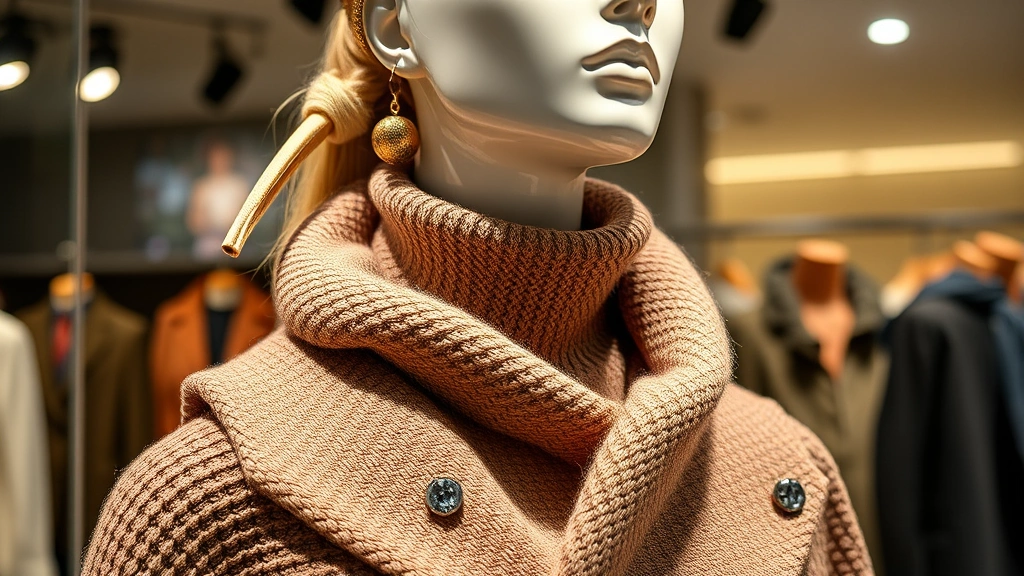
Fall and winter collections shift toward heavier fabrics, deeper colors, and layering pieces. Displays should feel cozy and sophisticated. Showcase items like sweaters, coats, boots, and accessories that help customers build winter wardrobes.
Transitional seasons require special attention. Spring-to-summer and fall-to-winter transitions are opportunities to feature layering pieces and versatile items that work across seasons. These periods often see the best sales because customers are actively shopping for wardrobe updates.
Holiday seasons present unique merchandising opportunities. Creating festive displays and themed collections drives significant sales volume. Many retailers dedicate substantial display space to holiday merchandise starting in October or November. Plan these displays months in advance to maximize impact.
Understanding environmental considerations in fashion also influences seasonal merchandising. Emphasizing sustainable options during peak shopping seasons shows customers that style and responsibility can coexist.
Digital Merchandising for Online Stores
E-commerce has transformed fashion merchandising. Digital merchandising applies similar principles to physical stores but in a virtual environment. Success requires understanding how customers navigate websites and make online purchasing decisions.
Product photography is digital merchandising’s most critical element. High-quality images from multiple angles, in different lighting, and on models help customers visualize products. Include lifestyle photos showing items in context and styled with complementary pieces.
Product descriptions should be detailed and benefit-focused. Rather than just listing specifications, explain how items make customers feel and how they fit into their lifestyles. Include styling suggestions and pairing recommendations to increase average order value.
Navigation and search functionality dramatically impact online sales. Organize products logically by category, size, color, and price. Implement filters that help customers quickly find what they want. A well-designed search function can significantly reduce bounce rates and increase conversions.
Homepage merchandising determines what customers see first. Feature bestsellers, new arrivals, and seasonal items prominently. Use high-quality banner images and clear calls-to-action to guide customers toward featured products. Update your homepage regularly to maintain freshness and encourage repeat visits.
Email merchandising is another powerful tool. Segment your email list and send personalized recommendations based on purchase history and browsing behavior. Highlight new arrivals, sales, and exclusive offers to keep customers engaged.
Customer Psychology and Layout Design
Understanding how customers think and move through retail environments is fundamental to effective merchandising. Consumer psychology research reveals patterns in how people shop and what influences their decisions.
The power wall is typically the first thing customers see when entering a store. This high-visibility area should feature your best merchandise, most exciting new arrivals, or key seasonal items. Strategic power wall placement can set the tone for the entire shopping experience.
The decompression zone is the area immediately inside the entrance. Customers need time to adjust to the store environment. Avoid placing important merchandise here; instead, use this space for orientation and brand storytelling.
Store layout should encourage exploration. Create natural pathways that guide customers through different departments while allowing flexibility for browsing. Avoid dead ends and closed-off sections that make customers feel trapped or limited in their options.
Cross-merchandising increases average transaction value. Place complementary items near each other—for example, displaying scarves near coats or belts near dresses. This strategy suggests styling combinations and encourages customers to purchase multiple items.
Fitting room placement matters. Locate fitting rooms toward the back of the store to encourage customers to browse additional merchandise while waiting or after trying items on. The path to fitting rooms should pass high-margin items and new arrivals.
Dressing room mirrors and lighting should be flattering and encouraging. Customers who feel good in fitting rooms are more likely to purchase. Consider the psychological impact of fitting room design on conversion rates.
Measuring Merchandising Success
Data-driven decision-making separates successful merchandisers from average ones. Measuring key performance indicators helps you understand what’s working and where improvements are needed.
Sales per square foot is a fundamental metric. Calculate total sales divided by total retail space to understand how efficiently you’re using your store. Compare this metric across departments and over time to identify high and low-performing areas.
Inventory turnover rate shows how quickly products sell. Calculate this by dividing cost of goods sold by average inventory value. Higher turnover generally indicates effective merchandising, though it must be balanced with profitability.
Average transaction value measures how much customers spend per purchase. Track this metric to understand the effectiveness of cross-merchandising and upselling strategies. Increases in average transaction value often indicate improved merchandising effectiveness.
Conversion rate (for online stores) shows the percentage of visitors who make purchases. Analyze which product pages have the highest conversion rates and why. Use this data to improve underperforming pages.
Customer traffic patterns reveal how people move through your store. Use heat maps and traffic counters to understand which areas attract attention and which are overlooked. Adjust merchandising based on these insights.
Return rates can indicate merchandising issues. High returns might suggest that products don’t match customer expectations set by displays or photos. Analyze return reasons to improve future merchandising.
Regularly review these metrics and adjust your strategies accordingly. Successful merchandisers treat their work as an ongoing experiment, constantly testing new approaches and measuring results.
FAQ
What is the difference between merchandising and marketing?
Merchandising focuses on product selection, display, and in-store experience, while marketing promotes products through advertising and communications. Both work together to drive sales, but they operate in different domains. Merchandising is about what customers see in stores; marketing is about what they hear through advertisements.
How often should I change my store displays?
Most experts recommend updating displays every 2-4 weeks. This keeps your store feeling fresh and gives customers reasons to revisit. However, adjust frequency based on your customer traffic and seasonal changes. High-traffic stores might benefit from more frequent changes, while slower locations might change displays less often.
What’s the best way to merchandise clearance items?
Create dedicated clearance sections with clear signage indicating discounts. Use bold colors like red to draw attention. Group clearance items by category rather than mixing them randomly. Make it easy for customers to find their size and preferred styles. Consider placing clearance sections at the back of the store to encourage browsing.
How can I improve my online product photography?
Invest in professional photography or learn proper techniques. Use multiple angles, show items on models, include lifestyle shots, and photograph items in different lighting conditions. Include size and scale references. For fashion, show how items drape and fit. High-quality images directly impact conversion rates and returns.
What role does social media play in modern fashion merchandising?
Social media extends merchandising beyond physical stores. Use platforms like Instagram to showcase displays, style inspiration, and new arrivals. Tag products in posts to drive traffic to your online store. User-generated content showing customers wearing your items provides authentic merchandising. Social media also provides valuable customer feedback and trend insights.
How do I determine which products to feature prominently?
Base decisions on sales data, profit margins, and strategic goals. Feature bestsellers to reinforce customer choices, high-margin items to boost profitability, and new arrivals to keep displays fresh. Consider seasonal relevance and brand positioning. Rotate featured items regularly to keep displays dynamic and give different products visibility.

Related Posts

Perfect Old Fashioned Donut: Baker’s Secrets

Old Fashioned Chocolate Pie Recipe? Chef’s Favorite