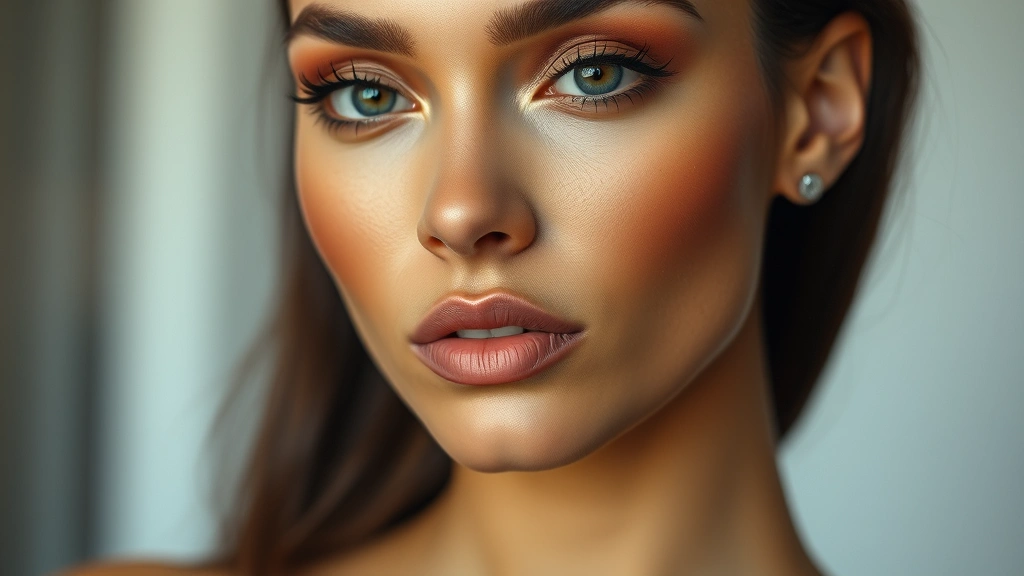
Best Makeup for Fashion Jobs? Expert Picks NYC
Best Makeup for Fashion Jobs? Expert Picks NYC
Working in fashion in New York City demands more than just impeccable style—your makeup needs to be polished, professional, and strategic. Whether you’re interviewing at a prestigious fashion house, working as a stylist, or attending industry events, your makeup is part of your professional presentation. NYC’s fashion industry sets the bar high, and understanding what works in this competitive landscape is essential for anyone pursuing a career in this field.
The beauty standards in fashion jobs differ dramatically from everyday makeup routines. You’re not just applying cosmetics; you’re demonstrating your understanding of color theory, current trends, technique mastery, and personal brand alignment. This guide breaks down the expert-recommended makeup looks that professionals in NYC’s fashion industry swear by, from editorial-ready aesthetics to understated elegance that commands respect in boardrooms and showrooms.
Understanding Fashion Industry Makeup Standards
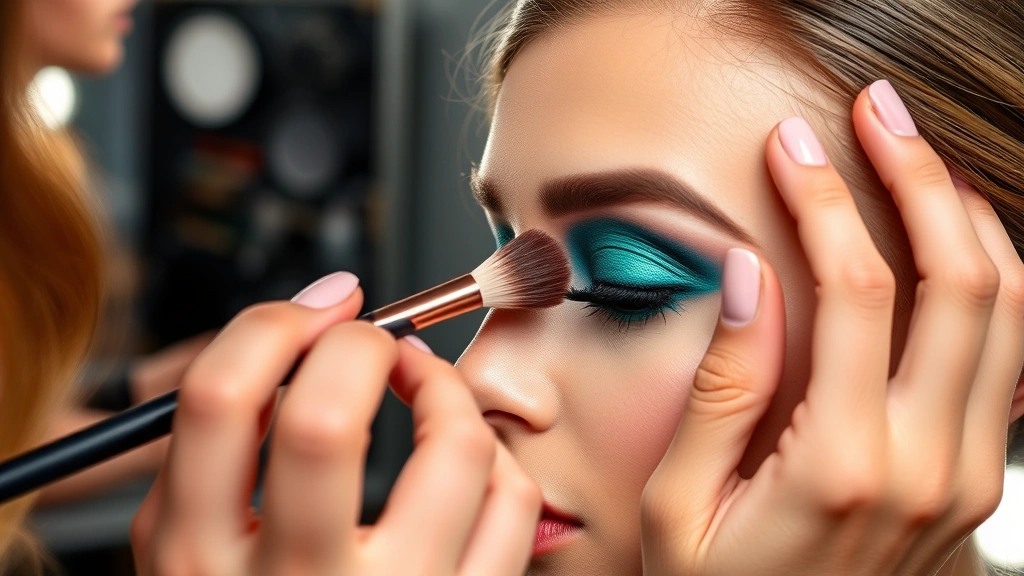
The fashion industry operates under different rules than most corporate environments. While traditional business sectors favor minimal, conservative makeup, fashion welcomes more creativity—but with crucial caveats. Your makeup should demonstrate technical skill, trend awareness, and an understanding of color harmony. It’s not about wearing the most dramatic look; it’s about executing whatever you choose flawlessly.
NYC fashion professionals emphasize that makeup should enhance your natural features while showcasing your ability to understand aesthetics. A makeup artist working for a fashion brand needs to prove they can create cohesive looks across multiple skin tones. A fashion buyer should demonstrate they understand color trends and how makeup complements clothing lines. Even in administrative roles, polished makeup signals professionalism and attention to detail—qualities valued throughout the industry.
According to Vogue and industry insiders, the key is intentionality. Every element of your makeup should have purpose. Whether that’s highlighting your bone structure, emphasizing your eye color to match your personal brand, or demonstrating your mastery of current beauty trends, nothing should appear accidental or carelessly applied.
The Neutral Power Look for Corporate Fashion Roles
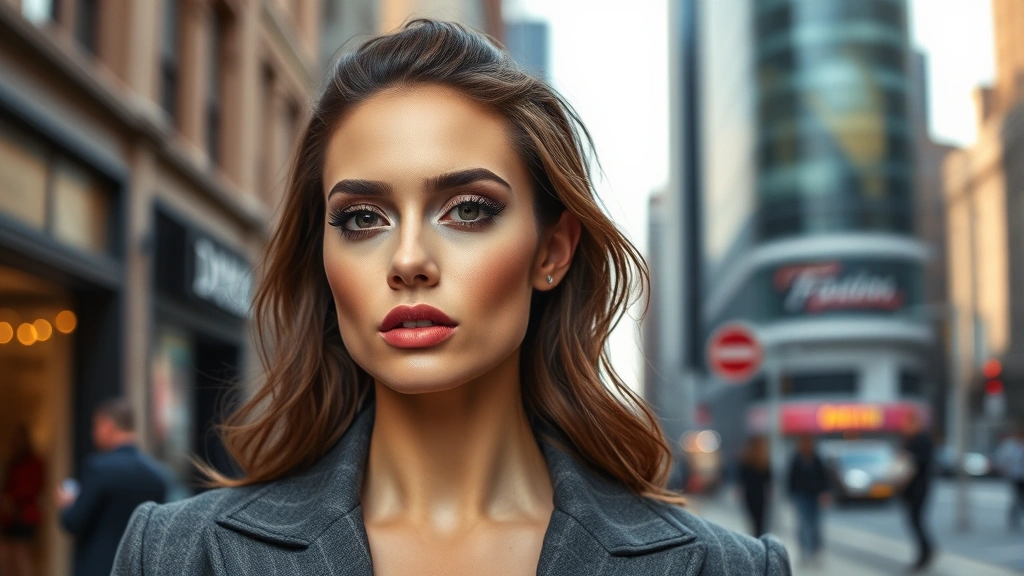
For positions in fashion management, merchandising, or executive roles, the neutral power look reigns supreme. This aesthetic combines sophistication with approachability, proving you’re serious about business while remaining visually interesting enough to fit fashion culture.
The neutral power look typically includes:
- Foundation: Seamlessly blended, full coverage with a luminous finish (never matte or cakey)
- Eyes: Warm or cool-toned neutrals depending on undertone; soft definition with eyeliner on upper lash line only
- Brows: Groomed, filled in naturally, slightly architectural but not harsh
- Lips: Nude, beige, or soft brown that complements your undertone; matte or satin finish
- Cheeks: Subtle warm blush that appears natural and lifted
This approach shows you understand the fundamentals of professional presentation while maintaining fashion-forward credibility. The luminous finish is crucial—it photographs well, looks alive on camera during video calls, and suggests you invest in quality skincare, which the fashion industry respects.
Many NYC fashion executives pair this look with a dermatologist-recommended skincare routine that ensures their complexion is flawless. Healthy, glowing skin is the foundation of this aesthetic. If your skin needs coverage, use it strategically rather than applying heavy foundation everywhere.
Editorial and Creative Department Aesthetics
Creative roles in fashion—including editorial, design, and marketing positions—allow significantly more makeup freedom. Here’s where you can demonstrate artistic vision and trend awareness. However, “freedom” doesn’t mean “anything goes.” It means your makeup should be intentional, technically excellent, and aligned with current fashion trends.
Editorial makeup in NYC often features:
- Bold eye color: Jewel tones, metallics, or unexpected shades that complement your coloring
- Graphic or artistic eyeliner: Winged, graphic, or creative liner application showing technical skill
- Statement lips: Rich colors, interesting finishes, or bold statements that align with current trends
- Sculpted features: Contoured cheekbones, defined jawline, and strategic highlighting
- Textured finishes: Matte, glossy, or textured combinations that show product knowledge
The key difference between editorial makeup and “too much makeup” is execution and cohesion. A beauty editor wearing a bold graphic eye, nude lip, and sculpted cheekbones demonstrates they understand makeup artistry. The same person wearing random bold colors without coordination appears unprofessional. Fashion industry professionals can spot the difference instantly.
Many NYC creative professionals look to Beautylish and makeup artist communities for inspiration, ensuring their looks are rooted in current professional makeup trends rather than personal experimentation.
Makeup for Fashion Retail and Sales Positions
Fashion retail and sales roles require a different makeup approach. You’re the brand ambassador, visible to customers throughout your shift. Your makeup should be polished, photogenic, and aligned with the brand aesthetic—but also practical for an 8+ hour workday.
Successful retail makeup includes:
- Long-wearing formulas: Everything must survive touching your face, eating lunch, and multiple customer interactions
- Strategic color: Flattering enough to look great on camera (for social media or brand photography) without overwhelming customers
- Defined features: Slightly more definition than everyday makeup but less dramatic than editorial looks
- Fresh appearance: Makeup should look like an enhanced version of your natural beauty, not a mask
- Brand alignment: Your makeup should complement the brand’s aesthetic and customer base
A sales associate at a luxury minimalist brand should wear refined, understated makeup. The same person working at an edgy, avant-garde boutique might wear bolder makeup. Understanding how brands build their visual identity and environment helps you align your personal presentation accordingly.
Waterproof products are essential for retail work. Your mascara, eyeliner, and eyeshadow should withstand humidity, activity, and the occasional tear from laughing with customers. Many successful retail professionals invest in professional makeup primers that extend wear time throughout long shifts.
Styling and Personal Shopping Professional Makeup
Personal stylists and shopping consultants operate in a unique space. You’re not just selling; you’re advising clients on their appearance. Your makeup must be excellent enough to prove you understand beauty, but it shouldn’t overshadow your clients. You’re the professional background against which they shine.
Ideal makeup for styling professionals includes:
- Impeccable technique: Every element executed flawlessly, showing you practice what you preach
- Complementary color: Your makeup should enhance your features without competing with clients’ attention
- Versatility: Makeup that works across various client meetings and settings throughout the day
- Trend awareness: Current enough to demonstrate expertise, but not so trendy it feels temporary
- Professional polish: Nothing avant-garde or experimental that might make clients question your judgment
Many NYC stylists work with makeup artists to develop their professional look, treating their personal makeup as a business tool rather than creative expression. This investment pays dividends when clients see you as a polished, knowledgeable professional.
Best Products and Brands Favored by NYC Fashion Professionals
NYC fashion professionals have strong opinions about makeup products. Quality matters, but brand prestige and actual performance are what drive recommendations in this industry. Here are the products consistently mentioned by fashion insiders:
- Foundation: MAC Face and Body, Estée Lauder Double Wear, or Fenty Beauty Pro Filt’r for various skin tones and finishes
- Concealer: Nars Radiant Creamy, MAC Prolongwear, or Fenty Beauty Pro Filt’r Soft Matte for seamless blending
- Eyes: MAC eyeshadows (the professional standard), Charlotte Tilbury Luxury Palettes, or Anastasia Beverly Hills for color range
- Eyeliner: Stila Stay All Day for precision liquid, or MAC Liquidlast for bold statements
- Mascara: Dior Addict Lash Pump, Charlotte Tilbury Wonderwand, or Too Faced Better Than Sex for volume and length
- Brows: Anastasia Beverly Hills Brow Wiz or Dipbrow for precision and longevity
- Lips: MAC lipsticks (unmatched shade range), Nars Audacious, or Charlotte Tilbury Red Carpet Red
- Primer: Tatcha Luminous Dewy Skin Mist or MAC Fix+, essential for all-day wear
Professional makeup artists working in NYC fashion consistently recommend investing in quality primers and setting products. A $15 primer that extends your makeup’s wear time by 4+ hours is better value than cheaper makeup that fades by lunch. This mindset—quality over quantity—aligns perfectly with fashion industry values.
Makeup Application Techniques for Longevity
Knowing which products to use means nothing if your application technique doesn’t ensure longevity. NYC fashion professionals rely on specific techniques that keep makeup flawless throughout demanding workdays and evening events.
Foundation Application: Use a damp beauty sponge to press foundation into skin rather than buffing it. This creates a more natural finish while ensuring better adherence. Start with less product than you think you need; you can always build coverage.
Eye Makeup Longevity: Apply eyeshadow primer to lids before any color. Use a light hand with cream products, as too much will crease. Set powder shadows with a slightly damp brush to deepen color and lock them in place. This technique, taught by professional makeup artists, dramatically improves wear time.
Eyeliner Precision: For liquid liner, use a steady hand and short strokes rather than one long line. Rest your elbow on a table for stability. Many professionals apply liner to the upper lash line only, which looks more professional and photographs better than dramatic lower-lid work.
Lip Color Staying Power: Line lips slightly inside the natural lip line, then fill in. Apply color, blot on a tissue, then reapply and set with translucent powder. This layering technique ensures color stays put through eating, drinking, and talking.
Setting Spray Magic: Finish all makeup with setting spray, holding the bottle 6-8 inches from your face. This locks everything in place and creates a subtle, professional finish that photographs beautifully.
Common Mistakes Fashion Job Candidates Make
Understanding what not to do is as important as knowing what to do. Here are mistakes that NYC fashion professionals notice immediately:
- Over-applying foundation: Heavy, cakey foundation screams inexperience. Fashion insiders prefer buildable coverage that looks like skin.
- Mismatched undertones: Foundation or concealer that doesn’t match your actual undertone is immediately visible. Spend time finding your true match.
- Neglecting eyebrows: Ungroomed or poorly shaped brows undermine even excellent eye makeup. Professional grooming is essential.
- Overdoing contour: Heavy contouring looks amateur in professional settings. Subtle sculpting that enhances your natural bone structure is better.
- Ignoring skin prep: Makeup sits better on well-moisturized, primed skin. Skipping primer or skincare shows in how your makeup wears.
- Wearing trendy makeup that doesn’t suit you: Just because a trend is current doesn’t mean it flatters your coloring. Fashion professionals understand personal color theory.
- Inconsistent makeup: Showing up with dramatically different makeup day-to-day suggests you’re still figuring out your professional look. Develop a signature aesthetic.
- Ignoring the job description: Wearing editorial makeup to a corporate interview, or ultra-minimal makeup to a creative role, shows you don’t understand industry nuances.
The fashion industry values consistency, intentionality, and technical skill. Your makeup should demonstrate all three. When interviewing for different fashion job environments, adjust your makeup to match the role’s aesthetic while maintaining your personal style.
FAQ
What makeup should I wear to a fashion industry interview?
For most fashion job interviews, aim for polished, professional makeup that shows technical skill without being distracting. A neutral power look works well—flawless foundation, defined but neutral eyes, groomed brows, and a flattering lip color. If interviewing for a creative role, you can be bolder. Research the company’s aesthetic and align your makeup accordingly. The goal is showing you understand professional presentation while fitting the company culture.
How do I make my makeup last through a full fashion retail shift?
Use a hydrating primer to create a smooth base, then apply long-wearing foundation with a damp sponge. Set everything with powder and setting spray. Choose waterproof mascara and eyeliner. Use lip stain or long-wearing liquid lipstick instead of traditional lipstick. Keep blotting papers and a small makeup touch-up kit at work for midday refreshes. Quality primers and setting sprays make the biggest difference in longevity.
Should I follow makeup trends if I work in fashion?
Yes, but strategically. Understanding current trends shows you’re fashion-forward and knowledgeable. However, trends should complement your role and personal coloring. A trend that doesn’t flatter you or fit your job’s aesthetic is just a distraction. Fashion professionals respect those who understand trends intellectually while executing looks that work for their specific situation.
What’s the difference between editorial makeup and “too much” makeup?
The difference is intentionality, technical skill, and cohesion. Editorial makeup is purposefully applied with understanding of color theory and current trends. Every element works together. “Too much” makeup appears random or carelessly applied. If you can articulate why you chose each color, technique, and product, it’s editorial. If you’re just wearing bold colors without reasoning, it’s too much.
How important is skincare for makeup in fashion jobs?
Extremely important. Fashion professionals notice skin quality immediately. Even excellent makeup sits poorly on dehydrated, textured, or problematic skin. Invest in a solid skincare routine addressing your specific skin type. Many NYC fashion insiders work with dermatologists to maintain flawless skin, recognizing that healthy skin is the foundation for professional makeup application.
Can I wear dramatic makeup to fashion events and networking?
Absolutely. Evening events and networking galas allow more dramatic makeup than daytime work roles. However, dramatic doesn’t mean sloppy. Your makeup should still be technically excellent, intentional, and aligned with current trends. Bold color, graphic liner, or statement lips are all acceptable if executed professionally. The rule is always: intentional execution over accidental appearance.

Related Posts

Perfect Old Fashioned Donut: Baker’s Secrets
Old Fashioned Chocolate Pie Recipe? Chef’s Favorite