Best Concealer for Dark Circles? Expert Picks
Best Concealer for Dark Circles? Expert Picks and Application Guide
Dark circles under the eyes are one of the most common beauty concerns, affecting people regardless of age, skin tone, or lifestyle. Whether you’re dealing with shadows from lack of sleep, genetics, or natural aging, finding the right concealer can be transformative. This comprehensive guide explores expert-recommended concealers, application techniques, and insider tips to help you achieve a bright, refreshed under-eye area that looks naturally flawless.
The key to concealing dark circles effectively isn’t just about choosing a product—it’s about understanding your specific needs, skin type, and the undertones that work best for your complexion. We’ll walk you through everything you need to know to make an informed decision and master the art of under-eye coverage.
Understanding Dark Circles and Their Causes
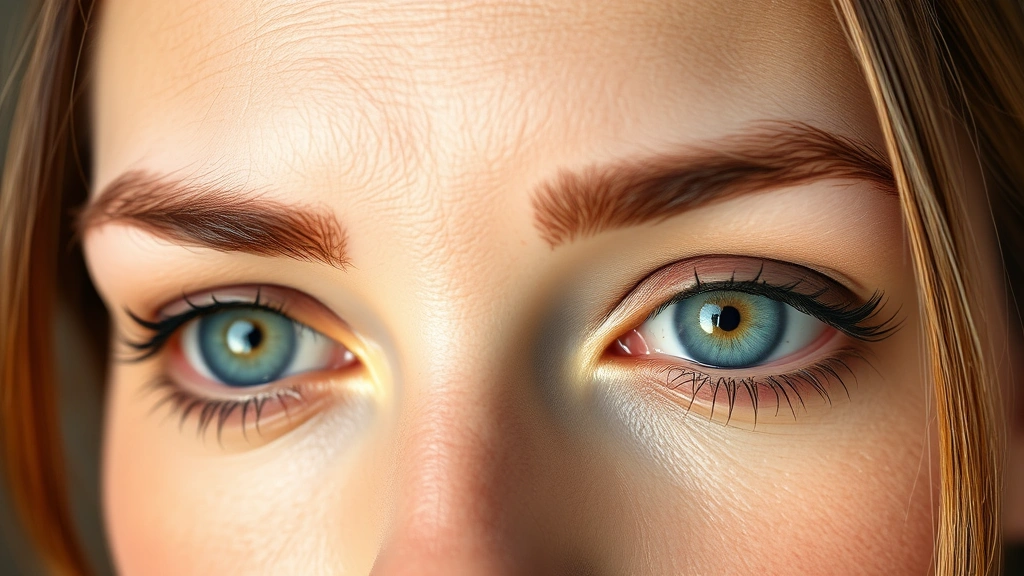
Dark circles manifest differently depending on their root cause. Some people experience true pigmentation under the eyes, while others have hollow areas that create shadows. Understanding what you’re dealing with is crucial for selecting the most effective concealer.
According to Dermatology Times, dark circles can result from genetics, poor sleep quality, allergies, dehydration, or natural thinning of under-eye skin as we age. The delicate skin under the eyes is significantly thinner than the rest of the face, making it more prone to showing discoloration and shadows.
If your dark circles are caused by pigmentation, you’ll need a concealer with good opacity and possibly color-correcting properties. For shadowing caused by hollowness, a luminous or reflective concealer can work wonders by bouncing light off the area. Some people deal with a combination of both, requiring a strategic layering approach.
The under-eye area also tends to be drier than other facial regions, which means your concealer choice must prioritize hydration and comfort. A product that sits heavy or creases throughout the day will only highlight the problem rather than solve it.
Key Features to Look for in a Concealer
Not all concealers are created equal, especially when it comes to the sensitive under-eye area. Here are the essential features dermatologists and makeup artists recommend:
- Hydrating Formula: Look for ingredients like hyaluronic acid, glycerin, and peptides that keep the area moisturized throughout the day
- Buildable Coverage: You want a concealer that offers sheer to full coverage depending on how many layers you apply
- Lightweight Texture: Heavy formulas settle into fine lines and emphasize texture; choose something that feels barely-there on skin
- Long-Wearing Formula: The best under-eye concealer shouldn’t crease, fade, or transfer throughout the day
- Blendable Application: Smooth, creamy formulas blend seamlessly without tugging at delicate skin
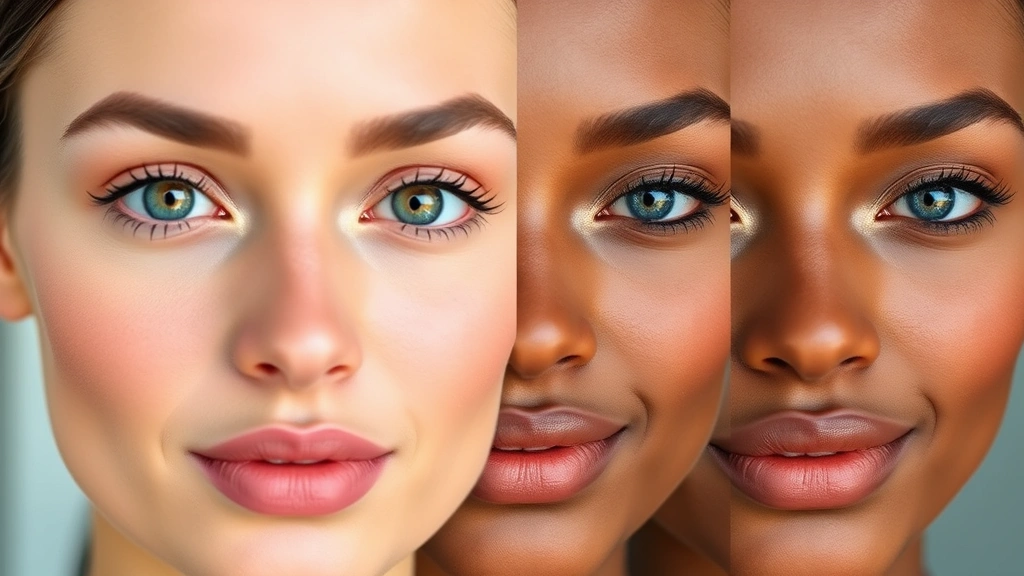
- Color Accuracy: The shade must match your skin tone perfectly or include undertone options
According to Beauty Professionals Magazine, professional makeup artists consistently prioritize concealer formulas that contain light-reflecting particles, which help minimize the appearance of shadows without relying solely on coverage.
Top Expert-Recommended Concealers
Based on feedback from professional makeup artists, dermatologists, and beauty editors, these concealers consistently deliver exceptional results for dark circles:
Luxury Category: High-end concealers often feature advanced skincare ingredients alongside superior pigments. Many professionals favor formulas with vitamin C, niacinamide, and botanical extracts that brighten while they cover. These typically last 12+ hours and work beautifully for all skin types.
Mid-Range Category: Drugstore and department store options have improved dramatically in recent years. Many mid-range concealers now rival luxury products in terms of performance, offering excellent coverage without the premium price tag. These are ideal if you’re still experimenting with what works best for your under-eye area.
Natural/Clean Beauty Category: If you prefer environment safety in your cosmetics and clean ingredient lists, several brands now offer concealers free from parabens, phthalates, and synthetic fragrances while maintaining professional-grade performance.
The best approach is to consider your budget, skin type, and specific concerns. A $15 concealer that hydrates your skin and provides adequate coverage is objectively better than a $60 option that creases and emphasizes fine lines.
How to Choose Your Undertone
Perhaps the most critical aspect of concealer selection is choosing the correct undertone. An ill-matched shade will look ashy, orange, or obviously like you’re wearing makeup—the opposite of your goal.
Determining Your Undertone: Look at the veins on your wrist. Blue or purple veins indicate cool undertones, green veins suggest warm undertones, and a mix of both means you have neutral undertones. This is your starting point for concealer shopping.
Cool Undertones: Pair with concealers that have pink, red, or blue undertones. These help neutralize the purple-ish or blue-ish cast of dark circles common in cool-toned skin.
Warm Undertones: Look for concealers with yellow, golden, or peachy undertones. These beautifully counteract the brownish or reddish tones in dark circles on warm skin.
Neutral Undertones: You have flexibility! You can typically wear both cool and warm-toned concealers, though you may prefer one over the other depending on the season or how your skin is behaving.
Professional makeup artists often recommend purchasing two shades—one slightly lighter and one slightly darker than your exact skin tone. The lighter shade works for brightening and highlighting, while the slightly deeper shade helps with contouring and shadowing if needed.
Application Techniques for Flawless Coverage
How you apply concealer matters just as much as which product you choose. Even the best formula can look patchy or obvious with improper application technique.
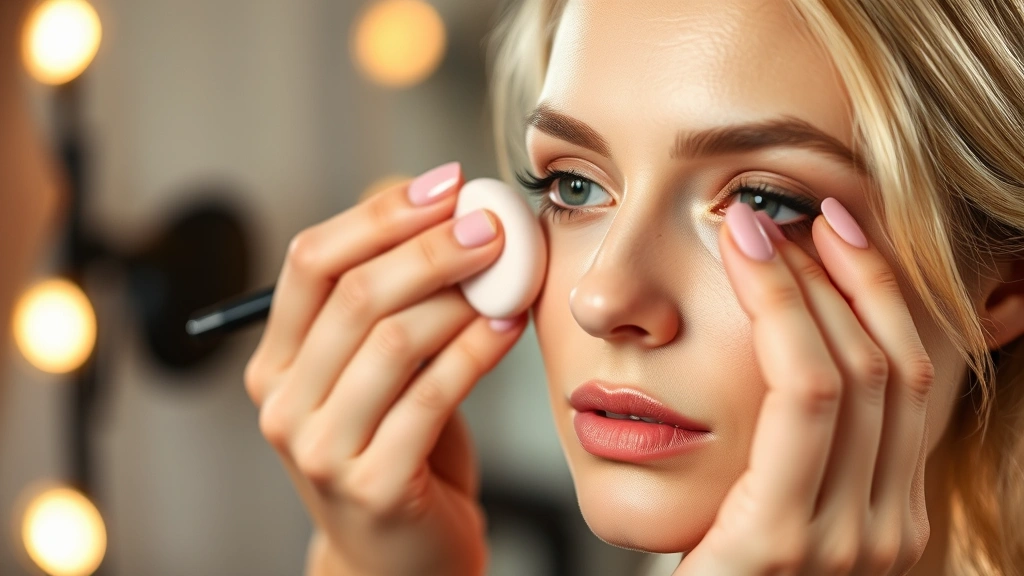
The Stippling Method: Rather than dragging concealer across the under-eye area, use a damp beauty sponge or soft brush to gently stipple (press and bounce) the product onto skin. This technique prevents tugging at delicate skin and creates a more natural, seamless finish.
Layering Strategy: Start with a thin layer of concealer, set it lightly, then add additional layers only where needed. This buildable approach prevents caking and looks more natural than applying full coverage in one step.
According to The Professional Makeup Artist, the most common mistake people make is applying concealer too thickly, which actually draws attention to the area rather than camouflaging it.
Blending Edges: Use a clean, damp sponge or brush to blend the edges of your concealer into the surrounding skin. There should be no visible line where concealer ends and foundation begins.
The Triangle Method: Apply concealer in an inverted triangle shape under the eye, extending from the inner corner down toward the cheekbone. This placement brightens the entire under-eye area while following the natural contours of your face.
Avoiding Common Mistakes: Don’t apply concealer too close to the lash line, as it can migrate into your eyes throughout the day. Leave about a millimeter of space between the concealer and your lashes.
Prep and Primer Tips
Your concealer’s performance depends significantly on proper skin preparation. The under-eye area requires special attention because it’s so delicate and prone to dryness.
Moisturize First: Apply a hydrating eye cream or lightweight moisturizer to the entire under-eye area and let it set for 30-60 seconds before applying primer or concealer. This creates a smooth base and prevents concealer from clinging to dry patches.
Eye Primer Benefits: A dedicated eye primer extends concealer wear time, prevents creasing, and creates a smooth canvas for application. Look for primers that are hydrating rather than mattifying, as the under-eye area doesn’t need to be pore-minimized.
Color Correcting: If your dark circles have a strong purple or blue cast, a peachy or salmon color corrector applied before concealer can neutralize discoloration. For brownish undertones, try a pink corrector. Apply corrector only where needed, then layer concealer on top.
Many professionals recommend allowing your color corrector to set for 15-20 seconds before applying concealer, ensuring the two products don’t muddy together.
Temperature Matters: Some makeup artists recommend keeping concealer in a cool place (not the refrigerator) so it applies more smoothly and sets faster. A cooler formula also feels refreshing on tired eyes.
Setting Your Concealer
Proper setting is essential for keeping your concealer in place throughout the day without emphasizing fine lines or creating a heavy, cakey appearance.
Powder Setting: Use an incredibly light hand when applying setting powder to the under-eye area. Many professionals recommend using a fluffy, large brush and pressing powder gently rather than sweeping. Consider using a translucent powder or one specifically formulated for the under-eye area.
Spray Setting: Setting sprays can help lock concealer in place without adding texture. Choose a hydrating spray rather than a matte formula to keep the under-eye area looking fresh.
Avoid Over-Setting: More powder doesn’t equal longer wear. In fact, over-setting can emphasize texture and create a heavy appearance. Use the absolute minimum amount needed to keep concealer from creasing.
Professional makeup artists often skip powder under the eyes entirely for mature skin, relying instead on a good primer and long-wearing concealer formula. This approach maintains a dewy, youthful appearance.
Touch-Up Strategy: Keep your concealer and a small brush with you for touch-ups throughout the day. A quick dab and blend is usually all you need to refresh your under-eye area without rebuilding the entire look.
FAQ
What’s the difference between concealer and corrector?
Color correctors are tinted products designed to neutralize specific undertones in dark circles before you apply concealer. Concealers provide coverage and can be worn alone, while correctors are typically used as a preparatory step. Using both gives you maximum control over the final result.
Can concealer cause dark circles to worsen?
A concealer itself won’t cause dark circles, but an ill-fitting formula can make them appear more noticeable. Heavy, creasing, or poorly matched concealers actually emphasize the area rather than camouflaging it. Additionally, not removing makeup properly or using irritating formulas can contribute to inflammation that worsens the appearance of dark circles.
How long should concealer last throughout the day?
A quality concealer should last 8-12 hours with proper application and setting. If your concealer is creasing or fading after just a few hours, try adjusting your application technique, using a primer, or switching to a more long-wearing formula.
Is it better to match concealer to skin tone or undertone?
Both matter! Your concealer shade should match your overall skin tone (light, medium, deep) while also coordinating with your undertone (cool, warm, or neutral). A shade that’s the right depth but wrong undertone will look ashy or orange.
Can I use my foundation as concealer?
While possible, foundation isn’t ideal for the under-eye area. Foundation is typically lighter and more fluid than concealer, offering less coverage. Additionally, the human environment interaction between your delicate eye area and facial makeup requires specialized formulas designed for that zone’s unique needs.
What ingredients should I avoid under my eyes?
Avoid heavy silicones, pore-minimizing ingredients, and matte formulas that can emphasize texture. If you have sensitive skin, skip fragrances and essential oils. Some people also react poorly to certain dyes or color pigments, so patch testing is always wise.
How often should I replace my concealer?
Replace concealer every 6-12 months, depending on how frequently you use it. Concealers are applied close to your eyes, so hygiene is important. If you notice any changes in texture, smell, or performance, replace it immediately.
Should I use the same concealer year-round?
Your concealer shade may shift slightly with seasonal changes in your skin tone. Many professionals recommend keeping two shades available—one for winter and one for summer. You might also adjust your formula based on season; lighter, more hydrating formulas work better in winter when skin tends to be drier.
Can men use concealer for dark circles?
Absolutely! Dark circles affect everyone regardless of gender. The same principles and product recommendations apply. Many men prefer concealer formulas that look natural and don’t feel heavy, so the lightweight, buildable options mentioned in this guide work wonderfully.
What’s the best way to remove concealer safely?
Use a gentle, oil-based makeup remover or cleansing balm on the under-eye area, allowing it to sit for 10-15 seconds before gently wiping away. Follow with a gentle cleanser and hydrating eye cream. Never tug or rub the delicate skin under your eyes.

Related Posts

Perfect Old Fashioned Donut: Baker’s Secrets
Old Fashioned Chocolate Pie Recipe? Chef’s Favorite