1920s Makeup Trends: What Historians Reveal
1920s Makeup Trends: What Historians Reveal
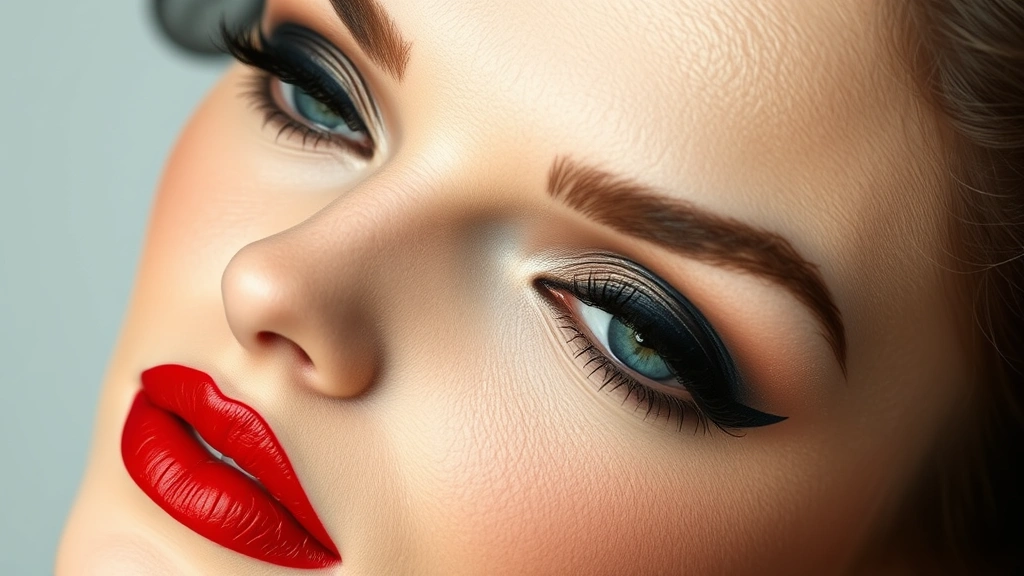
The 1920s represent one of the most transformative decades in beauty history, when makeup transitioned from whispered indulgence to mainstream fashion statement. Known as the Jazz Age or the Roaring Twenties, this era shattered Victorian beauty conventions and introduced bold, dramatic makeup looks that reflected women’s newfound independence and social liberation. From the iconic kohl-lined eyes to the famous cupid’s bow lips, 1920s makeup trends tell a fascinating story about cultural revolution, feminism, and the birth of modern cosmetics as we know them today.
What makes 1920s makeup particularly intriguing is how it served as a visible rebellion against previous generations’ restraint. Women who adopted these bold beauty trends weren’t simply following fashion—they were making a political statement. The heavy eyeliner, dramatic eyebrows, and bold lip colors became symbols of the modern woman, someone who worked, voted, and refused to be confined by outdated social expectations. Historians and beauty experts alike recognize this decade as the pivotal moment when makeup became democratized, accessible, and celebrated rather than condemned.
The Historical Context: Why 1920s Makeup Mattered
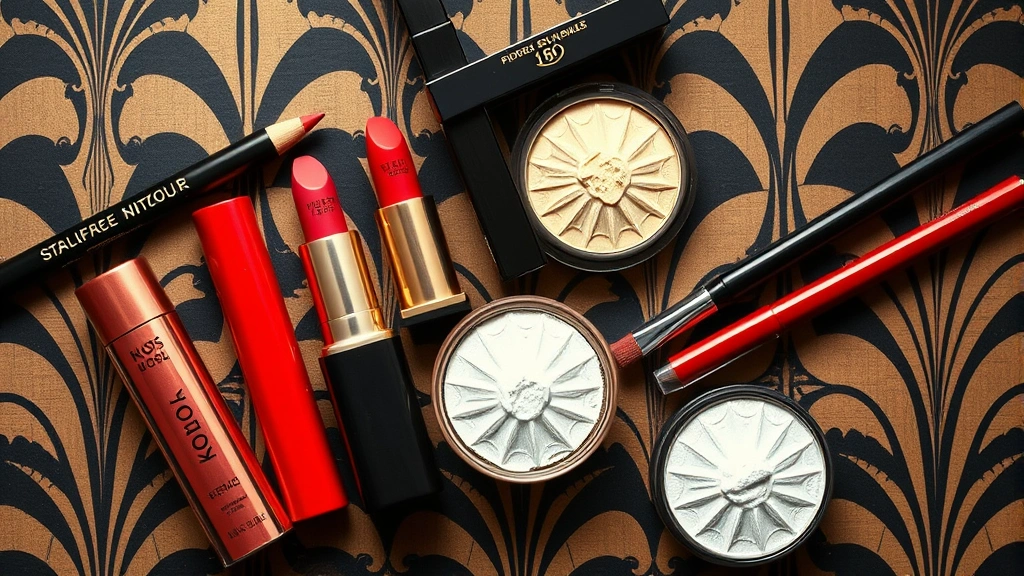
To understand fashion in the 1920s, we must first recognize that makeup wasn’t merely cosmetic—it was revolutionary. Before this era, respectable women wore little to no makeup. The Victorian and Edwardian periods associated heavy makeup with theater performers and women of questionable morality. However, the post-World War I landscape shifted everything. Women had entered the workforce during the war, gained voting rights, and developed a taste for independence that cosmetics companies were eager to capitalize on.
The cosmetics industry exploded during the 1920s, with companies like Maybelline, Coty, and Pond’s launching aggressive advertising campaigns targeting young women. These advertisements didn’t just sell products—they sold an ideology of modernity, freedom, and self-expression. According to Smithsonian Magazine’s beauty history archives, makeup sales increased by over 300% during the 1920s, making it clear that this wasn’t a fringe trend but a mainstream cultural shift.
The flapper aesthetic, with its straight silhouettes and dropped waistlines, demanded a completely different makeup approach than the previous era. The elongated face shape that flappers favored required makeup techniques that would enhance and define facial features in new ways. This is when makeup artists and beauty historians note that contouring, though not called that, truly became an essential skill.
The Iconic Eye: Kohl, Liner, and the Art of Definition
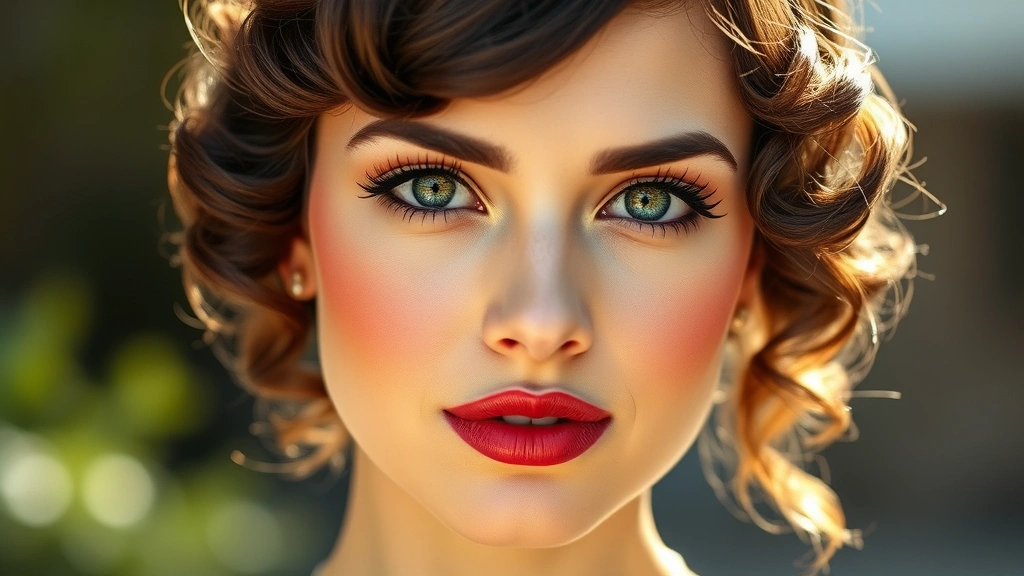
If any single feature defined 1920s makeup, it was the eyes. Kohl-lined eyes became the signature look of the decade, creating a dramatic, almost exotic appearance that was simultaneously alluring and mysterious. Women lined their upper and lower lids with dark kohl pencils or cake liners, often extending the line slightly beyond the natural eye shape to create an elongated effect.
The technique involved applying kohl to the waterline of the lower lid and creating a thick line on the upper lid that would sometimes wing slightly upward at the outer corner. This created what beauty historians call the “doe-eyed” or “mysterious” look. The intensity of the kohl application varied depending on the occasion—daytime makeup was relatively subtle, while evening and dancing looks featured much heavier application.
What’s fascinating from a historical perspective is that women achieved these looks using products that were far less sophisticated than modern eyeliners. They used cake liners that required water application, kohl pencils that needed constant sharpening, and occasionally even burnt cork in emergency situations. Despite these limitations, the precision and artistry women achieved was remarkable. Beauty historians credit this era with establishing eye makeup as a core component of any woman’s daily routine.
The eyeshadow of the 1920s was minimal by today’s standards—usually just a light wash of color in browns, golds, or greens to add depth. The focus remained on the liner itself, which created the dramatic definition that made the eyes appear larger and more expressive. This technique remains influential today, with many makeup artists citing the 1920s approach to eye definition as foundational to modern eye makeup application.
Lips That Made History: The Cupid’s Bow and Bold Reds
The 1920s lip was unmistakable: a small, perfectly defined cupid’s bow in deep red, burgundy, or even plum shades. This look required meticulous precision and became a daily ritual for fashionable women. The cupid’s bow—that distinctive double-peaked shape at the center of the upper lip—was emphasized through careful lip liner application and strategic lipstick placement.
What historians find particularly interesting is that the 1920s cupid’s bow didn’t necessarily follow a woman’s natural lip shape. Instead, women would use lip liner to create the idealized cupid’s bow, sometimes making their lips appear smaller than they actually were. This required skill and patience, as any mistake was immediately visible. The lip color itself came in tubes and compacts, with Chanel’s iconic red lipstick becoming one of the decade’s most coveted beauty products.
The bold lip color wasn’t just a beauty choice—it was a statement of defiance. Older generations were horrified by young women wearing such obvious, bold lip color in public. Parents, religious leaders, and conservative social commentators viewed red lips as scandalous. Yet this made them even more appealing to the younger generation of flappers who were deliberately rejecting their mothers’ values. The red lip became so associated with the modern woman that it’s still considered a classic beauty staple today.
Lip application in the 1920s involved several steps. First, women would outline their lips precisely with a lip liner, often making the cupid’s bow more pronounced. Then they’d fill in with lipstick, using a small brush for precision. Some women would even apply powder over the lipstick to set it, as the formulations of the era weren’t as long-lasting as modern products. This multi-step process shows how serious women were about maintaining their 1920s makeup look throughout the day.
Face Powder and Foundation: The Base Revolution
The foundation of 1920s makeup was literally powder. Face powder was essential to achieving the matte, porcelain complexion that defined the era’s beauty standard. Women used loose powder or pressed powder compacts to create an even, pale complexion that contrasted dramatically with their bold eye and lip makeup.
The ideal 1920s complexion was very pale, almost ghostly by modern standards. This was achieved through generous application of face powder in shades that were often significantly lighter than the wearer’s natural skin tone. The powder served multiple purposes: it mattified the skin, created an even base, and allowed for the dramatic makeup application that required a smooth canvas.
What’s interesting from a cosmetic science perspective is that these powders were primarily talc-based, sometimes with added ingredients like bismuth oxychloride for shine and coverage. They lacked the sophisticated ingredients modern foundations contain, yet women achieved remarkably polished results. Beauty historians note that the emphasis on powder application meant women had to develop techniques for blending and setting that are still relevant today.
The powder application wasn’t subtle. Women would use large powder puffs to apply generous amounts, creating a visible matte finish that was considered desirable. Some historians suggest this heavy powder application also served a practical purpose—it helped conceal blemishes and skin imperfections in an era before modern skincare and dermatological treatments were available. For more information on sustainable fashion brands and beauty practices, consider how modern eco-conscious beauty evolved from these foundational techniques.
Eyebrows and the Thin Arch Phenomenon
If the eyes and lips were the main event of 1920s makeup, the eyebrows were the supporting act that made everything work. The decade saw a dramatic shift toward thin, highly arched eyebrows that were often plucked to almost unrecognizable thinness. This look complemented the elongated face shape that flappers favored and created a perpetually surprised or raised expression that added to the youthful appearance so valued at the time.
Eyebrow shaping in the 1920s was achieved through plucking with tweezers, a tedious process that required significant pain tolerance. Women would pluck their natural brows into thin lines and then often redraw them using eyebrow pencil in a higher arch than their natural brow bone. Some women took this to extremes, plucking their brows so thin that they became nearly invisible and had to be entirely drawn on with makeup.
Beauty historians and dermatologists have noted that the extreme eyebrow plucking of the 1920s sometimes resulted in permanent hair loss, as repeated plucking can damage hair follicles. This is one aspect of 1920s beauty standards that modern makeup artists actively discourage. However, the technique of using eyebrow pencil to shape and define brows remains influential, and many contemporary makeup looks reference the arched, defined brow style that originated in this era.
The eyebrow color typically matched or was slightly darker than the hair color, but the shape was universally thin and highly arched. This created a distinctive look that’s instantly recognizable as 1920s makeup. When recreating vintage looks today, the eyebrow shape is often one of the most important elements for achieving authenticity.
Cheeks, Blush, and the Art of Contouring
While the eyes and lips dominated 1920s makeup, the cheeks played an important supporting role. Blush in the 1920s was typically applied in a specific way that created a youthful, almost doll-like appearance. The blush was placed high on the cheekbones and applied in a round shape, rather than following the natural contours of the face as modern makeup techniques suggest.
The blush colors of the era were typically bright reds, pinks, or corals—colors that stood out boldly against the pale powder base. Application was done with large brushes or puffs, creating a noticeable flush of color that looked intentional and dramatic. Historians note that this blush placement and application style served to make the face appear rounder and younger, which aligned with the beauty ideals of the time.
What’s particularly interesting from a makeup technique perspective is that 1920s blush application actually involved a form of contouring, though it wasn’t called that. Women would sometimes use darker powder or blush to create shadows under the cheekbones, making them appear more defined. This technique, combined with the strategic placement of lighter powder and bright blush, created dimension and shape that influenced modern contouring methods.
The blush formulations of the 1920s were primarily powder-based, similar to the face powder. Some came in cream form, but powder blush was more common and easier to apply with the tools available at the time. The powder-based formulas required careful blending to avoid harsh lines, a skill that makeup artists of the era developed through practice and experimentation.
Recreating 1920s Makeup Today
For anyone interested in recreating authentic 1920s makeup, understanding the historical techniques and products is essential. Modern makeup artists who specialize in vintage looks often emphasize that achieving the 1920s aesthetic requires more than just applying products—it requires understanding the philosophy behind the makeup.
To recreate 1920s eye makeup, start with a matte base using modern foundation or concealer. Apply a light eyeshadow in cream or gold across the lid, then use a dark brown or black eyeliner to create the signature kohl-lined look. Line both the upper and lower lids, extending slightly beyond the natural eye shape. The key is precision and symmetry—both eyes should match exactly.
For the lips, use a lip liner to create a precise cupid’s bow shape, then fill in with a classic red or burgundy lipstick. Remember that 1920s lips were often smaller and more defined than natural lip shapes, so don’t be afraid to reshape your lips with the liner. Set everything with powder to achieve that matte finish that defines the era.
The eyebrows require careful shaping. If you have fuller brows, you may need to create an arch that’s higher than your natural arch. Use an eyebrow pencil to define and shape, creating thin, highly arched brows. This step is crucial for achieving an authentic 1920s look, as the eyebrow shape really completes the overall aesthetic.
Apply blush high on the cheekbones in a round shape, using bright pink or coral tones. Finish with generous face powder applied with a large brush or puff, creating that characteristic matte, porcelain finish. For the complete 1920s look, coordinate your makeup with period-appropriate hairstyles, such as the iconic bob cut that defined the era.
Modern makeup products actually make recreating 1920s makeup easier than it was in the original era. Today’s eyeliners are more precise, lipsticks are more long-lasting, and powders are more finely milled. However, the fundamental techniques and principles remain the same. Many makeup artists recommend studying photographs and film footage from the 1920s to understand the exact placement and intensity of makeup application.
If you’re interested in the broader context of how fashion and beauty evolved, exploring beauty and fashion blogs can provide additional perspective. Additionally, understanding how sustainable practices in beauty have evolved from early cosmetics manufacturing offers interesting historical context.
FAQ
What was the most important makeup element of the 1920s?
The eyes were arguably the most important element. Heavy kohl lining and dramatic eye definition created the signature 1920s look. The bold, defined eyes were what immediately identified someone as fashionable and modern during this era.
Why did 1920s women pluck their eyebrows so thin?
Thin, highly arched eyebrows complemented the elongated face shape that flappers favored and created a youthful, surprised expression. This look was considered modern and fashionable, and women were willing to endure the pain of plucking to achieve it.
Was red lipstick really scandalous in the 1920s?
Yes, absolutely. Bold red lips were considered shocking and inappropriate by older generations and conservative society members. This made them even more appealing to young women who were deliberately rebelling against Victorian values and embracing the modern era.
How did 1920s women achieve such pale skin?
They used generous amounts of face powder in shades lighter than their natural skin tone. The powder was applied liberally to create an even, matte, porcelain-like complexion that was considered beautiful and fashionable during the era.
Can I recreate 1920s makeup with modern products?
Absolutely! Modern makeup products are actually superior to 1920s products in terms of precision, longevity, and safety. You can achieve an authentic 1920s look using contemporary makeup, though understanding the historical techniques and philosophy is important for accuracy.
What colors were used for 1920s eyeshadow?
Eyeshadow was minimal and typically featured light, neutral colors like cream, gold, or soft brown. The focus was on the eyeliner rather than on the lid color, which served mainly to add subtle depth and dimension.
How long did it take to apply 1920s makeup?
Applying 1920s makeup was a time-consuming process, often taking 20-30 minutes or more. The precision required for the eyeliner, lip shape, and eyebrow definition meant that most women spent considerable time on their makeup daily.

Related Posts

Perfect Old Fashioned Donut: Baker’s Secrets
Old Fashioned Chocolate Pie Recipe? Chef’s Favorite