Regency Makeup Trends: Expert Insights
Regency Makeup Trends: Expert Insights into Fashion in Regency England
The Regency era, spanning from 1811 to 1820, represents one of the most fascinating periods in beauty history. During this time, makeup trends reflected the elegant simplicity and refined aesthetics that defined the age of Jane Austen and Beau Brummels. Unlike the heavy, theatrical makeup of previous centuries, Regency makeup celebrated natural beauty with strategic enhancement—a philosophy that continues to influence modern cosmetic approaches today. Understanding these historical beauty standards provides valuable insights into how makeup evolves with cultural values and social expectations.
What makes Regency makeup particularly intriguing is its emphasis on achieving an effortless, “barely there” look while simultaneously requiring considerable skill and precision. Women of this era understood that true elegance meant subtlety, and the most admired faces were those that appeared naturally radiant rather than heavily painted. This delicate balance between enhancement and restraint shaped not only individual beauty routines but also the entire cosmetic industry’s trajectory toward more naturalistic products and application techniques.
The Philosophy Behind Regency Beauty Standards
Regency beauty philosophy emerged from Enlightenment ideals that valued reason, restraint, and classical proportion. The period’s aesthetic drew heavily from Greco-Roman art, emphasizing symmetry, clear skin, and features that suggested health and breeding rather than artifice. This represented a dramatic shift from the 18th-century preference for elaborate, colorful faces adorned with beauty marks and patches. Regency society viewed excessive makeup as vulgar, associating it with actresses and women of questionable virtue rather than respectable ladies.
The cultural context of fashion evolution during this period reveals how beauty standards interconnected with broader social values. Regency women were expected to appear as though they had simply woken up looking flawless—a paradox that required tremendous skill to achieve. The ideal Regency complexion was porcelain-white, which presented a striking contrast to the natural outdoor tan that suggested lower-class labor. Achieving and maintaining this pale complexion became a status symbol, requiring dedicated skincare routines and strategic use of cosmetics.
Understanding how environmental factors affected beauty practices helps us appreciate the ingenuity of Regency makeup artists. Women had to navigate England’s damp climate, limited indoor heating, and lack of modern skincare technology while maintaining flawless skin. They developed innovative solutions using natural ingredients, from milk baths to lead-based powders (a dangerous practice we’ve thankfully abandoned), all in service of achieving that coveted pale, luminous complexion.
Complexion Perfection: Achieving That Coveted Glow
The foundation of Regency makeup was impeccable skin preparation. Women spent considerable time on skincare routines designed to create a smooth, even base for makeup application. They used cold cream, rosewater, and glycerin to moisturize their skin, followed by careful application of powder to set their complexion and maintain that matte, porcelain finish. The goal was never to look shiny or dewy—that would suggest perspiration and physical exertion, both considered unladylike.
Regency complexion products were remarkably sophisticated for their era. Women used foundation powders made from rice flour, bismuth, or lead oxide (applied directly to skin after a light cream base). These powders were mixed with various tints to match individual skin tones, though paler shades were always preferred. The application technique involved using soft brushes or puffs to dust powder across the face, creating an even, matte finish. Multiple light layers proved more effective than one heavy application, allowing for buildable coverage that still appeared natural.
To enhance the appearance of luminosity without creating shine, Regency makeup artists employed subtle highlighting techniques. They would apply slightly less powder to the high points of the face—cheekbones, bridge of nose, and brow bones—allowing the natural skin to show through slightly. This created depth and dimension while maintaining the overall matte aesthetic. Some women used pearl powder mixed with their foundation for an ethereal quality, though this remained a luxury available only to the wealthy.
The maintenance of a perfect complexion required commitment beyond makeup application. Regency women followed strict skincare regimens including regular use of period-appropriate cleansing methods and protective measures against the elements. They wore bonnets and parasols religiously to prevent sun damage, understanding intuitively what modern dermatology has confirmed—UV protection is essential for maintaining clear, youthful skin.
Eye Makeup Techniques of the Era
Regency eye makeup represents some of the most subtle yet sophisticated techniques in beauty history. Unlike the heavily lined eyes of modern makeup or the dramatic kohl looks of ancient Egypt, Regency women aimed to enhance their eyes in ways that appeared almost accidental. The focus was on creating definition and depth while maintaining the illusion of natural beauty.
Eyebrow shaping was paramount in Regency aesthetics. The ideal eyebrow was naturally arched, relatively dark, and well-defined without appearing drawn on. Women used fine brushes and eyebrow pencils made from charcoal or lead to subtly enhance their natural brows, following the natural arch and filling in sparse areas. The goal was to create a gentle lift that opened the eye without the dramatic, heavily shaped brows that would have appeared theatrical. Eyebrows were kept relatively full compared to later Victorian ideals, maintaining a more natural appearance.
Eyeliner application was minimal but strategic. Regency women applied a very thin line of dark color along the upper lash line only, using either a thin brush with dark powder or a sharpened eyebrow pencil. This line was barely visible but served to define the eye and create the illusion of thicker lashes. The lower lash line was typically left bare, as adding color there was considered too dramatic. The entire technique required a steady hand and considerable practice to achieve the barely-there effect that looked effortless.
Eye shadow, as we know it today, didn’t exist during the Regency period. Instead, women used kohl or finely ground minerals mixed with oil to create subtle definition in the crease of the eye. These products were applied with fingertips or small brushes, blended carefully to create shadow without obvious color. The preference was for neutral, earthy tones that enhanced the natural eye shape rather than dramatically changed it. Browns, soft grays, and muted greens were popular choices that complemented various eye colors.
Mascara as a commercial product didn’t exist, so Regency women focused on maximizing their natural lashes through careful grooming. They used castor oil or rose oil to condition their lashes, promoting growth and thickness. Some women darkened their lashes using a mixture of soot and oil, carefully applied with a tiny brush. This practice required patience and precision, as any mistake could result in dark smudges under the eyes rather than enhanced lashes.
Lip Color and Application Methods
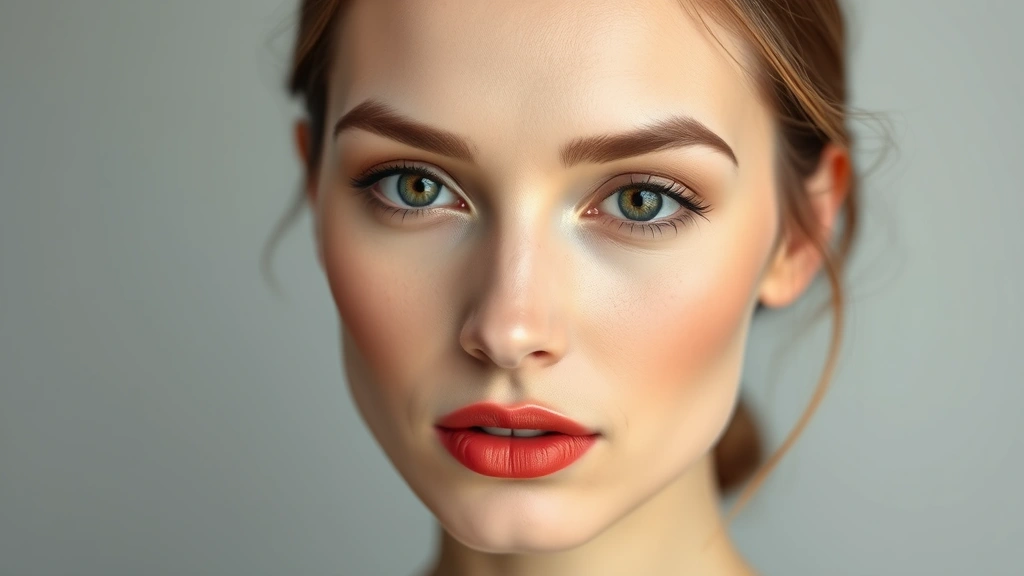
Lip color during the Regency period occupied an interesting middle ground—visible enough to enhance beauty, but subtle enough to maintain an appearance of natural coloring. The ideal Regency lip was full, well-defined, and colored in shades that suggested health and vitality rather than obvious cosmetic application. This required careful selection of lip products and precise application techniques.
Regency lip products included lip stains made from plant-based pigments, particularly cochineal (a red dye derived from insects), mixed with oils and waxes. These stains were applied directly to the lips using small brushes, allowing for precise control over color intensity and placement. Some women preferred lip salves tinted with natural colorants, which provided both nourishment and subtle color. The texture of these products was quite different from modern lipsticks—more creamy and less pigmented, requiring multiple applications to achieve desired color depth.
The application technique was crucial for achieving the Regency lip aesthetic. Women would outline their lips carefully to enhance their natural shape, then fill in with color using small brushes. The goal was to create lips that appeared naturally flushed and full without obvious demarcation lines. Ombré effects were achieved by applying darker color to the outer edges and lighter color to the center, creating dimension and the illusion of fuller lips. This technique predates modern ombré lip trends by over two centuries.
Color selection was equally important. The most fashionable Regency lip colors were warm reds with brown or coral undertones, shades that complemented the era’s pale complexions while suggesting natural flush. Bright reds or blue-toned reds were considered too bold and vulgar. Some women preferred subtle berry tones or warm pinks for daytime wear, reserving deeper colors for evening events. The interplay between lip color and complexion was carefully considered, as a shade that flattered one woman’s coloring might overwhelm another’s.
Cheek Tinting and Natural Blush
Perhaps no aspect of Regency makeup better exemplifies the era’s philosophy of “natural enhancement” than cheek tinting. The goal was to create the appearance of natural flush—the rosy cheeks associated with health, youth, and vitality—without looking painted or artificial. This required understanding color theory, face shape, and individual complexion, making blush application a genuine art form.
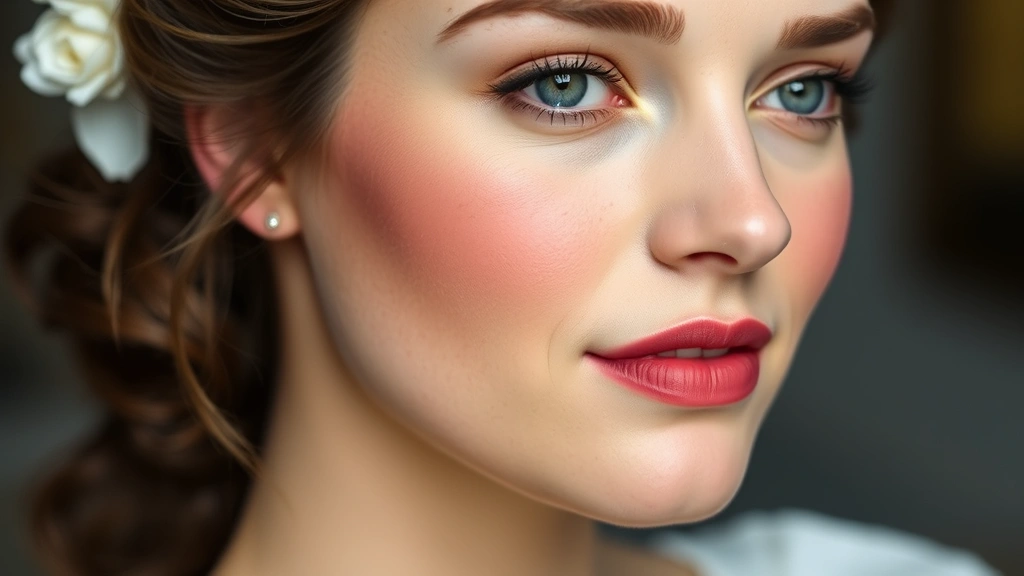
Regency blush products were typically made from carmine (a red pigment derived from cochineal insects), mixed with talc or rice powder to create a product with sheer, buildable color. These products came in small pots and were applied using brushes, sponges, or fingertips. Application with fingers allowed for better control and blending, creating the most natural-looking results. The technique involved applying color to the apples of the cheeks with upward and outward strokes, blending carefully to avoid obvious demarcation lines.
The placement of blush was strategic and varied based on face shape. Women with round faces applied blush higher on the cheekbones and blended it upward to create a lifting effect. Those with angular or long faces applied blush lower and more centrally to add fullness. The intensity of color was always kept subtle—the goal was to look as though one had simply come in from a brisk walk rather than deliberately applied makeup. Professional makeup historians note that Regency women often used the same carmine product for both cheeks and lips, creating a coordinated, harmonious makeup look.

For evening events, women could intensify their blush slightly, but even then, subtlety was paramount. The difference between daytime and evening makeup was more about precision and intensity of existing products rather than dramatically different techniques or colors. A woman might use the same blush formula but apply it with a heavier hand for evening wear, creating more noticeable color while maintaining the natural aesthetic.
Creating Regency Makeup Today
Recreating authentic Regency makeup in the modern era requires understanding both the historical techniques and the philosophy behind them. The key is embracing restraint and focusing on enhancing natural features rather than transforming them. Modern makeup artists can achieve this look using contemporary products, simply by applying them with historical sensibilities and techniques.
Start with excellent skincare. The Regency glow began with healthy, well-prepared skin. Use a gentle cleanser, hydrating toner, lightweight moisturizer, and sunscreen as your foundation. Consider using a primer to create a smooth base for makeup application, something Regency women would have loved had it existed. The goal is poreless-looking, luminous skin that appears to have no makeup on it whatsoever.
For complexion, choose a lightweight foundation or tinted moisturizer that matches your skin tone perfectly. Avoid anything too matte or powdery—you want a finish that’s smooth but slightly skin-like. Apply with a damp beauty sponge for the most natural blend. Set with translucent powder applied very lightly with a fluffy brush, focusing on areas that tend to get oily. The overall effect should be a porcelain-like finish without the mask-like appearance of heavy makeup.
For eyes, focus on subtle definition. Use a cool-toned brown or taupe eyeshadow in the crease of your eye, blended carefully with a fluffy brush. Apply a thin line of dark brown or black eyeliner along the upper lash line only, keeping it as close to the lash line as possible. Skip the lower lash line entirely. Use a brown mascara for a softer effect than black, or apply black mascara very lightly for a natural appearance. Shape your eyebrows to follow their natural arch, filling in sparse areas with a cool-toned brown powder.
For lips, choose a warm red, coral-red, or berry tone that complements your complexion. Apply with a lip brush for precision, defining your lips slightly to enhance their natural shape without obviously overlining. Consider using a lip stain underneath a balm for the sheer, natural color that characterized Regency lips. The goal is lips that look naturally flushed and full.
For cheeks, use a warm, muted rose or coral blush applied to the apples of your cheeks with upward and outward strokes. Blend carefully, using a light hand—you can always add more. Consider using the same shade on your cheeks and lips for a coordinated, effortless look. The overall effect should suggest you’ve simply returned from a pleasant walk, with natural color in your cheeks and lips.
Products That Capture the Aesthetic
Modern makeup brands have created products specifically designed to achieve historical makeup looks, including those from the Regency era. Understanding which contemporary products best capture the spirit of historical makeup helps ensure authentic results.
Foundations and bases: Look for lightweight, luminous formulas rather than full-coverage, matte options. Brands like Glossier Skin Tint or similar sheer coverage products create the barely-there, skin-like finish that Regency makeup required. Tinted moisturizers and BB creams are excellent choices, offering coverage without the heavy feel of traditional foundations.
Eyebrow products: Use cool-toned brow powders or pencils in shades like taupe or soft brown rather than warm or ashy options. Apply lightly, following your natural brow shape and simply filling in sparse areas. Brow gels help maintain the soft, natural appearance without creating harsh lines.
Eyeshadow: Neutral, matte eyeshadows in browns, taupes, and soft grays work best. Avoid shimmer or highly pigmented colors. Brands offering natural, muted palettes will serve you well. Apply with brushes designed for blending to create soft, diffused color rather than obvious definition.
Eyeliner: A thin, pencil-style eyeliner in dark brown or black works perfectly for creating the subtle upper lash line definition characteristic of Regency makeup. Gel or liquid liners can work, but pencils are easier to apply with the light hand required for this aesthetic.
Blush and lip color: Cream blushes and lip stains offer the sheer, buildable color that Regency cosmetics provided. Look for warm, muted tones—coral-reds, warm roses, and berry shades. Brands specializing in natural or vintage-inspired makeup often have excellent options. The key is choosing colors that appear to be your natural flush rather than obvious makeup.
Mascara: Brown mascara creates a softer look than black, better capturing the Regency aesthetic. Apply lightly, or use a volumizing formula applied with a light hand rather than multiple coats. The goal is enhanced lashes that don’t appear darkly defined.
FAQ
What made Regency makeup different from other historical periods?
Regency makeup emphasized natural beauty with minimal, strategic enhancement. Unlike the heavy, colorful makeup of the 18th century or the dramatic looks of the Victorian era, Regency women aimed for an effortless appearance that suggested they weren’t wearing makeup at all. This philosophy reflected broader cultural values emphasizing restraint, reason, and classical aesthetics.
Were there any dangerous ingredients in Regency makeup?
Yes, unfortunately. Lead oxide was commonly used in foundation powders, and mercury was sometimes included in some products. Women also used arsenic-based preparations for skin whitening. These ingredients caused serious health problems, including poisoning and skin damage. Modern makeup is extensively tested for safety and uses non-toxic ingredients.
How long did it take to apply Regency makeup?
A complete Regency makeup routine typically took 30 minutes to an hour, including skincare preparation. The careful blending, precise application techniques, and attention to achieving natural-looking results required considerable time and skill. Many women employed ladies’ maids to assist with makeup application.
Could men wear makeup during the Regency period?
By the Regency era, makeup for men had largely fallen out of fashion, representing a shift from earlier periods when aristocratic men frequently wore makeup. Historical fashion sources indicate that excessive personal adornment became associated with effeminacy, and respectable men avoided cosmetics.
What’s the best way to learn Regency makeup techniques?
Study historical paintings and engravings from the period to understand the aesthetic. Practice with modern products designed for natural, sheer coverage. Focus on skincare as your foundation, then add makeup gradually, emphasizing blending and subtlety. Consider watching tutorials from makeup artists specializing in historical techniques.
Can I wear Regency-inspired makeup in modern settings?
Absolutely! The Regency aesthetic translates beautifully to contemporary settings. It’s particularly appropriate for period dramas, historical reenactments, and formal events. Even for everyday wear, the philosophy of enhancing natural beauty with subtle, well-blended makeup remains relevant and flattering.
How does Regency makeup compare to modern natural makeup trends?
Regency makeup philosophy aligns surprisingly well with modern “no-makeup makeup” trends. Both emphasize skincare, subtle enhancement, and the appearance of effortless beauty. The main difference is that modern natural makeup often uses more advanced formulations and sometimes includes subtle highlights or dewy finishes, whereas Regency makeup maintained a consistently matte complexion.

Related Posts

Perfect Old Fashioned Donut: Baker’s Secrets
Old Fashioned Chocolate Pie Recipe? Chef’s Favorite