Old Fashioned: Best Bourbon Picks by Experts
An Old Fashioned is more than just a cocktail—it’s a ritual, a moment of sophistication, and a celebration of quality spirits. Whether you’re a seasoned bourbon enthusiast or exploring your first classic cocktail, selecting the right bourbon can transform your drinking experience from ordinary to exceptional. The beauty of an Old Fashioned lies in its simplicity: bourbon, sugar, bitters, and a twist of citrus. But that simplicity demands excellence in every ingredient, especially the bourbon itself.
The choice of bourbon matters tremendously when crafting this timeless drink. Unlike cocktails that mask the spirit with mixers and sweeteners, an Old Fashioned lets your bourbon shine through, making the quality and character of your selection paramount. Expert bartenders and bourbon connoisseurs have spent years perfecting their recommendations, and we’ve gathered their insights to help you discover the best bourbon picks for your next Old Fashioned.
What Makes a Great Bourbon for Old Fashioned
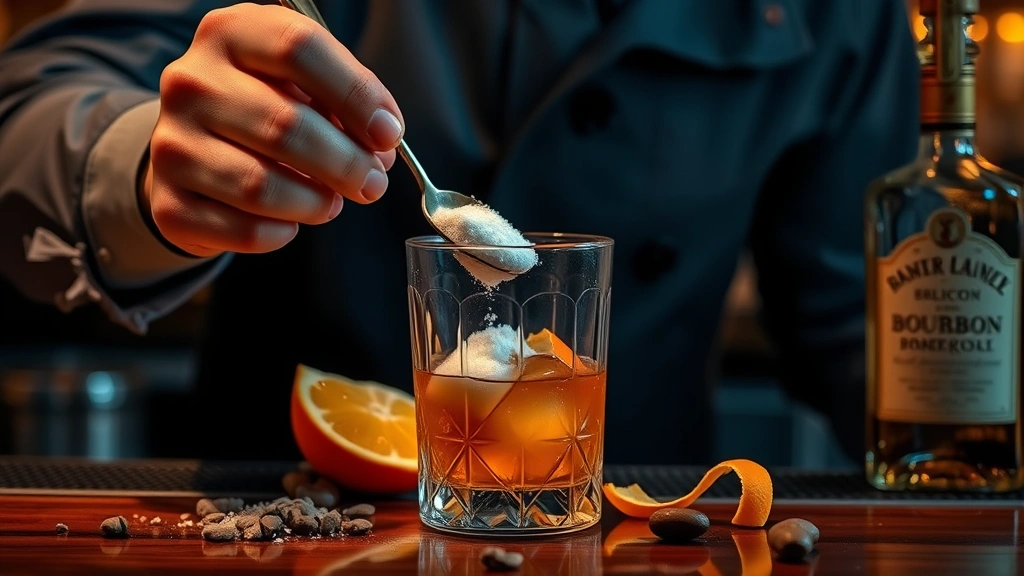
When bartenders and spirits experts evaluate bourbon for Old Fashioned cocktails, they consider several critical factors. The first is balance—a bourbon should have enough character to stand up to the sugar and bitters without overwhelming them. You want a spirit that complements rather than competes with the other ingredients.
Age matters significantly in this equation. Most experts recommend bourbons aged between four and twelve years for Old Fashioned cocktails. Younger bourbons can taste too harsh and alcoholic, while extremely aged expressions might be too expensive to mix. The sweet spot typically falls around six to eight years, where the spirit has developed complexity but retains vibrant bourbon characteristics.
Proof is another essential consideration. Higher-proof bourbons—those above 100 proof—tend to perform better in cocktails because they maintain their flavor intensity when diluted with ice and water. Lower-proof bourbons can become watery and lose their appeal once the ice melts. Most expert mixologists prefer bourbons in the 100-120 proof range for optimal Old Fashioned preparation.
The mash bill, which refers to the grain recipe used to create the bourbon, influences flavor profile dramatically. Bourbons with higher rye content tend toward spicier, peppery notes, while high-corn bourbons deliver sweeter, fuller flavors. For Old Fashioned cocktails, both styles work beautifully depending on your preference—rye-heavy bourbons create a more complex, sophisticated drink, while corn-forward bourbons emphasize vanilla and caramel smoothness.
Top Expert-Recommended Bourbons
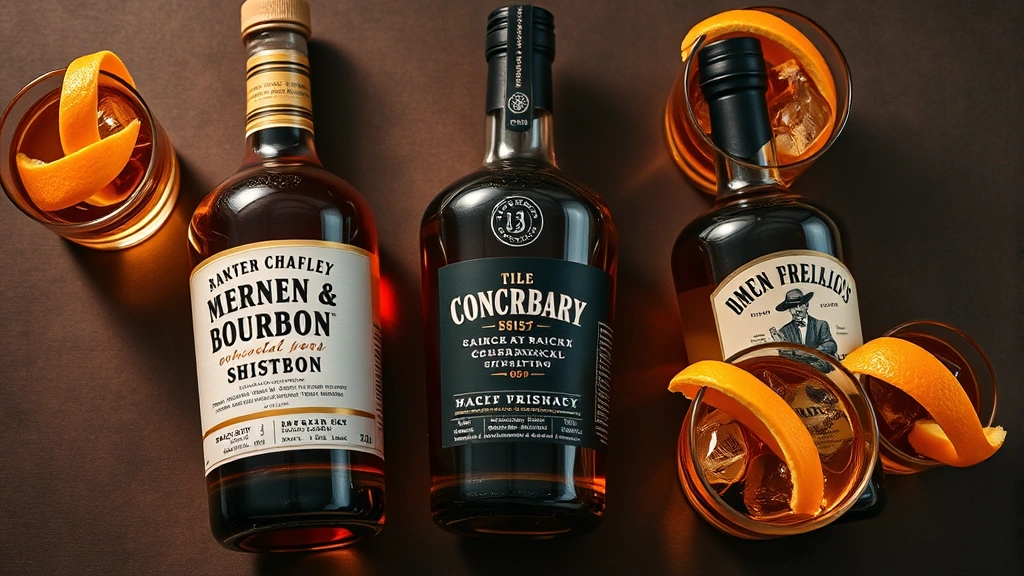
Industry professionals consistently recommend certain bourbons as the gold standard for Old Fashioned cocktails. Woodford Reserve stands out as a favorite among bartenders nationwide. This Kentucky bourbon offers a balanced profile with notes of vanilla, caramel, and subtle spice. At 90.4 proof, it’s approachable for newcomers while maintaining enough character for serious cocktail enthusiasts. Its relatively accessible price point makes it an excellent entry-level choice.
Bulleit Bourbon has earned respect from spirits publications for its distinctive high-rye mash bill. This bourbon delivers a spicier, more complex Old Fashioned with notes of oak, vanilla, and black pepper. At 90 proof, it pairs beautifully with Angostura bitters and orange peel. Many craft bartenders prefer Bulleit for customers seeking a more adventurous flavor experience.
Four Roses Small Batch represents the sweet spot between quality and value. Crafted using a unique blend of five different yeast strains and two mash bills, this bourbon offers remarkable complexity for its price. The result is a smooth, balanced spirit with floral and fruity undertones that add sophistication to your Old Fashioned without breaking your budget.
For those willing to invest more, bourbon enthusiasts frequently recommend Maker’s Mark. This wheated bourbon uses wheat instead of rye in its mash bill, creating an exceptionally smooth, velvety drinking experience. While some purists argue that wheated bourbons lack the complexity needed for premium Old Fashioned cocktails, Maker’s Mark converts swear by its elegant, approachable character.
Buffalo Trace deserves mention as a versatile option that works across various skill levels. This wheated bourbon offers vanilla, oak, and caramel notes with a silky mouthfeel. Its moderate proof and balanced flavor profile make it ideal for those still developing their bourbon palate or preferring subtlety over intensity.
For premium selections, many experts point to Pappy Van Winkle—though availability and cost present significant challenges. This highly allocated bourbon delivers exceptional smoothness and complexity, creating an unforgettable Old Fashioned experience. However, secondary market prices often exceed $200 per bottle, making it more of a special occasion choice.
Understanding Proof and Flavor Profile
Proof directly impacts how your bourbon behaves in an Old Fashioned. When you add ice and dilute the spirit with water, lower-proof bourbons lose their character more dramatically than higher-proof options. This is why most bartenders recommend selecting bourbons above 100 proof for cocktail applications, even though they’re perfectly pleasant sipped neat.
The relationship between proof and flavor extends beyond simple strength. Higher alcohol content carries flavor compounds more effectively, creating a more pronounced taste experience. When ice melts into your Old Fashioned, these flavor compounds remain prominent rather than fading into the background.
Flavor profiles vary significantly based on the bourbon’s production methods and aging environment. Bourbons aged in Kentucky’s limestone-heavy regions develop different characteristics than those aged elsewhere. The temperature fluctuations throughout seasons affect how much wood contact the spirit maintains, influencing color, flavor intensity, and overall character.
Single-barrel bourbons offer another dimension to explore. These expressions showcase the unique characteristics of individual barrels, meaning each bottle differs slightly. For Old Fashioned cocktails, some bartenders prefer the consistency of batch-produced bourbons, while others appreciate the adventure of single-barrel selections.
Budget-Friendly vs Premium Options
You don’t need to spend a fortune to create an excellent Old Fashioned. Budget-conscious drinkers can achieve outstanding results with bourbons in the $25-35 price range. Woodford Reserve, Four Roses Small Batch, and Buffalo Trace all deliver impressive quality at accessible prices, making them ideal for regular enjoyment or entertaining guests without excessive expense.
Mid-range bourbons between $35-60 offer increased complexity and refinement. Bulleit, Maker’s Mark, and similar expressions in this bracket provide noticeably improved flavor profiles compared to budget options. These bourbons work beautifully for those wanting to elevate their cocktail experience without premium-tier investment.
Premium bourbons exceeding $60 deliver exceptional quality but require thoughtful consideration. These expressions—including higher-end Four Roses selections, special releases, and limited editions—showcase master distiller expertise and careful aging. Reserve these for special occasions or for sipping neat rather than mixing into cocktails, where their nuanced character deserves full appreciation.
Consider your drinking frequency when deciding where to invest. If you enjoy Old Fashioned cocktails regularly, maintaining a reliable mid-range bourbon for daily enjoyment while keeping a premium bottle for special occasions offers the best balance between quality and practicality.
How to Taste and Evaluate Your Bourbon
Developing a discerning palate requires practice and intentional tasting. Start by examining your bourbon’s appearance—quality bourbons display rich amber to deep copper coloring. Swirl the spirit gently and observe the legs that form on the glass; thicker, slower-moving legs indicate higher proof and fuller body.
Nose your bourbon before tasting. Inhale gently, allowing alcohol vapors to dissipate before taking a deeper smell. You might detect vanilla, caramel, oak, spice, fruit, or floral notes depending on the bourbon’s profile. Some people discover entirely different characteristics on subsequent sniffs as their palate adjusts.
Take a small sip and let it coat your mouth before swallowing. Notice the flavors that emerge—initial taste sensations often differ from the finish. Pay attention to mouthfeel: does the bourbon feel silky, thin, or viscous? These observations help you understand which characteristics appeal to you personally.
The finish—the flavors lingering after swallowing—provides valuable information about bourbon quality. Longer, more complex finishes typically indicate superior expressions. A bourbon with a short, harsh finish might be better suited to mixing than sipping neat.
Keep tasting notes as you explore different bourbons. Recording your observations helps you identify patterns in your preferences and guides future selections. Over time, you’ll develop confidence in choosing bourbons that match your taste preferences and intended use.
Pairing Your Bourbon with Food
Old Fashioned cocktails pair beautifully with various foods, and your bourbon choice influences these pairings. Spicier, rye-forward bourbons complement rich meats, smoked foods, and bold cheeses. The pepper notes in these expressions cut through fatty dishes and cleanse the palate between bites.
Sweeter, corn-forward bourbons work wonderfully with desserts, chocolate, and caramel-based dishes. These bourbons’ vanilla and caramel characteristics create harmonious flavor combinations that enhance rather than compete with sweet elements.
Wheated bourbons offer versatility, pairing well with both savory and sweet foods. Their smooth, approachable character complements lighter fare like seafood and vegetables while still standing up to richer dishes.
Consider serving Old Fashioned cocktails before dinner as an aperitif, or after dinner as a digestif. The bourbon’s flavor profile should complement your meal’s overall character. A spicy bourbon pairs well before or after Cajun cuisine, while a smooth bourbon suits elegant French dining.
Storing and Serving Your Bourbon Properly
Proper storage preserves your bourbon’s quality and flavor. Keep bottles upright in a cool, dark location away from direct sunlight and temperature fluctuations. Excessive heat can degrade the spirit and increase evaporation rates, while extreme cold can cause unwanted crystallization.
Humidity matters less for sealed bottles than for open ones, but maintaining moderate humidity around 50-65% prevents cork degradation. Avoid storing bourbon near strong-smelling items, as the spirit can absorb odors over time.
Once opened, bourbon gradually oxidizes and evaporates. For bottles you plan to enjoy regularly, this process happens slowly and creates minimal concern. However, if you open a bottle and only sip occasionally, consider transferring remaining bourbon to a smaller bottle to minimize air exposure.
Serving temperature significantly impacts your Old Fashioned experience. Use large ice cubes rather than standard ice—they melt more slowly, preventing excessive dilution. Some bartenders prefer using one large block of ice, while others use two or three large cubes. The goal remains consistent: slow melting that gradually opens up the bourbon’s flavors.
Chill your glass before preparing your drink. This simple step prevents temperature shock when you add the chilled bourbon and ice, helping maintain the intended flavor profile. A properly chilled Old Fashioned tastes noticeably smoother and more balanced than one served in a warm glass.
FAQ
What proof bourbon is best for Old Fashioned cocktails?
Most experts recommend bourbons between 100-120 proof for Old Fashioned cocktails. This proof range maintains flavor intensity when diluted with ice and water, creating a balanced, flavorful drink. Lower-proof bourbons can become watery as ice melts, while extremely high-proof options may overwhelm the other ingredients.
Can I use wheated bourbon in an Old Fashioned?
Absolutely. Wheated bourbons like Maker’s Mark create smooth, approachable Old Fashioned cocktails with a softer flavor profile. While some purists prefer rye-heavy bourbons for their complexity, wheated options offer excellent versatility and appeal to those preferring subtlety over intensity.
Should I spend more money on premium bourbon for cocktails?
Not necessarily. Mid-range bourbons between $35-60 deliver excellent quality for cocktail applications. Premium bourbons exceeding $100 are better appreciated sipped neat, where their nuanced character receives full attention. Save premium selections for special occasions or straight sipping.
What’s the difference between single-barrel and batch bourbons?
Single-barrel bourbons showcase individual barrel characteristics, meaning each bottle differs slightly. Batch bourbons blend multiple barrels to achieve consistent flavor profiles. For cocktails, many prefer batch bourbons for reliability, though single-barrel enthusiasts enjoy the adventure of unique variations.
How long can I keep an open bottle of bourbon?
Properly stored, an open bourbon bottle maintains quality for several years. Oxidation happens gradually, and many people enjoy the subtle changes that occur as bourbon opens up over time. Minimize air exposure by keeping the bottle sealed and stored upright in a cool, dark location.
What’s the best way to chill an Old Fashioned?
Use large ice cubes that melt slowly, preventing excessive dilution. Pre-chill your glass by filling it with ice water before preparing the drink, then discard the water before adding your cocktail. This approach maintains the bourbon’s flavor profile while achieving the perfect serving temperature.

Related Posts
Perfect Old Fashioned Donut: Baker’s Secrets
Old Fashioned Chocolate Pie Recipe? Chef’s Favorite