Best Cherries for Old Fashioned? Bartender Picks
When it comes to crafting the perfect Old Fashioned, bartenders know that every ingredient matters—and that includes the cherry. This classic cocktail has been a staple since the 1880s, and while whiskey and bitters get most of the attention, the cherry is far more than just a garnish. It’s a flavor component that can elevate your drink from good to exceptional. Whether you’re a home bartender looking to impress guests or a cocktail enthusiast curious about what makes certain cherries superior, understanding your options is essential.
The cherry selection for an Old Fashioned is surprisingly nuanced. Different varieties bring distinct flavor profiles, textures, and visual appeals to your glass. From maraschino cherries to fresh seasonal options, each choice tells a story about your approach to mixology. In this guide, we’ll explore what professional bartenders reach for, why they make those choices, and how you can select the best cherries for your next Old Fashioned.
Why Cherry Selection Matters in Old Fashioned Cocktails
The Old Fashioned is a spirit-forward cocktail that demands respect for tradition and quality. Unlike fruity mixed drinks where the cherry might be secondary, in an Old Fashioned, your cherry choice directly impacts the drinking experience. Professional bartenders understand that the cherry serves multiple purposes: it adds subtle sweetness, provides textural contrast, and contributes aromatic compounds that interact with the whiskey and bitters.
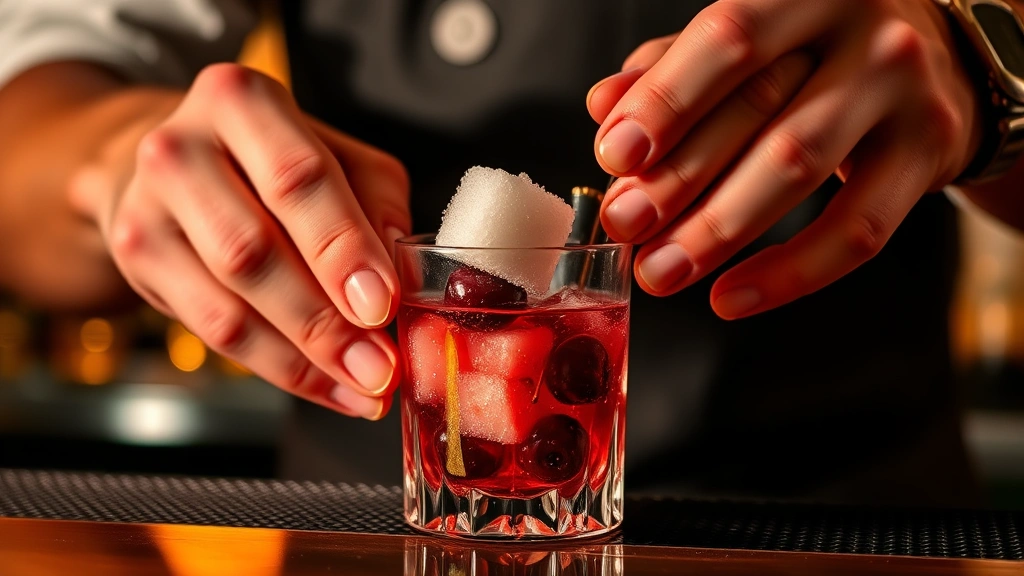
When you muddle a cherry in an Old Fashioned (a technique many bartenders employ), you’re releasing its oils and juices into the drink. This means the cherry isn’t just sitting pretty—it’s actively flavoring your cocktail. The wrong cherry can introduce artificial flavors or excessive sweetness that overshadows the nuanced notes of quality whiskey. The right cherry, however, complements and enhances those notes beautifully.
Top bartenders from establishments like quality-focused venues have learned through experimentation that cherry quality correlates directly with cocktail quality. This is why you’ll notice a dramatic difference between an Old Fashioned made with a standard maraschino cherry and one made with a premium option. The investment in better cherries pays dividends in every sip.
Luxardo Maraschino Cherries: The Gold Standard
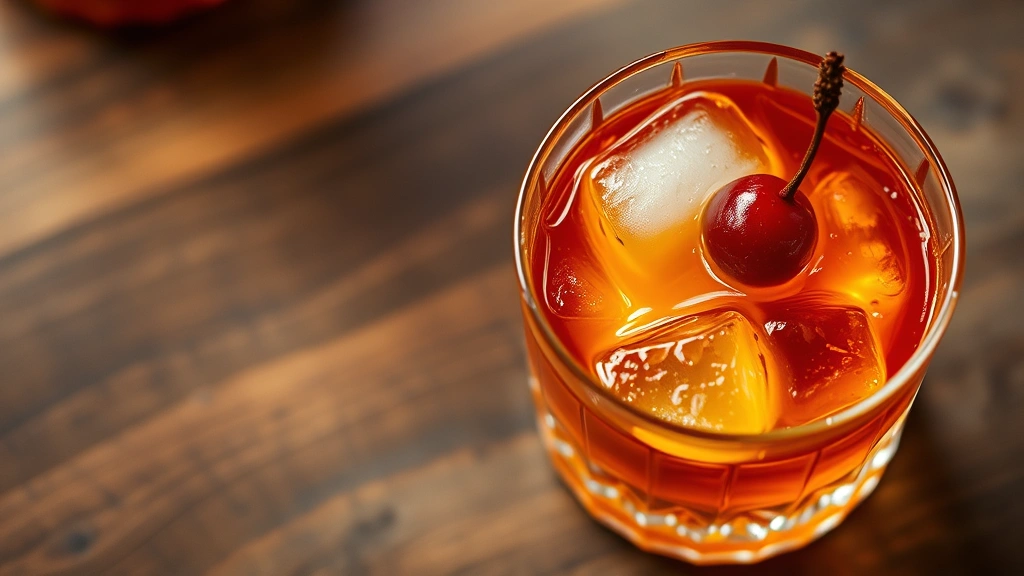
If there’s one cherry that has earned near-universal acclaim among professional bartenders, it’s the Luxardo maraschino cherry. These Italian cherries have become synonymous with quality cocktails, and for good reason. Unlike the bright red, artificially-flavored maraschino cherries you might find at grocery stores, Luxardo cherries are made from Marasca cherries sourced from the Emilia-Romagna region of Italy.
The production process is what sets Luxardo apart. The cherries are preserved in a syrup made from the juice of the maraschino cherry itself, with no artificial colors or flavors. This means you’re getting an authentic cherry experience—dark, complex, slightly almond-forward notes that actually complement whiskey beautifully. The texture is firm but not rubbery, and they have enough structural integrity to hold up whether you muddle them or leave them whole.
Bartenders consistently choose Luxardo cherries because they understand the principle of ingredient interaction. When you muddle a Luxardo cherry with sugar and bitters, you create a foundation that elevates the entire drink. The cherry’s natural sweetness is subtle enough that it doesn’t overpower the whiskey, and its flavor profile is sophisticated enough to stand up to premium spirits.
One important note: genuine Luxardo cherries come in a specific jar with distinctive labeling. They’re more expensive than standard maraschino cherries (often $20-30 per jar), but bartenders will tell you they’re worth every penny. When you’re making a cocktail with quality whiskey, skimping on the cherry is false economy.
Fresh Seasonal Cherries: A Premium Alternative
While Luxardo cherries are reliable year-round, some of the most innovative bartenders are turning to fresh seasonal cherries during cherry season (typically June through August). Fresh cherries bring a vibrancy and natural complexity that preserved cherries simply cannot match.
The challenge with fresh cherries is that they’re delicate. They have a shorter shelf life, and their flavor can vary significantly depending on variety and ripeness. However, bartenders who specialize in seasonal cocktails have developed techniques to make fresh cherries work beautifully in Old Fashioneds. Some chill them thoroughly before serving, while others create quick preserves or syrups to extend their usability.
Popular fresh cherry varieties for cocktails include Bing cherries (dark, sweet, complex) and Rainier cherries (lighter colored, slightly more delicate flavor). When muddled gently in an Old Fashioned, fresh cherries release vibrant juice that can actually change the color of your drink slightly, creating a beautiful visual presentation alongside the flavor benefits.
The downside is availability and cost. Fresh cherries are seasonal, and premium varieties can be expensive. Additionally, you need to be selective about ripeness—an underripe cherry won’t have the flavor complexity you want, while an overripe one might be too soft to muddle properly. This is why fresh cherries are more common in high-end cocktail bars with the resources to source and test them regularly.
Bourbon Barrel-Aged Cherries and Specialty Options
For bartenders looking to push creative boundaries, bourbon barrel-aged cherries represent an exciting frontier. These are typically fresh or preserved cherries that have been aged in bourbon barrels, absorbing vanilla, oak, and whiskey notes. The result is a cherry that’s already flavor-aligned with the spirit in your glass.
Several craft producers now offer bourbon barrel-aged cherries, and they’ve become popular in upscale cocktail bars. The flavor profile is distinctly different from standard options—you get the cherry fruit, but layered with woody, vanilla, and subtle bourbon notes. When muddled into an Old Fashioned, these cherries create a cohesive flavor story that feels intentional and sophisticated.
Other specialty options include cherries preserved in different syrups or spirits. Some producers offer cherries in cognac, rum, or vermouth syrups. While these can be delicious, bartenders caution that they can sometimes overwhelm the Old Fashioned if not used judiciously. The key is understanding your cherry’s flavor profile and using it in proportion to the drink’s other components.
Sourcing these specialty cherries requires more effort than grabbing a jar of Luxardo, but they’re increasingly available through online retailers and specialty food suppliers. If you’re interested in understanding ingredient sourcing, specialty cherry producers often provide detailed information about their production methods and flavor profiles.
How to Prepare and Serve Cherries in Old Fashioneds
Preparation method significantly impacts how your cherry contributes to the finished drink. Here are the main approaches professional bartenders use:
- Muddled: This is the traditional method. Place a cherry (and typically a sugar cube or simple syrup) in the mixing glass, then muddle gently to release juices without completely destroying the cherry. This creates a syrupy base that helps distribute flavors throughout the drink.
- Whole and Chilled: Some bartenders prefer to serve the cherry whole, either floating in the drink or speared on a pick. This approach is more elegant and allows the drinker to enjoy the cherry as a textural element at the end.
- Halved: A compromise approach where you halve the cherry before muddling, creating more surface area for juice release without completely pulverizing it.
- Candied or Glazed: Some bars prepare cherries with a light sugar glaze or by gently heating them in simple syrup. This concentrates flavors and creates a more dessert-like texture.
Temperature matters too. Bartenders often chill their cherries before using them, especially if serving the drink without ice. A cold cherry provides pleasant textural contrast and helps keep the drink cooler longer. If you’re muddling, some bartenders recommend using frozen cherries for an extra-cold drink, though this can dilute the cocktail as they thaw.
The ratio of cherry to drink is also important. You want enough cherry flavor to be noticeable but not so much that it dominates. Most bartenders use one cherry per drink, though some upscale establishments might use two for a more pronounced cherry presence.
Sourcing Quality Cherries for Home Bartenders
If you’re making Old Fashioneds at home, you don’t need to access the same wholesale suppliers as professional bars, but you should still prioritize quality. Here’s where to find the best cherries:
- Specialty Food Retailers: Stores like Whole Foods, specialty cocktail shops, and gourmet food markets typically carry Luxardo cherries and other premium options. Prices are higher than supermarkets, but selection is better.
- Online Retailers: Websites dedicated to cocktail supplies often have the widest selection and competitive pricing. Liquor.com and similar platforms frequently stock multiple cherry varieties with detailed descriptions.
- Farmers Markets: During cherry season, local farmers markets are excellent sources for fresh cherries. You can speak directly with growers about flavor profiles and get recommendations for cocktail use.
- Direct from Producers: Some specialty cherry producers sell directly to consumers. This is the most expensive option but often results in the freshest, highest-quality product.
When shopping, read labels carefully. Avoid cherries with added artificial colors or flavors—you want ingredient lists that are short and recognizable. Luxardo cherries should list “cherries, sugar, glucose syrup, maraschino liqueur, gum arabic” and little else. For fresh cherries, look for firm fruit without blemishes, and ask your grocer when they were picked.
Storage is important too. Luxardo and other preserved cherries should be kept in a cool, dark place and will last indefinitely once opened (though they’re best within a few months). Fresh cherries should be refrigerated and used within a few days. Some bartenders transfer fresh cherries to a light simple syrup to extend their shelf life.
Understanding the environmental impact of ingredient sourcing is increasingly important to conscientious bartenders. Luxardo cherries, while imported, are a sustainable choice because they last indefinitely. Fresh cherries have a smaller environmental footprint if sourced locally during season. Consider both quality and sustainability when making your choice.
FAQ
Can I use regular maraschino cherries in an Old Fashioned?
Technically yes, but bartenders universally recommend against it. Standard maraschino cherries are often made with artificial colors, flavors, and excessive sugar. They can overpower the subtle notes of quality whiskey and detract from the drinking experience. The small investment in better cherries pays enormous dividends in cocktail quality.
Should I muddle the cherry or leave it whole?
This depends on your preference and the cherry type. Muddling releases more flavor and creates a richer drink, while leaving it whole preserves the cherry’s texture and makes a more elegant presentation. Professional bartenders often muddle with Luxardo cherries but serve fresh cherries whole. Try both methods to see which you prefer.
How many cherries should go in an Old Fashioned?
Traditionally, one cherry per drink is standard. Some upscale bars use two for a more pronounced cherry flavor, but more than that risks making the drink too sweet. The cherry should complement, not dominate, your whiskey.
Can I make my own preserved cherries?
Absolutely. Many bartenders make home-preserved cherries using fresh fruit, sugar, and spirits like bourbon or cognac. The process is straightforward—pit the cherries, make a syrup, and preserve them in jars. This gives you complete control over flavor and sweetness level.
What’s the difference between maraschino and other cherry types?
Maraschino cherries are a specific variety (Marasca cherries) traditionally grown in Italy. They have distinct flavor characteristics—slightly almond-forward, complex, and naturally sweet. Other cherry varieties like Bing or Rainier have different flavor profiles. For Old Fashioneds, Marasca/maraschino varieties are traditional, but bartenders increasingly experiment with other types.
Do expensive cherries really make a difference?
Yes, absolutely. The difference between a $2 jar of standard maraschino cherries and a $25 jar of Luxardo is immediately noticeable in your drink. Premium cherries have cleaner flavor, better texture, and actually enhance the whiskey rather than competing with it. Once you’ve tried a quality cherry, you’ll understand why bartenders insist on them.
Where can I buy bourbon barrel-aged cherries?
Specialty cocktail retailers, high-end food shops, and online platforms dedicated to craft cocktail supplies typically carry them. Artisan spirits retailers often stock specialty cherries. Prices range from $15-40 per jar depending on the producer and aging process.

Related Posts
Perfect Old Fashioned Donut: Baker’s Secrets
Old Fashioned Chocolate Pie Recipe? Chef’s Favorite