Blair Fashions: The Best Lipstick Shades for You
Blair Fashions: The Best Lipstick Shades for You
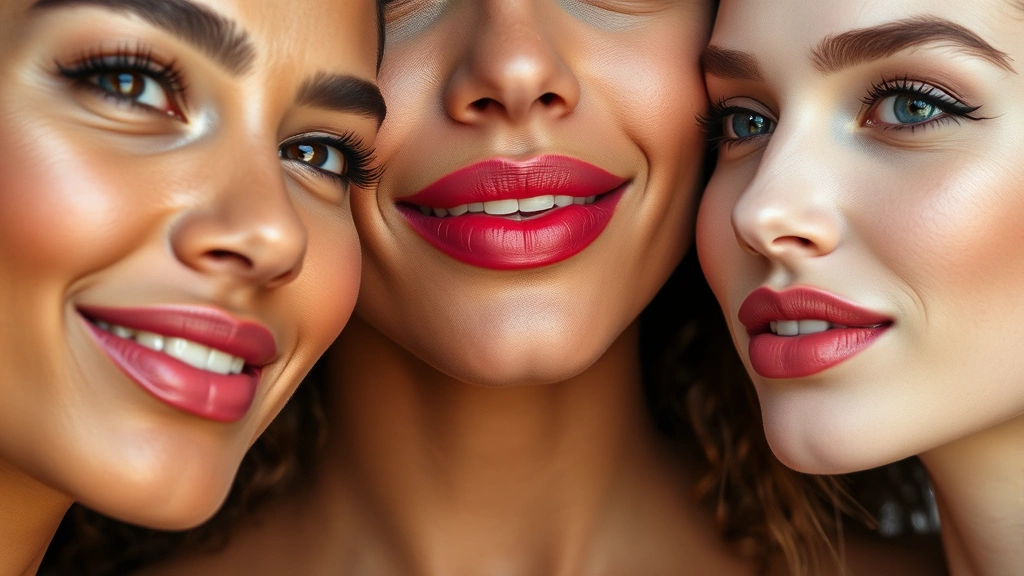
Finding the perfect lipstick shade is an art form that goes far beyond simply grabbing a tube off the shelf. Whether you’re channeling classic Hollywood glamour or embracing modern minimalism, the right lipstick can transform your entire look and boost your confidence. At Blair Fashions, we believe that every skin tone, undertone, and personal style deserves a lipstick match that feels absolutely perfect. This comprehensive guide will walk you through everything you need to know about selecting, applying, and maintaining the best lipstick shades for your unique complexion.
The journey to finding your signature lipstick shade involves understanding your skin’s undertones, considering your lifestyle and preferences, and experimenting with different formulations. From bold reds that make a statement to subtle nudes that enhance your natural beauty, lipstick has the power to express your personality and elevate your makeup routine. We’ll explore how to identify your undertone, discover which colors flatter your skin type, and master application techniques that ensure your lipstick looks flawless from morning to night.
Understanding Your Undertone
Before you can select the best lipstick shades for your complexion, you need to understand your skin’s undertone. Undertone refers to the subtle hue beneath your skin’s surface and remains consistent throughout your life, regardless of sun exposure or seasonal changes. There are three primary undertones: warm, cool, and neutral.
Warm undertones have golden, peachy, or yellow hues. If you have warm undertones, veins on your wrist appear greenish, gold jewelry looks better on you than silver, and you tan easily. Cool undertones feature pink, red, or bluish hues. Cool-toned individuals typically see blue or purple veins, prefer silver jewelry, and may burn rather than tan. Neutral undertones are a balanced mix of both warm and cool, giving you the flexibility to wear almost any lipstick shade successfully.
To determine your undertone accurately, examine the veins on your inner wrist in natural daylight. If they appear green, you’re likely warm-toned. If they look blue or purple, you have cool undertones. If they appear both greenish and bluish, you’re neutral. You can also consider which metals flatter you most—gold suggests warm undertones, while silver indicates cool undertones. Understanding this foundational aspect of your coloring will guide every lipstick selection you make going forward.
Lipstick Shades for Fair Skin
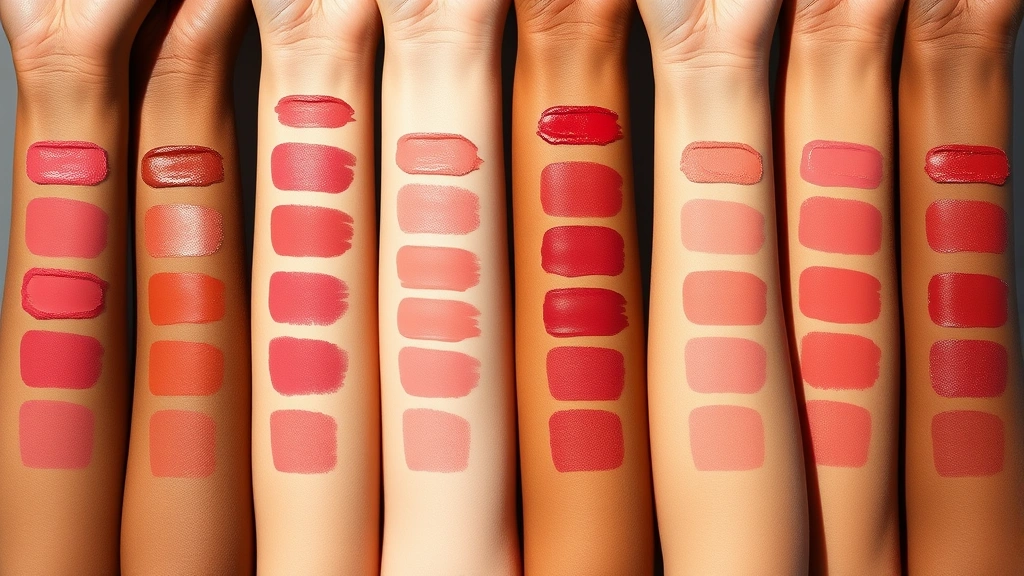
Fair skin tones have a beautiful canvas for lipstick experimentation, and the right shade can create stunning contrast. For fair skin with warm undertones, consider these flattering options: coral-reds, warm pinks, peach tones, and warm berries. These shades complement the golden warmth in your complexion and create a harmonious, glowing appearance. Brands like Allure Magazine consistently recommend warm coral shades for fair warm-toned skin because they brighten the complexion and add vitality.
If you have fair skin with cool undertones, opt for berry shades, cool reds, mauve tones, and cool pinks. These colors harmonize with the pink and blue undertones in your skin, creating a sophisticated and polished look. Cool-toned reds with blue undertones are particularly striking on fair cool skin, offering that classic, timeless appeal. You might also explore plum and wine shades for evening events—they add depth and drama without overwhelming your delicate coloring.
For fair skin with neutral undertones, you’re fortunate to have flexibility across the entire color spectrum. Experiment with both warm and cool shades to discover your personal preferences. Classic reds, nude pinks, and even bold berries all work beautifully. The key is choosing shades that make you feel confident and express your personal style.
Fair skin can sometimes appear washed out with certain lipstick formulas, so focus on pigmented, high-quality options that deliver true color. Matte and satin finishes often work better than sheer glosses for fair complexions, as they provide more noticeable color payoff. When selecting nudes for fair skin, choose warm or cool nudes that match your undertone rather than one-size-fits-all beige, which can look ashy.
Colors for Medium Skin Tones
Medium skin tones are incredibly versatile and can pull off a wide range of lipstick colors beautifully. This range includes olive, golden, or warm tan complexions with warm undertones, and it also encompasses cool-toned mediums with rosy or ashy undertones. The diversity within medium skin tones means that personalization is key.
For medium warm skin, warm reds, burnt oranges, terracotta, warm browns, and warm berries create stunning results. These earthy, warm shades enhance the natural warmth in your complexion and create a cohesive, flattering look. Coral-reds and warm magentas also work beautifully, offering both sophistication and playfulness. Many makeup artists recommend that medium warm-toned individuals explore terracotta and rust shades, as they add richness and dimension to the face.
Medium cool-toned skin looks radiant in cool reds, blue-based berries, mauve, plum, and cool pinks. These shades create beautiful contrast against cool undertones while still maintaining harmony. Dusty rose and wine tones are particularly flattering, offering elegance and depth. True red with blue undertones is also a classic choice that works beautifully on medium cool skin.
Medium neutral skin can explore the entire color wheel with confidence. However, consider whether you want to emphasize warmth or coolness depending on your mood and the occasion. Mixing warm and cool shades can create interesting, personalized looks. For instance, pairing a cool-toned eyeshadow with a warm lipstick creates dynamic contrast.
Medium skin tones often benefit from both matte and glossy finishes. Matte lipsticks provide drama and sophistication, while glossy finishes add shine and dimension. Satin finishes offer a beautiful middle ground, providing color payoff with a subtle sheen. Don’t shy away from trying bold, saturated colors—medium skin tones can handle rich, deep shades beautifully.
Deep and Dark Skin Tone Shades
Deep and dark skin tones are a canvas for absolutely stunning lipstick colors that might seem too bold on other complexions. The richness of dark skin allows for vibrant, saturated colors that create striking, beautiful looks. Understanding whether your deep skin has warm, cool, or neutral undertones will help you narrow down the most flattering options.
For deep warm skin, consider rich warm reds, deep oranges, warm berries, burgundy, and warm chocolate browns. These shades create a cohesive, warm glow that enhances your natural complexion. Copper and bronze-toned lipsticks also look absolutely gorgeous on deep warm skin, offering a unique, luxurious appearance. Warm reds are particularly striking, creating a classic, powerful look that commands attention.
Deep cool-toned skin looks magnificent in cool reds, deep berries, plum, wine, mauve, and cool browns. Blue-based reds are especially stunning, creating rich contrast and sophistication. Deep jewel tones like emerald-inspired shades and cool burgundies also work beautifully. Many makeup artists recommend that cool-toned deep skin explore true red and deeper berry shades for maximum impact.
Deep neutral skin has the advantage of pulling off virtually any lipstick color with confidence. Experiment with both warm and cool shades to discover what makes you feel most beautiful and confident. Bold, saturated colors, nudes, berries, reds, and even unconventional shades like deep browns and plums all work wonderfully on deep neutral skin.
One important note for dark skin tones: traditional “nude” lipsticks often don’t match your complexion. Instead, look for nude shades that are specifically formulated for deeper skin tones, or opt for shades that complement rather than match your skin. Deep warm browns, terracottas, and warm reds can all function as “nude” alternatives that enhance your natural lip color while providing coverage.
Formulation Types and Finishes
The formulation and finish of your lipstick are just as important as the shade itself. Different formulations offer varying levels of pigmentation, longevity, comfort, and aesthetic appeal. Understanding these options helps you choose lipsticks that work for your lifestyle and preferences.
Matte lipsticks provide full color payoff and long-wearing coverage without shine. They create a sophisticated, bold look and are ideal for making a statement. However, matte formulas can sometimes feel drying, so prioritize hydrating lip care and consider using a lip primer. Matte lipsticks work beautifully for evening looks and professional settings.
Satin finishes offer a middle ground between matte and glossy. They provide good color payoff with subtle shine, creating an elegant, refined appearance. Satin lipsticks are versatile for both day and evening wear and typically feel more comfortable than pure matte formulas. They’re an excellent choice if you want color intensity without the potential dryness of matte finishes.
Glossy lipsticks deliver shine and dimension, making lips appear fuller and more plump. They’re comfortable to wear and often feel moisturizing. However, glossy formulas may not provide as much color payoff as matte or satin finishes, and they may require more frequent reapplication throughout the day. Glosses work wonderfully for casual daytime looks and can add glamour to evening styles.
Liquid lipsticks have gained popularity for their long-wearing properties and intense color payoff. Many liquid formulas are transfer-resistant and can last for hours without reapplication. However, some can feel drying, so look for hydrating formulas. Liquid lipsticks are excellent for all-day wear and situations where you need your lipstick to stay put.
Tinted lip balms offer sheer color with the comfort and nourishment of a balm. They’re perfect for everyday wear when you want subtle color and hydration. While they don’t provide dramatic color payoff, they’re ideal for enhancing your natural lip color while keeping lips soft and moisturized.
When selecting formulations, consider your daily activities, climate, and personal comfort preferences. If you work in a professional environment, a long-wearing satin or matte formula might be ideal. For casual days, a tinted balm or glossy finish offers comfort and ease. You should also consider dermatological research on lip care to ensure your chosen formulation won’t compromise your lip health.
Application Techniques for Flawless Results
Even the perfect lipstick shade won’t look its best without proper application technique. Mastering these fundamental skills ensures your lipstick looks polished, lasts longer, and flatters your face.
Prepare your lips by gently exfoliating to remove dead skin and create a smooth surface. Use a soft lip scrub or a damp toothbrush, then apply a hydrating lip balm. Allow the balm to absorb for a few minutes before proceeding. This preparation ensures even color application and prevents lipstick from clinging to dry patches.
Use a lip liner to define your lips and prevent feathering. Choose a liner that matches your lipstick shade or your natural lip tone. Start by outlining your lips, following your natural lip line. You can slightly overline for a fuller appearance, but keep it subtle and natural-looking. Fill in your entire lip with liner to create a base that helps your lipstick last longer and prevents it from settling into fine lines.
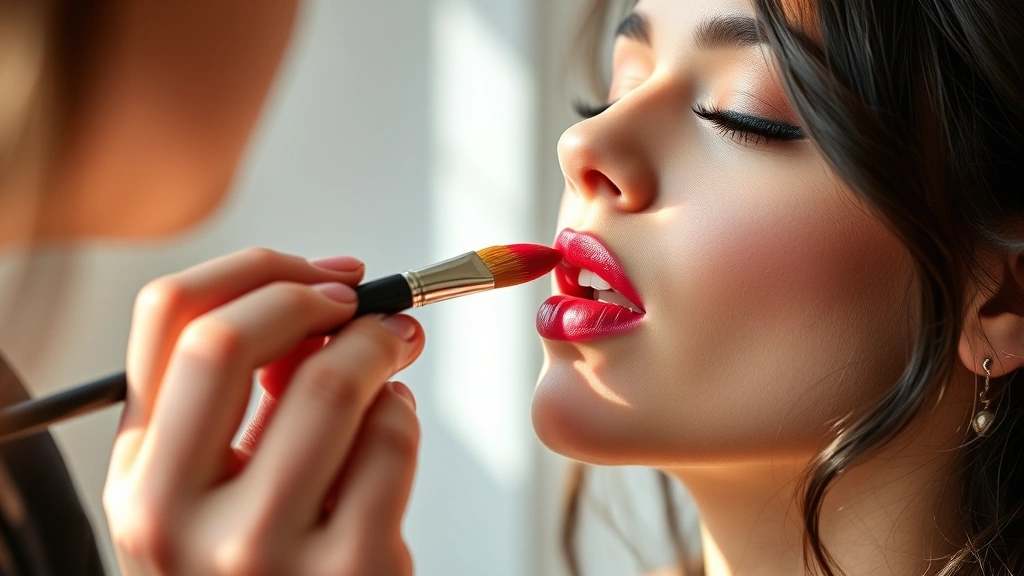
Apply lipstick precisely using a lip brush for the most control. Start at the center of your upper lip and work outward toward the corners. Apply to your lower lip using the same technique. For a more polished look, use a lip brush rather than applying directly from the tube. A brush gives you better control and allows for more precise application, especially if you’re using bold or bright shades.
Blot and layer for longer-wearing color. After your first application, blot your lips on a tissue, then apply a second layer. This technique builds color intensity and helps your lipstick last longer throughout the day. Some makeup artists recommend setting with a light powder to further enhance longevity.
Correct mistakes using a clean lip brush and concealer. If you’ve gone outside your lip line, dip a clean brush in concealer and carefully clean up the edges. This creates a polished, professional appearance. Keep a makeup remover or micellar water nearby for quick corrections.
Consider your overall look when applying lipstick. Bold lip colors work best when you keep your eye makeup more neutral, while lighter lip shades allow for more dramatic eye looks. This balance creates a cohesive, intentional appearance rather than looking overdone.
Seasonal Lipstick Trends
Lipstick preferences often shift with the seasons, influenced by weather, fashion trends, and the colors around us. Understanding seasonal trends helps you refresh your lipstick collection and stay current with beauty fashion.
Spring calls for fresh, light, and playful lipstick shades. Think soft pinks, light corals, peach tones, and warm nudes. Spring lipsticks should feel fresh and youthful, reflecting the renewal associated with the season. Glossy and satin finishes work beautifully in spring, as they add shine and dimension that feels light and airy. Consider exploring current beauty trend reports to see which spring shades are gaining popularity.
Summer embraces bold, vibrant colors and high-shine finishes. Bright reds, warm berries, coral, and even unconventional shades like hot pink work beautifully in summer. Glossy formulas are perfect for summer, as they add shine and glamour. Summer is the time to experiment with bold lip colors that make you feel confident and fun. Consider long-wearing formulas that can withstand heat, humidity, and water exposure.
Fall shifts toward warm, earthy, and sophisticated tones. Think burgundy, warm browns, terracotta, rust, and deep oranges. Matte finishes dominate fall, creating a more serious, sophisticated aesthetic. Fall lipsticks should feel rich and luxurious, reflecting the season’s natural color palette. This is an excellent time to explore deeper berry shades and warm reds with brown undertones.
Winter celebrates bold, dramatic, and cool-toned lipstick shades. Classic reds, deep berries, plum, wine, and even cool browns work beautifully. Matte and satin finishes create a polished, elegant look perfect for winter occasions. Winter allows for experimentation with cooler tones and deeper shades that create striking contrast against pale winter skin or festive holiday looks.
Seasonal trends also reflect fashion and cultural influences. Following Vogue’s beauty coverage can help you stay informed about trending lipstick colors and formulations throughout the year. However, remember that personal preference always trumps trends—wear the lipstick colors that make you feel beautiful and confident, regardless of the season.
The beauty of seasonal lipstick changes is that you don’t need to overhaul your entire collection. Instead, rotate your favorites based on the season, and gradually add new shades that appeal to you. This approach keeps your makeup routine fresh and interesting while respecting your personal style and budget.
FAQ
How do I know if a lipstick shade will look good on me before buying?
Request a sample from beauty counters, or look for swatches on your skin tone online before purchasing. Many beauty retailers offer return policies if a shade doesn’t work out. You can also ask makeup artists for recommendations based on your undertone and skin tone. Taking a photo in natural light with the lipstick swatch against your skin helps you evaluate the color objectively.
What’s the best way to make lipstick last longer?
Use a lip primer, apply lipstick with a brush, blot and layer, and set with powder for maximum longevity. Choose long-wearing formulas like liquid lipsticks or mattes. Keep your lips hydrated and exfoliated so the color adheres smoothly. Avoid eating or drinking immediately after application to prevent the color from transferring.
Can I wear bold lipstick colors during the day?
Absolutely! Bold lipstick during the day creates a confident, fashion-forward look. Balance a bold lip by keeping your eye makeup neutral and simple. Ensure your lipstick is well-applied and complements your outfit. Bold daytime lips work best in professional settings where self-expression is encouraged and in casual social settings.
How should I choose between warm and cool lipstick shades?
Match your lipstick undertone to your skin’s undertone for a harmonious, flattering look. Warm skin tones look best in warm lipstick shades (corals, warm reds, peaches), while cool skin tones are flattered by cool shades (berry, cool red, mauve). If you have neutral undertones, you can wear both with equal success.
What’s the difference between lip liner and lipstick?
Lip liner defines your lip shape and prevents feathering, while lipstick provides color and coverage. Lip liner is typically more concentrated in pigment and comes in a pencil form. Using both together creates a polished, long-wearing look. Lip liner can also be used to fill in the entire lip as a base for lipstick or as a standalone color.
How often should I replace my lipstick?
Replace lipstick every 12-18 months, or sooner if you notice changes in texture, scent, or color. Liquid lipsticks and glosses may last slightly shorter due to their formulation. Store lipsticks in a cool, dry place away from direct sunlight to extend their lifespan. If your lipstick develops an off smell or changes consistency, discard it immediately.
Can I mix different lipstick shades together?
Yes! Mixing lipstick shades creates custom colors and allows you to personalize your look. Apply one shade as a base, then layer another shade on top. You can also use a lip brush to blend two shades directly on your lips. This technique is especially useful for creating unique nudes or adjusting a shade that’s not quite perfect for your complexion.
What should I do if my lipstick feathers or bleeds?
Use a lip liner to prevent feathering before it starts. If feathering occurs, use a clean lip brush with concealer to clean up the edges. Keep blotting tissues nearby for quick corrections throughout the day. Matte lipsticks are less prone to feathering than glossy formulas, so consider this if bleeding is a persistent problem.

Related Posts
Perfect Old Fashioned Donut: Baker’s Secrets
Old Fashioned Chocolate Pie Recipe? Chef’s Favorite