
Top Black Fashion Designers? Industry Insights
Top Black Fashion Designers: Industry Insights and Impact
The fashion industry has been transformed by the visionary work of Black designers who have redefined style, challenged conventions, and created influential collections that resonate globally. From high fashion runways to sustainable streetwear, Black fashion designers have become the architects of contemporary style, bringing authentic perspectives and innovative designs that celebrate culture, identity, and craftsmanship. Their contributions extend far beyond aesthetics—they’ve shaped industry standards, mentored emerging talent, and built billion-dollar brands that command respect on the world stage.
Understanding the landscape of Black fashion designers means recognizing both their groundbreaking achievements and the systemic barriers they continue to navigate. This comprehensive guide explores the most influential designers, their design philosophies, and what makes their work essential to modern fashion. Whether you’re a fashion enthusiast, aspiring designer, or industry professional, these insights will deepen your appreciation for the creative excellence and entrepreneurial spirit driving fashion forward.
Pioneering Icons Who Changed Fashion
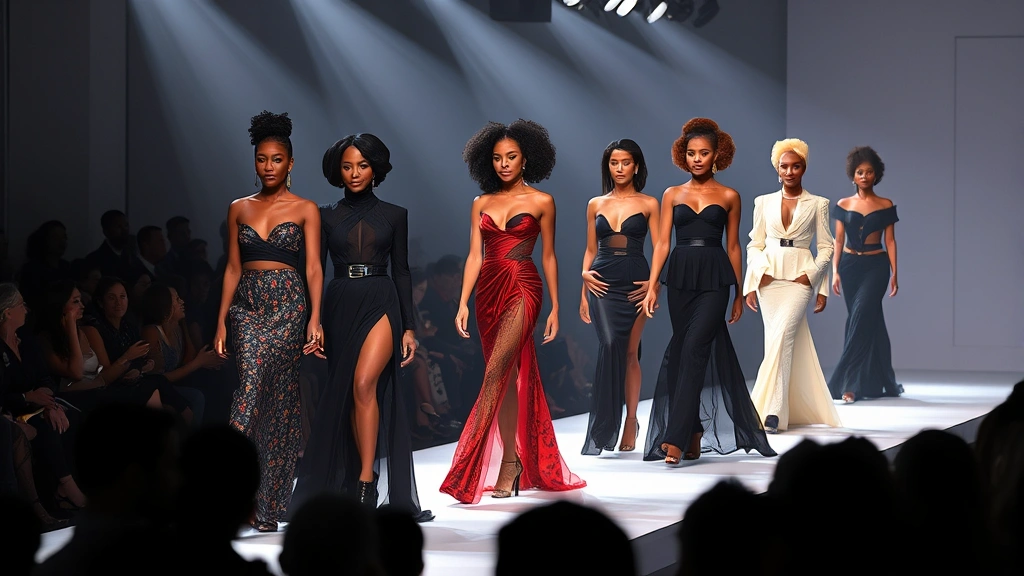
The foundation of contemporary Black fashion design rests on the shoulders of pioneers who dared to imagine themselves in spaces where they weren’t initially welcomed. Designers like Ann Lowe, who created couture gowns for high society despite facing racial discrimination, established a legacy of excellence and perseverance. Her intricate techniques and refined aesthetic influenced generations of designers who followed, proving that talent transcends systemic limitations.
Willi Smith emerged in the 1970s as a revolutionary force, democratizing fashion by creating accessible, high-quality designs that celebrated Black culture and identity. His work emphasized that luxury and cultural pride weren’t mutually exclusive—a principle that continues to guide contemporary Black designers. Similarly, Patrick Kelly brought Parisian haute couture sensibilities infused with African-American cultural references, creating a distinctive visual language that challenged European fashion gatekeepers.
These pioneers didn’t just create clothes; they created pathways. They demonstrated that Black designers could command attention on international runways, secure major brand partnerships, and build loyal customer bases. Their resilience in the face of industry exclusion and their unwavering commitment to their creative vision established the framework that allows today’s Black designers to operate with greater visibility and institutional support.
The impact of these foundational figures extends into every segment of the fashion industry. From haute couture to ready-to-wear, from accessories to footwear, their influence demonstrates that creative excellence transcends categories and that authentic storytelling resonates with audiences worldwide. Their legacies remind us that fashion is ultimately about human connection and cultural expression.
Contemporary Visionaries Leading Today
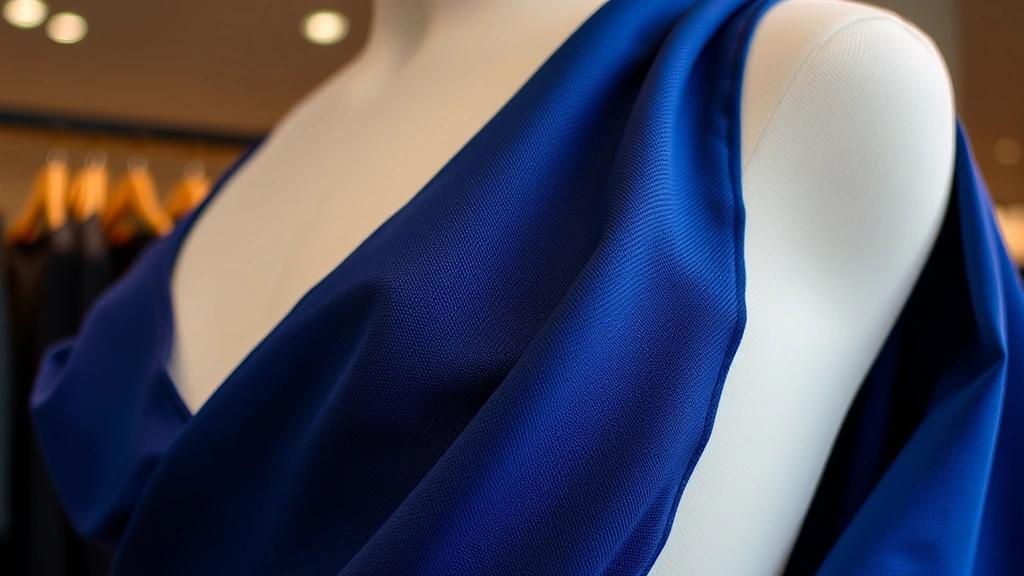
Virgil Abloh revolutionized luxury streetwear and redefined what it means to be a Black designer in the contemporary fashion landscape. As the founder of Off-White and later as Creative Director of Louis Vuitton’s menswear division, Abloh demonstrated that Black designers could occupy the highest echelons of luxury fashion while maintaining their distinct creative voice. His deconstructed aesthetic and emphasis on democratizing design through collaboration created a new template for luxury that felt relevant and accessible.
Kerby Jean-Raymond of Pyer Moss has emerged as a profound voice addressing fashion’s relationship with history, identity, and social justice. His collections function as artistic installations and social commentary, transforming runway presentations into powerful cultural moments. Jean-Raymond’s work exemplifies how Black designers are using fashion as a medium for activism and cultural dialogue, proving that commercial success and meaningful artistic expression aren’t mutually exclusive.
Tracy Reese brings sophisticated elegance and celebration of Black beauty to her designs. Her collections feature bold colors, dynamic patterns, and silhouettes that honor and flatter diverse body types. Reese’s commitment to inclusivity extends beyond size representation to cultural celebration, featuring collaborations with artists and craftspeople from African diaspora communities. This approach has built a loyal customer base that values both aesthetic innovation and cultural authenticity.
Telfar Clemens represents a new generation of Black designers questioning traditional luxury frameworks. The founder of Telfar, Clemens has created an ultra-luxury brand that operates outside conventional gatekeeping mechanisms, using direct-to-consumer sales and digital platforms to build a global following. Their approach to gender-neutral luxury fashion and emphasis on accessibility has attracted a devoted community and demonstrated alternative pathways to fashion success.
Sustainable Fashion Innovators
Black designers are leading the sustainability movement in fashion, recognizing that environmental responsibility and cultural authenticity can work in concert. Sustainable fashion brands are revolutionizing how we think about clothing production, and Black designers are at the forefront of this transformation. Aurora James, founder of Brother Vellies, sources leather and materials directly from African manufacturers, creating jobs while maintaining environmental standards and celebrating African craftsmanship.
Gabriela Hearst, while not exclusively focused on Black designers, has collaborated extensively with Black artisans and designers, demonstrating how luxury sustainability can honor cultural heritage. However, designers like Adesuwa Aighewi are creating their own sustainable brands that center Black narratives. Aighewi’s work combines high fashion sensibilities with ethical production practices, proving that luxury and responsibility aren’t competing values.
The sustainable fashion movement offers particular opportunities for Black designers to reclaim narratives around African materials, traditional craftsmanship, and global trade relationships. Many Black designers are choosing to highlight the provenance of their materials, the stories of their makers, and the cultural significance of their design references. This transparency builds deeper customer relationships and challenges conventional luxury frameworks that often obscure production origins and labor practices.
By emphasizing human-environment interaction through ethical fashion practices, Black designers are creating a new paradigm where environmental stewardship and cultural pride are fundamental to luxury. This approach attracts conscious consumers who value both aesthetics and ethics, creating sustainable business models that prioritize long-term impact over seasonal trends.
Emerging Talents to Watch
The next generation of Black fashion designers includes voices that are pushing boundaries in unexpected directions. Danielle Frankel creates ethereal bridal wear that celebrates Black beauty and love stories, filling a significant gap in the luxury bridal market where Black women have historically been underrepresented. Her work demonstrates how identifying specific market needs can create opportunities for both artistic expression and commercial success.
Anifa Mvuemba, founder of Hanifa, revolutionized the digital fashion space by creating 3D-rendered fashion collections that challenge traditional runway presentations. Her innovative approach to design visualization and direct consumer engagement has attracted major investment and demonstrated that Black designers are leading technological innovation in fashion. Mvuemba’s work shows that the future of fashion includes diverse presentation formats and digital-first approaches.
Theophilio represents a new approach to luxury menswear designed specifically for Black male bodies and aesthetics. Founders Kai Kiddoo and Oliver Sands have created a brand that celebrates Black masculinity while maintaining sophisticated tailoring and premium craftsmanship. Their success demonstrates the market opportunity created when designers authentically address the needs and desires of their own communities.
These emerging designers share common characteristics: they identify specific market gaps, they maintain authentic connections to their communities, and they leverage technology and alternative platforms to reach customers. Their success suggests that the future of Black fashion design includes increasingly diverse business models, presentation formats, and market segments.
Building Brands and Breaking Barriers
Creating a successful fashion brand requires navigating multiple challenges simultaneously: securing funding, building manufacturing relationships, developing distribution channels, and establishing brand identity. For Black designers, these challenges are often compounded by systemic barriers including limited access to capital, underrepresentation in fashion industry networks, and historical exclusion from luxury retail spaces.
Many successful Black designers have overcome these barriers by building direct-to-consumer brands that bypass traditional retail gatekeepers. This approach requires significant digital marketing expertise and customer acquisition investment, but it offers greater creative control and higher profit margins. Brands like Telfar and Hanifa have demonstrated that digital-first strategies can build luxury brand cachet while maintaining independence from traditional fashion institutions.
Strategic partnerships and collaborations have also proven effective for Black designers seeking to expand reach while maintaining creative autonomy. Vogue and other major publications have increasingly featured Black designers and created platforms for emerging talent, though representation gaps remain. Designer collaborations with established brands—whether through capsule collections or creative director roles—provide resources and visibility while allowing designers to establish their independent brands.
The environment and society relationship in fashion increasingly influences brand-building strategies. Designers who articulate clear values around sustainability, ethical production, and cultural authenticity attract both conscious consumers and impact investors. This values-driven approach to brand building has become particularly effective for Black designers whose work often centers cultural pride and community benefit.
The Business of Black Design
Industry data reveals significant disparities in funding and institutional support for Black fashion designers. McKinsey research on diversity in fashion consistently shows that Black designers receive a disproportionately small share of venture capital and brand partnerships, despite producing innovative work that resonates commercially. Understanding these disparities is essential for recognizing both the achievements of successful Black designers and the systemic work required to create genuine equity.
Fashion industry organizations have begun addressing these gaps through mentorship programs, funding initiatives, and visibility campaigns. The CFDA (Council of Fashion Designers of America) has implemented programs specifically supporting Black and minority designers, recognizing that industry diversity requires deliberate institutional action. Similarly, luxury conglomerates like LVMH have created fellowship programs and acquisition strategies that bring Black-founded brands into their portfolio.
The commercial success of Black-designed fashion proves that market demand exists for the work these designers create. Brands like Rihanna’s Fenty, which emphasized inclusive sizing and representation from inception, have achieved massive commercial success while maintaining artistic integrity. Business of Fashion reporting documents how Black designers and founders are increasingly valued by investors who recognize both the social impact and commercial potential of supporting design excellence.
However, commercial success alone doesn’t address systemic inequities. Discussions about Black fashion designers must include conversations about reducing the carbon footprint of fashion production and ensuring that growth doesn’t come at the expense of environmental or social responsibility. Many Black designers are deliberately building sustainable business models that prioritize long-term impact over rapid growth, demonstrating that ethical practices can be competitive advantages.
The future of fashion increasingly depends on the creativity, innovation, and cultural authenticity that Black designers bring to the industry. As consumer preferences shift toward brands with clear values and authentic storytelling, the commercial advantages of supporting Black designers become increasingly evident. Industry institutions, investors, and consumers all have roles to play in ensuring that talent and excellence—regardless of designer identity—receive equitable support and recognition.
FAQ
Who are some of the most influential Black fashion designers currently working?
Contemporary leaders include Virgil Abloh (Off-White, Louis Vuitton), Kerby Jean-Raymond (Pyer Moss), Telfar Clemens (Telfar), Tracy Reese, and Rihanna (Fenty). Emerging talents like Danielle Frankel, Anifa Mvuemba, and the founders of Theophilio are also gaining significant recognition for innovative approaches to luxury fashion.
What challenges do Black fashion designers face in the industry?
Black designers often encounter limited access to venture capital, underrepresentation in major retail partnerships, exclusion from fashion industry networks, and insufficient media coverage compared to white peers. These systemic barriers require deliberate institutional action to address, including funding programs, mentorship initiatives, and committed representation in major fashion publications.
How can consumers support Black fashion designers?
Consumers can support Black designers by purchasing from their brands, following their work on social media, engaging with their content, attending their shows or presentations, and recommending their designs to others. Additionally, advocating for greater representation in fashion retail and media helps create systemic change that benefits all Black designers.
What role do Black designers play in sustainable fashion?
Many Black designers are leading sustainability initiatives by sourcing from African manufacturers, highlighting artisanal craftsmanship, prioritizing ethical production, and creating transparent supply chains. Their work demonstrates that luxury, cultural authenticity, and environmental responsibility can be integrated into cohesive brand identities.
How has technology influenced Black fashion designers?
Technology has enabled Black designers to bypass traditional gatekeepers through direct-to-consumer brands, digital presentation formats (like 3D rendering), social media marketing, and global distribution. Digital platforms have democratized fashion access while allowing designers to maintain creative control and build loyal communities.
What is the commercial potential of supporting Black fashion designers?
Market research demonstrates that Black-designed fashion attracts diverse customer bases, generates significant revenue, and appeals to conscious consumers seeking authentic storytelling and cultural representation. Investment in Black designers represents both ethical commitment and sound commercial strategy as consumer preferences increasingly prioritize values-aligned brands.

Related Posts

Perfect Old Fashioned Donut: Baker’s Secrets

Old Fashioned Chocolate Pie Recipe? Chef’s Favorite