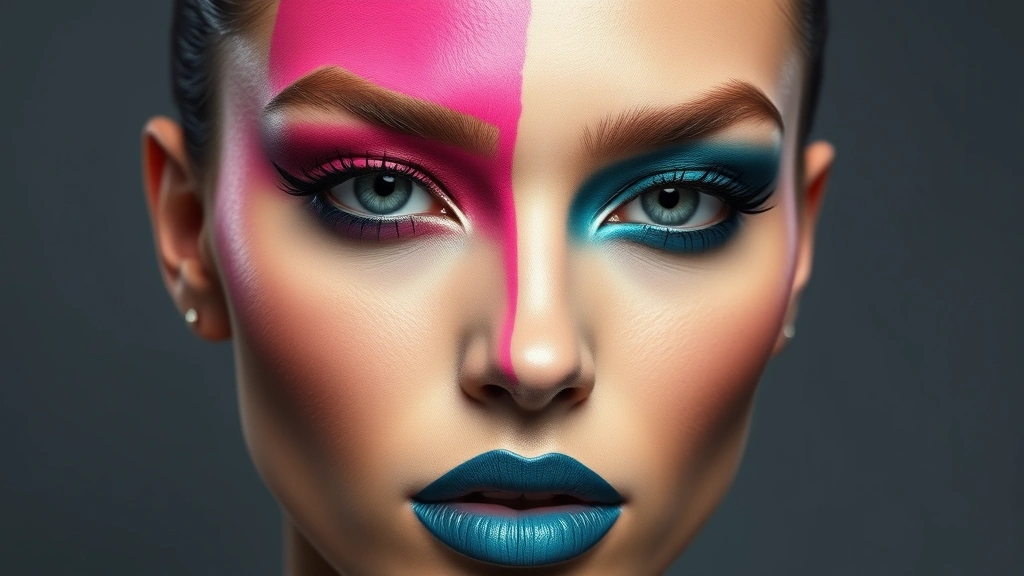
Avant-Garde Makeup Ideas? Expert Insights
Avant-Garde Makeup Ideas: Expert Insights for Bold Beauty
Avant-garde makeup is the ultimate form of creative self-expression, pushing boundaries and challenging conventional beauty standards. Whether you’re preparing for a fashion show, art installation, or simply want to explore makeup as wearable art, avant-garde techniques offer endless possibilities for transformation. This comprehensive guide explores cutting-edge makeup ideas, professional techniques, and expert insights to help you master this daring aesthetic.
The beauty industry has evolved significantly, with makeup artists increasingly viewing their craft as fine art rather than mere cosmetic application. Avant-garde makeup draws inspiration from contemporary fashion, performance art, and experimental design. Understanding how to blend theatrical elements with modern makeup application will elevate your skills and confidence in creating truly transformative looks.
What Defines Avant-Garde Makeup
Avant-garde makeup represents the intersection of fashion innovation and artistic expression, breaking free from traditional beauty norms. According to Beauty Desk Magazine, avant-garde makeup is characterized by experimental techniques, unconventional color combinations, and bold structural designs that challenge viewer expectations. This makeup category embraces asymmetry, exaggeration, and theatrical elements that transform the face into a canvas for artistic vision.
The philosophy behind avant-garde makeup extends beyond aesthetics. It represents a statement about individuality, creativity, and the rejection of mainstream beauty standards. Professional makeup artists working in fashion, film, and performance art utilize avant-garde techniques to create memorable visual experiences. The approach requires understanding both classical makeup fundamentals and the courage to deconstruct them entirely.
True avant-garde makeup often incorporates unexpected materials, unconventional application methods, and conceptual thinking. Rather than enhancing natural features, this style transforms them into something entirely new. The key difference between avant-garde and other makeup styles lies in the intentional disruption of familiar beauty paradigms.
Color Theory and Unconventional Palettes
Mastering color theory is fundamental to creating impactful avant-garde makeup. Unlike traditional makeup that relies on complementary skin tones, avant-garde color palettes often embrace clashing hues, monochromatic extremes, or unexpected color combinations. Understanding the color wheel helps makeup artists make intentional choices that create visual harmony or deliberate discord, depending on the desired effect.
Complementary colors in avant-garde makeup serve different purposes than in conventional beauty. While traditional makeup uses complementary shades to neutralize or enhance, avant-garde applications might amplify contrast for dramatic impact. Consider exploring:
- Monochromatic intensity: Using various saturations of a single color for dimensional depth
- Triadic schemes: Three evenly spaced colors on the wheel for vibrant, balanced looks
- Analogous harmony: Adjacent colors creating cohesive yet bold palettes
- Split-complementary: A color with two colors adjacent to its complement for sophisticated tension
- Neon and metallic combinations: High-impact shades that challenge traditional beauty sensibilities
Professional colorists recommend experimenting with Pantone color forecasting to stay current with emerging trends. Avant-garde makeup often incorporates upcoming seasonal colors before they become mainstream, allowing artists to create forward-thinking looks that resonate with fashion-forward audiences.
Texture and Dimensional Techniques
Texture transforms flat makeup into sculptural art. Avant-garde looks frequently incorporate multiple finishes—matte, glossy, metallic, and textured—across the same face to create visual complexity. Dimensional techniques add depth and movement, making the makeup appear to shift and transform depending on lighting and perspective.
Essential textural elements include:
- Layering matte and glossy finishes: Creates visual interest and catches light differently
- Metallic accents: Foil, dust, or liquid metallics add futuristic dimension
- Velvet and powder textures: Soft finishes create subtle contrast
- Glossy overlays: Strategic shine placement draws attention to specific features
- Textured application: Using sponges, stippling, or dabbing creates organic surface variation
- Dimensional sculpting: Highlighting and contouring pushed beyond natural enhancement
Makeup artists often combine textures to create conceptual storytelling. A half-matte, half-glossy face might represent duality, while layered metallic textures suggest technological advancement. The interplay between finishes becomes part of the artistic narrative.
Geometric and Abstract Designs
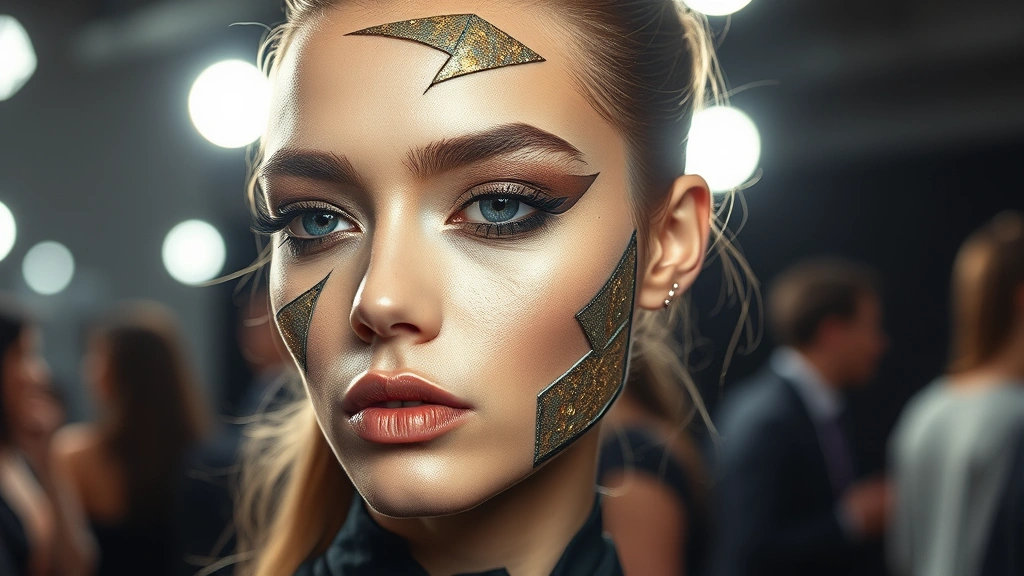
Geometric patterns and abstract designs form the backbone of many avant-garde makeup looks. Clean lines, sharp angles, and symmetrical or deliberately asymmetrical compositions create visual impact that photographs beautifully and commands attention in person.
Popular geometric approaches include:
- Split-face designs: Dividing the face vertically or diagonally with contrasting colors or patterns
- Grid patterns: Precise rectangular or square divisions creating structured complexity
- Circular and organic shapes: Concentric circles, spirals, or flowing abstract forms
- Linear emphasis: Bold lines extending from eyes, lips, or across the entire face
- Negative space utilization: Strategic bare skin within colorful designs creates balance
- Asymmetrical composition: Intentionally unbalanced designs that challenge visual expectations
Creating precise geometric makeup requires steady hands and appropriate tools. Makeup artists recommend using tape, stencils, or digital projections for initial guidelines, then refining with brushes and precise application. The goal is intentional design, whether perfectly symmetrical or deliberately irregular.
Understanding how individual expression interacts with artistic context helps avant-garde makeup artists create designs that resonate emotionally while maintaining visual sophistication.
Prosthetics and Special Effects
Advanced avant-garde makeup frequently incorporates prosthetic elements, creating three-dimensional structures that transform facial architecture. Prosthetics allow makeup artists to build extensions, create exaggerated features, or construct entirely new forms on the face.
Common prosthetic applications include:
- Extended cheekbones: Silicone or foam prosthetics create dramatic facial restructuring
- Lip augmentation prosthetics: Building exaggerated lip shapes and structures
- Nose alterations: Temporary prosthetic noses create fantastical appearances
- Dimensional face pieces: Sculptural elements adhered to the face surface
- Eye socket extensions: Creating alien or otherworldly eye appearances
- Forehead and temple pieces: Adding height or unusual architectural elements
Professional-grade silicone, foam latex, and specialty adhesives ensure prosthetics remain secure throughout wear. Makeup artists working with prosthetics must understand proper application, blending techniques, and removal procedures to protect skin integrity.
Special effects makeup extends beyond prosthetics to include wound simulation, scar creation, and texture application. These techniques, while dramatic, require careful hygiene practices and appropriate products to avoid skin irritation.
Avant-Garde Makeup for Fashion Week
Fashion week showcases represent the pinnacle of avant-garde makeup artistry, where designers and makeup artists collaborate to create cohesive visual narratives. These high-pressure environments demand technical expertise, creative vision, and ability to execute complex designs under time constraints.
Fashion week makeup considerations include:
- Designer collaboration: Understanding the designer’s vision and translating it through makeup
- Model preparation: Working with diverse face shapes and skin tones
- Runway lighting: Creating makeup that translates across various lighting conditions
- Photography requirements: Designing looks that photograph beautifully for digital media
- Durability: Ensuring makeup withstands runway conditions, backstage chaos, and multiple model rotations
- Quick application: Executing complex looks within strict timing windows
- Trend forecasting: Incorporating emerging trends while maintaining timeless appeal
Professional makeup artists preparing for fashion week study trend reports, analyze competitor looks, and develop signature techniques that distinguish their work. Networking within the beauty industry provides opportunities to collaborate with respected designers and build reputation.
According to Vogue Business, makeup trends set during fashion week significantly influence mainstream beauty for the following season, making these showcases crucial for industry-wide innovation.
Tools and Products for Bold Looks
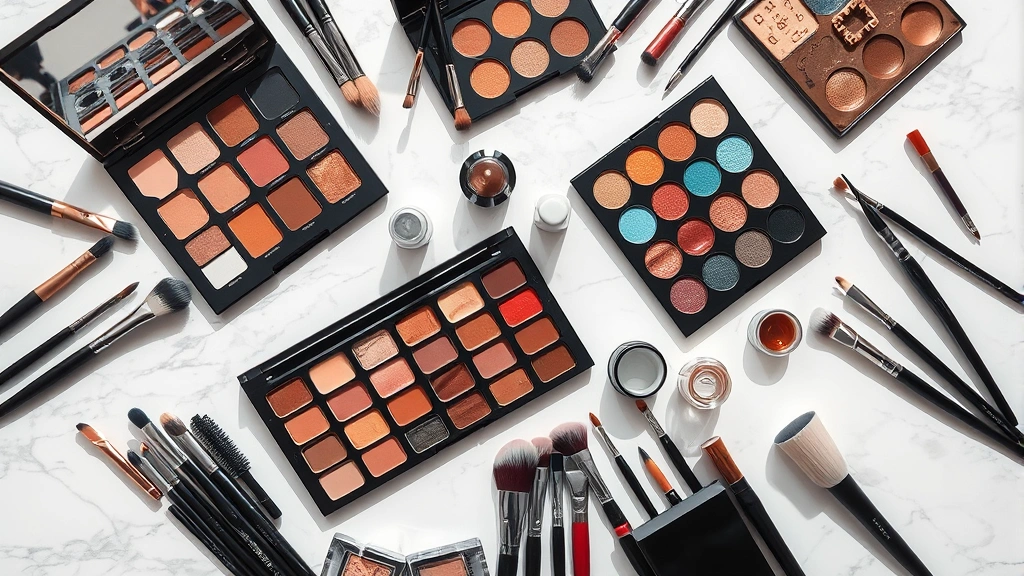
Creating professional-quality avant-garde makeup requires investment in specialized tools and high-performance products. While traditional makeup brushes remain essential, avant-garde work often demands unconventional application methods and professional-grade formulations.
Essential tools include:
- Precision brush sets: Fine-tipped brushes for detailed work and geometric designs
- Sponges: Beauty sponges and textured applicators for varied finishes
- Stencils and guides: Tools for creating precise geometric patterns
- Airbrush systems: For seamless gradient application and flawless base work
- Stippling brushes: Creating texture and dimensional effects
- Makeup setting sprays: Professional-grade formulas ensuring longevity
- Fixative sprays: Protecting finished makeup from smudging and fading
Product selection dramatically impacts avant-garde makeup success. High-pigment eyeshadows, cream-to-powder formulations, and long-wearing foundations provide the base for complex designs. Professional makeup artists often prefer:
- Cream and stick formulations for base work
- Highly pigmented loose pigments and eyeshadows
- Liquid metallic and holographic formulas
- Waterproof and sweat-proof products
- Specialty adhesives for prosthetics and extended wear
Investing in quality products yields better color payoff, blendability, and longevity. Budget-friendly options exist, but professional work often demands premium formulations that withstand demanding conditions.
Professional Application Tips
Mastering application techniques separates amateur attempts from professional-quality avant-garde makeup. Proper technique ensures color accuracy, precise design execution, and polished final results.
Professional application strategies include:
- Primer application: Create smooth base ensuring makeup adhesion and longevity
- Color layering: Build intensity gradually rather than applying single heavy coat
- Blending mastery: Seamlessly transition colors or deliberately maintain sharp edges depending on design
- Light and shadow understanding: Use highlights and contours to enhance or diminish facial features
- Symmetry or intentional asymmetry: Make conscious choices about facial balance
- Setting techniques: Use powder, spray, or specialized products to ensure makeup longevity
- Final touches: Add dimension with highlights, adjust intensity, and ensure flawless execution
Practice builds muscle memory and confidence. Avant-garde makeup artists recommend creating looks repeatedly, photographing results, and analyzing what works. Understanding how personal artistic vision interacts with audience perception helps refine your approach and develop signature techniques.
Professional makeup artists working in avant-garde spaces often complete specialized training programs, attend workshops with industry leaders, and continuously study emerging techniques. According to the Makeup Designers Association, ongoing education distinguishes exceptional artists from casual practitioners.
Networking with other makeup artists, attending industry events, and building a strong portfolio accelerates professional growth. Social media platforms provide opportunities to showcase work, gain followers, and attract potential clients seeking avant-garde expertise.
FAQ
What’s the difference between avant-garde and editorial makeup?
Editorial makeup enhances natural features with artistic flair while maintaining recognizable beauty standards. Avant-garde makeup deliberately challenges and deconstructs these standards, prioritizing conceptual creativity over conventional aesthetics. Editorial looks typically remain wearable in professional contexts, while avant-garde designs embrace complete transformation and artistic experimentation.
How do I make avant-garde makeup last all day?
Professional setting sprays, waterproof formulations, and proper priming create lasting avant-garde makeup. Apply primer to entire face, use long-wear products, set with powder strategically, and finish with fixative spray. For extended wear, consider airbrush application for seamless base that resists smudging. Retouch kits carried throughout the day help maintain look integrity.
Can I create avant-garde makeup with drugstore products?
Yes, though professional-grade products offer superior pigmentation and longevity. Drugstore alternatives work for learning techniques and practicing designs. As your skills develop and you take on professional work, investing in higher-quality products becomes worthwhile for better color accuracy and performance under demanding conditions.
What’s the best way to learn avant-garde makeup techniques?
Online tutorials, makeup courses, and hands-on workshops with professional artists accelerate learning. Practice regularly, study trend-setting makeup artists’ work, and experiment fearlessly. Building a portfolio through personal projects, collaborating with photographers, and assisting established makeup artists provides practical experience and industry connections.
How do I choose avant-garde designs that suit my face shape?
While avant-garde makeup intentionally challenges convention, strategic design placement can enhance or minimize certain features. Study how light, color, and geometric shapes interact with different face structures. Asymmetrical designs work beautifully on most face shapes, while strategic placement of highlights and shadows can emphasize or downplay specific areas. Experimentation reveals what resonates with your unique features.
Are there professional certifications for avant-garde makeup artists?
Several organizations offer professional certifications including theatrical makeup, special effects, and advanced makeup design. Programs through accredited beauty schools provide structured education. Additionally, many established makeup artists mentor aspiring professionals through apprenticeships, offering real-world training and industry connections that formal certification alone cannot provide.

Related Posts

Perfect Old Fashioned Donut: Baker’s Secrets
Old Fashioned Chocolate Pie Recipe? Chef’s Favorite