Avant Garde Makeup Looks: Designer Insights
Avant Garde Makeup Looks: Designer Insights
Avant garde makeup represents the intersection of artistry, fashion, and fearless self-expression. Unlike conventional beauty standards, avant garde makeup embraces bold experimentation, unconventional color palettes, and architectural design principles that transform the face into a living canvas. These looks extend far beyond everyday cosmetics—they’re wearable art pieces that challenge perceptions and celebrate individuality. From haute couture runways to editorial photoshoots, avant garde makeup tells stories through pigment, texture, and imaginative application techniques that push creative boundaries.
Designers and makeup artists collaborate to create looks that complement fashion collections while making independent artistic statements. The beauty of avant garde makeup lies in its rejection of uniformity; each look is deliberately different, often asymmetrical, and designed to provoke thought and conversation. Whether you’re interested in creating these looks yourself or simply understanding the artistry behind them, this guide explores designer insights, application techniques, and the philosophy that drives avant garde beauty forward.
Understanding Avant Garde Makeup Philosophy
Avant garde makeup exists as a rebellion against traditional beauty norms. The word “avant garde” literally translates to “before the guard,” suggesting these looks are ahead of mainstream aesthetics. This philosophy embraces asymmetry, unexpected color combinations, and structural complexity that challenge viewers to reconsider what makeup can accomplish. Unlike everyday makeup focused on enhancement and balance, avant garde makeup prioritizes impact, conceptual depth, and artistic vision.
The foundation of avant garde makeup philosophy rests on the principle that the face is not a surface to be perfected but rather a medium for creative expression. Makeup artists working in this space view themselves as sculptors and painters simultaneously, using the three-dimensional landscape of facial features as their primary tool. This approach allows makeup to interact with light, shadow, and movement in dynamic ways that flat surfaces cannot achieve.
Designers frequently incorporate avant garde makeup into their collections to communicate brand identity and artistic direction. When you explore design philosophy resources, you’ll find that many contemporary fashion houses treat makeup as integral to their creative vision rather than an afterthought. The makeup becomes part of the garment itself, extending the designer’s narrative from fabric to face.
Understanding this philosophy requires abandoning the idea that makeup should be subtle or “natural-looking.” Instead, avant garde makeup celebrates visibility, deliberateness, and artistic intention. Every brushstroke, every color choice, and every dimensional element serves the larger artistic concept. This mindset shift is crucial whether you’re creating these looks or analyzing them from a fashion perspective.
Color Theory and Unconventional Palettes
Color selection in avant garde makeup follows sophisticated color theory principles while simultaneously breaking traditional beauty rules. Designers and makeup artists study complementary colors, analogous relationships, and chromatic contrasts to create palettes that feel intentional rather than random. However, the key difference from conventional makeup is the willingness to use colors in unexpected ways and combinations.
Unconventional palettes might include chartreuse paired with deep burgundy, silver metallics combined with matte blacks, or unexpected pastels placed against skin tones in ways that create visual tension. This approach requires understanding how colors interact with undertones, how pigments appear under different lighting conditions, and how the human eye processes color relationships. Many avant garde looks deliberately create visual dissonance—the palette shouldn’t feel comfortable, and that discomfort is precisely the point.
Professional makeup artists working on fashion editorial projects often create custom color combinations specifically for photoshoots. They consider how colors will translate through camera lenses, how lighting will affect saturation and vibrancy, and how the final image will appear in print or digital formats. This technical knowledge separates amateur experimentation from professional avant garde makeup design.
When selecting products for unconventional palettes, consider investing in professional-grade pigments and loose eyeshadows that offer greater color variety than standard palettes. Cream bases, liquid metallics, and pigment-heavy formulations provide the intensity and dimensional quality that avant garde looks demand. The color theory principles underlying visual design interaction apply equally to makeup artistry.
Geometric and Architectural Design Principles
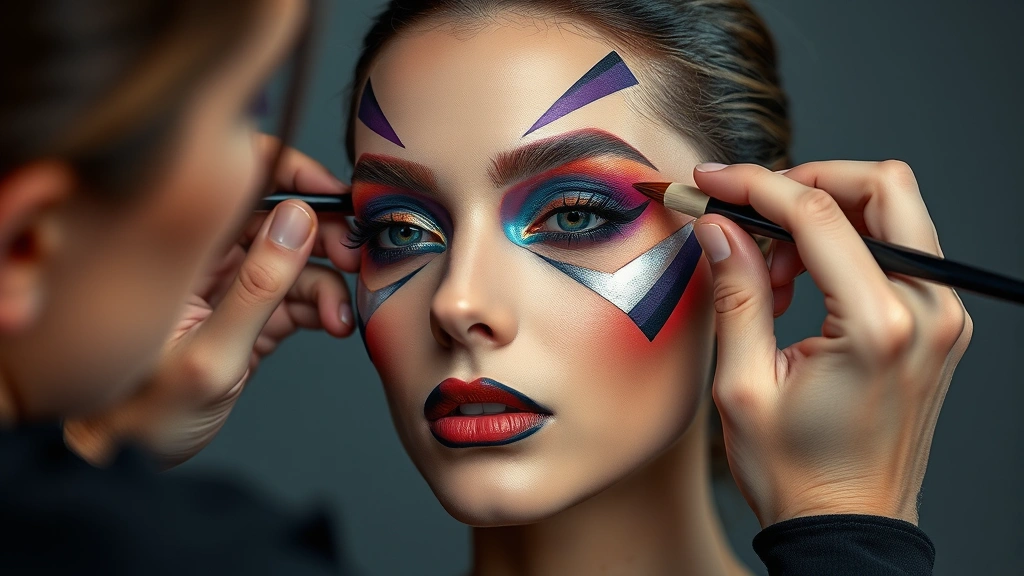
Many avant garde makeup looks incorporate geometric shapes and architectural elements that transform the face into a structured composition. Clean lines, precise angles, and deliberate symmetry (or intentional asymmetry) create visual interest that goes beyond traditional makeup application. These designs might include sharp graphic eyeliner shapes, geometric face painting, or three-dimensional sculptural elements created through contouring and highlighting.
Designers frequently reference architectural movements and geometric art when conceptualizing avant garde makeup for collections. A designer might draw inspiration from brutalist architecture, creating harsh lines and stark contrasts, or from art deco movements, incorporating symmetrical patterns and metallic accents. This intellectual foundation elevates makeup from cosmetic enhancement to conceptual art.
The application of geometric principles requires precision tools and steady hands. Many professional makeup artists use stencils, tape, or freehand techniques refined through years of practice. The goal is creating clean, intentional lines that feel deliberate rather than accidental. Even when asymmetry is the design choice, that asymmetry should appear calculated and purposeful.
Architectural elements might extend beyond the face itself, incorporating the neck, shoulders, or even the entire upper body. This expanded canvas allows designers to create cohesive visual narratives that complement garment design. The makeup becomes an extension of the clothing rather than a separate element, creating unified artistic statements.
Designer Collaboration and Runway Trends
Fashion designers collaborate closely with makeup artists to ensure that makeup aligns with collection concepts and enhances garment aesthetics. These collaborations often begin during the design process itself, with makeup artists consulted alongside fabric specialists and pattern makers. The most successful avant garde makeup looks emerge from this integrated creative process where fashion and beauty inform each other.
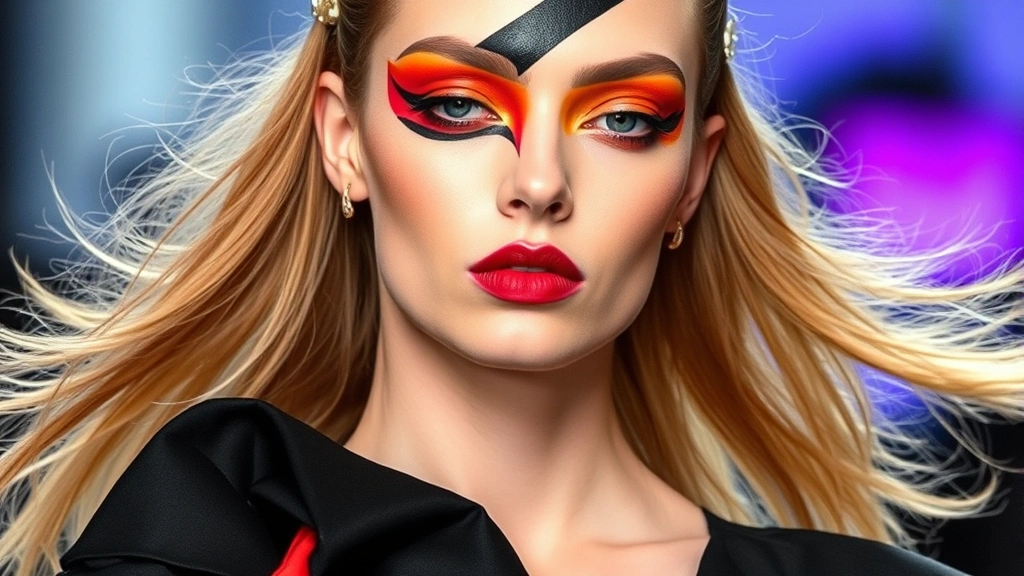
Runway trends in avant garde makeup shift seasonally, reflecting broader fashion movements and cultural conversations. Recent seasons have featured looks emphasizing sustainability and minimalism, while others celebrate maximalism and theatrical expression. Designers use makeup to communicate their perspective on contemporary issues, whether addressing environmental concerns, gender expression, or cultural identity. Understanding how designers define their creative environment helps explain why certain aesthetic choices emerge in specific seasons.
Major fashion houses like Schiaparelli, Alexander McQueen, and Iris van Herpen consistently push makeup boundaries with their collections. Their makeup collaborators—often renowned artists like Charlotte Tilbury, Val Garland, or James Kaliardos—bring distinctive perspectives that elevate runway presentations. Following these designer-artist partnerships provides inspiration and insight into emerging trends.
Makeup trends from high-fashion runways gradually filter into editorial photography, social media, and eventually mainstream beauty culture. However, authentic avant garde makeup maintains its experimental spirit rather than becoming diluted through mass-market adoption. The most interesting looks often remain exclusive to their original context, celebrated for their originality rather than their wearability.
” alt=”Professional makeup artist applying bold geometric avant garde design with metallic pigments and precise brushwork on model’s face”>
Tools and Product Selection for Avant Garde Looks
Creating authentic avant garde makeup requires investing in professional-quality tools and products that offer precision, pigment intensity, and versatility. Unlike everyday makeup focused on blending and subtle enhancement, avant garde looks demand products that make bold statements and maintain their integrity throughout wear.
Essential tools include various brush sizes and shapes—flat brushes for geometric designs, round brushes for dimensional work, and specialized tools for creating texture and dimension. Many professional artists use unconventional tools like sponges, stippling brushes, or even household items to achieve specific effects. The key is having options that allow creative expression without limitation.
Product selection should prioritize pigment concentration and color variety. Professional-grade eyeshadows, often available through beauty supply retailers, offer significantly more intense colors than mass-market alternatives. Cream and liquid products provide different application possibilities than powders, allowing artists to layer, blend, or create stark contrasts depending on the design concept. Metallic pigments, holographic formulations, and specialty finishes expand creative possibilities exponentially.
Foundation selection for avant garde looks differs from conventional approaches. Rather than seeking perfect coverage and skin-tone matching, many avant garde designs use foundation strategically as part of the overall composition. Some looks embrace visible texture or intentionally contrast foundation tones with surrounding makeup elements. This requires viewing foundation as a creative tool rather than a corrective product.
Investing in quality products pays dividends in terms of color payoff, durability, and creative control. Budget-friendly alternatives might work for everyday makeup, but professional-grade products provide the intensity and performance that avant garde designs demand. Building a comprehensive collection allows experimentation without compromising final results.
Step-by-Step Application Techniques
Creating avant garde makeup follows a different process than conventional beauty routines. Rather than beginning with a base and working toward a polished finish, many avant garde looks start with a concept and build outward from that artistic vision.
Step 1: Conceptualization and Sketching
Before touching makeup products, sketch your design. Even rough sketches clarify your vision and identify potential challenges. Consider color placement, geometric elements, and how the design will interact with facial features. This planning stage prevents mistakes and ensures your final look matches your creative intention.
Step 2: Skin Preparation
Proper skin preparation ensures makeup applies smoothly and lasts throughout wear. Use primer suited to your skin type, applying it evenly across the face. Some avant garde looks benefit from colored primers that influence how overlying makeup appears. For looks involving textured elements or mixed media, consider using a tacky primer that helps materials adhere securely.
Step 3: Base Application
Apply base products strategically rather than uniformly. Some avant garde designs intentionally show skin texture or use foundation as a compositional element rather than complete coverage. Consider whether your design benefits from full coverage or selective application that creates visual interest through texture variation.
Step 4: Color Blocking
Begin placing your primary colors in their designated areas. Use bold, confident strokes rather than tentative application. Avant garde makeup celebrates visibility, so don’t shy away from saturated colors and prominent placement. This stage establishes the overall color composition and allows you to assess balance and contrast.
Step 5: Geometric Definition
Add geometric elements, lines, and shapes that provide structure to your design. Use brushes suited to creating clean edges, and consider using tape or stencils if freehand precision feels challenging. These architectural elements transform color application into intentional design.
Step 6: Dimensional Elements
Layer metallics, highlights, and textured products to create dimension. This stage adds depth and visual interest, transforming flat color application into three-dimensional art. Consider how light will interact with different finishes and textures.
Step 7: Final Details and Refinement
Add final details, refine edges, and ensure all elements work cohesively. Step back periodically to assess the overall composition and make adjustments as needed. The final stage involves critical evaluation and refinement rather than additional complexity.
Texture, Dimension, and Mixed Media
Advanced avant garde makeup incorporates texture and three-dimensional elements that extend beyond traditional makeup application. These techniques transform the face into sculptural art rather than a two-dimensional canvas.
Textural elements might include:
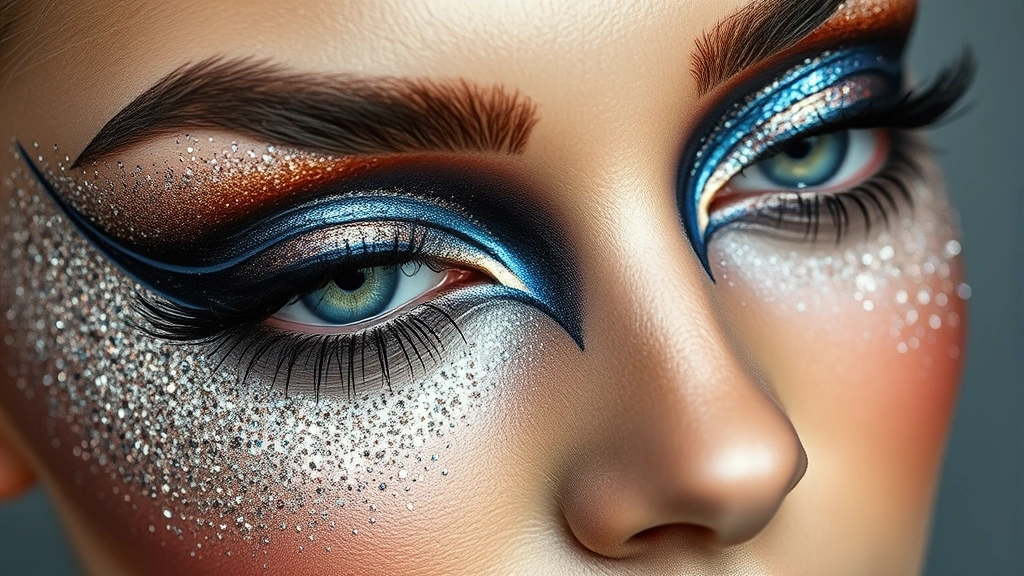
- Glitter and sparkle—applied strategically for emphasis rather than overall coverage
- Dimensional pigments—creating raised or recessed visual effects
- Cream and powder combinations—layering different formulations for varied texture
- Sculpting and contouring—using shadow and highlight to create architectural structure
- Matte and glossy finishes—combining products with contrasting sheens for visual interest
Mixed media approaches incorporate non-traditional makeup materials. Some designers experiment with face paint, body paint, temporary tattoos, gems, or adhesive elements that create sculptural effects. These approaches require understanding material properties, adhesion, and safety considerations for skin application. Professional makeup artists often research and test materials extensively before incorporating them into designs.
Dimensional makeup creates visual depth through strategic placement of light and dark values, glossy and matte finishes, and raised or recessed elements. Rather than flattering facial features, these techniques deliberately emphasize or distort features as part of the artistic concept. Understanding how light interacts with different textures and finishes allows artists to create sophisticated dimensional effects.
Texture also serves practical purposes in avant garde makeup. Matte finishes might prevent unwanted shine in certain areas, while glossy finishes draw attention to specific features. Grainy or sparkly textures create visual interest and catch light dynamically. These choices should always serve the overall artistic concept rather than occurring randomly.
” alt=”Close-up of avant garde makeup featuring mixed metallic textures, dimensional glitter application, and contrasting matte elements creating sculptural face art”>
FAQ
What’s the difference between avant garde makeup and regular theatrical makeup?
While theatrical makeup focuses on enhancing visibility under stage lighting and conveying character, avant garde makeup prioritizes artistic expression and conceptual depth. Theatrical makeup traditionally aims for clarity and character definition, whereas avant garde makeup embraces abstraction, ambiguity, and artistic interpretation. Avant garde looks often challenge viewers to interpret meaning rather than communicate clear narratives.
Can I create avant garde makeup looks at home?
Absolutely! While professional artists have extensive training and experience, anyone can experiment with avant garde makeup concepts at home. Start with simple geometric designs, gradually incorporating more complex elements as your skills develop. Professional-grade products help, but creativity and willingness to experiment matter more than expensive tools. Practice building your technical skills through tutorials and experimentation.
How do I choose colors for avant garde makeup if I’m unsure about color theory?
Begin by studying color relationships in fashion editorials and runway shows. Notice which color combinations appeal to you and why. Experiment with complementary colors (opposites on the color wheel), analogous colors (neighbors on the color wheel), and triadic combinations. Trust your instincts—if a color combination feels intentional and deliberate, it likely works for your design even if it breaks traditional rules.
What products work best for long-wearing avant garde makeup?
Professional-grade primers, waterproof formulations, and setting sprays extend wear time significantly. Cream products often last longer than powders, though layering both creates durability. Setting sprays specifically formulated for theatrical or editorial makeup provide superior hold compared to everyday setting sprays. Consider your design’s specific needs—geometric looks benefit from products with clean edges, while dimensional looks require products that maintain their texture and finish throughout wear.
How do designers decide what makeup will accompany their collections?
Designers typically begin with a conceptual framework or theme for their collection. They consider how makeup can enhance, extend, or challenge that concept. Collaborations with makeup artists involve discussions about color palettes, the role of makeup in the overall narrative, and how makeup will photograph for editorial coverage. The most successful collaborations treat makeup as equally important as garment design rather than an afterthought.
Where can I find inspiration for avant garde makeup designs?
Fashion editorials, runway shows, and beauty publications like Vogue and W Magazine showcase cutting-edge makeup artistry. Follow professional makeup artists on social media, study museum exhibitions featuring body art and performance art, and explore contemporary art movements. Books on makeup artistry by renowned professionals provide technical guidance and conceptual inspiration. Additionally, resources examining different creative environments help understand contexts where avant garde aesthetics flourish.
Is avant garde makeup appropriate for everyday wear?
While avant garde makeup originated in high fashion and artistic contexts, individual elements can be adapted for everyday wear. A geometric eyeliner design, unexpected color combination, or dimensional eyeshadow application brings avant garde sensibility to daily makeup without requiring full commitment to extreme looks. Avant garde makeup celebrates personal expression, so wearing elements that resonate with your artistic vision is entirely appropriate regardless of context.
How do makeup artists develop the skills needed for avant garde work?
Professional development typically involves formal training through makeup artistry programs, apprenticeships with established artists, and extensive personal practice. Many professional makeup artists study fine arts, fashion design, or related fields before specializing in makeup. Continuous education through workshops, online tutorials, and industry conferences keeps skills current with emerging trends. Most importantly, successful avant garde makeup artists maintain curiosity, experiment regularly, and study diverse artistic disciplines beyond makeup alone.

Related Posts

Perfect Old Fashioned Donut: Baker’s Secrets
Old Fashioned Chocolate Pie Recipe? Chef’s Favorite