Roaring 20s Makeup Trends? Expert Insights
Roaring 20s Makeup Trends: Expert Insights on Vintage Glamour
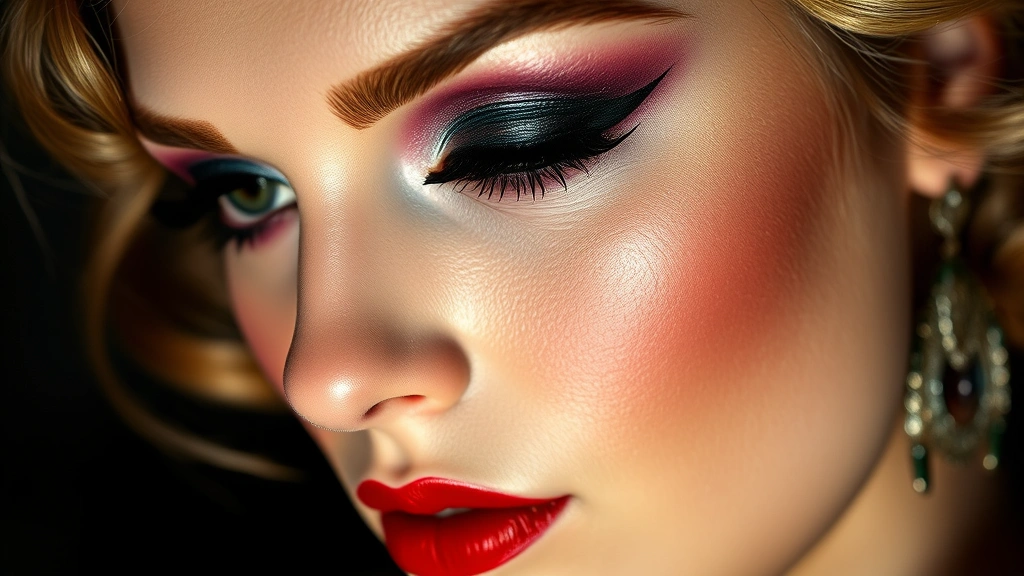
The 1920s remain one of the most iconic eras in beauty history, representing a dramatic shift from the conservative aesthetics of previous decades. This transformative period introduced bold makeup techniques, daring color choices, and a liberating approach to self-expression that continues to influence modern beauty trends today. Whether you’re a makeup enthusiast, costume designer, or simply curious about vintage glamour, understanding the authentic techniques and products of the roaring twenties opens a window into how fashion and beauty intersected during this revolutionary time.
The flapper movement didn’t just change fashion—it revolutionized makeup application, color theory, and beauty standards entirely. Women began experimenting with dramatic eye makeup, bold lips, and sculpted features in ways that would have been considered scandalous just years before. This article explores the genuine makeup techniques, products, and trends that defined the era, providing you with expert insights on recreating these looks authentically today.
The Evolution of 1920s Makeup Philosophy
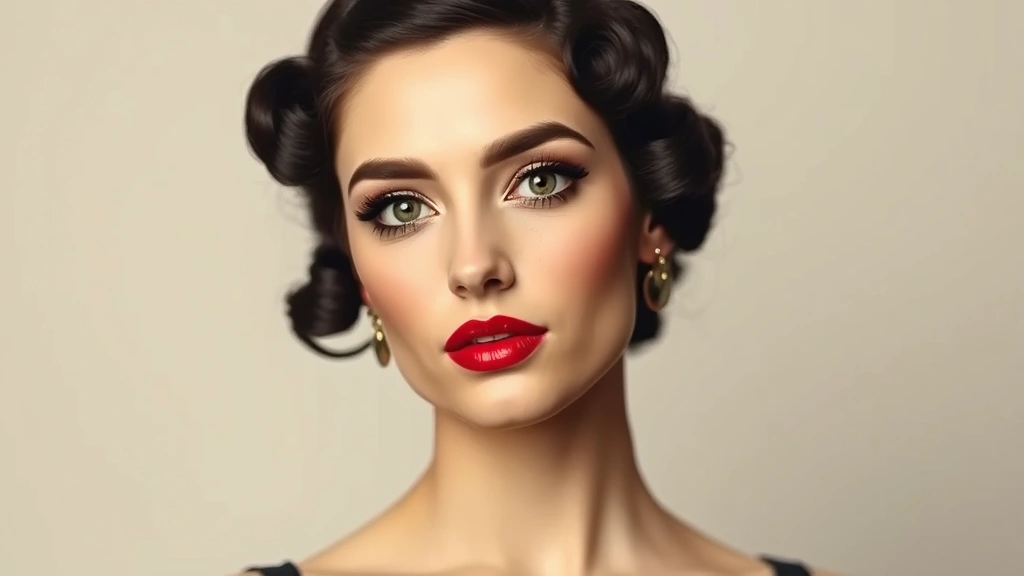
The transition from Victorian and Edwardian beauty standards to 1920s glamour represented nothing short of a cosmetic revolution. In previous eras, makeup was often viewed with suspicion or reserved for theatrical performances and women of questionable reputation. The roaring twenties shattered these conventions, making makeup a symbol of modernity, independence, and youth.
This era embraced what beauty historians call the “modern woman” aesthetic. Young women, particularly flappers, used makeup to signal their rejection of traditional gender roles and their embrace of contemporary culture. The makeup of this period wasn’t about enhancing natural beauty subtly—it was about creating an entirely new aesthetic that emphasized geometric shapes, dramatic contrast, and bold color choices.
Interestingly, the beauty industry during this period saw explosive growth as makeup became more accessible and socially acceptable. Department stores began dedicating entire sections to cosmetics, and beauty magazines proliferated, offering tutorials and trend reports that influenced women across America and Europe.
The philosophy behind 1920s makeup centered on creating the illusion of a smaller face with prominent, expressive eyes. This wasn’t accidental—it reflected the cultural fascination with youthfulness and the “baby-faced” look that dominated the decade. Makeup application became an art form requiring skill, patience, and understanding of color theory.
Eye Makeup: The Defining Feature
The eyes were unquestionably the focal point of 1920s makeup artistry. Makeup artists and beauty experts of the era understood that dramatic eye makeup could completely transform the face, and they leveraged this knowledge to create some of the most recognizable looks in beauty history.
Kohl and Liner Application
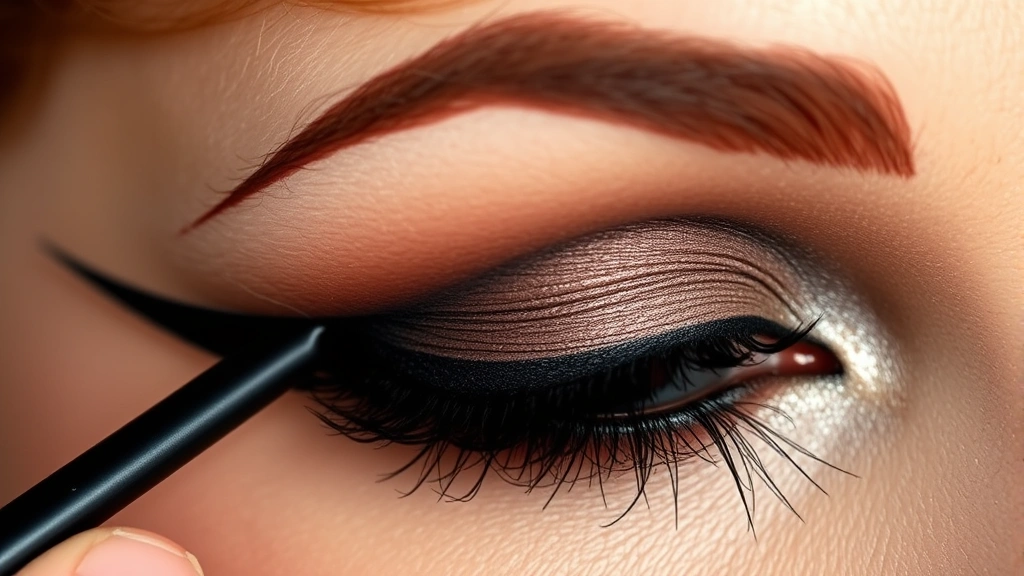
The most striking characteristic of 1920s eye makeup was the prominent use of kohl pencil and dark eyeliner. Women applied thick lines along the upper lash line and often extended them into dramatic wings or cat-eye shapes. The lower lash line received equal attention, with many women creating a complete dark frame around the eye. This technique made eyes appear larger and more expressive, perfectly aligned with the decade’s aesthetic preferences.
Kohl pencils were typically applied in deep black or dark brown shades. The application was deliberate and graphic—precision wasn’t always the goal, but rather impact and drama. Some women even extended the liner slightly beyond the outer corner of the eye, creating an elongated, almond-shaped appearance that became synonymous with flapper beauty.
Eyeshadow Colors and Techniques
Eyeshadow in the 1920s was often monochromatic or limited to two complementary shades. Popular colors included deep purples, teals, greens, and bronze tones. The application technique differed significantly from modern methods—rather than blending multiple shades with brushes, women typically used their fingertips to apply powder eyeshadow in concentrated areas.
The most common application placed darker shadow directly on the eyelid, sometimes extending slightly into the crease to create definition and depth. Shimmer wasn’t as prevalent as it is today, though some formulations contained subtle iridescence. The finish was typically matte or satin, creating a sophisticated, refined appearance.
Beauty experts of the era often recommended applying eyeshadow in a specific way to create the illusion of a smaller face. Shadow was sometimes applied to the inner corner of the eye and blended outward, creating a subtle lifting effect. This technique, while subtle, contributed significantly to the overall aesthetic.
Mascara and Lashes
Mascara in the 1920s was quite different from modern formulations. The most common product was cake mascara, applied with a damp brush. Women would wet the brush, work it into the cake formula, and carefully apply it to the upper lashes. The result was typically less voluminous than modern mascara but provided noticeable definition and darkening.
False lashes became increasingly popular as the decade progressed. These weren’t the dramatic false lashes of modern times but rather subtle enhancements that added length and fullness. Many women combined natural lashes with false lashes, creating a more dramatic effect for evening or special occasions. The lashes were often applied with such care that they appeared almost natural, blending seamlessly with the wearer’s own lashes.
Lip Color and Application Techniques
Lip color in the 1920s was bold, uncompromising, and instantly recognizable. The iconic “cupid’s bow” lip shape became the standard of beauty, and women spent considerable time perfecting their lip application to achieve this distinctive look.
Signature Lip Shapes
The cupid’s bow lip required careful application and sometimes involved drawing the lips slightly smaller than their natural size or reshaping them entirely. Women used lip pencils to create defined lips with sharp edges, then filled them in with lipstick. The result was a precise, graphic lip shape that became the hallmark of 1920s beauty.
Some women took lip reshaping further, creating lips that appeared fuller in the center and tapered toward the corners. This technique required skill and understanding of facial proportions. Many women practiced extensively to master the technique, and beauty salons offered lip shaping services to help women achieve the desired look.
Lipstick Colors
The color palette for lips in the 1920s was surprisingly diverse, though certain shades dominated. Deep reds were perhaps the most iconic, ranging from true red to burgundy and wine tones. However, women also wore plum, coral, and even brown-toned lipsticks depending on their skin tone and the occasion.
The finish was typically matte or satin, with a rich, opaque color that provided strong coverage. Glossy finishes existed but were less common than in modern times. The lipstick formula was often quite dry by today’s standards, requiring regular application throughout the day and careful blotting to maintain definition.
Application technique involved using a lip brush to create precise lines and fill in the lips carefully. Women often applied multiple thin layers to build color intensity and ensure even coverage. The edges were kept sharp and defined, never blurred or softened as in some modern techniques.
Foundation and Complexion
While eye and lip makeup received the most attention in 1920s beauty culture, foundation and complexion work were equally important to achieving the era’s distinctive aesthetic. The goal was a smooth, porcelain-like complexion with minimal visible texture or blemishes.
Foundation Types and Application
Foundation in the 1920s came in several forms: powder, cream, and grease paint. Powder foundation was applied over a moisturizing base and provided a matte finish that was considered the height of sophistication. Cream foundations offered more coverage and were often preferred for evening wear or theatrical applications.
Application was typically done with a damp sponge or powder puff, creating an even base across the face. The goal was complete coverage without appearing heavy or obvious. Many women used darker shades strategically to contour the face, applying slightly darker foundation along the sides of the face to create the illusion of a smaller, more refined visage.
Powder and Setting Techniques
Face powder was essential for setting foundation and creating the desired matte finish. Loose powder was the standard, applied with large powder puffs in gentle pressing motions. The powder helped absorb excess oil and provided a smooth, refined appearance throughout the day.
Powder also served a contouring function. Darker powders were applied to areas the wearer wanted to minimize, while lighter powders highlighted areas they wanted to emphasize. This technique required understanding of light and shadow and how different tones interacted with skin.
Blush and Cheek Color
Blush in the 1920s was applied in a very specific way that contributed significantly to the era’s distinctive look. Rather than applying color to the apples of the cheeks as modern beauty standards suggest, women applied blush higher and slightly toward the temples. This placement created a lifted, youthful appearance and emphasized the cheekbones.
The color was typically a deep rose, mauve, or berry tone, applied in a concentrated circle or slightly elongated shape. The edges were sometimes blended softly, but often they remained somewhat defined. The intensity of blush varied depending on the occasion and personal preference, but it was always noticeable and contributed significantly to the overall makeup look.
Eyebrows and Face Shape Contouring
Eyebrows in the 1920s underwent a dramatic transformation that reflected the era’s broader beauty philosophy. The natural, full brows of the Victorian era were replaced with thin, highly arched brows that created a distinctive facial expression.
Brow Shape and Plucking
The iconic 1920s eyebrow was thin, steeply arched, and often appeared surprised or perpetually raised. Achieving this look required extensive plucking to remove hair from the inner brow and underneath the arch. Many women plucked their brows quite aggressively, sometimes removing so much hair that they had to pencil in their entire brow.
Eyebrow pencils became essential tools in the 1920s makeup kit. Women used them to define and reshape their brows, often creating a more dramatic arch than their natural brow shape allowed. The pencil work was precise and graphic, with defined lines rather than soft, feathered strokes.
The color of eyebrow pencils typically matched the hair color but was often darker than the natural brow. Black and dark brown were the most common choices, creating strong definition and contrast against the skin and lighter eyeshadow.
Face Shape Contouring
Understanding how to work with different face shapes was important in 1920s makeup artistry. Makeup was used strategically to create the illusion of a smaller, more refined face. Darker foundation and powder were applied along the jawline, temples, and sides of the nose to create shadow and definition.
Lighter shades were applied to the center of the face to create highlights and draw attention to the eyes and lips. This technique required understanding of basic color theory and how light and shadow could transform facial proportions. Skilled makeup artists could make different face shapes appear more oval or heart-shaped, which were considered ideal during this period.
Recreating Authentic 1920s Makeup Today
For anyone interested in recreating authentic 1920s makeup, understanding the techniques and philosophies of the era is essential. Modern makeup products offer advantages that weren’t available in the 1920s, but the core techniques remain surprisingly similar.
Step-by-Step Application Guide
Begin with a smooth, well-moisturized base. Apply foundation that matches your skin tone, using a damp sponge to blend it evenly across the face. Set with powder, using slightly darker shades along the jawline and temples to create subtle contouring.
Next, apply eyeshadow in your chosen shade directly to the eyelid, using your fingertip or a flat brush to press the color into the skin. Keep the application concentrated on the lid and crease, avoiding the brow bone.
Draw your eyebrows using a pencil in a dark shade, creating a thin, steeply arched shape. The inner brow should be thin, and the arch should be pronounced. Extend the tail of the brow slightly past the outer corner of your eye.
Apply eyeliner in black or dark brown along the upper lash line, extending slightly at the outer corner if desired. Line the lower lash line as well, creating a complete frame around the eye. Apply mascara to the upper lashes, using two or three coats for definition.
Apply blush high on the cheekbones, slightly toward the temples, using a concentrated circular or oval shape. Choose a deep rose, mauve, or berry tone for authenticity.
Finally, apply lipstick in your chosen shade, using a lip brush to create precise, defined edges. The cupid’s bow should be clearly defined, with sharp lines rather than soft, blurred edges.
Modern Products for Vintage Looks
While authentic 1920s products aren’t readily available, modern makeup offers excellent alternatives that can help you achieve the vintage aesthetic. Beauty science experts have developed formulations that provide better wear time and easier application than historical products while maintaining the desired aesthetic.
Foundation and Base Products
Modern powder foundations work beautifully for creating the 1920s look. Look for formulations with a matte or satin finish that provide full coverage without appearing heavy. Cream foundations can also work well, particularly for evening wear. Avoid dewy or overly luminous finishes, as these don’t align with the 1920s aesthetic.
Setting powders in neutral and slightly darker shades are essential. Loose powder provides the most authentic appearance and allows for better control during application.
Eye Makeup Products
Eyeshadow palettes with matte and satin finishes in jewel tones, purples, teals, and bronzes work perfectly for 1920s looks. Apply shadow with your fingertip or a flat brush for the most authentic appearance. Avoid highly shimmery or glittery formulations, which weren’t available in the 1920s.
Black or dark brown eyeliner pencils provide the graphic definition essential to the era. Liquid eyeliner can also work, though pencil offers a softer, more authentic appearance. Cake mascara, if you can find it, offers the most historically accurate look, but modern mascara formulations work well and provide better wear time.
Lip Products
Look for lipsticks with matte or satin finishes in deep reds, burgundies, plums, and corals. Avoid glossy finishes and overly moisturizing formulations. A good lip liner is essential for creating the precise, defined lip shape that characterizes 1920s makeup.
Lip stains can provide the color intensity of authentic 1920s lipstick without some of the drying effects. Layer a stain with a matte lipstick for the most authentic appearance and longest wear time.
Brow Products
Eyebrow pencils in black or dark brown are your best option for creating authentic 1920s brows. Look for pencils with a fine tip that allows for precise application. Avoid brow pomades or powders that create a softer, more filled-in appearance.
If you’re concerned about plucking your natural brows too much, consider using makeup to create the 1920s shape while keeping your natural brows intact underneath. This allows you to experiment with the look without permanent changes.
Product Recommendations
Several modern brands create products specifically designed for vintage looks. The Spruce offers detailed recommendations for products that work well for recreating roaring twenties fashion. Brands like Revlon, MAC, and Charlotte Tilbury offer shades and formulations that align well with 1920s aesthetics.
When selecting products, prioritize formula over brand. A matte eyeshadow from any reputable brand works better than a shimmery one from a luxury line. Focus on finding the right colors and finishes rather than specific brand names.
FAQ
What made 1920s makeup so distinctive?
The 1920s makeup aesthetic emphasized dramatic eyes, bold lips, and a porcelain complexion. The distinctive features included thin, highly arched eyebrows, heavy eyeliner, jewel-toned eyeshadow, and precisely defined lips in deep colors. This look represented a radical departure from previous beauty standards and became a symbol of the modern, independent woman.
Can I recreate 1920s makeup with modern products?
Absolutely. Modern makeup products work excellently for creating authentic 1920s looks. The key is selecting products with the right finishes—matte and satin eyeshadows, matte lipsticks, and powder foundations rather than dewy or glossy formulations. The techniques remain largely the same as they were in the 1920s.
Did all women wear makeup the same way in the 1920s?
While the general aesthetic was consistent, there was variation in how individual women applied makeup. Some embraced the most dramatic versions of the look, while others took a more subtle approach. Geographic location, age, and social class also influenced makeup choices. However, the core elements—thin brows, defined eyes, and bold lips—remained consistent across the decade.
Was 1920s makeup difficult to apply?
Creating authentic 1920s makeup required skill and practice, but it wasn’t necessarily more difficult than modern makeup application. The main challenges were the limited range of products available and the need for precision in brow shaping and lip definition. With modern products and some practice, anyone can master the technique.
How did 1920s makeup influence modern beauty trends?
The 1920s established many makeup principles still used today, including the importance of eye definition, the use of contouring to shape the face, and the idea that makeup is a form of self-expression. The cat-eye eyeliner, defined brows, and bold lip color all have roots in 1920s beauty culture. The era also normalized makeup for everyday wear, not just special occasions.
What products did women actually use in the 1920s?
Common 1920s makeup products included kohl pencils for eyeliner, powder eyeshadow, cake mascara, cream and powder foundations, face powder, rouge, and lipstick in tubes or sticks. Brands like Maybelline, Pond’s, and Coty were popular. Many products were quite different from modern formulations, often drier and requiring more careful application.

Related Posts
Perfect Old Fashioned Donut: Baker’s Secrets
Old Fashioned Chocolate Pie Recipe? Chef’s Favorite