Old-Fashioned Makeup Looks? Lovely’s Tips
Old-Fashioned Makeup Looks: Lovely’s Tips for Timeless Beauty
There’s something undeniably charming about vintage makeup aesthetics. Whether you’re drawn to the dramatic winged eyeliner of the 1950s, the soft romantic looks of the Victorian era, or the bold glamour of the 1920s flapper age, old-fashioned makeup techniques offer a treasure trove of inspiration for modern beauty enthusiasts. At Lovely, we believe that timeless beauty transcends trends, and mastering classic makeup application methods can elevate your everyday look while honoring the artistry of generations past.
Old-fashioned makeup isn’t just about recreating historical styles—it’s about understanding the foundational techniques that professional makeup artists have relied on for decades. These classic methods emphasize proper skin preparation, strategic color placement, and precision application that works harmoniously with your natural features. By learning these time-tested approaches, you’ll develop skills that translate beautifully across any era or personal style preference.
In this comprehensive guide, we’ll explore the essential principles of vintage makeup application, break down specific era-defining looks, and provide you with practical tips to incorporate these lovely, old-fashioned techniques into your beauty routine. Let’s journey through beauty history together and discover why these classic approaches remain so captivating.
Understanding Classic Makeup Foundations
The foundation of any successful vintage makeup look begins with meticulous skin preparation. Old-fashioned makeup artists understood that flawless application starts long before you pick up a brush. Unlike modern full-coverage approaches, classic techniques often emphasized enhancing natural skin while creating defined features through strategic shading and highlighting.
Primer wasn’t always available commercially, but vintage makeup professionals used similar principles: creating a smooth, even base that would allow products to adhere properly and last throughout the day. They’d often use moisturizer or a light powder to create this base. Today’s beauty enthusiasts benefit from modern primers, but the principle remains unchanged—preparation is paramount.
The color theory behind old-fashioned makeup was remarkably sophisticated. Makeup artists working in studio settings during Hollywood’s golden age understood undertones, contrast ratios, and how different pigments would photograph or appear under various lighting conditions. This knowledge translates perfectly to contemporary makeup application, regardless of whether you’re preparing for a special event or everyday wear.
One distinguishing feature of vintage makeup is the emphasis on defined brows. Whether pencil-thin like the 1920s or full and sculpted like the 1950s, eyebrows were considered a crucial framing element. Well-groomed, strategically shaped brows could completely transform a face, and this principle holds true today. Learning proper brow shaping and filling techniques from classic makeup traditions can dramatically enhance your entire appearance.
The 1920s Flapper Era
The 1920s represented a revolutionary moment in makeup history. Women began experimenting with bold, dramatic looks that defied Victorian conventions. The flapper aesthetic embraced dramatic eyes, defined lips, and a youthful, almost doll-like appearance. This era’s makeup philosophy centered on creating contrast and drawing attention to the eyes.
The iconic flapper eye featured heavily shadowed lids, often using dark browns, blacks, or jewel tones applied directly on the lid and blended into the crease. The under-eye area was emphasized with dark shadow or kohl, creating a distinctive hollow, sculpted appearance. Eyebrows were plucked into thin, high arches that emphasized the eye area dramatically. This brow placement created an expression of perpetual surprise and youthfulness.
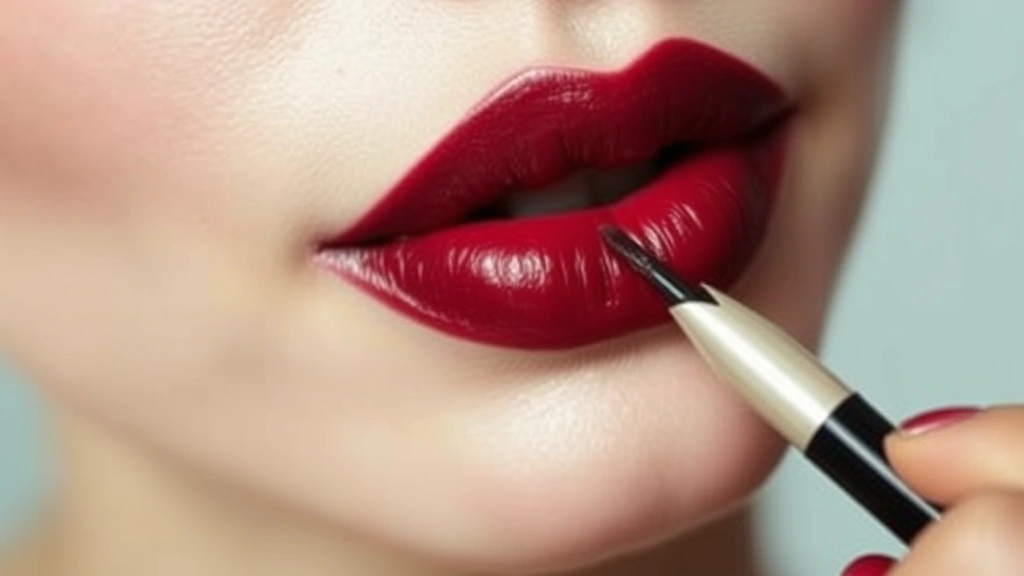
Lips during the flapper era were bold and graphic. Deep reds, burgundies, and wine shades dominated, applied with precision to create a defined lip line that was often made slightly smaller than the natural lip shape. This technique created the appearance of a pouty, rosebud mouth. The lip color was matte, applied with a lip brush for accuracy, and sometimes blotted to create a stain-like finish.
Foundation in the 1920s was typically powder-based, applied to create an almost porcelain, matte finish. Cheeks were often left natural or given just a whisper of color, allowing the bold eyes and lips to command attention. The overall effect was striking and intentional—flapper makeup wasn’t meant to enhance natural beauty but rather to create an artistic, almost theatrical appearance.
To recreate the 1920s look today, start with a matte foundation and set it with translucent powder. Use a dark eyeshadow to create a dramatic cut-crease, keeping the color concentrated on the lid and inner corner. Apply black or dark brown kohl to the waterline and lower lash line for intensity. Pluck brows into a high arch (or use brow makeup to create this shape temporarily), and finish with a deep burgundy or red lip applied with precision.
1950s Glamour and Elegance
The 1950s represented a shift toward softer, more romantic vintage makeup aesthetics while maintaining sophistication and glamour. This era celebrated femininity through winged eyeliner, voluminous lashes, and a focus on eye makeup that created dimension and drama without the harsh edges of the flapper era.
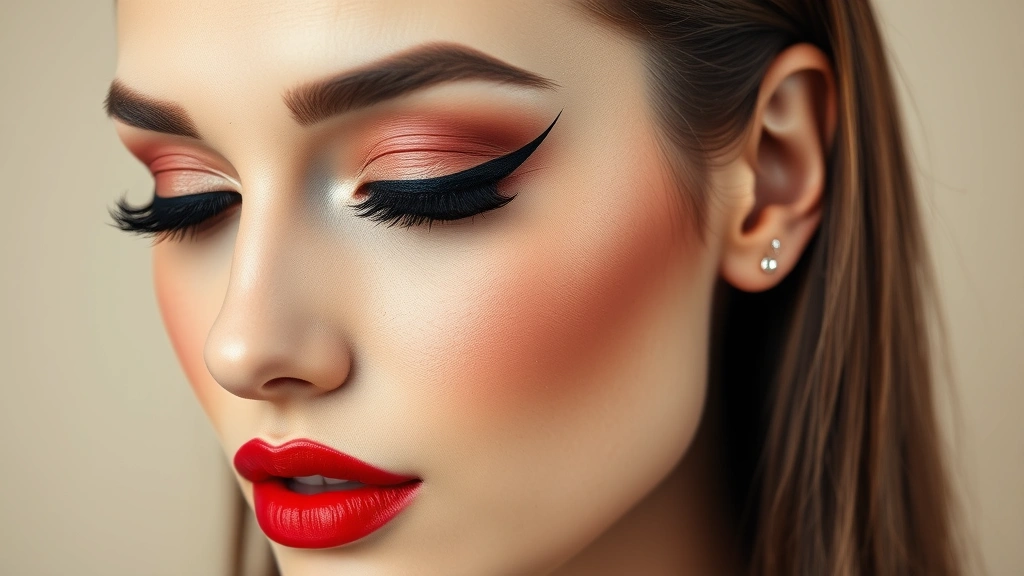
The most iconic element of 1950s makeup is undoubtedly the winged eyeliner. This technique, often called a cat-eye, involved extending a sharp line of liquid or pencil eyeliner beyond the outer corner of the eye, angling it upward. The wing could be subtle or dramatic depending on the occasion and personal preference. This single technique instantly evokes the 1950s aesthetic and remains one of the most requested looks in modern makeup artistry.
Eyeshadow in the 1950s was often neutral—soft browns, taupes, and creams—applied to the lid to create a smooth base. The focus was on the eyeliner and lashes rather than colorful shadow. However, some looks incorporated soft pastels or metallics, particularly for evening wear. The overall eye makeup created a lifted, youthful appearance that emphasized the eye’s natural shape while adding graphic definition.
Lashes were paramount in 1950s beauty. False lashes were frequently used, applied to create a thick, voluminous fringe that opened up the eye. Mascara was applied generously to both upper and lower lashes, often with multiple coats. The combination of winged liner and dramatic lashes created the quintessential 1950s eye that remains timelessly elegant.
Cheeks in the 1950s featured a rounded apple of the cheek blush placement, creating a youthful, healthy appearance. The color was typically warm-toned—coral, peach, or soft pink—applied with a light hand to look natural and fresh. This cheek placement and color choice complemented the dramatic eye makeup beautifully.
Lips were full, defined, and glamorous. Deep reds and warm corals dominated, applied with precision and often blotted to create a slightly softer edge than the harsh graphic lips of the 1920s. Lip liner was essential for creating a perfect cupid’s bow and ensuring the color stayed within the lip line. The overall lip appearance was polished, feminine, and utterly sophisticated.
To recreate 1950s makeup today, begin with a neutral eyeshadow base. Apply liquid eyeliner to create a sharp wing, extending it beyond the outer corner and angling upward. Apply false lashes or multiple coats of mascara to create volume. Place blush on the apples of your cheeks using a warm, medium tone. Finish with a deep red or coral lip, applied with a lip liner for precision and longevity.
Victorian and Edwardian Romance
Moving further back in beauty history, the Victorian and Edwardian eras (roughly 1837-1910) embodied an entirely different philosophy regarding makeup and beauty. While the Victorian era initially rejected makeup as morally questionable, by the late 1800s, subtle beauty enhancement became acceptable among certain social circles, though always with an emphasis on appearing “natural.”
Victorian makeup was characterized by its restraint and emphasis on pale, porcelain skin. Complexion was paramount—a fair complexion signified wealth and leisure, as it indicated one didn’t work outdoors. Women used rice powder, bismuth, or lead-based products (dangerous by modern standards) to achieve an extremely pale, matte finish. This pale complexion was the foundation of Victorian beauty.
Eyes in the Victorian era were subtly enhanced. A touch of shadow in the crease, typically in soft browns or grays, created definition without appearing obvious. The emphasis was on appearing as though no makeup had been applied, even though considerable effort went into achieving this “natural” look. Eyebrows were full and natural, following the brow’s natural arch without excessive plucking or reshaping.
The most distinctive feature of Victorian makeup was the emphasis on rosy cheeks and lips. A flush of color on the cheeks was achieved through pinching, rouge, or even biting the lips to create natural-looking color. The goal was to appear healthy and youthful, with a delicate, almost fragile beauty ideal. Lip color was subtle, typically in rose or coral shades, applied to enhance the natural lip color rather than create a dramatic statement.
The Edwardian era (1901-1910) saw a slight relaxation of Victorian beauty standards. Makeup became slightly more visible, though still emphasizing natural enhancement. The Gibson Girl ideal—featuring fuller lips, defined features, and a more confident appearance—began to influence beauty standards. Eyebrows remained fuller and more natural, but lips became slightly more defined and colorful.
To create a Victorian-inspired look today, start with a very pale, matte foundation or powder. Keep eyeshadow minimal, using soft neutral tones in the crease only. Maintain natural, full brows. Apply a subtle flush of rosy blush to the apples of cheeks and temples. Finish with a soft rose or coral lip, applied subtly to enhance rather than dramatically transform the lip color.
Essential Vintage Makeup Techniques
Mastering old-fashioned makeup requires understanding specific techniques that differ from modern approaches. These foundational skills, once learned, become invaluable tools in your beauty repertoire. Whether you’re interested in sustainable beauty practices or simply perfecting classic aesthetics, these techniques provide a solid framework.
The Cream-to-Powder Technique: Vintage makeup artists often applied cream products first, then set them with powder. This layering technique creates longevity and a specific texture that’s distinctly different from modern powder-first approaches. Apply cream blush or bronzer, then set with a matching powder for a blended, professional finish.
Precision Lining: Old-fashioned makeup emphasizes precise lines—whether eyeliner, lip liner, or brow liner. These lines should be clean, intentional, and executed with a steady hand. Practice using a lip or eyeliner brush with a sharp edge to create graphic, defined lines. This precision is what distinguishes vintage makeup from softer, more diffused modern approaches.
Blending with Purpose: While modern makeup often emphasizes heavily blended transitions, vintage techniques often featured more defined blending. Colors were blended where they naturally met but maintained their distinct placement. This approach requires understanding color theory and where each shade should sit on the face.
The Matte Finish: Most classic vintage looks featured matte finishes rather than dewy or luminous skin. This was partly due to available products but also reflected beauty ideals of the time. To achieve a matte vintage finish, use a matte foundation, set with translucent powder, and avoid highlighter. If you prefer some luminosity, apply it very sparingly to the inner corners of the eyes or center of the lips.
Contouring Through Shadow Placement: Before modern contouring became mainstream, makeup artists used shadow and highlight placement to sculpt the face. Darker shades were placed in hollows and along the sides of the face to create definition, while lighter shades were placed on prominent features to bring them forward. This technique remains effective and creates a more natural-looking sculpted appearance than heavy contouring.
The Cut-Crease Technique: A hallmark of vintage eye makeup, particularly from the 1920s-1950s, is the cut-crease. This involves applying a lighter shade on the lid and a distinctly darker shade in the crease, creating a sharp line of demarcation between the two colors. This technique requires a precise brush and steady hand but creates a striking, professional eye look.
Modern Application of Classic Looks
The beauty of old-fashioned makeup techniques is their versatility and timelessness. You don’t need to commit entirely to a specific era’s aesthetic to benefit from learning and incorporating classic techniques. Many contemporary makeup artists blend vintage principles with modern products and preferences to create looks that honor beauty history while feeling current.
One approach is selective vintage application. Perhaps you love the winged eyeliner of the 1950s but prefer modern brow styling and a dewy complexion. This hybrid approach allows you to cherry-pick elements you love while maintaining your personal aesthetic. The key is understanding why certain techniques work and how to adapt them to suit your preferences.
Another consideration is occasion-appropriate vintage styling. A full 1920s flapper look might be perfect for a themed party or special event, but a subtle nod to vintage techniques—like a refined winged liner or precise lip line—works beautifully for everyday wear. Learning to scale vintage techniques up or down depending on context makes you a more versatile makeup artist.
When incorporating vintage makeup into your routine, consider your face shape, skin tone, and personal style. A technique that’s universally flattering in theory might need adjustment based on your individual features. For example, if you have a round face, the high arch brows of the 1920s might be more flattering than the softer brows of the Victorian era. Understanding these nuances helps you adapt classic techniques to suit you specifically.
Lighting plays a crucial role in how vintage makeup appears. These classic looks were often developed for specific lighting conditions—studio lights, candlelight, or natural daylight. Consider where you’ll primarily be wearing your makeup and adjust accordingly. A dramatic 1920s look might appear too harsh in bright natural light, while a soft Victorian look might disappear entirely under studio lighting.
Product Recommendations for Vintage Makeup
While old-fashioned makeup techniques can be executed with modern products, certain product types work particularly well for achieving classic aesthetics. Understanding which products best support vintage techniques helps you build an effective collection.
Foundation: For a matte vintage finish, opt for full-coverage matte foundations. Cream formulas often work better than liquids for vintage techniques, as they provide more control during application and blend more predictably. Look for foundations with a natural undertone that matches your skin rather than warm or cool extremes.
Eyeshadow: Cream eyeshadows work beautifully for vintage looks, particularly for the base shade. They blend smoothly and create a subtle transition between colors. Powder eyeshadows are excellent for precise placement and creating defined lines, particularly for cut-crease techniques. A mix of both formulas provides versatility.
Eyeliner: Pencil eyeliners are ideal for vintage application as they allow precise control and can be easily blended. Liquid eyeliners work beautifully for creating sharp winged lines. Kohl pencils are perfect for creating the smoky eye looks popular in several vintage eras. Experiment with different formulas to find what works best for your hand steadiness and preferred application method.
Blush: Cream blushes are excellent for vintage techniques as they blend smoothly and create a natural-looking flush. Powder blushes work well for more defined placement. Choose warm, medium tones that complement your skin tone and create a healthy, youthful appearance.
Lip Products: For vintage lip looks, a quality lip liner is essential. This allows you to create precise shapes and define the lip line clearly. Matte lipsticks work best for most vintage aesthetics, though cream formulas can also work beautifully. Choose colors based on the era you’re recreating—deep reds for the 1920s, warm corals for the 1950s, soft roses for Victorian-inspired looks.
Many beauty professionals recommend exploring brands that specialize in classic or vintage-inspired products. Beauty Counter and similar companies offer high-quality, clean-ingredient products that work beautifully for vintage techniques. Additionally, dermatologist-recommended beauty retailers can help you find products that work well with your specific skin type while supporting classic application methods.
FAQ
What’s the easiest vintage makeup look to start with?
The 1950s winged eyeliner look is an excellent starting point. It requires just a few products—eyeliner, mascara, blush, and lipstick—and focuses on mastering one key technique: the wing. Once you’ve perfected the winged liner, you can build upon it with eyeshadow, false lashes, and other elements. This look also translates beautifully to modern styling, making it practical for everyday wear.
Can vintage makeup work for all skin tones?
Absolutely. While specific shades might need adjustment based on your undertone and skin depth, the techniques behind vintage makeup are universally applicable. A person with deep skin might choose a burgundy red lip instead of a cool red for a 1950s look, but the technique and overall aesthetic remain the same. The key is selecting colors that complement your specific coloring rather than following prescriptive shade recommendations.
How do I make vintage makeup last longer?
Proper primer application, strategic powder setting, and quality products are essential for longevity. Start with a good primer suited to your skin type. Apply foundation and set it with translucent powder before moving to other products. Use long-wear formulas, particularly for eyeliner and lipstick. Consider using setting spray after completing your makeup. These techniques, rooted in professional makeup artistry, ensure your vintage look stays put throughout the day.
Are vintage makeup techniques suitable for mature skin?
Yes, though some adjustments might be beneficial. Avoid heavily matte finishes that can emphasize fine lines—opt instead for satin or slightly dewy finishes. Use cream products that hydrate and blend smoothly. Focus on techniques that enhance rather than dramatically transform features. The precision and intention of vintage makeup can be particularly flattering on mature skin when applied thoughtfully.
How can I learn more about makeup history and technique?
Books on makeup artistry history, online tutorials, and professional makeup courses provide excellent resources. Professional makeup artist organizations often offer educational resources and certification programs. Additionally, beauty publications like Allure frequently feature articles on makeup history and technique. Practicing with friends or creating looks for special events provides hands-on learning opportunities that deepen your skills.
Can I mix vintage techniques with modern makeup trends?
Absolutely. Many contemporary makeup artists blend vintage precision and technique with modern products and aesthetic preferences. You might combine the winged eyeliner of the 1950s with the full, natural brows of the 2020s, or use the matte finish techniques of the 1920s with modern highlighter placement. Makeup is ultimately a form of self-expression, and blending eras creates uniquely personal looks.
Old-fashioned makeup remains beloved because it’s rooted in solid technique and understanding of how to enhance natural beauty through intentional product placement and precise application. Whether you’re drawn to the drama of the 1920s, the glamour of the 1950s, or the romance of the Victorian era, learning these classic approaches enriches your makeup skills and connects you to generations of beauty artistry. Start by exploring one era that appeals to you, master the fundamental techniques, and gradually expand your vintage makeup vocabulary. As you practice, you’ll develop the confidence and skill to adapt these lovely, timeless approaches to create looks that feel authentically yours while honoring beauty history. Remember that the best makeup—whether vintage or modern—is the makeup that makes you feel beautiful and confident.

Related Posts
Perfect Old Fashioned Donut: Baker’s Secrets
Old Fashioned Chocolate Pie Recipe? Chef’s Favorite