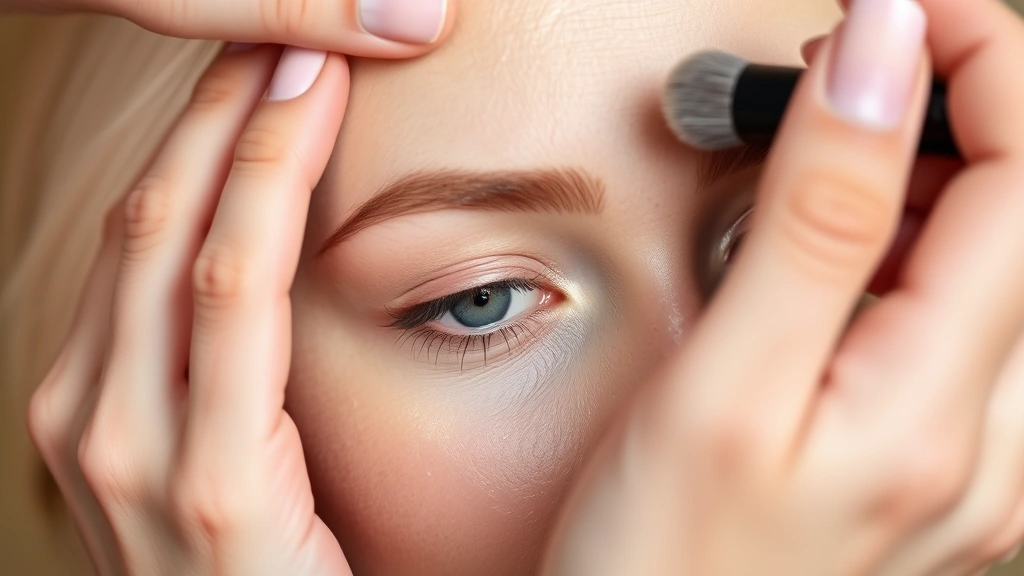
Best Primer for Oily Skin? Expert Reviews Inside
Best Primer for Oily Skin? Expert Reviews Inside
Finding the perfect primer for oily skin can feel like a never-ending quest. Your makeup slides off by midday, your pores look enlarged, and that gorgeous base you spent time creating disappears faster than you’d like. The truth is, not all primers are created equal, especially when your skin tends toward excess oil production. A quality primer designed specifically for oily skin types can be the game-changer your makeup routine desperately needs.
Whether you’re preparing for a professional photoshoot at a location like Fashion Island or just want your everyday makeup to last longer, the right primer creates a smooth, lasting foundation that keeps shine at bay. In this comprehensive guide, we’ll explore the science behind primer formulations, review top-performing products, and share expert tips for applying primer to maximize its benefits on oily skin.
Understanding Primer for Oily Skin
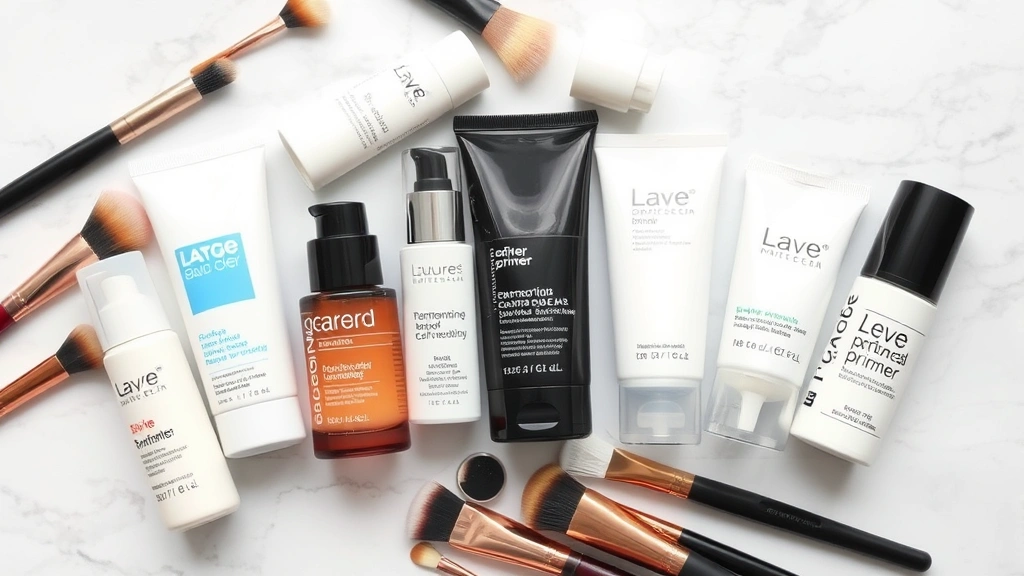
Primer serves as the foundation for your entire makeup look, but for those with oily skin, it becomes absolutely essential. Think of primer as a buffer between your skin and foundation—it smooths texture, minimizes pores, and most importantly, creates a barrier that prevents oil from breaking through your makeup. According to dermatological research, the best primers for oily skin work by either absorbing excess sebum or creating a silicone-based barrier that prevents oil from surfacing.
The key difference between primers for oily skin and those for other skin types lies in their formulation. Mattifying primers contain ingredients like silica, kaolin clay, or talc that actively absorb oil throughout the day. Others use silicone polymers to create an invisible veil that keeps skin looking fresh and prevents shine from developing. Understanding these mechanisms helps you choose a primer that aligns with your specific needs and concerns.
Oily skin produces sebum—a natural oil that protects and moisturizes the skin. However, when overproduced, it can cause makeup to slip, pores to appear larger, and breakouts to occur more frequently. A well-formulated primer addresses these issues while still allowing your skin to breathe and function normally. The best primers won’t clog pores or cause additional congestion, which is why ingredient transparency matters tremendously.
Top-Rated Primers for Oil Control
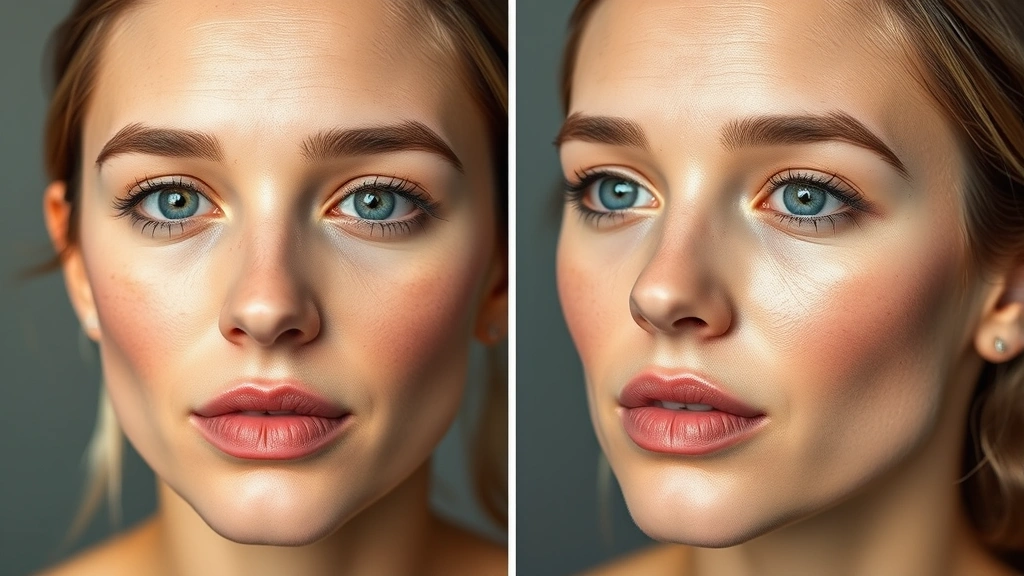
After extensive research and consultation with makeup artists and beauty experts, several primers consistently stand out for their performance on oily skin. These products have earned their reputation through reliable results and customer satisfaction across diverse skin tones and conditions.
Silicone-Based Mattifying Primers remain the gold standard for oily skin. These formulations create an incredibly smooth canvas while keeping shine under control. Look for products that combine silicone technology with oil-absorbing powders for maximum longevity. Many professionals recommend applying these primers to the T-zone first—your forehead, nose, and chin—where oil production is typically most intense.
Clay-Based Primers offer a more natural approach to oil control. Kaolin clay and bentonite clay have been used in skincare for centuries due to their ability to absorb excess moisture. These primers work particularly well for those with sensitive skin or those who prefer mineral-based formulations. They tend to feel lighter on the skin and don’t create that heavy, silicone-forward sensation some people find uncomfortable.
Lightweight Gel Primers have gained popularity in recent years, especially among beauty professionals preparing clients for photography and videography. These primers have a refreshing texture that feels almost weightless while delivering impressive oil control. They’re particularly effective when you’re planning a beauty-focused shoot or special event where makeup longevity is critical.
Expert makeup artists often recommend testing primers on a small area first, as reactions can vary based on individual skin chemistry. What works beautifully for one person might not be ideal for another, so patience during the selection process pays off tremendously.
Pore-Minimizing Formulas deserve special attention because they address multiple concerns simultaneously. These primers not only control oil but also smooth the appearance of enlarged pores—a common frustration for those with oily skin. The optical illusion they create makes pores appear smaller while the formula itself keeps them from becoming congested.
Application Techniques That Work
Knowing which primer to use is only half the battle; application technique determines whether you’ll achieve optimal results. The way you apply primer can significantly impact how well it performs throughout your day and how effectively it prevents oil from breaking through your makeup.
The Fingertip Method works wonderfully for most people. Using your ring finger or middle finger, gently tap the primer onto your skin in small dots across your face. Start with the T-zone—where oil production is heaviest—and work outward toward your cheeks and jawline. The tapping motion helps the primer meld with your skin rather than sitting on top of it. This technique is particularly effective for lightweight gel and liquid primers.
The Brush Application provides more control and even coverage, especially beneficial when using thicker, cream-based primers. A flat foundation brush or dense buffing brush allows you to work the primer into your skin with precision. This method is ideal when preparing for photography or professional makeup application, as it ensures completely seamless coverage without any patchy areas.
Layering Strategy maximizes oil control throughout the day. Apply a thin base layer of primer to your entire face, allow it to set for 30-60 seconds, then apply a second, more concentrated layer to your T-zone and any other areas prone to excessive oil. This strategic layering creates multiple barriers against oil without creating a heavy, cakey appearance. Many professionals use this technique when preparing clients for extended shoots at locations like Fashion Island, where makeup must remain flawless for hours.
Allow your primer to fully set before applying foundation. Rushing this step compromises the primer’s effectiveness and can result in a patchy, uneven base. Most primers require 30 seconds to 2 minutes to set, depending on the formula. Check the specific instructions on your product, as timing varies.
Ingredient Spotlight: What to Look For
Understanding key ingredients helps you make informed decisions about which primers will work best for your oily skin. Certain components are particularly effective at controlling sebum and maintaining a matte finish throughout the day.
Silica and Silicones are the workhorses of oil-controlling primers. Silica particles absorb excess oil while silicone polymers create that invisible, smooth layer on your skin. These ingredients have been used in cosmetics for decades and have an excellent safety profile. They’re non-comedogenic when formulated properly, meaning they won’t clog pores or contribute to breakouts.
Clay Minerals including kaolin, bentonite, and montmorillonite naturally absorb oil and impurities. These ingredients are particularly beneficial if you prefer more natural formulations or have sensitive skin. Clay-based primers often feel lighter and more breathable than their silicone counterparts, though they may not provide quite as much longevity for extended wear situations.
Hydrophobic Polymers create water-resistant barriers that keep both oil and moisture from breaking through your makeup. These advanced ingredients are especially valuable if you live in humid climates or work in environments where you’re exposed to moisture throughout the day.
Mattifying Agents like iron oxides and talc-based powders reduce shine and create that coveted matte finish. However, be cautious with talc-based products; while generally recognized as safe by regulatory bodies, some people prefer to avoid talc entirely. Fortunately, talc-free alternatives are increasingly available.
Niacinamide deserves special mention because it addresses multiple concerns simultaneously. This vitamin B3 derivative regulates sebum production, minimizes pore appearance, and strengthens your skin barrier. Many modern primers incorporate niacinamide specifically for oily skin types, making it an ingredient worth seeking out.
Hyaluronic Acid might seem counterintuitive for oily skin, but it’s actually beneficial. This humectant hydrates skin without adding oil, which can prevent your skin from overcompensating by producing excess sebum. Well-formulated primers balance hydration with oil control, creating healthier skin overall.
Combining Primer with Other Products
Primer doesn’t exist in isolation—it’s part of a comprehensive makeup routine. How you combine primer with your other products significantly impacts the final result and longevity of your makeup.
Primer and Foundation Pairing matters tremendously. Generally, you should match your primer base to your foundation base. If using silicone-based primer, pair it with silicone-based foundation for seamless blending. If using water-based or gel primers, choose compatible foundations. Mixing bases can sometimes cause pilling or separation, compromising your entire look.
Moisturizer Application should occur before primer, even on oily skin. A lightweight, oil-free moisturizer ensures your skin is balanced and hydrated, which paradoxically can reduce excess oil production. Apply moisturizer first, wait for it to fully absorb (usually 1-2 minutes), then apply primer. This order prevents the moisturizer from interfering with primer adhesion.
Sunscreen Considerations are important for comprehensive skin protection. If using a chemical sunscreen, apply it before primer and allow adequate time for absorption. Mineral sunscreen can sometimes interfere with primer adherence, so some people prefer applying mineral sunscreen after primer or choosing products formulated to work well together. Always prioritize sun protection—it’s non-negotiable for healthy skin.
Setting Spray and Powder work synergistically with primer to extend makeup wear. After completing your full makeup application, set everything with a light dusting of translucent powder on your T-zone, then finish with setting spray. This multi-step approach, commonly used by makeup artists preparing clients for photography, can keep makeup looking fresh for 12+ hours.
Many professionals recommend keeping blotting papers and a lightweight powder on hand throughout the day. Even the best primer can’t prevent all oil from eventually surfacing, but these touch-up tools help you maintain your look without disturbing your base makeup.
Common Mistakes to Avoid
Understanding what not to do is just as important as knowing best practices. These common mistakes can undermine even the best primer products and sabotage your makeup application.
Using Too Much Product is the most frequent error. More primer doesn’t equal better results; in fact, excess primer can feel heavy, look cakey, and actually increase the likelihood of makeup sliding off later. A little goes a long way—typically, you need only a dime-sized amount for your entire face. Start with less and add more if needed rather than beginning with too much.
Skipping the Setting Step leaves your primer unable to fully adhere to your skin. Rushing through your routine and immediately applying foundation over wet primer compromises the entire system. Patience during this step pays dividends in makeup longevity and appearance.
Not Prepping Your Skin Properly undermines primer effectiveness. If you apply primer over dry, flaky skin or without proper cleansing and moisturizing, it won’t adhere well or perform optimally. Invest time in a proper skincare routine before makeup application. Even sustainable beauty practices start with proper skin preparation.
Choosing the Wrong Primer Type for your specific needs wastes money and creates frustration. If you need extreme oil control for professional photography, a lightweight gel primer might not provide enough mattification. Conversely, if you have sensitive skin, an overly heavy silicone primer might cause irritation. Honest assessment of your needs ensures better product selection.
Ignoring Expiration Dates can compromise both primer performance and skin health. Primers have shelf lives, and using expired products can result in separation, reduced effectiveness, or even skin irritation. Check expiration dates regularly and replace primers as needed.
Not Allowing Foundation to Set Before Powder can disrupt your base. Many people apply powder immediately after foundation, but waiting 30-60 seconds allows the foundation to set, which helps powder adhere better and prevents a chalky appearance. This timing is particularly important when using professional makeup techniques for extended wear situations.
FAQ
Can I use primer designed for other skin types if I have oily skin?
While you technically can, it’s not ideal. Primers formulated for dry skin often contain heavier oils and hydrating ingredients that can exacerbate oiliness. Conversely, some primers marketed for normal skin might not provide sufficient oil control. Choosing a primer specifically formulated for oily skin ensures you’re getting ingredients and formulations optimized for your needs. If you have combination skin with oily T-zone but dry cheeks, you can use different primers in different zones.
How long does primer typically last on oily skin?
Quality primers designed for oily skin can keep makeup looking fresh for 8-12 hours with proper application. However, individual results vary based on factors like humidity, activity level, and how much oil your skin naturally produces. Professionals preparing clients for photography often reapply primer or use touch-up products to maintain flawless appearance throughout extended shoots. For everyday wear, most people find their makeup lasts adequately through a full workday with a quality oily-skin primer.
Should I use primer if I have acne-prone oily skin?
Absolutely, but choose carefully. Look for primers labeled non-comedogenic and formulated without pore-clogging ingredients. Many primers designed for oily skin are inherently acne-friendly because they focus on oil control and pore minimization. Avoid primers with heavy oils or thick silicones that might trap bacteria. Consider primers with ingredients like niacinamide or salicylic acid, which actively support clearer skin while controlling shine.
Can primer alone keep my makeup from sliding off if I have very oily skin?
Primer is foundational but works best as part of a complete system. For very oily skin, combine primer with oil-control foundation, setting powder, and setting spray. This multi-layered approach creates multiple barriers against oil. Additionally, blotting papers throughout the day help manage excess oil without disrupting makeup. Some people with extremely oily skin find that using a slightly heavier primer formula, combined with frequent touch-ups, provides the best results.
Is there a difference between primer and pore filler?
Yes, though the terms are sometimes used interchangeably. Primers create a base for makeup and control oil, while pore fillers are specialized products designed specifically to minimize pore appearance through optical illusion and smoothing. Many modern primers combine both functions, offering oil control and pore minimization simultaneously. Some people use both—applying pore filler first, then primer over top—for maximum smoothing effect, particularly when preparing for photography or professional events.
How do I know if my primer is right for my oily skin?
The right primer should feel lightweight and undetectable on your skin. It should keep your T-zone matte for at least 6-8 hours without feeling heavy or cakey. Your foundation should apply smoothly over it without pilling or separating. If you experience any irritation, excessive shine breakthrough within a few hours, or a heavy, uncomfortable feeling, it might not be the right product for you. Give new primers at least a week of consistent use before deciding, as your skin needs time to adjust to new products.

Related Posts

Perfect Old Fashioned Donut: Baker’s Secrets
Old Fashioned Chocolate Pie Recipe? Chef’s Favorite