2020 Makeup Trends? Expert Insights
2020 Makeup Trends: Expert Insights Into the Year That Changed Beauty
The year 2020 was transformative for the makeup industry in ways no one could have predicted. As lockdowns swept across the globe, beauty enthusiasts found themselves spending more time at home, which paradoxically sparked a renaissance of creative makeup experimentation. From bold eye looks to natural skin-forward approaches, 2020 makeup trends reflected both escapism and a return to authenticity. This shift wasn’t just about aesthetics—it represented deeper changes in how we consume beauty content, purchase cosmetics, and express ourselves through makeup.
What makes 2020 particularly fascinating is how sustainable fashion brands began influencing makeup choices, with consumers increasingly seeking eco-conscious beauty products. The intersection of beauty trends and environmental consciousness became impossible to ignore, as major brands pivoted toward sustainable packaging and ethical sourcing. Whether you’re a makeup artist, beauty enthusiast, or simply curious about the evolution of cosmetics, understanding 2020 trends provides valuable context for today’s beauty landscape.
Bold Eyes Dominate the 2020 Makeup Landscape
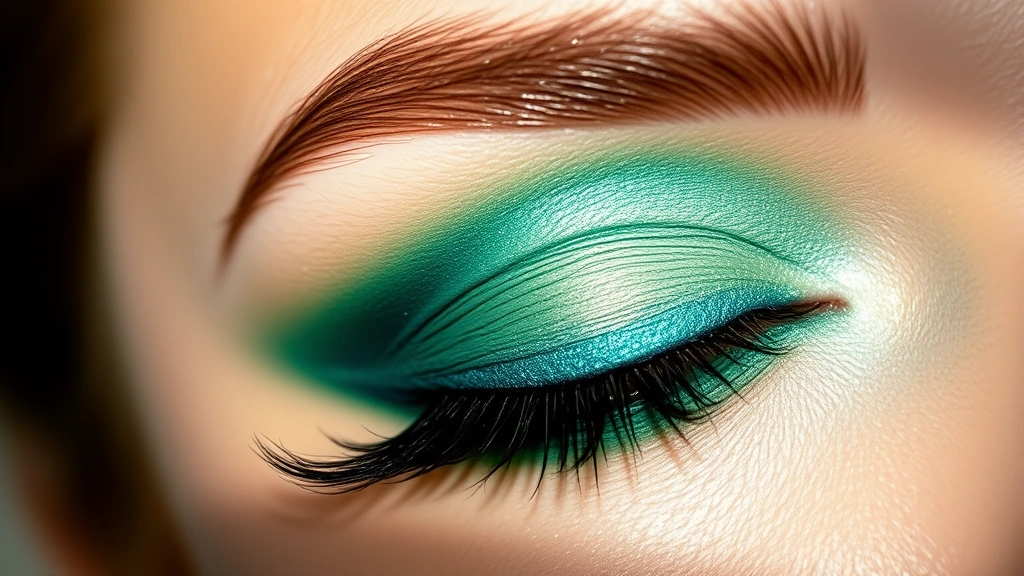
When people stopped commuting to offices and attending social events, something unexpected happened: makeup artists and beauty enthusiasts began creating increasingly elaborate eye looks. With face masks becoming a permanent accessory for many, the eye area became the primary canvas for self-expression. This shift created explosive demand for eyeshadow palettes, eyeliner pencils, and mascara formulas that could withstand extended wear.
The bold eye trend of 2020 wasn’t about subtlety. Jewel tones—emerald, sapphire, and amethyst—dominated Pinterest boards and Instagram feeds. Makeup artists experimented with graphic liner designs, cut-crease techniques, and multi-dimensional eyeshadow applications. Beauty publications like Allure documented the rise of editorial eye makeup, where symmetry mattered less than impact and creativity. The democratization of makeup tutorials through YouTube and TikTok meant that anyone could learn advanced techniques from professional makeup artists working from their home studios.
Bronze and warm-toned eyeshadows also gained tremendous traction in 2020. These shades complemented the natural skin trend while still delivering the drama that people craved during isolation. The versatility of bronze and copper tones meant they worked across multiple skin tones and could transition from day to night wear seamlessly. Many beauty brands capitalized on this trend by releasing limited-edition palettes featuring warm, earthy hues that became instant bestsellers.
Winged eyeliner experienced a resurgence as well, with variations ranging from subtle flicks to dramatic graphic wings. The precision required for perfect wings made it a skill that people practiced obsessively during lockdown periods, turning makeup application into a meditative ritual.
Natural Skin-Forward Beauty Takes Center Stage
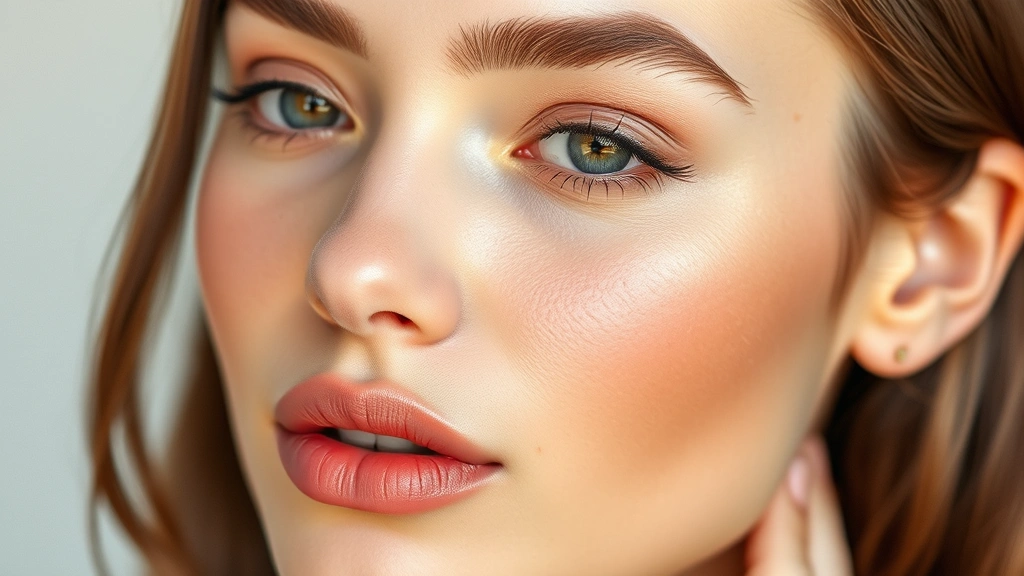
Paradoxically, while bold eye makeup flourished, the base makeup trend moved in the opposite direction. The dermatology community observed increased interest in skincare routines as people spent more time at home. This focus on skin health directly influenced makeup preferences, with consumers gravitating toward lightweight foundations, BB creams, and tinted moisturizers that enhanced rather than masked natural skin.
The “no-makeup makeup” aesthetic gained prominence as part of a broader wellness movement. People invested in skincare products, understanding that flawless-looking skin required a solid foundation of hydration, sun protection, and targeted treatments. Brands shifted their messaging to emphasize skin health benefits, launching products that blurred the lines between skincare and makeup.
Concealer became the hero product of 2020, with consumers preferring minimal foundation coverage paired with strategic concealing. This approach required less product, dried out skin less frequently, and felt more comfortable during extended mask wear. The clean beauty movement gained momentum as consumers researched ingredient lists and sought products free from harmful chemicals. Transparency in ingredient sourcing became a competitive advantage for beauty brands.
Blush experienced renewed appreciation as a way to add dimension to a minimal base. Cream blushes in particular surged in popularity because they blended seamlessly with dewy, natural-looking foundations and created a fresh, flushed appearance that felt authentic and modern. Skin-tinting products that hydrated while providing coverage became essential for the 2020 beauty enthusiast.
Colored Mascara and Liner Revolution
While black mascara remains timeless, 2020 saw explosive growth in colored alternatives. Burgundy, navy, brown, and even jewel-toned mascaras offered a way to create dramatic looks without relying on heavy eyeshadow. This trend aligned perfectly with the bold eye movement while maintaining a sense of wearability for everyday situations.
Colored eyeliners followed the same trajectory. Makeup artists began layering different colored liners to create multidimensional looks that photographed beautifully for social media. The accessibility of colored pencil liners from affordable brands meant that experimentation wasn’t restricted to professional makeup artists—anyone could try this trend.
Green and blue eyeliners became particularly popular, with beauty influencers demonstrating how to wear them in ways that complemented rather than clashed with natural eye color. The technical skill required to apply colored liners correctly made tutorials essential, and YouTube beauty channels experienced unprecedented growth as viewers sought guidance.
Waterproof formulations became non-negotiable for 2020 makeup trends. With increased mask wear and potential for sweating, mascara and liner needed to withstand moisture and friction. Brands invested heavily in improving waterproof formulas, moving away from heavy, flaky products toward lightweight, long-wear options that maintained color intensity throughout the day.
Sustainable Packaging Reshapes Beauty Retail
The connection between how to reduce carbon footprint efforts and consumer purchasing decisions became evident in 2020. Beauty brands faced mounting pressure to address environmental concerns, leading to widespread adoption of sustainable packaging practices. Refillable makeup containers, recyclable packaging materials, and reduced plastic usage became standard features of new product launches.
This shift wasn’t purely altruistic—consumers increasingly factored sustainability into purchasing decisions, particularly younger demographics who grew up with environmental awareness. Brands that embraced sustainable practices gained competitive advantages, while those slow to adapt faced criticism from conscious consumers. The market environment rewarded innovation in sustainable beauty solutions.
Indie and small-batch makeup brands flourished in 2020, often with inherently sustainable practices. These brands typically produced smaller quantities, used minimal packaging, and engaged directly with customers. The shift away from massive retail chains meant that niche brands could reach global audiences through digital marketing and social commerce without traditional distribution networks.
The conversation around sustainable beauty extended to ingredient sourcing and ethical labor practices. Consumers wanted to know not just where their makeup was packaged, but where raw materials originated and whether workers received fair compensation. Transparency reports and third-party certifications gained importance as trust-building tools.
TikTok and Digital Beauty Communities Transform Makeup Culture
2020 marked TikTok’s emergence as the dominant platform for beauty content, surpassing YouTube and Instagram for makeup tutorials and trend discovery. The short-form video format proved ideal for demonstrating makeup techniques, showcasing product reviews, and building engaged communities around specific aesthetics. Makeup artists who adapted quickly to TikTok’s algorithm gained millions of followers and launched successful product lines based on their digital influence.
The democratization of beauty expertise through social platforms meant that professional credentials mattered less than engaging content and relatable personalities. Viewers preferred makeup artists who acknowledged mistakes, showed realistic application speeds, and discussed products honestly rather than perfectly polished content. This shift toward authenticity reflected broader cultural movements toward transparency and accountability.
Virtual makeup try-on technology advanced significantly in 2020, allowing consumers to experiment with products digitally before purchasing. Augmented reality filters on social platforms inspired makeup looks and drove product discovery in ways traditional advertising couldn’t match. Brands invested heavily in digital innovation, recognizing that online experiences would continue dominating even as physical stores reopened.
Beauty communities formed around specific interests—sustainable makeup, beginner-friendly tutorials, makeup for mature skin, inclusive shade ranges—creating niche markets that traditional beauty retailers had overlooked. These communities provided support, education, and authentic recommendations that influenced purchasing decisions more than celebrity endorsements.
Lip Trends Shift Toward Comfort and Longevity
Lip makeup in 2020 faced unique challenges due to mask wear, which caused products to transfer, smudge, and feel uncomfortable during extended use. This reality drove innovation in long-wear lip formulas that prioritized comfort without sacrificing color intensity or finish options. Liquid lipsticks evolved dramatically, moving away from drying formulas toward hydrating versions that felt pleasant to wear all day.
Lip stains and tints gained popularity as alternatives to traditional lipsticks, offering buildable color with a lighter feel that worked better under masks. The trend toward natural lip colors—nudes, warm browns, and mauve tones—reflected both the minimal makeup movement and practical considerations for mask compatibility. Bold lip colors didn’t disappear, but they became more of an occasional statement choice rather than everyday wear.
Lip care became inseparable from lip color in 2020, with consumers viewing lip balms and treatments as essential products rather than optional additions. Brands released lip masks and intensive overnight treatments, recognizing that healthy lips provided the perfect canvas for any color. The beauty industry publications extensively covered the lip care trend as a reflection of the broader wellness movement influencing makeup preferences.
Glossy finishes experienced resurgence as consumers sought products that enhanced rather than matte-ified lips. Lip glosses evolved beyond sticky, heavy formulas toward lightweight versions that provided shine without discomfort. The combination of tinted gloss over lip stain became a popular technique for achieving dimension and longevity simultaneously.
FAQ
What were the most popular eyeshadow colors in 2020?
Jewel tones like emerald, sapphire, and amethyst dominated 2020 makeup trends, along with warm bronze and copper shades. These colors worked across multiple skin tones and offered versatility for both bold and natural looks. Warm earth tones particularly complemented the natural skin-forward aesthetic that gained prominence throughout the year.
How did mask wear influence 2020 makeup trends?
Face masks redirected makeup focus toward the eye area, driving demand for bold eyeshadow, eyeliner, and mascara. Mask wear also influenced product formulation, with waterproof and long-wear formulas becoming essential. Lip makeup shifted toward comfortable, transfer-resistant options that wouldn’t smudge or feel sticky under masks.
Did 2020 trends favor sustainable beauty products?
Yes, sustainability became increasingly important in 2020 as consumers aligned purchasing decisions with environmental values. Brands responded by adopting eco-friendly packaging, refillable containers, and transparent ingredient sourcing. This shift reflected broader consumer awareness about the macroeconomic environment and environmental responsibility.
What role did TikTok play in 2020 makeup trends?
TikTok became the primary platform for beauty content discovery and trend setting in 2020. Short-form videos allowed makeup artists to reach global audiences quickly, and the platform’s algorithm favored authentic, relatable content over polished professional productions. Many 2020 makeup trends originated or gained momentum primarily through TikTok.
Are 2020 makeup trends still relevant today?
Many 2020 trends have evolved rather than disappeared. Bold eye makeup, natural skin-forward base products, and sustainable beauty practices remain influential. However, trends have shifted toward more personalized, inclusive approaches that celebrate individual preferences rather than one-size-fits-all aesthetics that dominated 2020.
Which makeup products became bestsellers in 2020?
Eyeshadow palettes featuring jewel tones and warm metallics topped sales charts, along with long-wear mascara and waterproof eyeliners. Concealer and minimal-coverage foundations gained significant market share as the natural skin trend grew. Colored mascaras and liners also experienced unprecedented popularity during 2020.

Related Posts
Perfect Old Fashioned Donut: Baker’s Secrets
Old Fashioned Chocolate Pie Recipe? Chef’s Favorite