1920s Men’s Fashion: Timeless Style Tips
1920s Men’s Fashion: Timeless Style Tips
The 1920s represent one of the most transformative decades in men’s fashion history. Often called the Roaring Twenties, this era saw a dramatic shift from the rigid, formal Victorian and Edwardian styles toward more relaxed, modern silhouettes that continue to influence contemporary menswear today. Whether you’re interested in vintage fashion, themed events, or simply appreciating classic style, understanding 1920s men’s fashion offers valuable insights into timeless elegance.
The post-World War I period brought newfound freedom and optimism, and men’s clothing reflected this cultural shift. Suits became less constrictive, colors grew bolder, and accessories took on greater importance. From the iconic flat cap to the double-breasted suit jacket, the 1920s established a blueprint for masculine style that remains relevant more than a century later. This guide explores the essential elements of 1920s men’s fashion and how to incorporate these timeless pieces into your modern wardrobe.
The Evolution of 1920s Men’s Suits
The suit jacket underwent significant changes during the 1920s, marking a departure from the stiff, heavily padded shoulders of previous decades. The 1920s suit featured broader, more natural shoulders with less padding, creating a straighter silhouette that emphasized comfort without sacrificing sophistication. The jackets typically had a longer cut, reaching to the middle of the hand, and featured either single-breasted or double-breasted configurations.
Double-breasted suits became particularly popular during this era, often featuring four to six buttons arranged in two columns. The lapels were noticeably wider than modern standards, and the overall fit was considerably looser through the chest and torso compared to contemporary tailoring. This relaxed fit was revolutionary for its time, representing a conscious move away from the constraint and formality that had dominated menswear for generations.
The waistline of 1920s suits sat higher than modern cuts, typically at the natural waist rather than below it. Trouser pleats became standard, with one or two deep pleats on each side adding volume and allowing for greater movement. The trouser break—the way the pant leg met the shoe—was generally fuller than today’s slim-fit trends, often breaking slightly on top of the shoe.
For those interested in sustainable fashion choices, understanding sustainable fashion brands can help you source vintage or ethically-made 1920s-inspired pieces. Vintage clothing is inherently sustainable, making it an excellent choice for building an authentic 1920s wardrobe while reducing environmental impact.
Essential Accessories and Details
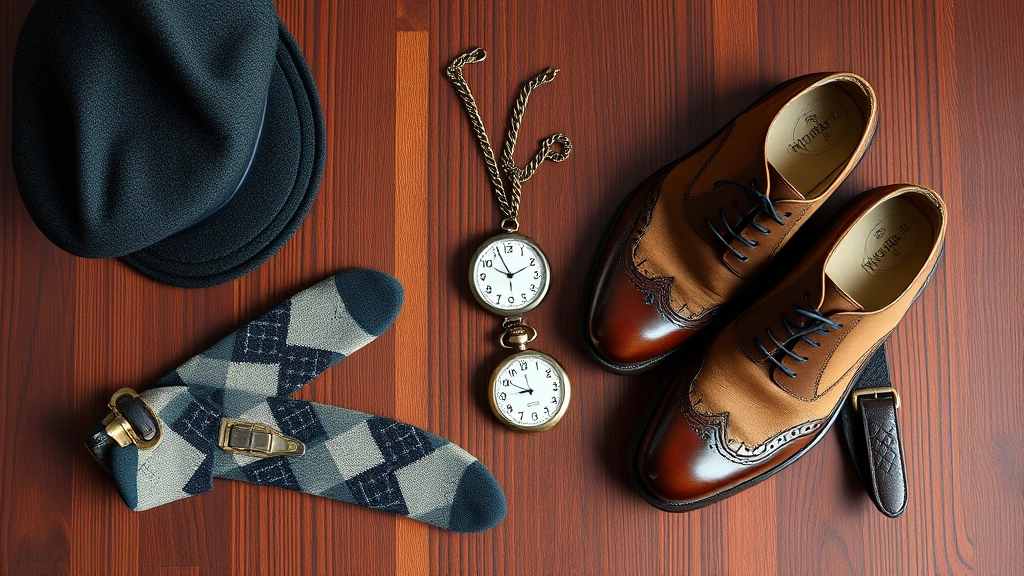
Accessories were absolutely crucial to completing a 1920s men’s look, and understanding these details is essential for authentic styling. The flat cap, also known as a driver’s cap or ivy cap, was ubiquitous during this period and remains the most iconic 1920s headwear. These caps featured a small stiff brim in front and were typically made from wool, tweed, or cotton in various patterns and solid colors.
Neckwear evolved significantly during the 1920s. While bow ties remained popular, the necktie gained prominence and became the standard for formal and semi-formal occasions. Ties were generally wider than modern versions, often featuring bold geometric patterns, stripes, or solid colors. The knot was typically tied in a simple four-in-hand or Windsor knot, worn with a collar pin or clip to keep it in place.
Suspenders, or braces, were not merely functional but served as visible style statements. Men often wore colorful or patterned suspenders that coordinated with their ties and pocket squares. The vest or waistcoat was an integral part of the three-piece suit ensemble, providing additional structure and allowing for the display of watch chains and fobs—elaborate chains that connected a pocket watch to the waistcoat pocket.
Pocket squares were essential accessories during the 1920s, and their placement and folding technique communicated social status and fashion awareness. The handkerchief was typically folded into a triangular point and displayed in the jacket’s breast pocket, often in a contrasting color or pattern to the suit. Cufflinks were equally important for fastening shirt cuffs, and they ranged from simple designs to elaborate jeweled pieces.
When considering how your fashion choices impact the environment, learning about how to reduce your carbon footprint through mindful consumption of vintage and quality pieces is an excellent approach to sustainable style.
Footwear and Legwear
Footwear in the 1920s was diverse and played a significant role in overall aesthetic. The most popular styles included oxford shoes, which featured laces and a closed throat design, and brogues, which incorporated decorative perforations and were often more casual. Two-tone shoes, particularly spectator shoes with contrasting leather panels, were extremely fashionable and added visual interest to an outfit.
Wingtip shoes, another popular choice, featured distinctive leather wings that extended from the toe box. Patent leather shoes were worn for formal evening occasions, while suede was increasingly popular for daytime wear. The shoes were typically polished to a high shine, and maintaining impeccable footwear was considered essential to a gentleman’s grooming standards.
Spats—ankle coverings that buttoned over the shoe and trouser cuff—were particularly popular in the early 1920s, though they gradually fell from favor as the decade progressed. When worn, spats typically matched the trousers or shoes and added a refined, formal element to the ensemble. Argyle socks and other patterned hosiery were visible above the shoe line and served as opportunities for subtle color coordination.
The sock length was crucial, as exposing the bare leg was considered improper. Socks were typically pulled high enough to cover the calf completely, even when seated. Quality materials like wool, cotton, and silk were standard, and patterns ranged from solid colors to stripes, checks, and argyle designs that complemented the overall outfit.
Color Palettes and Patterns
The 1920s color palette for menswear was surprisingly diverse compared to the muted tones of preceding decades. While neutral colors like black, gray, navy, and brown remained foundational, the 1920s introduced more adventurous options. Lighter grays, including dove gray and silver gray, were particularly fashionable for daytime suits. Burgundy, forest green, and even subtle purple tones appeared in suits and accessories.
Patterns were equally important to the 1920s aesthetic. Herringbone weaves created visual texture without being overtly patterned, while glen checks, windowpane checks, and pinstripes added sophistication. Bold geometric patterns appeared in ties, pocket squares, and waistcoats, allowing men to express personality within the formal suit structure.
Two-tone and multi-toned pieces were characteristic of the era. Spectator suits featured contrasting panels, and shoes often combined two or three colors in striking combinations. These bold color choices reflected the optimistic, forward-thinking spirit of the Roaring Twenties, a marked departure from the conservative palettes of earlier generations.
Seasonal variations influenced color choices, with lighter fabrics and colors preferred in spring and summer, while heavier wools in deeper tones dominated autumn and winter wardrobes. The concept of seasonal dressing was well-established, and maintaining separate wardrobes for different seasons was standard practice among well-dressed men.
Hairstyles and Grooming
The 1920s saw dramatic changes in men’s hairstyles, with the slicked-back look becoming the dominant style. Pomade was essential for achieving the sleek, shiny appearance that characterized the era. The hair was typically parted on the side or down the middle, then combed back and held in place with generous amounts of pomade or hair cream. This style required daily maintenance and was considered a mark of proper grooming.
Barbershop culture thrived during the 1920s, and visiting a barber weekly or bi-weekly was a standard practice for well-groomed men. The typical haircut featured short sides and back with slightly more length on top, allowing for the styling required to achieve the slicked-back aesthetic. Undercuts and fades were popular variations that added style and visual interest.
Facial hair preferences shifted during the 1920s. While mustaches remained common in the early years, clean-shaven faces became increasingly fashionable as the decade progressed. When facial hair was worn, it was typically well-maintained and precisely groomed. The thin mustache, when present, was kept narrow and neat, in stark contrast to the fuller mustaches of previous eras.
Grooming products evolved significantly during this period. Beyond pomade, men used hair tonics, bay rum aftershave, and specialized soaps. The ritual of grooming became more elaborate and was considered an important part of masculine self-presentation. Quality grooming tools, including straight razors, safety razors, and brushes, were prized possessions that reflected a man’s commitment to his appearance.
Building Your 1920s-Inspired Wardrobe
Creating a modern wardrobe inspired by 1920s men’s fashion doesn’t require complete period authenticity—instead, it’s about understanding the key elements and incorporating them thoughtfully into contemporary style. Start with the foundation: a well-tailored suit in a neutral color. Look for suits with a slightly looser fit than modern slim-cut styles, featuring higher button stances and wider lapels reminiscent of the era.
The blog home section of fashion resources can provide ongoing inspiration for vintage style. Invest in quality basics including several dress shirts in white, light blue, and subtle patterns. Look for shirts with pointed or spread collars rather than modern narrow cuts, as these were standard in the 1920s.
Build a collection of ties and pocket squares that allow you to vary your look while maintaining period authenticity. Include geometric patterns, stripes, and solid colors that coordinate with your suits and shirts. A quality flat cap or fedora completes the look, and these accessories have the advantage of working well in contemporary fashion contexts.
Footwear is crucial, so invest in oxford shoes and brogues in classic colors like black, brown, and burgundy. Two-tone spectator shoes add visual interest and are conversation starters at themed events. Ensure your shoes are well-maintained and polished, as this was absolutely essential to 1920s grooming standards.
Accessories should include quality suspenders, cufflinks, and a watch with a chain or fob if you’re committed to full authenticity. These details demonstrate attention to style and create visual interest in your ensemble. Consider adding a three-piece suit to your wardrobe, as the vest was an essential component of 1920s formal wear.
For those interested in broader environmental considerations, understanding environment human interaction helps contextualize why vintage and sustainable fashion choices matter beyond aesthetics. Choosing vintage 1920s pieces reduces demand for new production and the associated environmental impact.
When shopping for 1920s-inspired pieces, explore vintage shops, estate sales, and online marketplaces specializing in period clothing. Authentic vintage pieces often cost less than new reproductions while offering superior quality and genuine historical character. Many contemporary menswear brands also offer 1920s-inspired collections that balance historical accuracy with modern comfort and construction.

Mixing vintage and modern pieces requires thoughtful styling. You might wear a vintage 1920s suit jacket with modern trousers, or pair contemporary shoes with vintage accessories. This approach allows you to incorporate 1920s style into your everyday wardrobe without appearing costume-like. The key is understanding the principles of 1920s fashion—the proportions, color coordination, and attention to detail—and applying them selectively.
Developing a personal style inspired by the 1920s is a journey of exploration and refinement. Start with pieces that feel comfortable and authentic to you, then gradually expand your collection as you develop confidence in styling. Attend vintage fashion events, study photographs from the era, and connect with other enthusiasts who share your passion for this remarkable period in fashion history.
FAQ
What are the most important elements of 1920s men’s fashion?
The foundational elements include well-tailored suits with wider lapels and higher button stances, quality dress shirts, coordinated ties and pocket squares, flat caps or fedoras, and polished oxford or brogue shoes. Accessories like suspenders, cufflinks, and watch chains add authenticity and style.
Can I wear 1920s-inspired fashion in modern contexts?
Absolutely. Many contemporary menswear brands draw inspiration from the 1920s, and mixing vintage pieces with modern clothing creates interesting, sophisticated looks. The key is understanding proportions and styling principles rather than achieving complete period accuracy.
Where can I find authentic 1920s men’s clothing?
Vintage shops, estate sales, online marketplaces like Etsy and eBay, and specialized vintage fashion retailers offer authentic pieces. Contemporary brands also create 1920s-inspired collections. Thrift stores occasionally have quality vintage pieces at affordable prices.
How should I care for vintage 1920s clothing?
Handle vintage pieces gently and store them in cool, dry conditions away from direct sunlight. Use acid-free tissue for storage, and consider professional dry cleaning for delicate items. Regular brushing and proper storage help preserve vintage garments for years.
What’s the difference between 1920s and 1930s men’s fashion?
The 1930s saw suits become more fitted and streamlined, with narrower lapels and lower button stances. The 1920s featured looser, more relaxed fits and bolder colors. The transition reflects the shift from the optimistic Roaring Twenties to the more subdued 1930s economic period.
Are 1920s hairstyles still relevant today?
The slicked-back style has experienced several revivals and remains popular in contemporary fashion. Modern barbershops often reference 1920s cuts and styling, and many men appreciate the classic, refined aesthetic of period-appropriate hairstyles.
How do I style a 1920s suit for different occasions?
For formal evening events, pair your suit with a bow tie, patent leather shoes, and elegant accessories. For daytime or business contexts, use a necktie with a flat cap and polished oxfords. The versatility of the 1920s suit allows for multiple styling approaches depending on the occasion and context.

Related Posts
Perfect Old Fashioned Donut: Baker’s Secrets
Old Fashioned Chocolate Pie Recipe? Chef’s Favorite