Best Makeup for Oily Skin? Dermatologists Weigh In.
Best Makeup for Oily Skin? Dermatologists Weigh In
If you’re struggling with oily skin, you’re not alone. Millions of people battle excess sebum production daily, and finding the right makeup can feel like an impossible task. The good news? Dermatologists and makeup artists have cracked the code, and we’re here to share their expert insights with you. The key to flawless makeup on oily skin isn’t about piling on products—it’s about choosing the right formulations and mastering application techniques that keep shine at bay all day long.
Oily skin requires a strategic approach to makeup application. Rather than fighting against your skin’s natural oil production, the best makeup for oily skin works with your complexion by using oil-controlling primers, lightweight formulas, and long-wearing products designed specifically for this skin type. We’ve consulted with leading dermatologists to bring you science-backed recommendations that actually work.
Primer and Foundation Strategy
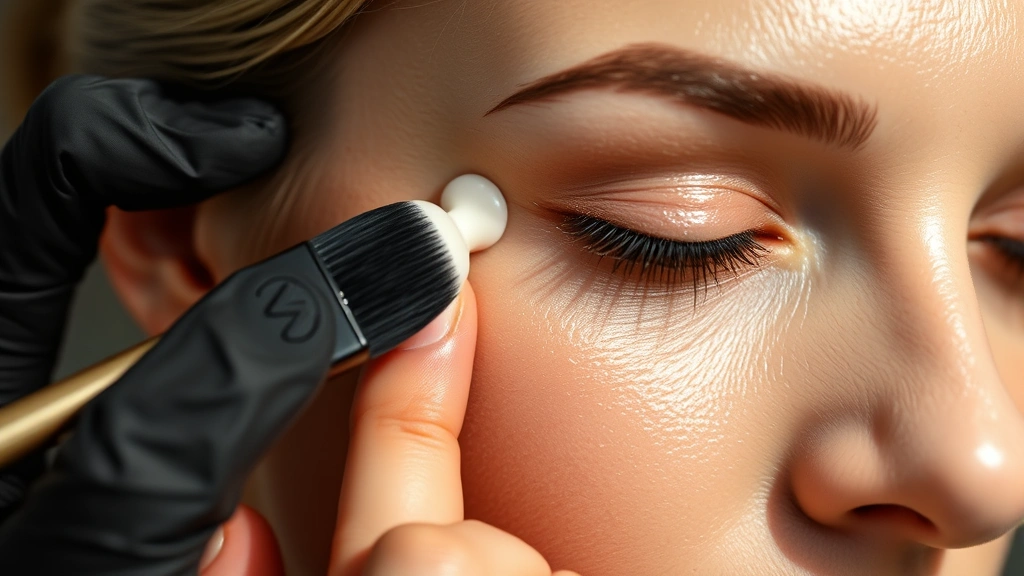
The foundation of great makeup for oily skin starts with primer—literally. A quality primer creates a barrier between your skin and foundation, controlling oil throughout the day. Look for silicone-based or mattifying primers that are specifically formulated to manage sebum production. Dermatologists recommend primers containing ingredients like dimethicone or cyclopentasiloxane, which create a smooth base and help makeup adhere longer.
When selecting a primer for oily skin, consider your specific concerns. Some primers focus on pore-minimizing, while others prioritize oil control. Apply primer to your entire face, focusing extra attention on the T-zone where oil tends to accumulate most. Allow it to set for 30-60 seconds before moving to foundation.
Foundation choice is crucial for oily skin. Opt for oil-free, mattifying, or powder foundations rather than dewy or luminous formulas. Liquid foundations work well if they’re specifically labeled as oil-controlling, but many makeup artists recommend starting with a lightweight formula. Water-based foundations are excellent for oily skin because they won’t mix with your natural oils and slide around. Look for foundations with ingredients like salicylic acid or niacinamide, which actively help control sebum production.
Application technique matters enormously. Use a damp beauty sponge to apply foundation—it helps distribute product evenly and prevents over-application. Damp sponges also create a more natural finish compared to brushes, which can sometimes look heavy on oily skin. Press the sponge into your skin rather than dragging it across, which helps the foundation meld with your complexion.
Powder and Setting Techniques
Setting powder is your best friend when you have oily skin. The right powder locks everything in place and absorbs excess oil throughout the day. Choose translucent, finely-milled powders that won’t add visible texture or appearance. Loose powders generally offer better oil absorption than pressed powders, though both can work depending on your preferences.
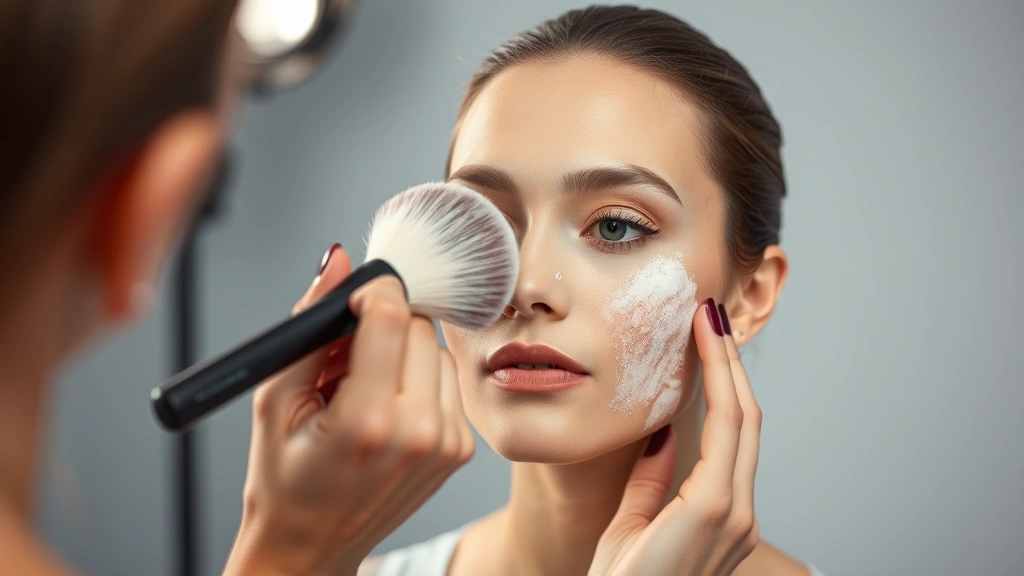
Key ingredients to look for in setting powders include talc alternatives like silica or clay, which actively absorb oil. Many dermatologists recommend powders containing kaolin clay or bentonite clay for their oil-controlling properties. Apply powder with a fluffy brush using a light hand—you want to set makeup without creating a cakey appearance.
Strategic powder placement prevents shine while maintaining a natural look. Focus on your T-zone, under-eye area, and anywhere you tend to get oily. Use less powder on your cheekbones and temples where you want to maintain some dimension. The technique of “baking”—applying powder and letting it sit for a few minutes before brushing away excess—works wonderfully for oily skin, as it gives the powder time to absorb oil.
After foundation and powder, lock everything with a setting spray. Choose a mattifying or oil-control setting spray rather than hydrating formulas. Spritz your face from about 6 inches away, allowing the spray to dry completely. This final step dramatically extends wear time and prevents makeup from sliding off mid-day.
Concealer and Contour for Oily Skin
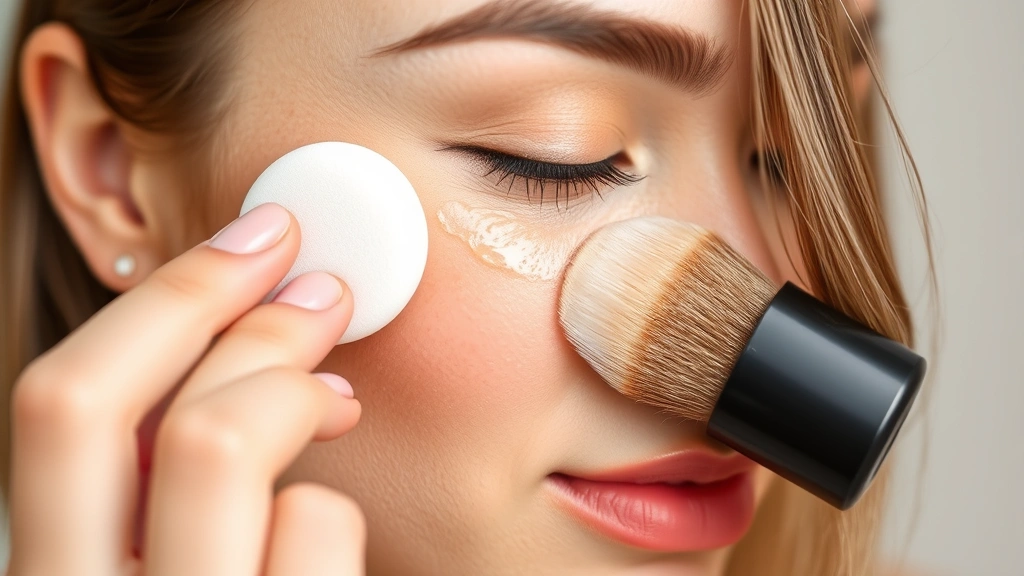
Concealer for oily skin should be long-wearing and transfer-resistant. Cream concealers can work if they’re specifically formulated to be oil-free and have excellent staying power. Many makeup artists prefer stick or liquid concealers for oily skin because they tend to have better longevity. Look for concealers with a matte or natural finish rather than luminous options that can appear shiny on already-oily skin.
Apply concealer only where needed—under eyes, over blemishes, and for any color correction. Use a small damp sponge or your ring finger to blend, being careful not to over-work the product. Setting concealer with a light dusting of powder prevents it from creasing and helps it last longer.
Contour and bronzer require special consideration for oily skin. Powder formulas work better than cream for most oily skin types, as creams can oxidize and appear orange or muddy as they mix with natural oils. When applying contour, use a light hand and build gradually. This approach prevents the harsh, overdone appearance that can result from applying too much product at once.
For bronzer and blush, choose matte or natural finish formulas. Shimmery or dewy finishes can emphasize oiliness rather than enhance your features. Apply these products with a fluffy brush using circular motions for a seamless blend. Remember that as your skin produces oil throughout the day, bronzer and blush will appear more intense, so start with less product than you think you need.
Eye Makeup That Lasts
Eye makeup presents unique challenges for oily skin because oil from your face and eyelids can cause eyeshadow to crease and smudge. The solution begins with an eyeshadow primer, which creates a sticky base that eyeshadow adheres to. This step is non-negotiable for oily skin. Apply a thin layer of eyeshadow primer to your entire eyelid, from lash line to brow bone, and allow it to set for a moment.
When selecting eyeshadow, powder formulas generally work better than cream for oily skin, though high-quality cream shadows can work if they’re specifically designed to be long-wearing. Matte and satin finishes tend to last longer than shimmery options, which can migrate and look patchy as oil accumulates.
Eyeliner choice significantly impacts longevity on oily skin. Liquid eyeliners with waterproof formulas outperform pencil liners, which can smudge and transfer. Gel eyeliners also perform well and offer precision application. Apply eyeliner as close to the lash line as possible and allow it to dry completely before moving to eyeshadow.
Mascara selection matters for oily skin, particularly if you have oily eyelids. Waterproof mascara formulas resist oil and moisture far better than regular formulas. Even if you don’t typically use waterproof mascara, consider switching when you have oily skin. A waterproof formula combined with a quality eyeshadow primer will keep your eye makeup looking fresh all day.
Top Product Recommendations
Based on dermatologist recommendations and makeup artist expertise, here are excellent products for oily skin:
- Primers: Silicone-based primers with oil-control properties create the ideal foundation for makeup. Look for brands that specifically market to oily skin types.
- Foundations: Oil-free, mattifying formulas in water or silicone bases perform best. Seek out foundations with sebum-controlling ingredients.
- Powders: Translucent, finely-milled powders with clay or silica provide oil absorption without visible texture. Loose powders generally offer superior oil control compared to pressed formulas.
- Setting Sprays: Mattifying setting sprays lock makeup in place and prevent shine. Choose formulas specifically designed for oily skin rather than hydrating options.
- Concealers: Stick or liquid formulas with long-wearing, transfer-resistant properties work best. Oil-free formulations prevent creasing and separation.
- Eyeshadow Primers: These are essential for oily skin. Choose primers that create a sticky base without adding moisture to the eyelid.
- Mascaras: Waterproof formulas resist oil and moisture far better than regular mascara, making them ideal for oily skin.
Daily Makeup Routine
Establishing a consistent routine ensures your makeup looks its best throughout the day. Start with a clean, moisturized face—yes, even oily skin needs hydration. Use a lightweight, oil-free moisturizer that won’t interfere with makeup application. Allow your moisturizer to set for a minute before proceeding.
Apply primer next, focusing on areas prone to oiliness. Wait 30-60 seconds for the primer to set. Apply foundation using a damp beauty sponge, pressing product into your skin rather than dragging it across. Build coverage gradually, adding more foundation only where needed.
Once foundation is complete, apply concealer under the eyes and over any blemishes. Set with a light layer of powder, focusing on your T-zone. Apply contour and bronzer with a light hand, using matte formulas and building gradually.
For eyes, apply eyeshadow primer first, then eyeshadow, eyeliner, and mascara. Use waterproof formulas for longevity. Finally, apply blush with a light hand and finish with a mattifying setting spray.
Throughout the day, carry blotting papers to manage excess oil without disturbing makeup. Blotting papers absorb oil without adding powder or product that can build up and look cakey. A small powder compact for touch-ups is also helpful for maintaining a fresh appearance.
Remember that skincare routines significantly impact makeup application. Addressing oiliness through proper cleansing and targeted skincare products helps reduce the oil your skin produces, making makeup application easier and longer-lasting. Consider exploring how different factors affect your skin health, including environmental influences and lifestyle choices.
If you’re interested in sustainable beauty practices, learning about sustainable beauty brands can help you make eco-conscious product choices without compromising on quality or performance for oily skin.
FAQ
What’s the best primer for oily skin?
Silicone-based, mattifying primers specifically formulated for oil control work best. Look for primers containing dimethicone or cyclopentasiloxane. Apply primer to your entire face, focusing on the T-zone, and allow it to set before applying foundation.
Can I use liquid foundation on oily skin?
Yes, liquid foundations work well on oily skin if they’re oil-free, mattifying, and water-based. Avoid dewy or luminous formulas that can emphasize shine. Use a damp beauty sponge for application to ensure even coverage without over-application.
How often should I powder my face if I have oily skin?
Apply powder once during your initial makeup application to set foundation and concealer. Throughout the day, use blotting papers to manage excess oil rather than adding more powder, which can create a cakey appearance. Use a powder compact only for touch-ups as needed.
Why does my makeup slide off if I have oily skin?
Without a primer and setting spray, oil causes makeup to slip and separate. A quality primer creates a barrier that helps makeup adhere, and a mattifying setting spray locks everything in place. These two steps are essential for oily skin.
Should I use waterproof mascara if I have oily skin?
Yes, waterproof mascara resists oil and moisture far better than regular formulas. Even if you don’t typically use waterproof mascara, switching to waterproof when you have oily skin significantly improves longevity and prevents smudging.
What’s the best way to apply foundation on oily skin?
Use a damp beauty sponge to apply foundation, pressing product into your skin rather than dragging. This technique creates an even finish and prevents over-application. Build coverage gradually, adding more foundation only to areas that need it.
Can I use cream products if I have oily skin?
Some cream products work on oily skin if they’re specifically formulated to be oil-free and have excellent staying power. However, powder formulas generally perform better. If using cream products, apply sparingly and set with powder to prevent separation.
How do I prevent my makeup from looking cakey?
Use a light hand with all products, particularly powder and contour. Build coverage gradually rather than applying heavy amounts initially. Use a damp beauty sponge for foundation and blend all products thoroughly. Remember that less is more when you have oily skin.

Related Posts

Perfect Old Fashioned Donut: Baker’s Secrets
Old Fashioned Chocolate Pie Recipe? Chef’s Favorite