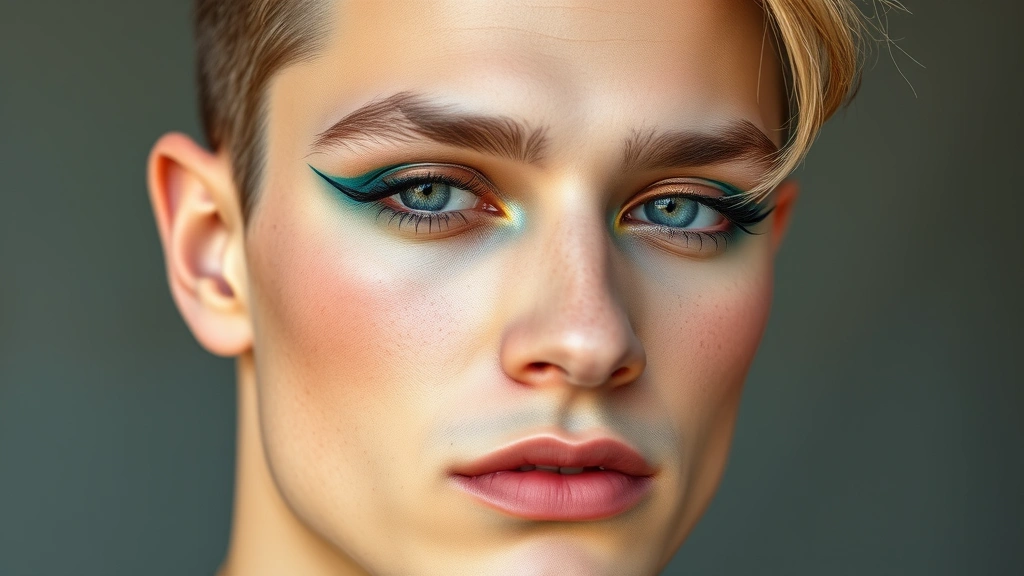
80s Men’s Fashion: Timeless Makeup Tips
80s Men’s Fashion: Timeless Makeup Tips for the Ultimate Retro Look
The 1980s were all about bold self-expression, and men’s fashion during this era embraced dramatic aesthetics that extended far beyond clothing. Makeup became a legitimate tool for creating unforgettable looks, whether you were channeling glam rock energy, new wave sophistication, or synth-pop flair. Today, the 80s aesthetic is experiencing a major revival, and many men are discovering that strategic makeup application can elevate their vintage-inspired style to authentic, eye-catching levels.
Unlike the heavy makeup trends of previous decades, 80s men’s makeup was intentional and artistic. It wasn’t about hiding imperfections—it was about creating presence and personality. From the perfectly sculpted eyebrows of new wave icons to the shimmering eyeshadow worn by glam rockers, makeup became part of the fashion statement itself. Whether you’re preparing for a themed event, building a costume, or simply wanting to explore bold beauty trends with historical roots, understanding how to apply 80s-inspired makeup will transform your entire look.
This comprehensive guide walks you through every essential technique, product choice, and styling decision needed to master 80s men’s makeup. We’ll explore how to balance color, texture, and intensity while maintaining an authentically retro vibe that feels confident rather than costume-like. Learn how to adapt these timeless techniques for modern sensibilities while honoring the fearless spirit that defined an entire decade.
Foundation and Skin Preparation
The foundation of any successful 80s makeup look begins with impeccable skin preparation. The 1980s celebrated a polished, almost porcelain finish that required meticulous base work. Before applying any color, invest time in proper skincare—cleanse, tone, and moisturize thoroughly. The 80s aesthetic often featured matte, almost airbrushed skin, which means your primer choice matters significantly.
Select a pore-minimizing primer that creates a smooth canvas for foundation application. The 80s preferred full-coverage foundations that provided an even, nearly flawless appearance. Look for formulas that offer buildable coverage without appearing heavy or cakey. Apply foundation using a damp beauty sponge in pressing motions rather than buffing, which helps achieve that signature polished finish. The goal is creating a blank slate that allows your makeup artistry to shine without visible texture or imperfections.
Concealer placement is crucial for the 80s aesthetic. Focus on under-eye areas, around the nose, and any blemishes or discoloration. The 80s didn’t shy away from full coverage—embrace it. Set your base with a translucent powder using a large fluffy brush, focusing on the T-zone where oil tends to accumulate. This step ensures your makeup stays put throughout the day and maintains that pristine, polished appearance that defined the era.

Eyebrow Definition and Shape
Eyebrows in the 80s were a statement. Whether you embraced the thin, highly arched brows of new wave culture or the thicker, more defined brows of glam rock, eyebrow shaping was non-negotiable. The key difference between 80s brows and modern trends is the intensity of the arch and the boldness of the color.
Start by mapping your brow shape using the standard method: hold a pencil vertically at your inner corner for the start point, angle it toward your pupil for the arch, and extend it to your temple for the tail. The 80s arch was typically much higher and more pronounced than contemporary preferences. Aim for a dramatic lift that creates an almost surprised expression—this intensity is authentically retro.
Use an eyebrow powder or pencil in shades darker than your natural hair color. The 80s favored bold definition, so don’t be shy with pigment. Fill in the entire brow with short, hair-like strokes, ensuring complete coverage. Many 80s makeup artists would over-line the brow slightly, creating a more structured appearance than natural brows. If you’re exploring sustainable fashion brands for your 80s wardrobe, remember that bold brows complement vintage silhouettes beautifully.
Set your brows with a clear or tinted brow gel to maintain shape throughout the day. The 80s brow should look intentional and sculpted—there’s no such thing as “too much” definition when recreating this era authentically.
Eyeshadow Techniques and Color Theory
Eyeshadow was where 80s men’s makeup truly became artistic and expressive. This decade embraced metallics, jewel tones, and unexpected color combinations that would seem outrageous by any other standard. The key to pulling off 80s eyeshadow is understanding color theory and application technique.
The classic 80s eyeshadow look utilized three complementary shades: a light highlight shade on the inner lid, a medium shade across the lid, and a darker shade in the crease for definition. However, the 80s also celebrated more experimental approaches—neon colors, shimmer-heavy textures, and bold color blocking were all acceptable.
Begin with an eyeshadow primer on your lids to ensure longevity and prevent creasing. Using a flat shader brush, apply your medium shade across the entire lid in one or two swipes. This becomes your base. Next, take a fluffy blending brush and apply your darker crease shade in the fold of your eye, using windshield wiper motions to blend. The 80s didn’t always blend seamlessly—defined color sections were often intentional and celebrated.
Apply your highlight shade to the inner corner and brow bone using a pencil brush or your finger. Metallics were huge in the 80s, so don’t hesitate to choose shimmery, reflective formulas. Popular color combinations included:
- Teal and copper: A striking contrast that became iconic in new wave makeup
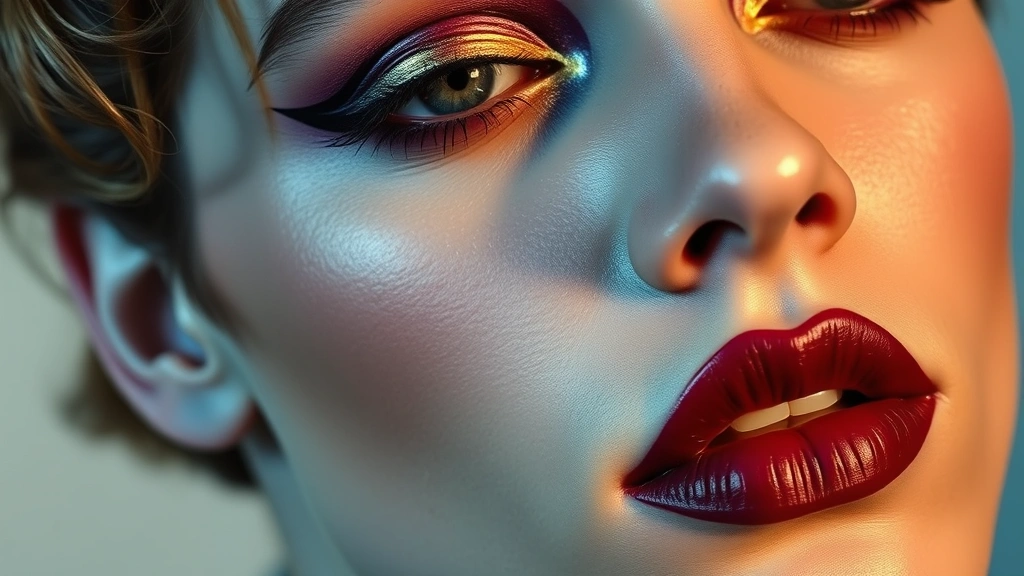
- Plum and gold: A luxurious combination favored by glam rock enthusiasts
- Electric blue and silver: An unmistakably bold 80s pairing
- Bronze and bronze: Monochromatic shimmer for a cohesive, glossy effect
- Turquoise and black: High contrast for maximum impact
The technique matters as much as color selection. Use dense, pigmented shadows applied with wet brushes for extra intensity. The 80s favored visible, buildable color rather than subtle transitions. Don’t blend to the point of invisibility—let your colors show their distinct personalities.
Eyeliner Precision and Graphic Lines
Eyeliner defined the 80s eye like nothing else. This wasn’t about natural-looking definition—eyeliner was bold, graphic, and intentional. From thin, precise lines to thick, heavily lined looks, eyeliner application was an art form.
Start with a liquid eyeliner for maximum precision and longevity. Line your upper lash line with a steady hand, creating a sharp line that follows your natural eye shape. The 80s often featured extended wings or graphic shapes—don’t be afraid to experiment with winged eyeliner, double lines, or geometric patterns.
For the lower lash line, apply eyeliner to the waterline using a pencil formula for softer intensity, or extend a graphic line along the lower lash line using liquid liner. Many 80s looks featured heavy lower lash line definition, creating an almost smoky effect. The goal is making your eyes appear larger and more dramatic.
Kohl eyeliner in black, brown, or jewel tones was essential to the 80s aesthetic. Some looks incorporated colored eyeliner on the waterline—purple, teal, or even white—to create unexpected visual interest. The key is commitment: if you’re using colored eyeliner, make it bold and visible rather than subtle.
Blush and Contouring Strategy
Blush in the 80s served a specific purpose: creating definition and adding color with visible intensity. This wasn’t about subtle flushing—blush was applied with intention and often visible from across a room.
Choose blush formulas with noticeable pigmentation. Apply using a large, fluffy brush, starting at the apples of your cheeks and blending upward toward the temples. The 80s placement was typically higher and more dramatic than contemporary blush trends. Many looks incorporated blush on the temples and even along the jawline for additional definition.
Color selection should complement your eyeshadow and overall look. Warm peachy tones, cool pinks, and even bold corals were popular. The intensity should match your eyeshadow intensity—if you’re wearing bold, shimmery eyeshadow, your blush should be equally noticeable.
Contouring in the 80s was less about subtle sculpting and more about visible definition. Use a bronzer or contour shade two to three shades darker than your skin tone. Apply to hollows of cheeks, temples, and along the jawline using a blending brush. The 80s didn’t fear visible contour lines—this was about creating structure and drama, not seamless blending.
Lip Color and Finish Selection
Lip color choices in 80s men’s makeup ranged from subtle to boldly statement-making, depending on the specific aesthetic you were channeling. New wave looks often featured darker, cooler-toned lips, while glam rock embraced brighter, more theatrical shades.
Prep your lips with a gentle exfoliant and balm to ensure smooth application. Line your lips using a lip pencil in a shade matching or slightly darker than your lipstick. The 80s often featured slightly over-lined lips for fuller appearance and enhanced definition.
For lip color, consider these popular 80s options:
- Deep burgundy: A sophisticated choice for new wave aesthetics
- Bright red: A bold classic that never goes out of style
- Plum or mauve: A cooler tone for edgy, alternative looks
- Nude or natural: A subtle choice that lets eyeshadow take center stage
- Metallic or frost: An adventurous, unmistakably 80s option
Finish selection matters significantly. The 80s embraced both matte and glossy finishes. Matte lips created a more dramatic, structured appearance, while glossy finishes added shine and modernity. Many 80s looks layered products—applying matte lipstick first, then adding gloss over top for dimension.
Setting Products for All-Day Wear
Once you’ve applied all your makeup, setting products ensure your look survives the entire day without fading or creasing. The 80s aesthetic, with its bold colors and precise lines, demands excellent product longevity.
Use a translucent setting powder to lock in your base and eyeshadow. Apply with a light hand to avoid appearing cakey or chalky. For eyeshadow specifically, apply powder over your shadows after blending to set color and prevent migration throughout the day.
A setting spray is absolutely essential for 80s makeup looks. These products chemically bond makeup to your skin, creating a protective layer that extends wear time significantly. Apply setting spray in light misting motions, holding the bottle 6-8 inches from your face. Allow it to dry completely before touching your face.
Consider using primer and setting spray designed specifically for eyeshadow longevity. The bold, shimmery shadows typical of 80s looks can migrate without proper setting. Eyeshadow primers create adhesive bases that prevent creasing and fading, while setting sprays seal everything in place.
Product Recommendations and Brands
Achieving authentic 80s makeup requires products that deliver the pigmentation, longevity, and finish quality that era demands. Modern makeup formulations often excel at these requirements while offering superior wear time compared to actual 1980s products.
For foundations, look for full-coverage formulas from brands like Maybelline Fit Me or MAC Face and Body. These provide the polished, airbrushed finish essential to the aesthetic. Urban Decay Primer Potion is an excellent eyeshadow primer that prevents creasing and extends wear time dramatically.
Eyeshadow palettes with metallics and bold colors are essential. Brands like Morphe and Anastasia Beverly Hills offer palettes with the pigmentation and shimmer quality that 80s looks require. For eyeliner, liquid formulas from Stila or Fenty Beauty provide precision and longevity.
Blush and bronzer in warm, peachy, or bold tones complete the look. MAC Powder Blush offers incredible color range and blendability. For setting, Urban Decay All Nighter Setting Spray is legendary for keeping makeup intact throughout extended wear.
Styling Your Makeup with 80s Fashion
Your makeup should coordinate with your overall 80s aesthetic. The clothing, hair, and makeup should feel cohesive, creating a complete look rather than isolated elements.
If you’re wearing bold, graphic eyeshadow, consider keeping your lip color more neutral to avoid overwhelming your face. Conversely, if you’re opting for neutral eyeshadow, a bold lip color becomes the statement feature. This balance creates visual harmony.
Hair styling should complement your makeup intensity. Voluminous, styled hair pairs beautifully with bold makeup, while slicked-back or more minimal hair works with slightly subtler makeup applications. The key is ensuring every element feels intentional and coordinated.
Consider the specific 80s subculture you’re channeling. New wave aesthetics pair well with cooler color palettes and more angular, graphic makeup application. Glam rock embraces warmer metallics, bolder blush, and more theatrical overall presentation. Synth-pop allows for the most experimental color combinations and finishes.
When coordinating with fashion choices that consider environmental impact, remember that 80s style transcends fast fashion trends—it’s a timeless aesthetic that celebrates individual expression and creative confidence. Your makeup should reflect this same fearless approach to self-presentation.
FAQ
Can men wear makeup in everyday settings without looking costume-like?
Absolutely. The key is modifying intensity based on context. Subtle eyeshadow, well-defined brows, and light blush can enhance your features without appearing theatrical. Start with minimal products and gradually increase intensity as you build confidence.
What’s the best way to learn eyeliner application?
Practice is essential. Start with pencil eyeliner, which is more forgiving than liquid, before progressing to liquid formulas. Use steady hand motions and keep your eyes open while applying to ensure accuracy. Many makeup artists recommend practicing in natural lighting rather than artificial bathroom lighting.
How do I choose eyeshadow colors that complement my skin tone?
Cool skin tones (with pink or red undertones) pair beautifully with jewel tones, silvers, and cooler metallics. Warm skin tones (with yellow or golden undertones) shine with warm metallics, coppers, and earthy shades. Neutral skin tones can pull off nearly any color. Experiment with different palettes to discover your most flattering shades.
Is it necessary to use eyeshadow primer?
For 80s makeup specifically, yes. The bold, shimmery shadows and dramatic looks require excellent longevity. Primers prevent creasing, extend wear time, and enhance color payoff dramatically. They’re worth the investment.
How can I remove 80s makeup without damaging my skin?
Use a gentle makeup remover or oil-based cleanser to dissolve makeup. Micellar water works well for lighter makeup. Follow with your regular facial cleanser and moisturizer. Never scrub aggressively—allow products time to dissolve makeup before gently wiping away.
What’s the difference between 80s makeup and 80s costume makeup?
Authentic 80s makeup emphasizes quality application, blending, and coordination with fashion. Costume makeup often exaggerates features and appears intentionally theatrical. Focus on precision, color harmony, and balanced intensity to achieve authentic rather than costume-like results.
Can I wear 80s makeup with modern clothing?
Yes, but the juxtaposition works best with intention. Pair bold 80s makeup with modern pieces that have retro influences—vintage band tees, oversized blazers, or contemporary pieces with 80s silhouettes. The cohesion creates an intentional aesthetic rather than appearing mismatched.
How long does 80s makeup typically last?
With proper primers and setting sprays, 80s makeup can last 12-16 hours. Without setting products, expect 4-6 hours before noticeable fading or creasing. The bold colors and multiple layers require excellent product selection for longevity.

Related Posts

Perfect Old Fashioned Donut: Baker’s Secrets
Old Fashioned Chocolate Pie Recipe? Chef’s Favorite