Visual Kei Makeup: Expert Tips for a Bold Look
Visual Kei Makeup: Expert Tips for a Bold Look
Visual Kei makeup is more than just a beauty trend—it’s a dramatic expression of individuality rooted in Japanese rock culture. This striking aesthetic combines theatrical elements, bold colors, and intricate designs to create a powerful visual statement. Whether you’re attending a concert, embracing the subculture, or simply looking to experiment with dramatic makeup, mastering visual kei techniques will transform your entire appearance.
The beauty of visual kei lies in its fearlessness. Unlike mainstream makeup trends that often play it safe, this style celebrates exaggeration, symmetry, and artistic flair. From sharp eyeliner wings to elaborate eye designs, every element serves a purpose in the overall aesthetic. This guide will walk you through the essential techniques, product recommendations, and styling tips to help you achieve an authentic visual kei look that turns heads.
Understanding Visual Kei Aesthetics
Visual Kei emerged in the 1980s as a Japanese rock movement that prioritized visual presentation as much as musical performance. The makeup aesthetic draws inspiration from kabuki theater, glam rock, and punk culture, creating a unique fusion that remains instantly recognizable. Understanding the philosophy behind visual kei makeup helps you create authentic looks rather than simply applying dramatic colors.
The core principle of visual kei is intentional asymmetry and symmetry used strategically. While some elements are perfectly balanced (like eyebrows), others deliberately break symmetry to create visual interest. The style embraces darkness, often featuring black as a dominant color, paired with unexpected pops of vibrant hues. Studying the beauty and fashion communities can help you understand how subcultures influence makeup trends globally.
Visual kei makeup celebrates individuality within a cohesive aesthetic framework. Whether you prefer the darker, more Gothic approach or the theatrical, colorful interpretation, the key is confidence and precision. The look demands clean lines, bold choices, and attention to detail that sets it apart from everyday makeup applications.
Essential Eye Makeup Techniques
Eyes are the focal point of any visual kei makeup look. This is where you’ll spend most of your time and creativity. The eye makeup typically features exaggerated shapes, dramatic wings, and often intricate designs that extend beyond traditional makeup boundaries.
Creating Sharp Eyeliner Wings: The foundation of visual kei eyes is a perfectly executed eyeliner wing. Start with a black liquid or gel eyeliner and draw a thin line along your upper lash line. Extend this line upward and outward at a sharp angle, creating a dramatic wing that can extend up to half an inch beyond your eye. The key is using a steady hand and multiple thin strokes rather than one thick line. This technique requires practice, but precision is non-negotiable in visual kei aesthetics.
Layering Eye Shadows: Visual kei often incorporates multiple eye shadow layers to create depth and dimension. Begin with a dark base color across the entire lid, then add lighter or contrasting colors to create defined shapes. Many visual kei looks feature geometric patterns, with colors applied in specific sections. Use matte shadows for structured shapes and shimmers for highlights that catch light during performances or photography.
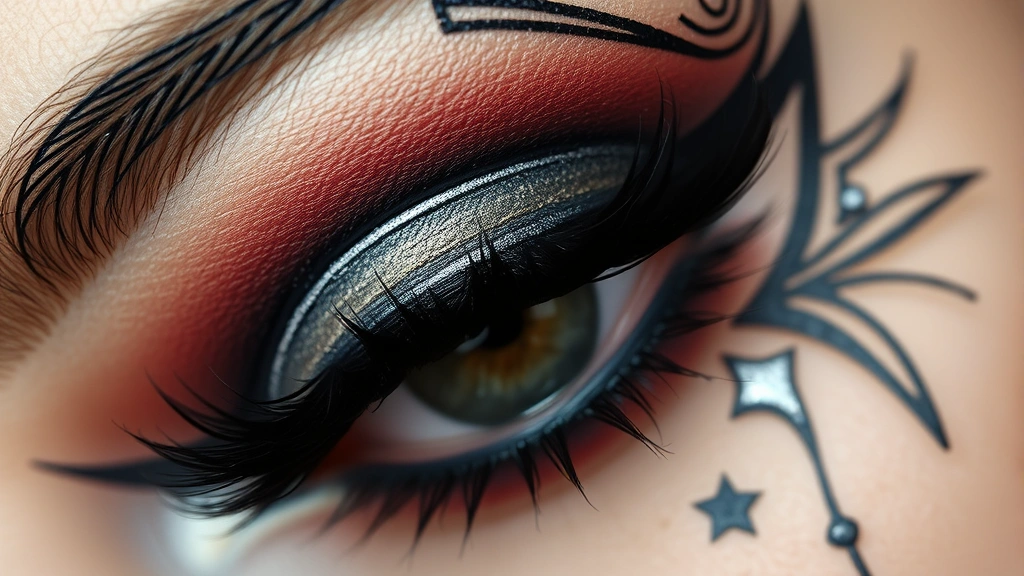
Designing Eye Graphics: Beyond basic makeup, visual kei artists often paint designs directly onto the eyelids and surrounding areas. These might include geometric patterns, symbols, or artistic elements that extend from the corner of the eye. Thin brushes and precision are essential for this advanced technique. Some artists use makeup stencils or plan their designs beforehand with light pencil marks.
Under-Eye Emphasis: Don’t neglect the area beneath your eyes. Visual kei makeup often extends downward with matching eyeliner, creating a complete frame around the eye. Apply eyeliner to your lower lash line and extend it slightly past the outer corner, mirroring the upper wing. This creates visual balance and intensifies the dramatic effect.
Lower lashes deserve special attention too. Consider applying false lashes or using a volumizing mascara on both upper and lower lashes. Some visual kei artists even paint additional lash-like strokes beneath the eye for added drama.
Color Integration: While black is the traditional choice, visual kei makeup can incorporate bold colors around the eyes. Deep purples, blues, reds, or even silver can be used in the crease or as accent colors. The key is maintaining the dramatic, intentional aesthetic rather than creating a casual, blended look.
Face Preparation and Base
A flawless base is crucial for visual kei makeup, as the dramatic eye and lip work demands a clean canvas. Start with a thorough skincare routine—cleanse, tone, and moisturize your face. Visual kei makeup can be heavy, so proper hydration prevents your skin from looking dry or flaky.
Apply a primer across your entire face, paying special attention to your eyelids where eyeliner must stay put throughout the day or performance. A good primer extends makeup longevity and provides a smooth surface for application. Look for primers designed specifically for long-wear makeup or stage performance.
Choose a foundation that matches your skin tone perfectly. Visual kei often features pale or heavily powdered complexions, so some practitioners intentionally use a lighter shade or apply additional powder for a stark, theatrical appearance. This is an artistic choice—work with your skin tone and personal preference.
Concealer should be applied under the eyes and around any blemishes. Set everything with translucent powder, using a fluffy brush to apply it evenly. The goal is a smooth, matte base that won’t interfere with your eye and lip designs. Some visual kei looks intentionally incorporate white or pale powder as part of the aesthetic, creating a kabuki-inspired appearance.
Color Palettes and Design Ideas
Visual kei offers endless creative possibilities with color. The traditional palette centers on black, white, and deep jewel tones, but modern interpretations embrace broader color ranges.
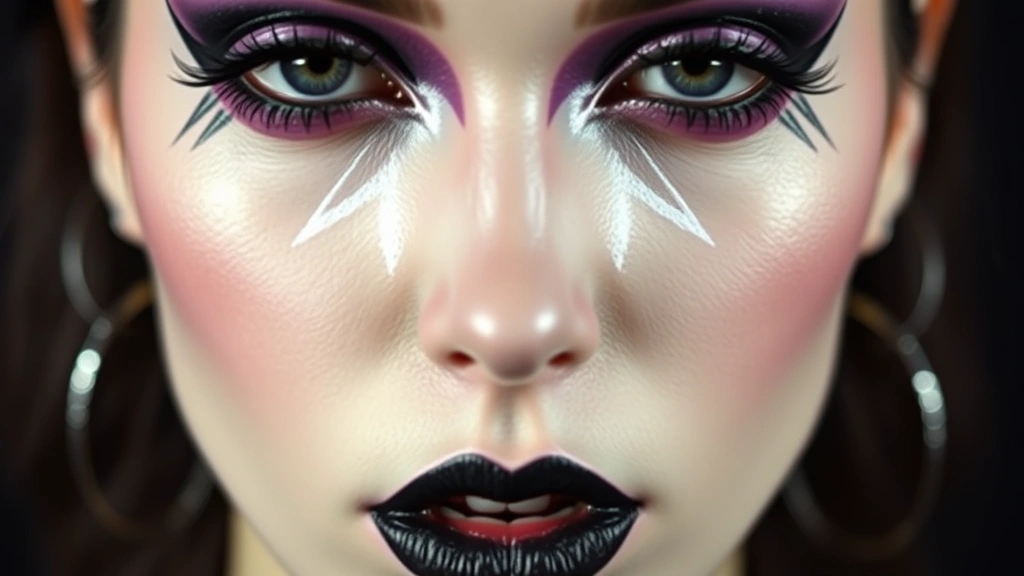
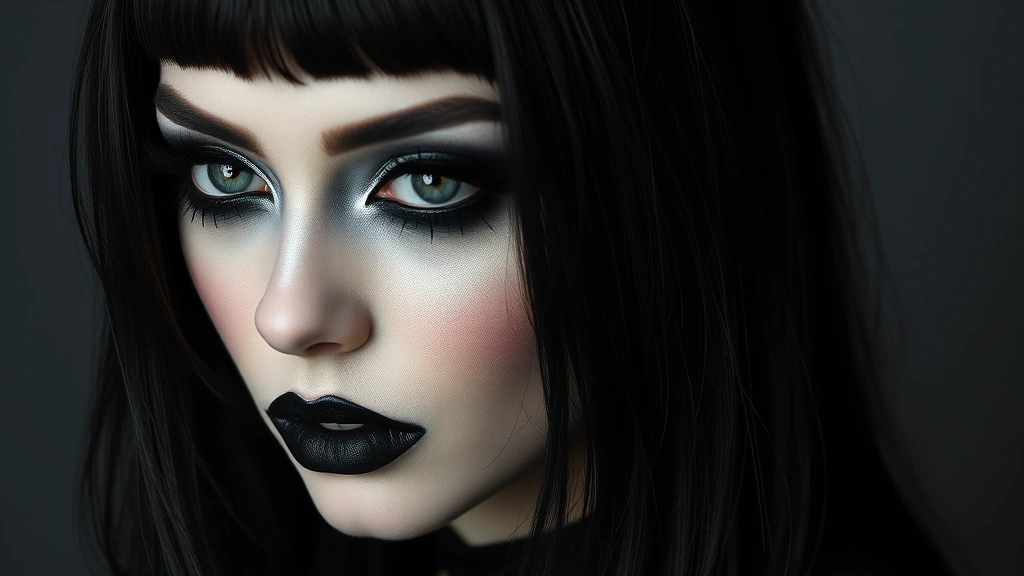
Classic Dark Palette: Black eyeliner, deep purple or burgundy eye shadows, and black lipstick create the quintessential visual kei look. This palette evokes the gothic, theatrical roots of the aesthetic. Add silver or metallic accents for dimension and light reflection.
Jewel Tone Palette: Deep emerald, sapphire blue, and ruby red create a regal, dramatic appearance. These colors work beautifully with black eyeliner and can be applied in geometric sections or gradient patterns. Jewel tones photograph beautifully and maintain visual impact in various lighting conditions.
Theatrical Color Palette: Some visual kei artists embrace brighter colors like hot pink, electric blue, or gold. These looks are particularly striking for performances and photography. The key is maintaining clean lines and intentional design rather than blending colors casually.
Monochromatic Designs: Create sophisticated looks using various shades of a single color. A monochromatic silver look or gradient of purples creates cohesion while maintaining dramatic impact. This approach is excellent for those new to visual kei, as it simplifies color coordination.
Symmetrical vs. Asymmetrical Designs: Decide whether your look will feature matching designs on both eyes or deliberately different patterns. Symmetrical designs feel more balanced and polished, while asymmetrical designs create artistic tension and intrigue. Both approaches are valid within visual kei aesthetics.
Lip and Cheek Techniques
Lips in visual kei makeup are typically bold and perfectly defined. Black, deep burgundy, or blood red are traditional choices, though some looks incorporate metallics or unconventional colors.
Start by outlining your lips with a lip liner that matches or is slightly darker than your lip color. Draw a precise line around your entire mouth, potentially exaggerating the shape slightly for dramatic effect. Fill in with lipstick using a lip brush for clean application. Matte finishes are most common in visual kei, though some artists use glossy finishes for a different aesthetic.
For maximum precision and longevity, use a long-wear lip formula or lip stain beneath your lipstick. This prevents feathering and maintains color throughout the day or performance. Set your lipstick with translucent powder if using a matte formula.
Cheeks in visual kei makeup are often understated compared to the eyes and lips. A subtle contour defines bone structure without competing for attention. Apply a cool-toned blush in muted tones—dusty rose, mauve, or even a touch of the eyeshadow color can work. The goal is subtle definition rather than obvious color.
Some visual kei looks incorporate white or pale powder on cheekbones for a theatrical, kabuki-inspired appearance. This technique requires a light hand to avoid looking costume-like unless that’s your intentional aesthetic.
Tools and Product Recommendations
Quality tools make a significant difference in executing visual kei makeup. Invest in these essential items:
- Eyeliner Brushes: Thin, angled brushes provide precision for sharp wings and detailed designs. Both liquid and gel eyeliner work well; choose based on your comfort and the finish you prefer.
- Eye Shadow Brushes: Flat brushes for precise color placement, fluffy brushes for blending, and small detail brushes for intricate designs. A variety ensures you can execute any technique.
- Lip Brushes: Precise application prevents feathering and ensures clean edges. A quality lip brush is essential for bold lip colors.
- Powder Brushes: Fluffy brushes for setting powder, angled brushes for contouring and blush application.
- Makeup Setting Spray: Essential for ensuring your dramatic makeup lasts through performances or long events. Look for long-wear formulas designed for stage makeup.
Product recommendations for visual kei makeup include:
- Eyeliners: Liquid or gel formulas in black provide the sharpest lines. Brands like Nykaa and specialty theatrical makeup brands offer excellent options for precision.
- Eye Shadows: Matte and shimmer palettes with deep colors are essential. Look for highly pigmented formulas that apply smoothly and don’t crease.
- Primers: Long-wear primers designed for sensitive skin and extended wear prevent creasing and ensure color stays vibrant.
- False Lashes: Dramatic lashes enhance the theatrical effect. Choose styles that are full and dark, with varied lengths for natural appearance.
- Lip Products: Long-wear liquid lipsticks or traditional lipsticks with lip liners ensure bold colors stay put. Matte formulas are traditional for visual kei.
Sustainable fashion choices extend to beauty products too. Consider exploring sustainable beauty brands that align with conscious consumption practices while maintaining the quality needed for visual kei makeup.
Styling Your Complete Look
Visual kei makeup is only part of the complete aesthetic. Hair, clothing, and accessories work together to create a cohesive appearance that truly embodies the style.
Hair Styling: Hair in visual kei is typically dramatic and voluminous. Teased, sprayed, or styled in elaborate shapes, hair frames the face and emphasizes the makeup. Black is traditional, though colored hair—particularly deep purples, reds, or whites—are common. Consider wigs if you prefer to protect your natural hair or experiment with different styles.
Clothing Choices: Visual kei fashion often features black as the dominant color, with accents of texture, metal, and bold designs. Leather, lace, and structured silhouettes are common. Your clothing should complement rather than compete with your makeup. Consider the broader fashion industry’s environmental impact when selecting pieces.
Accessories: Chains, studded belts, rings, and other metal accessories enhance the visual kei aesthetic. Ensure accessories don’t overshadow your carefully executed makeup but rather complement the overall presentation.
Photography Considerations: Visual kei makeup is designed to make an impact. When photographing your look, use lighting that highlights your eye makeup and lip color. The dramatic nature of the aesthetic translates beautifully to photography and video.
For performances or events, test your makeup application beforehand. Practice your techniques, time how long application takes, and ensure everything stays in place throughout the duration. Make any adjustments to products or application methods as needed.
Remember that visual kei is about personal expression and artistic creativity. While there are traditional elements, the subculture celebrates individuality. Don’t be afraid to experiment, combine different styles, and develop your unique visual kei aesthetic.
FAQ
How long does it take to apply visual kei makeup?
A complete visual kei makeup look typically takes 45 minutes to 2 hours, depending on complexity and your experience level. Beginners should allow extra time, while experienced artists work faster. Practice accelerates your speed while maintaining precision.
Can I wear visual kei makeup casually?
Absolutely! While visual kei originated in concert and performance contexts, it’s now worn casually by enthusiasts. Adapt the intensity to your comfort level—you can create toned-down versions or go full theatrical. The aesthetic is about self-expression.
What’s the best eyeliner for sharp wings?
Liquid eyeliners with fine tips provide the sharpest lines. Gel eyeliners offer precision and long-wear properties. Experiment with different formulas to find what works best with your hand stability and application style. Waterproof formulas resist smudging.
How do I make my visual kei makeup last all day?
Use quality primers, long-wear formulas, and setting spray. Apply makeup in thin layers rather than thick coats—this prevents creasing and ensures longevity. Set everything with translucent powder. For performances, theatrical makeup products are specifically designed for extended wear.
Is visual kei makeup only black?
No! While black is traditional, visual kei embraces bold colors. Deep jewel tones, metallics, and even brighter colors can be incorporated. The key is intentional design and precision rather than specific color requirements.
Can I create visual kei looks with limited makeup experience?
Yes, though it requires practice and patience. Start with simpler designs—bold eyeliner and lip color are easier than intricate eye graphics. As your skills develop, experiment with more complex techniques. Online tutorials and practice are invaluable resources.
What’s the difference between visual kei and other dramatic makeup styles?
Visual kei specifically originates from Japanese rock culture and emphasizes theatrical, often asymmetrical designs with precise lines. While other dramatic makeup styles exist, visual kei has distinctive aesthetic principles rooted in kabuki theater and punk culture. The philosophy celebrates individuality within the subculture’s framework.

Related Posts

Perfect Old Fashioned Donut: Baker’s Secrets
Old Fashioned Chocolate Pie Recipe? Chef’s Favorite