Manhattan vs Old Fashioned: Bartender’s Tips
Manhattan vs Old Fashioned: Bartender’s Tips for Mastering Classic Cocktails
When it comes to timeless cocktails, two names stand above the rest: the Manhattan and the Old Fashioned. These iconic drinks have graced the glasses of presidents, artists, and cocktail enthusiasts for over a century. While both are spirit-forward, sophisticated libations, they represent distinctly different approaches to cocktail craftsmanship. Understanding the nuances between these classics isn’t just about appreciating history—it’s about developing the skills to execute them flawlessly behind the bar.
Whether you’re a professional bartender looking to refine your technique or a home mixologist eager to expand your repertoire, mastering these two cocktails opens doors to deeper cocktail knowledge. The Manhattan and Old Fashioned teach fundamental principles about balance, dilution, temperature, and flavor integration that apply across the entire spectrum of classic cocktails. In this comprehensive guide, we’ll explore the distinctions, similarities, and pro tips that separate a mediocre pour from a memorable drink.
The Origins and History
The Manhattan emerged in the 1870s at the Manhattan Club in New York City, though some cocktail historians credit its creation to a bartender named Black at a bar on Broadway. The drink gained prominence during the golden age of cocktails and remains one of the most ordered classics in upscale bars worldwide. Its rise coincided with American whiskey’s growing sophistication and the increasing popularity of vermouth in cocktail culture.
The Old Fashioned, by contrast, has more ambiguous origins but is generally credited to bartenders at the Pendennis Club in Louisville, Kentucky, around the 1880s. Some attribute it to the Waldorf-Astoria Hotel in New York. The Old Fashioned represents a different philosophy—one that emphasizes simplicity and the inherent quality of the base spirit. It’s a drink that evolved from drinkers asking bartenders to make cocktails “the old fashioned way,” stripping away the complexity that was becoming fashionable.
Understanding this historical context helps explain why these cocktails taste so different. The Manhattan is a product of the cocktail innovation era, while the Old Fashioned is a reaction against over-complication. Both philosophies remain relevant today in contemporary cocktail culture, where bartenders balance creativity with classical respect.
Core Ingredients Breakdown
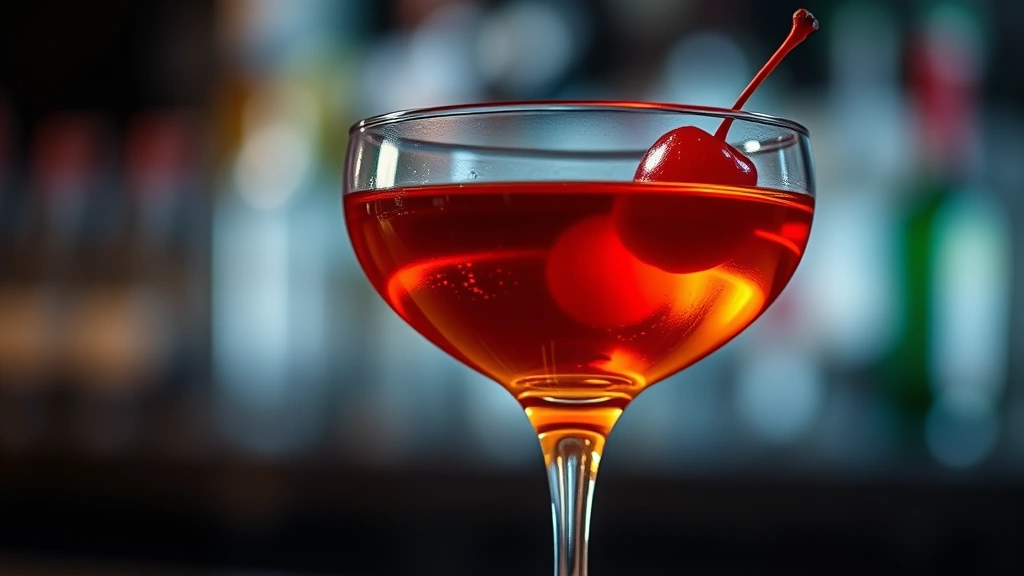
The Manhattan’s ingredient list is elegantly simple: whiskey, sweet vermouth, and Angostura bitters, typically served up in a coupe glass with a cherry. Most bartenders use a 2:1 ratio of whiskey to vermouth, though some prefer 3:1 for a drier profile. The choice of whiskey matters significantly—rye whiskey produces a spicier, more assertive Manhattan, while bourbon creates something rounder and sweeter.
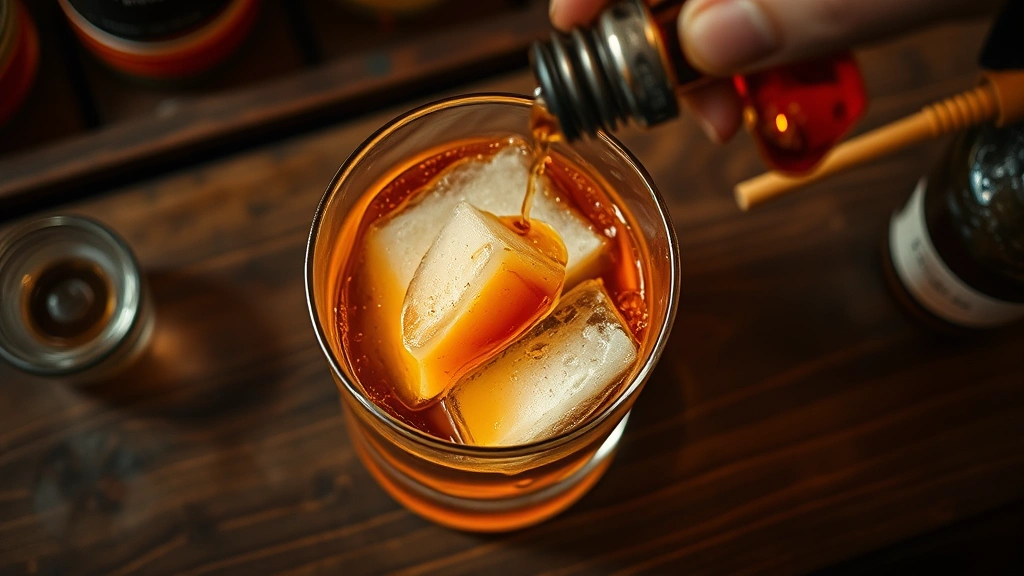
The Old Fashioned maintains an even simpler ingredient philosophy: whiskey, sugar, Angostura bitters, and water. That’s it. No vermouth, no citrus, no complications. The drink serves as a showcase for the whiskey itself, with other ingredients playing supporting roles. A traditional Old Fashioned uses a sugar cube or simple syrup, a splash of water, and 2-3 dashes of Angostura bitters stirred with ice and served in a rocks glass with a large format ice cube.
The vermouth difference is crucial. Sweet vermouth in a Manhattan adds herbal complexity, sweetness, and body. This layering of flavors creates a more complex drinking experience. The Old Fashioned’s absence of vermouth means the whiskey’s natural characteristics remain the star, with sugar and bitters providing subtle enhancement rather than transformation.
Quality ingredients make an enormous difference in both drinks. Use premium whiskey—this isn’t where to economize. For Manhattans, invest in quality sweet vermouth like Carpano Antica Formula or Noilly Prat Rouge. For Old Fashioneds, fresh Angostura bitters and real sugar (not artificial sweeteners) are non-negotiable.
Preparation Techniques
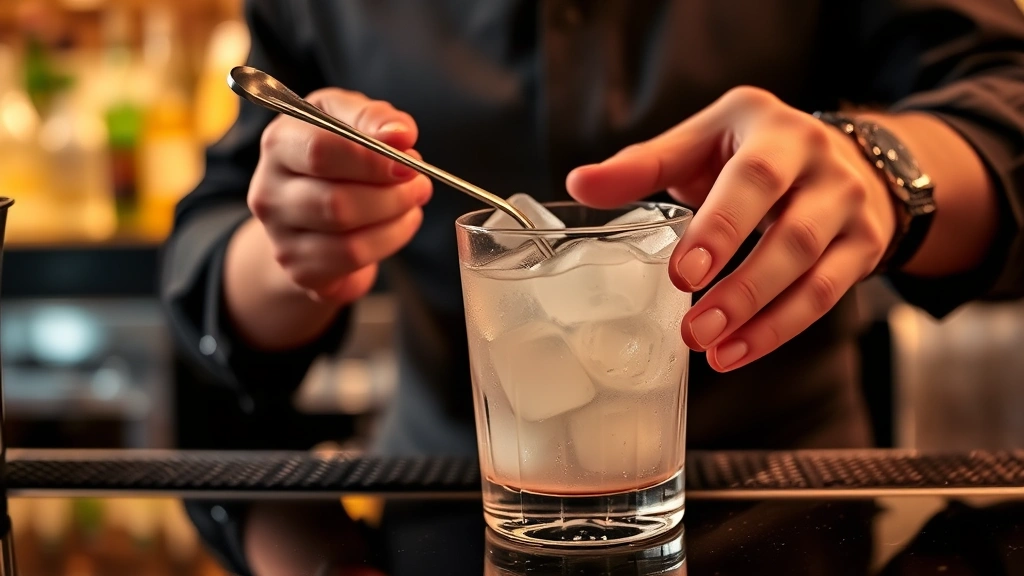
The Manhattan is always stirred, never shaken. This distinction matters because stirring achieves the proper dilution and chill while maintaining clarity. Use a bar spoon and mixing glass, stirring for approximately 30 seconds with ice. The goal is to reach proper temperature (around 28°F) and achieve the right water content without introducing air bubbles that shaking would create.
Start by adding ice to your mixing glass—use large, preferably one large cube or several large pieces rather than crushed ice. Pour your whiskey first, then add your vermouth. Some bartenders add bitters during the pour; others add them after. Add your bitters last, as they’re potent and should be distributed evenly through the final stir. The technique here is meditative and precise.
The Old Fashioned also gets stirred, but the preparation method differs significantly. Begin by placing a sugar cube (or teaspoon of sugar) in your rocks glass. Add 2-3 dashes of Angostura bitters directly to the sugar. Some bartenders add a small splash of water here, but the traditional method uses just the bitters. Gently muddle the sugar and bitters together—this isn’t aggressive crushing, but rather a gentle pressing to dissolve the sugar and release the bitters’ aromatics.
Next, add one large ice cube (ideally 2 inches square) to the glass. Pour your whiskey over the ice—typically 2 ounces for a standard serving. Some bartenders add a tiny splash of water here to help dilute the drink slightly. The Old Fashioned is built in the glass rather than prepared in a mixing vessel, making it a more theatrical and personal preparation.
Temperature and Dilution
Proper dilution separates professional cocktails from amateur attempts. Both the Manhattan and Old Fashioned require adequate water content to open up the spirits’ flavors and reduce alcohol burn. However, they achieve this differently.
The Manhattan’s dilution comes entirely from the ice during stirring. Aim for approximately 20-25% dilution—roughly one part water added to four parts spirits. This typically takes 30-35 seconds of stirring with quality ice. The drink should feel silky on the palate, with the whiskey and vermouth in perfect harmony. If your Manhattan tastes too hot or sharp, you haven’t stirred long enough.
The Old Fashioned’s dilution is more nuanced. The initial sugar and bitters mixture, plus the small splash of water some bartenders add during muddling, provides the first layer. Then the ice provides additional dilution during the drink’s consumption. Because the Old Fashioned uses a single large ice cube, dilution happens slowly as you sip, creating an evolving drinking experience. This slow dilution is intentional—it’s part of the drink’s design.
Temperature control is equally important. Both drinks should be properly chilled before serving. The Manhattan, being served up in a coupe glass, should be cold enough to maintain its temperature through the initial sips. The Old Fashioned, served over ice in a rocks glass, maintains its chill throughout the drinking experience. Using quality, large ice cubes is essential—small ice melts too quickly, creating excessive dilution.
Garnish Philosophy
The Manhattan traditionally garnishes with a cherry—specifically, a maraschino cherry. Bartenders have strong opinions about this. Classic bartenders prefer a real cherry (like a Luxardo cherry) rather than the neon-red artificial versions found in many bars. The cherry serves both aesthetic and functional purposes: it’s visually appealing and provides a subtle cherry note when consumed after finishing the drink.
Some modern bartenders experiment with cherry variations or even citrus twists, but the traditional cherry remains the standard. The cherry should be speared on a pick or cocktail stick and rested across the top of the glass. It’s not merely decoration—it’s an integral part of the drinking experience.
The Old Fashioned’s garnish situation is more contested. Traditionally, it receives a lemon twist—a strip of lemon peel expressed over the drink to release the oils, then dropped into the glass. This adds a subtle citrus note that complements the whiskey without overwhelming it. Some bartenders also add an orange twist or even a cherry, but purists argue for the lemon twist alone.
The twist technique matters. Using a channel knife or vegetable peeler, cut a strip of peel approximately 2-3 inches long and ½ inch wide. Hold the peel over the drink with the colored side facing down, bend it slightly to express the oils, and watch them mist across the surface. This aromatics component is why the twist matters—it’s not just visual.
Flavor Profiles Compared
The Manhattan presents a smooth, rounded flavor profile. The whiskey provides the foundation, the vermouth adds herbal sweetness and body, and the bitters tie everything together with subtle spice notes. The cherry garnish contributes a gentle fruity note. The overall impression is sophisticated and approachable—balanced enough for someone new to cocktails but complex enough to reward careful attention.
The Old Fashioned offers a more austere, spirit-forward experience. The whiskey is the undeniable star, with bitters providing spice and complexity, and sugar adding subtle sweetness. There’s no vermouth to soften the whiskey’s edges, making the choice of base spirit critically important. A high-quality rye whiskey creates something peppery and elegant, while bourbon produces something warmer and more caramel-forward.
When considering flavor, think about the context. The Manhattan works beautifully as an aperitif—it’s welcoming and complex without being challenging. The Old Fashioned is a drink for serious whiskey appreciation, best enjoyed as a digestif or during contemplative moments. This contextual consumption reflects different drinking philosophies and occasions.
The bitters in each drink play different roles. In the Manhattan, they’re one component among several, adding complexity to an already multifaceted drink. In the Old Fashioned, they’re essential—they’re what transforms simple whiskey and sugar into something greater than the sum of its parts. This distinction explains why Old Fashioned drinkers are often passionate about bitters quality.
Common Mistakes to Avoid
One of the most common Manhattan mistakes is using low-quality vermouth or, worse, using dry vermouth instead of sweet vermouth. A Manhattan made with dry vermouth is technically a different drink (sometimes called a Dry Manhattan). Always confirm you’re using sweet vermouth unless specifically requested otherwise.
Another frequent error is inadequate stirring. Bartenders in a hurry sometimes stir for only 10-15 seconds, resulting in a warm, undiluted drink that tastes harsh. Commit to a full 30 seconds of stirring. Your guests won’t mind waiting for a properly executed cocktail.
Shaking a Manhattan is a cardinal sin in classical bartending. Shaking introduces air bubbles and creates an unpleasant texture. Stirring creates a silky, smooth cocktail. If someone requests a shaken Manhattan, politely explain that stirring is the traditional method and produces a superior result.
For Old Fashioneds, the most common mistake is over-muddling the sugar and bitters. Aggressive muddling breaks down the sugar too quickly and can create a gritty texture. Gentle pressure is all that’s needed—you’re dissolving the sugar, not pulverizing it. Some bartenders prefer using simple syrup instead of a sugar cube, which eliminates muddling entirely.
Another Old Fashioned mistake is using too much water. Some bartenders add excessive water during preparation, resulting in a drink that’s too dilute and lacks the whiskey’s character. The water should be minimal—just enough to help dissolve the sugar and bitters.
Artificial cherry garnishes in Manhattans are another frequent offense. Those neon-red maraschino cherries from the bottom of a jar add nothing but artificial flavor. Invest in quality cherries like Luxardo—your cocktails will improve dramatically.
When to Serve Each Cocktail
Understanding context helps you recommend the right cocktail to the right guest at the right time. The Manhattan works beautifully as an evening aperitif—it’s elegant enough for a special occasion but accessible enough for regular enjoyment. It pairs well with light appetizers and doesn’t overwhelm the palate before dinner.
The Old Fashioned is a contemplative drink, best enjoyed slowly and deliberately. It’s perfect as a digestif after dinner or during quiet moments when you want to appreciate quality spirits. It’s also the drink of choice for serious whiskey enthusiasts who want to experience their spirit of choice without interference.
Consider the season, too. Both cocktails work year-round, but many bartenders find the Manhattan slightly more appealing in cooler months, while the Old Fashioned’s simplicity makes it timeless. Temperature doesn’t significantly affect either drink’s appropriateness.
The Manhattan is also more forgiving for bartenders still developing their skills—the vermouth and bitters provide complexity that can mask minor execution errors. The Old Fashioned, by contrast, demands precision because there’s nowhere for mistakes to hide. Every element matters in such a simple drink.
For events and gatherings, the Manhattan scales better—you can batch them in advance and serve them quickly. The Old Fashioned requires individual preparation, making it better suited for intimate settings or when you want to showcase bartending technique. This practical consideration often influences which cocktail appears on bar menus.
Pro bartenders often develop signature variations of these classics. Some Manhattans incorporate a small amount of orange bitters alongside Angostura, or use a combination of sweet and dry vermouth. Some Old Fashioneds employ house-made bitters or add a tiny splash of absinthe for extra complexity. These variations respect the original while adding personal flair.
Understanding these classics deeply also helps you navigate customer requests intelligently. If someone asks for a “sweeter Manhattan,” you might increase the vermouth ratio slightly or use a particularly aromatic vermouth. If they want a “stronger Old Fashioned,” you might use a higher-proof whiskey or reduce the water content. Bartending is about communication and customization within the bounds of classical technique.
The Manhattan and Old Fashioned also teach important lessons about balance and proportion that apply to countless other cocktails. The Manhattan’s approach to combining multiple ingredients while maintaining harmony applies to Negronis, Sazeracs, and other complex drinks. The Old Fashioned’s minimalist philosophy influences countless spirit-forward cocktails. Mastering these two drinks elevates your entire bartending repertoire.
Temperature management, proper stirring technique, understanding dilution, selecting quality ingredients, and respecting classical proportions—these principles learned through Manhattan and Old Fashioned preparation become foundational to all your cocktail work. This is why bartenders worldwide consider these classics essential knowledge.
The beauty of these cocktails lies partly in their simplicity and partly in their depth. Anyone can pour whiskey and vermouth into a glass, but creating a truly exceptional Manhattan requires understanding technique, temperature, dilution, and ingredient quality. Similarly, anyone can make an Old Fashioned, but mastering it demands respect for the spirit and precision in execution.
As you develop your bartending skills, return to these classics repeatedly. Notice how small changes in stirring time affect the final product. Experiment with different whiskeys and observe how they change the drink’s character. Try various vermouths in your Manhattan and taste how each one transforms the experience. This iterative learning process, grounded in classical cocktails, builds genuine expertise.
Whether you’re crafting these drinks professionally or at home, remember that both the Manhattan and Old Fashioned represent cocktail culture at its finest. They’re sophisticated enough to impress experienced drinkers yet approachable enough for newcomers. They’re simple enough to execute quickly yet complex enough to reward careful attention. This balance—between accessibility and depth, between tradition and personal expression—is what makes cocktail craftsmanship endlessly rewarding.
FAQ
Should I shake or stir a Manhattan?
Always stir a Manhattan. Stirring properly chills and dilutes the drink while maintaining its silky texture. Shaking introduces unwanted air bubbles and creates a cloudy appearance. Stir for approximately 30 seconds with quality ice.
What’s the difference between a Manhattan and a Martini?
Manhattans contain sweet vermouth and are stirred with whiskey and bitters, while Martinis use dry vermouth (or none) and gin or vodka. Manhattans are sweeter and more approachable; Martinis are drier and more spirit-forward. Both are stirred, never shaken.
Can I make an Old Fashioned with vodka?
Technically yes, but it’s not traditional. The Old Fashioned is designed to showcase whiskey’s character. Using vodka eliminates the drink’s distinctive flavor profile. If someone requests a vodka version, it’s really a different drink entirely.
Why use a large ice cube in an Old Fashioned?
Large ice cubes melt slowly, providing gradual dilution as you drink. This creates an evolving flavor experience where the drink changes subtly as it develops. Small ice melts too quickly, creating excessive dilution and a watered-down final product.
What’s the best whiskey for a Manhattan?
Rye whiskey creates a spicier, more assertive Manhattan, while bourbon produces something rounder and sweeter. Choose based on preference—both are equally valid. Use mid-range to premium whiskey; this isn’t the place to economize on quality.
Should I muddle the sugar in an Old Fashioned?
Gentle muddling helps dissolve the sugar and release the bitters’ aromatics. However, avoid aggressive muddling, which creates a gritty texture. Some bartenders prefer using simple syrup instead, which eliminates muddling entirely and provides consistent results.
Can I batch Manhattans in advance?
Yes, Manhattans batch well. Mix the whiskey, vermouth, and bitters in advance, then chill them. When serving, stir with fresh ice and strain into a coupe glass. Old Fashioneds don’t batch as well since they’re built in the glass with fresh ice.
What’s the proper glassware for each drink?
Manhattans serve in a coupe glass (or cocktail glass). Old Fashioneds serve in a rocks glass (or Old Fashioned glass). The coupe glass showcases the Manhattan’s clarity and elegance, while the rocks glass accommodates the Old Fashioned’s large ice cube and allows for contemplative sipping.

Related Posts
Perfect Old Fashioned Donut: Baker’s Secrets
Old Fashioned Chocolate Pie Recipe? Chef’s Favorite