Jameson Orange Old Fashioned? Mixologist Tips
Jameson Orange Old Fashioned: Mixologist Tips & Recipe Guide
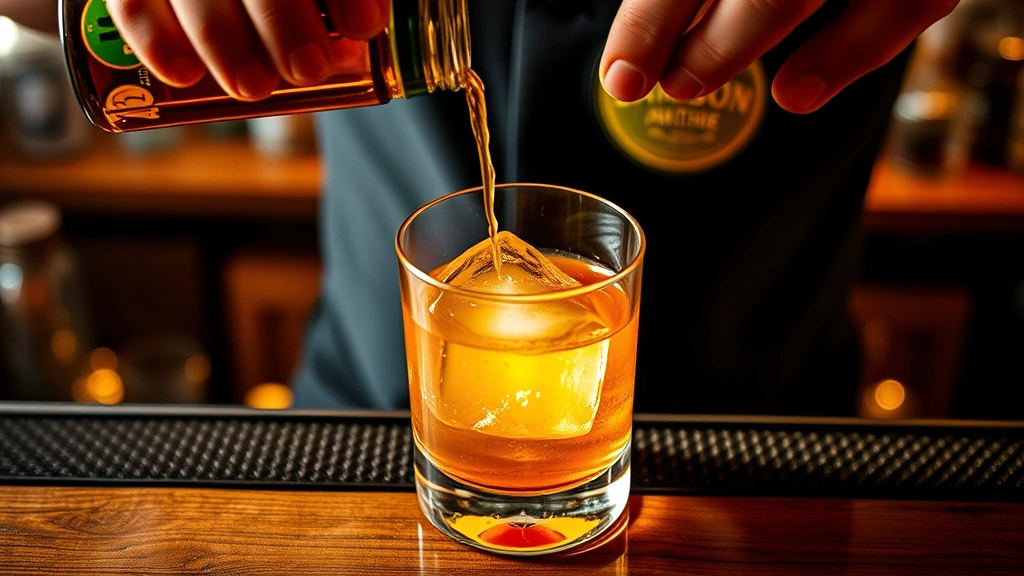
The Jameson Orange Old Fashioned represents a modern twist on the classic cocktail, blending the smooth, approachable character of Irish whiskey with bright citrus notes that elevate this timeless drink. Whether you’re a home bartender perfecting your craft or a seasoned mixologist looking to refine your technique, this guide will walk you through every aspect of creating an exceptional Jameson Orange Old Fashioned that impresses every time.
What makes this particular variation special is how the orange complements Jameson’s naturally sweet profile without overwhelming the whiskey’s core character. Unlike bourbon-based versions that rely on heavier spice notes, the Irish whiskey foundation creates a silkier, more approachable cocktail that appeals to both whiskey enthusiasts and those new to spirit-forward drinks.
Understanding the Classic Old Fashioned
The Old Fashioned stands as one of the most revered cocktails in mixology history, dating back to the 1880s at the Pendennis Club in Louisville, Kentucky. This spirit-forward drink follows the fundamental principle of simplicity: quality spirits, minimal ingredients, and proper technique. The original formula combines whiskey, sugar, bitters, and water—nothing more, nothing less.
The beauty of the Old Fashioned lies in its versatility. While bourbon remains the traditional choice in American bars, bartenders worldwide have explored variations using different spirits. The Jameson Orange Old Fashioned takes inspiration from this tradition while introducing citrus elements that create a more approachable yet still sophisticated drinking experience. Understanding this heritage helps you appreciate why certain techniques matter and how they contribute to the final product’s quality.
The cocktail’s structure teaches us fundamental mixology principles: how to properly dilute spirits, balance sweetness with bitterness, and use temperature control to enhance flavor. When you master the Old Fashioned, you’ve essentially learned the foundation upon which countless other cocktails are built. The foundational knowledge of classic cocktail construction becomes your toolkit for innovation.
Why Jameson Works Perfectly
Jameson Irish Whiskey brings unique characteristics that distinguish it from bourbon or rye whiskeys typically used in Old Fashioneds. The whiskey’s triple distillation process creates an exceptionally smooth spirit with subtle vanilla, honey, and orchard fruit notes. These inherent flavors provide an ideal canvas for orange accents without requiring heavy modification.
The approachability factor cannot be overstated. Jameson’s lower proof compared to many bourbon options makes it forgiving for home bartenders while maintaining enough character for discerning palates. The whiskey’s natural sweetness means you can reduce added sugar without sacrificing balance, resulting in a more refined cocktail that lets the spirit shine through.
Additionally, Irish whiskey’s cultural connection to citrus—particularly through traditional Irish coffee presentations and modern craft cocktail trends—makes the orange pairing feel natural rather than forced. When you explore how ingredients interact, you discover that Jameson’s production methods and flavor profile genuinely complement orange’s bright, slightly bitter notes.
From a mixology standpoint, Jameson’s consistency batch-to-batch ensures your Jameson Orange Old Fashioned tastes excellent whether you’re making it at home or ordering it at a bar. This reliability matters when you’re building a reputation as a home mixologist or professional bartender.
Essential Ingredients & Selection
Crafting an exceptional Jameson Orange Old Fashioned requires thoughtful ingredient selection. Let’s break down each component and why quality matters:
- Jameson Irish Whiskey (2 ounces): The foundation of your cocktail. Use standard Jameson rather than reserve or specialty bottlings unless you want to experiment—the classic expression works beautifully here.
- Demerara Sugar (½ teaspoon): Demerara’s molasses notes complement Jameson’s profile better than white sugar. Some mixologists prefer a sugar cube for traditional presentation and controlled dissolution.
- Angostura Bitters (2-3 dashes): The classic choice. Angostura’s spice and herbal complexity adds depth without dominating the orange notes.
- Orange Bitters (1 dash): This ingredient bridges the gap between traditional Old Fashioned and the citrus variation. Quality orange bitters make a significant difference—look for brands like Regan’s Orange Bitters or Fee Brothers.
- Water (½ ounce): Filtered water or quality ice melt. This dilution is crucial for proper balance and mouthfeel.
- Ice: Large format ice (single large cube or 2-3 large chunks) rather than standard ice cubes. Larger ice melts more slowly, controlling dilution throughout drinking.
- Orange (for garnish): Fresh, quality oranges. A thick-cut orange peel or wheel provides both aromatics and visual appeal.
When selecting ingredients, prioritize freshness and quality. A subpar orange can undermine an otherwise perfect cocktail. Visit farmers markets or specialty grocers for superior citrus. The investment in premium ingredients directly translates to superior drinking experiences.
Step-by-Step Preparation Technique
Proper technique separates exceptional cocktails from mediocre ones. Follow these steps precisely:
- Prepare Your Glassware: Use a rocks glass (10-12 ounces). Chill the glass by filling it with ice and water while you prepare the cocktail. This temperature control ensures your drink stays properly chilled throughout consumption.
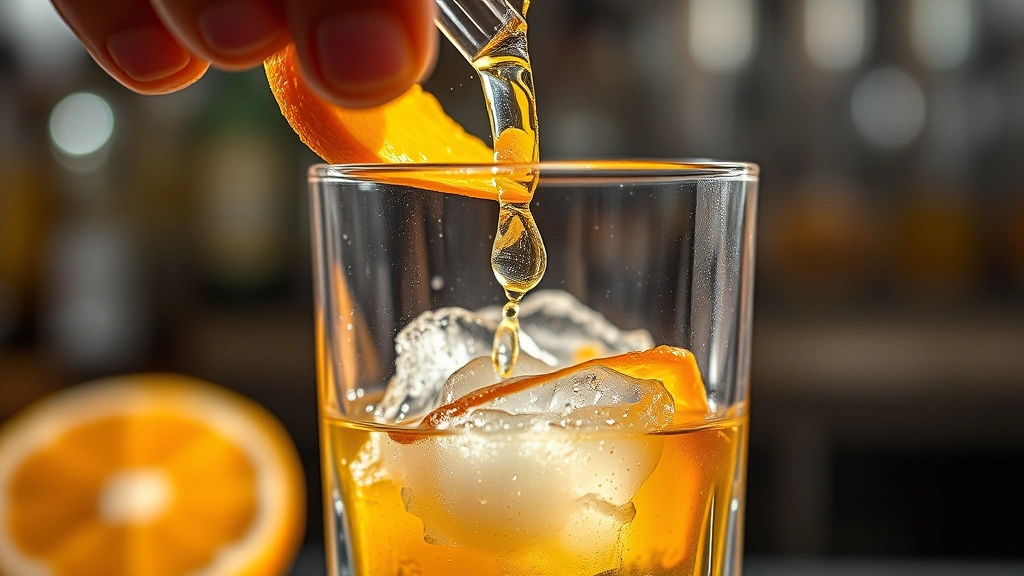
- Express Orange Oil: Cut a thick orange peel (roughly 3×1 inch). Hold the peel over your prepared glass and twist it sharply to express the oils over the surface. This step releases aromatic compounds that enhance the drinking experience. Don’t skip this—it’s essential, not optional.
- Build the Base: Add the demerara sugar and both bitters (Angostura and orange) to your empty, chilled glass. Add ½ ounce of water. Using a bar spoon, gently stir and muddle the sugar until it dissolves. You’re not crushing aggressively—you’re creating a light paste that will distribute throughout the drink.
- Add Whiskey: Pour 2 ounces of Jameson into the glass. Stir gently to combine all ingredients. This integration step ensures flavors blend harmoniously.
- Ice Addition: Remove the ice from your chilling water. Add one large ice cube or several large chunks to your glass. The larger format ice is non-negotiable for proper dilution control.
- Final Stir: Stir the cocktail for 30-45 seconds. This additional stirring slightly dilutes the drink, bringing it to optimal balance and temperature.
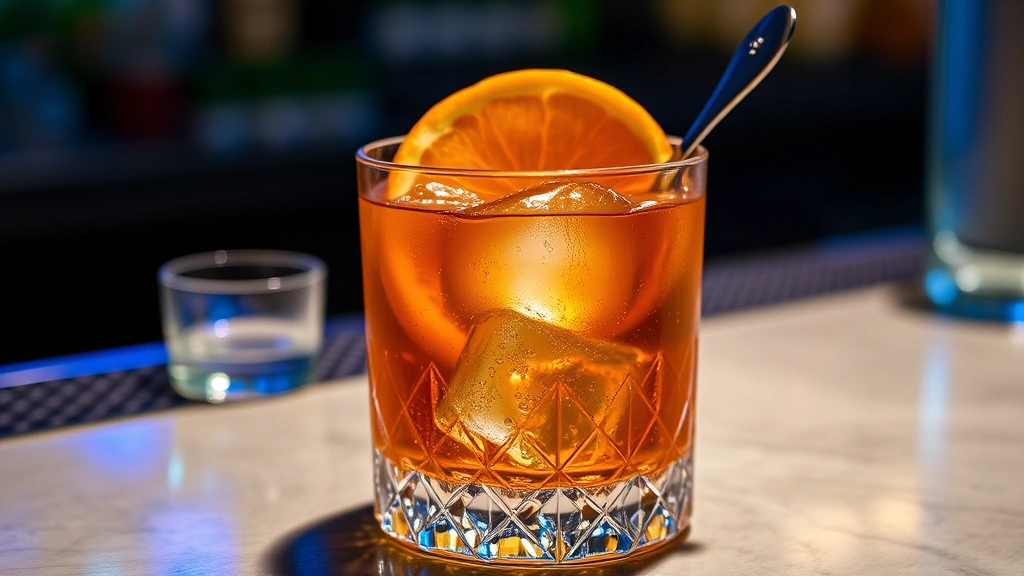
- Garnish Application: Place an orange wheel or fresh peel across the ice. Some mixologists prefer floating a peel on top; others rest it against the ice. Either approach works—choose what appeals aesthetically.
Temperature control throughout this process directly impacts your final product. When you maintain proper chilling, you’re not just making the drink cold—you’re controlling how flavors express and how the spirit integrates with other components.
Garnishing & Presentation Mastery
The garnish transforms your Jameson Orange Old Fashioned from a simple cocktail into a complete sensory experience. Presentation matters because it sets expectations and enhances perception.
Orange Peel Techniques: The expressed peel (the one you used for aromatics) can serve as your garnish, or prepare a fresh peel. The key is thickness—thin peels dry out and lose their aromatic oils quickly. Aim for ¼-inch thickness with minimal white pith (which tastes bitter). Some professional mixologists use a vegetable peeler to create elegant ribbons; others prefer the traditional wheel.
Visual Presentation: Your glass, ice clarity, and garnish arrangement all contribute to visual appeal. Use clear, quality glassware that showcases the amber whiskey color. Cloudy glasses diminish the visual experience. When you consider the physical environment where your cocktail will be consumed, you can adjust presentation accordingly—more formal settings might warrant elegant peel ribbons, while casual gatherings could feature simple wheels.
Aromatic Engagement: Encourage drinkers to inhale the orange peel aromatics before the first sip. This olfactory component significantly enhances flavor perception—roughly 80% of what we perceive as taste actually comes from smell. When someone smells the orange oils, they’re priming their palate for the drink.
Pro Mixologist Tips & Variations
Once you’ve mastered the classic Jameson Orange Old Fashioned, explore these professional techniques and creative variations:
Temperature Precision: Serious mixologists measure cocktail temperatures. The ideal Old Fashioned finishes between 45-50°F. Larger ice and proper stirring duration help achieve this range. Using a kitchen thermometer during practice sessions teaches you to recognize proper temperature by feel.
Sweetness Adjustment: Some drinkers prefer less sugar. Try reducing to ¼ teaspoon and compensating with an additional dash of orange bitters. This creates a drier, more spirit-forward version that appeals to whiskey purists. Understanding how individual preferences shape experiences helps you customize cocktails for specific drinkers.
Jameson Reserve Variation: Experiment with Jameson Black Barrel or Jameson 18-Year for special occasions. The richer, more complex profiles create sophisticated variations that justify premium pricing for special events.
Citrus Variations: Try blood orange for deeper, more complex notes, or combine orange with a dash of lemon bitters for additional brightness. Grapefruit bitters create an entirely different character worth exploring.
Spice Integration: A tiny pinch of cinnamon or a single clove stirred into the sugar paste adds warming spice notes that complement autumn presentations or winter gatherings.
Smoking Technique: Advanced mixologists smoke the glass with orange peel oils or use a smoking gun with applewood to add another aromatic dimension. This technique impresses guests and creates memorable presentations.
Common Mistakes to Avoid
Understanding what doesn’t work helps you consistently nail what does:
- Over-Dilution: Too much water creates a weak, unbalanced drink. Stick to ½ ounce of water added before the final stir, relying on ice melt for additional dilution. Rushing the stirring process or using small ice cubes leads to excessive dilution.
- Under-Stirring: Insufficient stirring leaves sugar crystals at the bottom and prevents proper ingredient integration. Your 30-45 second final stir isn’t optional—it’s essential for balance.
- Poor Ice Quality: Cloudy ice suggests impurities that affect flavor. Use filtered water for ice-making or purchase premium ice from bars or specialty shops. The investment matters.
- Stale Citrus: Old oranges have diminished oils and less vibrant flavor. If your orange feels light or has soft spots, find a fresher one. Citrus quality directly impacts your final product.
- Skipping the Express: Expressing orange oil over the drink is not decorative—it’s functional. Those aromatic compounds significantly enhance the drinking experience. Never skip this step.
- Wrong Glass Size: Using a glass too small leads to improper ice-to-liquid ratio and faster warming. Using one too large looks awkward and throws off proportions. Proper rocks glasses (10-12 ounces) exist for a reason.
- Cheap Bitters: Quality bitters make a measurable difference. Invest in good orange bitters—the small bottle lasts months and dramatically improves your cocktails.
FAQ
Can I make a Jameson Orange Old Fashioned without orange bitters?
Yes, though the result differs. Use only Angostura bitters and rely on the expressed orange peel for citrus aromatics. The cocktail becomes more traditional, less distinctly orange-forward. For best results, acquire quality orange bitters—they’re worth the investment and transform your entire home bar.
What’s the difference between expressing oils and using a twist?
Expressing oils involves twisting the peel over the drink to release aromatic compounds into the glass—those oils float on top. A twist refers to using that same peel as garnish, typically resting it on the ice or rim. Both techniques matter: express first for aromatics, then use the peel as garnish.
Should I use fresh orange juice?
No. Fresh juice makes this a different cocktail entirely (closer to a Whiskey Sour). The classic Old Fashioned format relies on spirit, sugar, bitters, and water—juice changes the fundamental character. The orange element should come from bitters and expressed peel aromatics, not juice.
Can I batch Jameson Orange Old Fashioneds for parties?
You can pre-batch the spirit, bitters, and sugar mixture, but add ice and garnish individually for each drink. This approach maintains quality while improving efficiency. Never batch with ice or water—dilution happens during individual preparation.
What proof Jameson works best?
Standard Jameson (80 proof) works beautifully. Higher proof options like Black Barrel (86 proof) create slightly bolder versions. Lower proof won’t work as well—you need sufficient alcohol to balance the sugar and bitters properly.
How long should I stir?
Aim for 30-45 seconds of continuous stirring with proper technique. This duration achieves proper dilution and temperature without over-watering the drink. Stirring longer than a minute risks excessive dilution.

Related Posts
Perfect Old Fashioned Donut: Baker’s Secrets
Old Fashioned Chocolate Pie Recipe? Chef’s Favorite