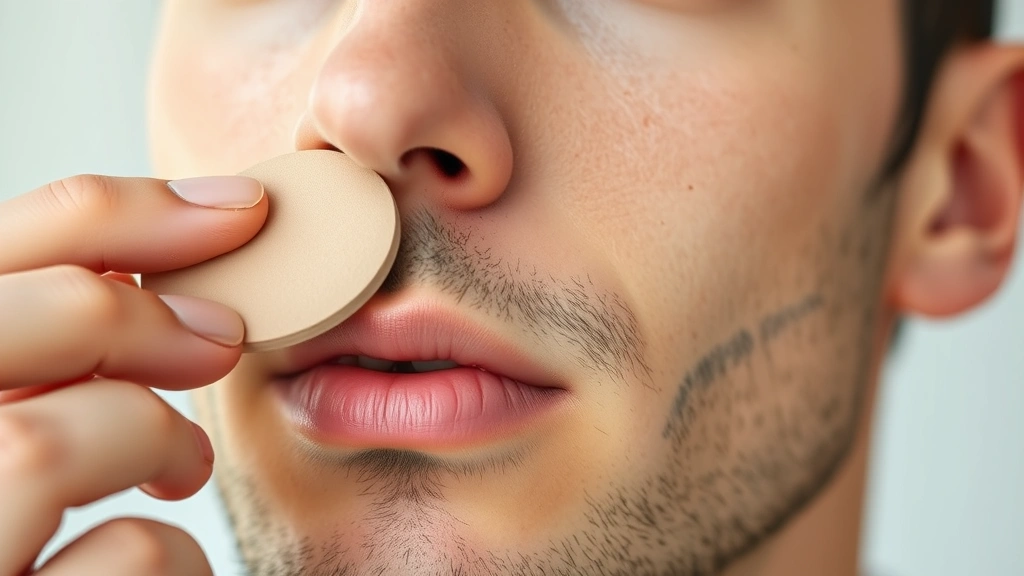
Masculine Makeup Tips? Expert Advice Here
Masculine Makeup Tips: Expert Advice for Modern Men
Gone are the days when makeup was exclusively for women. Today’s fashion landscape embraces self-expression through cosmetics, and more men are discovering that masculine makeup is about enhancing natural features while maintaining an authentic look. Whether you’re interested in evening out your skin tone, defining your features, or simply looking more polished for professional settings, this guide breaks down everything you need to know.
The key to masculine makeup isn’t about applying heavy coverage or dramatic colors—it’s about subtlety, precision, and choosing products that work with your skin rather than against it. From celebrities to everyday professionals, men across industries are embracing the confidence that comes with a well-groomed appearance. Let’s explore how you can master these techniques.
Understanding Masculine Makeup Basics
Masculine makeup is fundamentally different from traditional makeup applications. The philosophy centers on the “no-makeup makeup” approach—creating a naturally enhanced appearance rather than a heavily made-up look. This means focusing on coverage without visible product, definition without drama, and color correction that appears seamless.
The masculine aesthetic in makeup prioritizes clean lines, matte finishes, and neutral tones. Unlike bold eyeshadow palettes or vibrant lip colors often associated with other makeup styles, masculine makeup emphasizes looking refreshed and intentional. Think of it as grooming taken to the next level—similar to how a well-tailored suit enhances your appearance, the right makeup application enhances your natural features.
Understanding that makeup for men isn’t about femininity is crucial. It’s about confidence, professionalism, and taking control of how you present yourself to the world. Many high-profile male actors, musicians, and athletes use makeup regularly, and it’s become increasingly normalized across fashion and entertainment industries.
The foundation of masculine makeup lies in three core principles: subtlety, precision, and intentionality. You’re not trying to transform your appearance; you’re refining it. This approach makes the learning curve much gentler than traditional makeup techniques and results in looks that feel authentic to your personal style.
Skincare Foundation for Men
Before applying any makeup product, your skin must be in optimal condition. Skincare is the foundation of any successful makeup application, especially for men who may have different skin concerns than women. Men’s skin tends to be thicker and oilier due to higher testosterone levels, which means your skincare routine should reflect these characteristics.
Start with a quality cleanser designed for your skin type. If you have oily skin—common in men—use a gentle gel or foam cleanser twice daily. Follow with a hydrating toner to balance pH levels and prepare your skin for subsequent products. This step is often overlooked but makes a tremendous difference in how makeup sits on your skin throughout the day.
Exfoliation is essential for removing dead skin cells that can cause uneven makeup application and a patchy appearance. Incorporate a gentle exfoliant 2-3 times weekly to keep skin smooth and radiant. Men often struggle with ingrown hairs and rough texture, so consistent exfoliation prevents these issues while creating a smoother canvas for makeup.
Moisturizing is non-negotiable, regardless of your skin type. Even oily skin needs hydration—many men make the mistake of skipping this step, which actually causes the skin to produce more oil to compensate. Use a lightweight, oil-free moisturizer in the morning and a richer formula at night. This creates a smooth base that helps makeup apply evenly and last longer.
Don’t forget sun protection. A daily SPF 30 or higher should be part of your morning routine. UV damage causes premature aging and uneven skin tone, both of which become more apparent when wearing makeup. Sunscreen is the most important anti-aging product you can use and should never be skipped.
For men dealing with specific concerns like acne, redness, or hyperpigmentation, address these with targeted treatments before applying makeup. Spot treatments, vitamin C serums, and niacinamide products can significantly improve skin clarity. Healthy skin is the best canvas for makeup application.
Choosing the Right Products
Product selection makes or breaks your masculine makeup routine. The market has expanded significantly, and many brands now specifically market products to men, though quality makeup from any brand works regardless of packaging. Focus on finding products that match your specific needs rather than brand marketing.
Foundation is your primary product. For masculine makeup, opt for a lightweight foundation or tinted moisturizer rather than full-coverage formulas. Look for products labeled as buildable coverage that won’t appear heavy or obvious. Match the shade to your jawline in natural lighting—this is crucial for seamless blending. Consider your undertone (warm, cool, or neutral) and choose accordingly.
Many men prefer BB creams or cushion compacts for their ease of application and natural finish. These products provide light to medium coverage while feeling less like traditional makeup. They’re portable, quick to apply, and perfect for touch-ups throughout the day. Brands like Paula’s Choice and The Ordinary offer excellent options across price points.
Concealer is your secret weapon for addressing blemishes, dark circles, and discoloration. Choose a concealer one shade lighter than your foundation for brightening areas under the eyes. For covering blemishes or redness, match it exactly to your skin tone. A full-coverage concealer works better than foundation for targeted corrections.
Powder is essential for controlling shine and extending wear time. Use a translucent or skin-toned matte powder applied with a fluffy brush. Avoid heavy-handed application—the goal is to set makeup without creating a visible powder layer. For men with oily skin, keeping blotting papers or a pressed powder compact in your bag helps maintain your look throughout the day.
For those interested in sustainable fashion brands, consider eco-friendly makeup options. Many sustainable beauty companies now produce high-quality products with minimal environmental impact, allowing you to look polished while supporting responsible manufacturing.
Eyebrow products deserve special attention. Well-groomed eyebrows frame your face and are one of the most impactful masculine makeup elements. A brow pencil or powder in a shade matching your natural color can define and shape brows. Many men benefit from a clear brow gel to keep hairs in place throughout the day.
For blush or bronzer, choose warm, natural-looking shades that add subtle definition. Bronzer applied to the hollows of cheeks, temples, and jawline creates dimension without appearing obvious. The key is using a light hand and blending thoroughly.
Step-by-Step Application Guide
Mastering application technique is where masculine makeup truly comes together. Follow this systematic approach for consistent, professional results every time.
Step 1: Prepare Your Skin
Begin with a clean, moisturized face and apply sunscreen. Wait 5-10 minutes for products to set before applying makeup. This prevents pilling and ensures a smooth application. If you have oily skin, use a mattifying primer to create a smooth base and extend makeup wear.
Step 2: Apply Foundation
Using a damp beauty sponge or brush, apply foundation in thin layers. Start with less product than you think you need—you can always add more. Blend thoroughly, working from the center of your face outward. Pay special attention to the jawline and neck, ensuring seamless blending with no visible lines.
Step 3: Conceal Problem Areas
Apply concealer under eyes, tapping gently with your ring finger to blend. Use a light hand for blemishes or redness—dab rather than rub. Set concealer with a light dusting of powder to prevent creasing throughout the day.
Step 4: Add Definition with Powder
Using a fluffy brush, apply translucent powder where you tend to get shiny—typically the T-zone for men. This sets makeup and controls oil. Avoid over-powdering, which creates a chalky appearance.
Step 5: Groom Eyebrows
Brush brows upward and outward. Fill in sparse areas with brow product, following your natural hair direction. A light hand is crucial—you want enhancement, not obvious filling. Finish with clear brow gel.
Step 6: Add Subtle Dimension (Optional)
If desired, apply bronzer to areas where sun naturally hits your face: temples, cheekbones, and jawline. Blend thoroughly using circular motions. This step adds subtle dimension and prevents makeup from appearing flat.
The entire application should take 5-10 minutes once you’ve practiced the technique. Efficiency is important for daily use, and masculine makeup shouldn’t feel like a time-consuming process.
Addressing Common Concerns
Men starting a makeup routine often encounter specific challenges. Understanding how to address these ensures success and encourages consistency.
Oily Skin and Shine
This is the most common concern for men wearing makeup. Combat it with a mattifying primer before foundation, using powder to set makeup, and keeping blotting papers handy. Throughout the day, use papers to remove excess oil without disrupting makeup. Choosing oil-free or matte-finish products also helps significantly.
Visible Product or Caked Appearance
This usually results from using too much product or not blending thoroughly. Remember that less is more with masculine makeup. Start with minimal product and build coverage gradually. Always blend with a clean, damp sponge or brush to ensure seamless application.
Matching Skin Tone
Incorrect shade matching is a common mistake. Always test foundation in natural lighting, ideally on your jawline where you can see how it matches your neck. Many makeup counters offer shade matching services—take advantage of these resources, especially when first starting.
Product Longevity
If makeup doesn’t last through your workday, you likely need a primer and setting spray. Primer creates a base that helps products adhere better, while setting spray locks everything in place. These two products dramatically extend wear time and are worth investing in.
Eyebrow Maintenance
Overgrown eyebrows can ruin your entire look. Maintain them by plucking stray hairs below the natural brow line and trimming excess length. Many men benefit from professional eyebrow shaping initially, then maintaining the shape themselves. Alternatively, threading or waxing services provide excellent results.
Professional Looks for Work
In professional settings, masculine makeup should be virtually undetectable. The goal is looking well-rested and polished without appearing made-up. This is where the “no-makeup makeup” philosophy truly shines.
For office environments, keep your routine minimal: foundation or tinted moisturizer, concealer for dark circles or blemishes, subtle powder, and groomed eyebrows. This creates a refined appearance that enhances professionalism without drawing attention to makeup itself.
If you have visible acne, redness, or significant dark circles, addressing these with makeup helps you feel more confident in client meetings and presentations. Studies show that well-groomed appearance impacts how others perceive competence and trustworthiness, making this investment worthwhile.
For on-camera work or public-facing roles, slightly more definition is appropriate. Subtle bronzer on the jawline and temples adds dimension that photographs well. A touch of neutral lip balm prevents lips from appearing washed out under lighting. The key remains subtlety—even for professional photography or video, masculine makeup should enhance rather than transform.
Consider your industry when determining makeup intensity. Creative fields typically allow more visible makeup, while conservative industries benefit from the most minimal approach. Observing colleagues and industry standards helps you calibrate appropriately.
Evening and Special Occasions
Beyond daily wear, masculine makeup can enhance your appearance for special events, dates, or evening outings. This is where you can experiment slightly more while maintaining an authentic masculine aesthetic.
For evening looks, you might add slightly more definition through bronzer or a subtle contour on the jawline. A neutral eyeshadow in matte taupe or brown can add dimension without appearing dramatic. The focus remains on enhancement rather than transformation, but you have more creative freedom than in professional settings.
For formal events like weddings or galas, professional makeup application is worth considering. Makeup artists experienced with masculine makeup understand the philosophy and can create looks that feel authentic while photographing beautifully. This is particularly valuable if you’re unfamiliar with makeup application techniques.
Dating scenarios benefit from subtle makeup that makes you look refreshed and intentional. Dark circles addressed with concealer and well-groomed eyebrows demonstrate attention to detail attractive to most people. The goal is looking like the best version of yourself, not appearing made-up.
Remember that our blog home contains additional resources on personal grooming and presentation. For more specific skincare concerns, explore our human environment interaction perspective on how personal care products impact your wellbeing and surroundings.
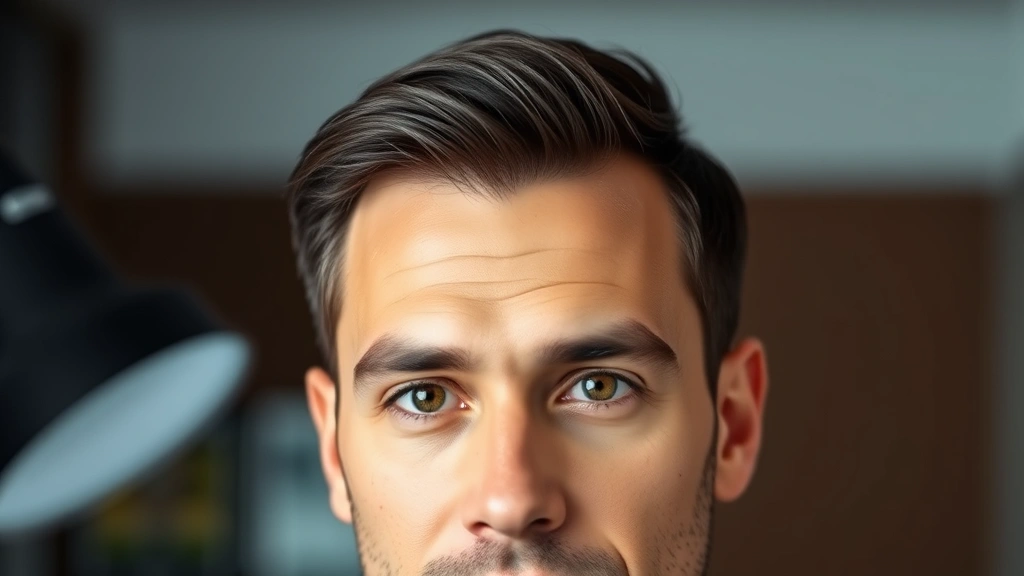
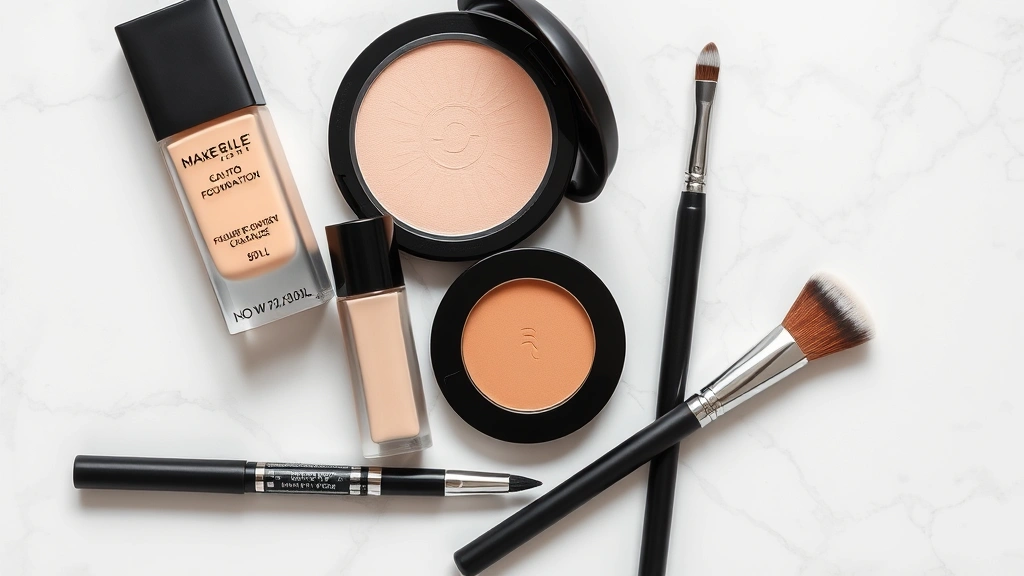
Special occasions also present opportunities to invest in quality tools. A good makeup brush set, beauty sponges, and a magnifying mirror make application easier and more precise. These tools last years when properly maintained, making them excellent long-term investments.
Lighting is crucial for evening looks. Apply makeup in the lighting where you’ll spend your evening. If you’re going to a dimly lit venue, you might apply slightly more product than you would for daylight. Conversely, bright restaurant lighting requires more precision to ensure makeup looks natural rather than heavy.
FAQ
Is masculine makeup the same as contouring?
Not exactly. While contouring is a technique that can be used within masculine makeup, masculine makeup is a philosophy focused on subtle, natural enhancement. Contouring specifically uses shading and highlighting to change face shape, which can be part of a masculine makeup routine but isn’t the entire approach. Masculine makeup emphasizes looking naturally polished rather than sculpted.
What’s the best foundation for men with beard shadow?
For men with visible beard shadow, a full-coverage foundation works better than lighter formulas. Apply it evenly over the beard area and set with powder. Some men prefer using a slightly warmer-toned concealer over the beard area before foundation to neutralize the shadow. If beard shadow is significant, maintaining a clean shave or growing a full, groomed beard are alternative solutions.
Can I wear masculine makeup if I have acne?
Absolutely. In fact, makeup can help you feel more confident while treating acne. Use a full-coverage concealer on blemishes and avoid heavy foundation that might clog pores. Choose non-comedogenic products and maintain your skincare routine. Makeup doesn’t cause acne when applied over properly treated skin—it simply provides temporary coverage while you address the underlying concern.
How do I remove masculine makeup at night?
Use a gentle makeup remover or oil cleanser to dissolve products, then follow with your regular face wash. Don’t sleep in makeup, as this can clog pores and cause breakouts. A thorough cleansing routine at night is essential for maintaining healthy skin, especially if you wear makeup regularly.
What’s the difference between masculine makeup and everyday makeup?
Masculine makeup prioritizes subtlety and natural appearance, using lighter coverage and neutral tones. Everyday makeup can be more varied in approach. Masculine makeup specifically aims for an undetectable finish where people notice you look good without realizing you’re wearing makeup. The philosophy is refinement rather than transformation.
Is it okay to wear makeup if I’m uncomfortable with it initially?
Absolutely. Many men feel awkward wearing makeup initially, but this discomfort typically fades quickly. Start with minimal products like concealer or tinted moisturizer in private settings to build confidence. Most men report that after a few weeks of regular use, makeup feels natural and they wonder why they waited so long to try it. The confidence boost from looking polished often outweighs initial hesitation.
Can I use the same makeup products as women?
Yes. Quality makeup works regardless of marketing or packaging. Many men use products from brands not specifically marketed to men and achieve excellent results. Focus on finding products that match your skin tone and address your specific concerns rather than worrying about gendered branding. That said, brands now producing masculine-specific makeup have formulated products with men’s skin characteristics in mind, which can be beneficial.
How often should I replace my makeup products?
Foundation and concealer typically last 6-12 months depending on usage. Powder products last longer, often 1-2 years. Liquid products expire sooner than powders. Replace products if they change color, smell off, or irritate your skin. Proper storage in cool, dry conditions extends product lifespan. Makeup brushes should be washed weekly to prevent bacterial buildup and product wastage.

Related Posts

Perfect Old Fashioned Donut: Baker’s Secrets

Old Fashioned Chocolate Pie Recipe? Chef’s Favorite