80s Men’s Fashion: Iconic Trends That Shaped Style
80s Men’s Fashion: Iconic Trends That Shaped Style
The 1980s revolutionized men’s fashion with bold experimentation, neon colors, and unapologetic self-expression. This decade broke traditional fashion rules, introducing power dressing alongside casual streetwear that continues influencing contemporary style. From oversized blazers to athletic wear as everyday clothing, 80s men’s fashion represented a cultural shift toward individuality and confidence.
Whether you’re nostalgic for the era or seeking inspiration for modern wardrobes, understanding these iconic trends reveals how 1980s aesthetics shaped today’s fashion landscape. The decade’s influence persists in runway collections, street style, and vintage fashion communities worldwide.
Power Dressing and Corporate Culture
The 1980s introduced power dressing as a dominant force in men’s professional fashion. Characterized by sharp tailoring, structured shoulders, and commanding silhouettes, power dressing reflected corporate ambition and Wall Street excess. Men wore oversized blazers with prominent shoulder pads, creating a powerful, intimidating presence in boardrooms and business environments.
This trend emerged from economic prosperity and competitive corporate culture. Designers like Giorgio Armani and Calvin Klein pioneered the power suit aesthetic, emphasizing quality fabrics and impeccable construction. The typical power dressing ensemble included wide-lapeled blazers, often in neutral tones like charcoal, navy, or black, paired with contrasting dress shirts and silk ties.
Shoulder pads became the defining characteristic of 80s menswear, exaggerating the V-shaped silhouette that conveyed authority and dominance. This structural element appeared not only in blazers but also in casual shirts and sweaters, making broad shoulders fashionable across all clothing categories. The trend reflected masculine ideals of strength and success that dominated 1980s culture.
Professional men invested in quality tailoring, understanding that a well-fitted power suit communicated competence and status. The combination of expensive fabrics, expert tailoring, and bold silhouettes created an unmistakable aesthetic that defined corporate masculinity throughout the decade. This emphasis on professional appearance connected directly to career advancement and social perception.
Athletic Wear as Everyday Fashion
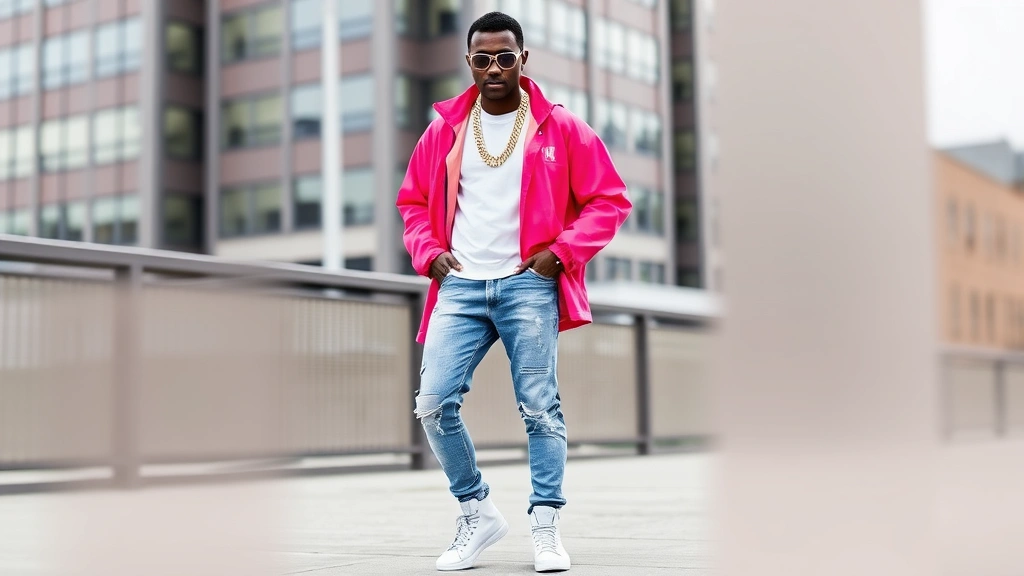
The 1980s witnessed an unprecedented shift where athletic wear transitioned from gym-exclusive clothing to legitimate everyday fashion. This movement, influenced by fitness culture’s explosion and celebrity endorsements, normalized wearing tracksuits, leg warmers, and sneakers outside sports contexts. Men adopted bright neon tracksuits, often in contrasting color combinations, as casual street style.
Brands like Adidas, Nike, and Puma capitalized on this trend, creating fashionable athletic wear that appealed beyond athletes. Windbreakers, often made from shiny synthetic materials in electric colors, became staple pieces. The aesthetic combined comfort with bold visual statements, allowing men to express personality through vibrant athletic fashion.
Leg warmers, originally designed for dancers, became mainstream fashion accessories worn by non-athletes. These stretched knit tubes, typically in neon colors or pastels, were worn over jeans or with shorts. The trend epitomized 80s culture’s embrace of visible, unapologetic fashion choices that prioritized self-expression over traditional conventions.
Sneaker culture flourished during this period, with basketball shoes gaining prominence as fashion statements. High-top sneakers, particularly Nike Air Jordans and Converse Chuck Taylors, became essential wardrobe pieces. The combination of athletic shoes with casual and even semi-formal outfits challenged traditional fashion hierarchies.
This democratization of athletic wear reflected broader cultural changes emphasizing health, fitness, and visible lifestyle choices. Men could communicate their athletic identity, fitness dedication, or simply fashion-forward sensibilities through colorful tracksuits and branded sportswear. The trend established athletic wear as legitimate fashion, a legacy that continues dominating contemporary menswear.
Understanding this shift helps contextualize modern sustainable fashion trends, where comfort and casual aesthetics increasingly influence professional and formal wear.
The Denim Revolution
Denim experienced a revolutionary transformation during the 1980s, evolving from casual workwear to high-fashion statement pieces. Designers elevated denim’s status through innovative treatments, including acid washing, stonewashing, and bleaching techniques that created distinctive, textured appearances. These treatments gave denim new visual interest and positioned it as contemporary fashion rather than timeless basics.
Acid-washed denim dominated the decade, featuring irregular bleached patterns that created unique, eye-catching effects. Men wore acid-washed jeans with oversized blazers, proving denim’s versatility across casual and semi-formal contexts. The technique symbolized 80s experimentalism and willingness to embrace unconventional aesthetics.
Denim jackets received equal attention, often featuring embellishments like studs, patches, and bold graphics. These jackets became canvases for personal expression, with men customizing them through DIY additions or purchasing pre-decorated versions from specialty retailers. The customized denim jacket represented individual identity within broader fashion trends.
Fit evolved significantly during this period, with jeans becoming progressively tighter and more tapered compared to previous decades. However, 80s silhouettes still maintained comfort compared to 1990s ultra-slim fits. The balance between structure and wearability defined the decade’s denim aesthetic.
High-waisted jeans returned to prominence, often paired with oversized shirts or sweaters. This silhouette, which had been unfashionable in previous decades, gained credibility through 80s style reinvention. The high-waist positioning affected overall proportions, creating distinctive silhouettes that remain recognizable as quintessentially 1980s.
Designer denim brands emerged during this era, with labels like Calvin Klein, Ralph Lauren, and Guess establishing premium denim markets. These brands marketed denim as luxury goods rather than basics, justifying higher prices through quality construction and fashion legitimacy. The shift elevated denim’s cultural status permanently.
Statement Accessories and Details
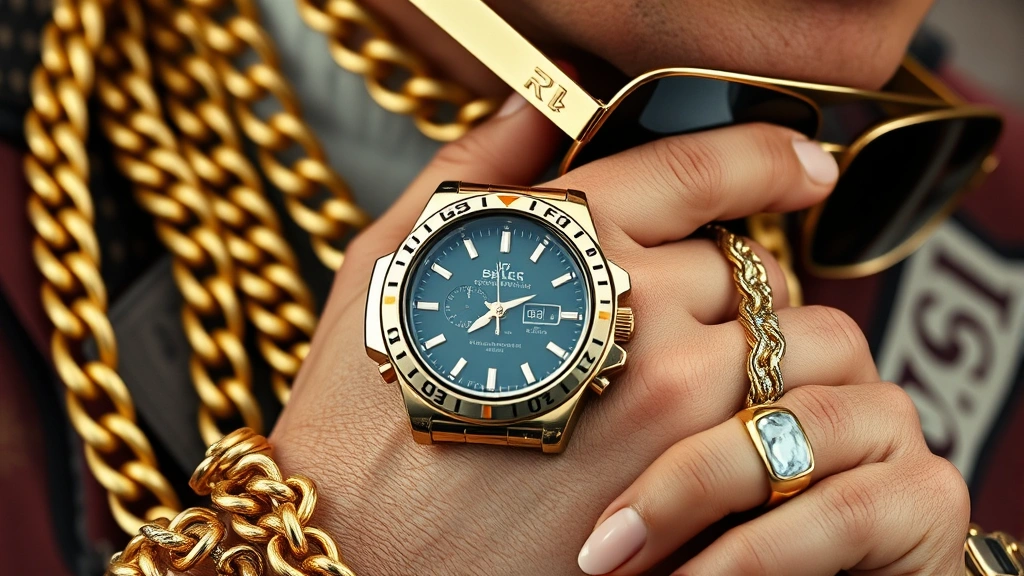
Accessories played crucial roles in 80s men’s fashion, transforming simple outfits into complete style statements. Large, chunky jewelry became fashionable, with men wearing gold chains, thick bracelets, and statement rings. These accessories conveyed wealth and confidence while adding visual interest to minimalist clothing.
Belts became prominent fashion elements, featuring large ornamental buckles that served as focal points. Leather belts with distinctive hardware complemented both casual and formal wear. The emphasis on belt buckles reflected 80s appreciation for visible, substantial accessories that commanded attention.
Sunglasses evolved into essential accessories, with oversized frames becoming the standard style. Large, dark lenses provided practical sun protection while creating a mysterious, cool aesthetic. Brands like Ray-Ban dominated the market, though numerous knockoffs made trendy sunglasses accessible to wider audiences.
Scarves, worn around necks or wrists, added color and texture to outfits. Men incorporated printed silk scarves into casual and formal wear, experimenting with patterns and colors that would have seemed unconventional in previous decades. The scarves often featured bold geometric or abstract designs characteristic of 80s aesthetics.
Watches transformed from simple timekeeping devices to status symbols and fashion statements. Large digital watches, often featuring multiple functions and bright displays, became popular among tech-conscious men. Luxury analog watches with prominent faces also gained prominence as wealth indicators.
Headwear included baseball caps, fedoras, and knit beanies worn in various contexts. Branded caps featuring prominent logos communicated affiliation with athletic brands or lifestyle companies. The casual adoption of previously sport-specific headwear reflected athletic wear’s mainstream acceptance.
Casual and Streetwear Evolution
Casual 80s menswear embraced bold experimentation with colors, patterns, and silhouettes that rejected understated elegance. Men wore bright-colored sweaters, often featuring geometric patterns or abstract designs, as everyday casual wear. These sweaters, frequently oversized with exaggerated shoulders, made strong visual statements.
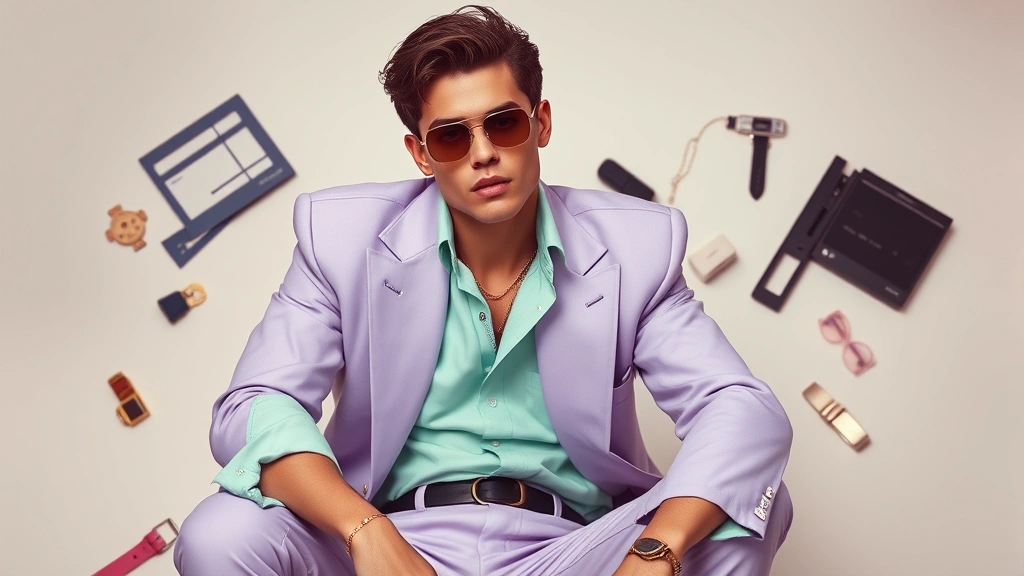
Miami Vice-inspired aesthetics influenced casual wear, featuring pastel colors, lightweight fabrics, and relaxed silhouettes. Men wore pastel pink, mint green, and lavender shirts with rolled sleeves, often layering them with oversized blazers. This combination epitomized 80s casual sophistication, blending structured and relaxed elements.
Graphic t-shirts became mainstream fashion pieces rather than casual basics. Band merchandise, movie promotions, and branded graphics transformed t-shirts into conversation starters and identity markers. Men wore graphic tees under blazers, demonstrating how streetwear elements integrated into various fashion contexts.
Shorts evolved to shorter, tighter cuts during the 1980s, often in neon or pastel colors. Men wore short shorts with long socks and athletic shoes, creating distinctive silhouettes that balanced athletic functionality with fashion-forward choices. This combination represented 80s casual wear at its most visually distinctive.
Layering became essential to 80s casual style, with men combining multiple pieces in contrasting colors and textures. Wearing a t-shirt under an open button-up shirt, topped with an unbuttoned sweater or jacket, created dynamic visual interest. This approach to layering allowed constant style variation while maintaining coherent aesthetic principles.
Bold Colors and Patterns
The 1980s rejected neutral color palettes, embracing neon, pastels, and jewel tones with unprecedented enthusiasm. Neon colors—bright pink, electric blue, lime green, and orange—appeared across all clothing categories, from t-shirts to jackets to accessories. This chromatic boldness reflected 80s optimism and rejection of previous decades’ restrained aesthetics.
Pastel colors offered slightly more subtle alternatives to neon, featuring soft pink, mint, lavender, and peach tones. Men wore pastel blazers, shirts, and sweaters, often in monochromatic outfits that emphasized color over pattern. This approach created sophisticated yet distinctly 80s appearances.
Geometric patterns dominated 80s menswear, including bold stripes, abstract shapes, and Memphis-inspired designs. These patterns appeared on sweaters, shirts, and jackets, often combining multiple colors within single pieces. The maximalist approach rejected minimalism entirely, celebrating visual complexity and pattern mixing.
Animal prints, particularly leopard and zebra patterns, appeared in casual and semi-formal wear. These prints represented 80s boldness, worn unapologetically by men seeking distinctive fashion statements. The prints often appeared on blazers, shirts, and accessories, making them impossible to ignore.
Color blocking—combining large sections of contrasting colors—became a defining 80s design technique. Clothing pieces featured bold color divisions, such as bright blue sleeves with neon pink bodies or geometric color sections. This approach created striking visual impact while celebrating color as primary design element.
Mixing multiple patterns within single outfits characterized adventurous 80s style. Men combined striped shirts with patterned blazers and printed accessories, creating deliberately complex visual compositions. This pattern mixing reflected 80s culture’s embrace of maximalism and rejection of coordinating subtlety.
Iconic Footwear Styles
Footwear became increasingly important to 80s men’s fashion, with sneakers achieving unprecedented status as legitimate style choices across casual and semi-formal contexts. High-top basketball sneakers, particularly Air Jordans, became must-have items that conveyed fashion awareness and cultural engagement.
White leather sneakers, popularized by brands like Adidas and Nike, became versatile wardrobe staples worn with jeans, shorts, and even casual blazers. The clean aesthetic of white sneakers complemented both minimalist and maximalist outfits, making them functional across various style approaches.
Loafers and boat shoes remained popular for semi-formal and casual occasions, often worn without socks to convey relaxed sophistication. These shoes, typically in leather or suede, provided alternatives to sneakers while maintaining casual aesthetics. The sockless trend represented 80s casual confidence.
Cowboy boots experienced renewed popularity, particularly among men influenced by country music and Western aesthetics. These boots, often in exotic leather or with decorative details, made bold statements about individual style and cultural affiliation.
Canvas sneakers like Converse Chuck Taylors remained popular throughout the decade, worn in various colors including neon and pastel options. These versatile shoes worked with athletic wear, casual outfits, and even semi-formal combinations, making them essential wardrobe items.
Athletic shoes from various brands became status symbols, with visible logos and distinctive designs communicating brand affiliation. Men wore Puma, Reebok, and Adidas shoes as fashion statements, not merely functional footwear. The prominence of athletic shoe branding reflected sports marketing’s growing influence on fashion.
Boat shoes in neon and pastel colors represented 80s experimentation with traditionally conservative footwear. These colorful alternatives to classic boat shoes demonstrated how traditional styles received contemporary updates through bold color choices.
” alt=”Vintage 80s men’s fashion styling with neon colors, oversized blazers, and statement accessories”>
FAQ
What defines 80s men’s fashion most distinctly?
80s men’s fashion is defined by bold colors, oversized silhouettes with prominent shoulder pads, athletic wear integration into everyday fashion, and maximalist accessories. Power dressing dominated professional contexts, while casual wear embraced neon colors, geometric patterns, and visible brand logos. The era rejected subtle elegance, celebrating confident, unapologetic style statements.
How do I incorporate 80s fashion into modern wardrobes?
Start with individual pieces rather than complete 80s outfits. Incorporate oversized blazers, experiment with pastel or neon colors in small doses, wear high-waisted jeans, and add statement accessories like chunky jewelry or bold sunglasses. Vintage stores offer authentic pieces, while contemporary brands create modern interpretations of 80s aesthetics. Balance 80s elements with current trends to avoid costumey appearances.
Are shoulder pads still fashionable?
Shoulder pads have experienced periodic revivals, particularly in high fashion and contemporary menswear. Modern versions tend toward subtlety compared to exaggerated 80s proportions. Contemporary designers use structured shoulders as design elements rather than dominant silhouette features, creating sophisticated references rather than direct replicas.
Which 80s fashion trends have remained permanently influential?
Athletic wear as everyday fashion, designer denim legitimacy, sneaker culture, and power dressing elements remain influential. The 1980s established that comfort and style need not be mutually exclusive, a principle that continues dominating contemporary fashion. Maximalism’s acceptance also represents lasting 80s influence, visible in modern fashion’s celebration of bold colors and patterns.
How does 80s men’s fashion compare to women’s fashion from that era?
Both embraced bold colors, oversized silhouettes, and statement accessories, though execution differed. Women’s 80s fashion emphasized power shoulders equally, but often featured more dramatic color combinations and bolder pattern mixing. Athletic wear crossed gender boundaries, though styling approaches varied. Both genders rejected 1970s minimalism enthusiastically, though specific silhouettes and details reflected gendered fashion conventions.
Where can I find authentic 80s menswear today?
Vintage stores, online marketplaces specializing in vintage fashion, and estate sales offer authentic pieces. Contemporary brands like Urban Outfitters and specialized vintage retailers recreate 80s styles using modern production. High-end designers frequently reference 80s aesthetics in runway collections, offering contemporary interpretations at premium prices. Thrift stores occasionally contain authentic pieces at affordable prices.
” alt=”Men’s 80s style accessories including oversized sunglasses, chunky gold chains, and statement watches”>
The 1980s fundamentally transformed men’s fashion by challenging traditional conventions and celebrating bold self-expression. From corporate power dressing to neon athletic wear, the decade’s trends reflected cultural confidence and economic optimism. Understanding these iconic styles reveals how fashion evolves through cultural shifts and individual creativity.
Today’s fashion continues referencing 80s aesthetics, proving the decade’s lasting influence. Whether through oversized blazers, bold colors, or athletic wear integration, 80s menswear established principles that remain relevant. Contemporary fashion designers consistently draw inspiration from this era, demonstrating that 1980s style transcends nostalgia to represent fundamental fashion innovation.
For those interested in sustainable fashion practices, consider how sustainable fashion brands reinterpret vintage aesthetics. Vintage shopping represents an environmentally conscious approach to obtaining authentic 80s pieces while supporting circular fashion economies. This perspective bridges fashion history with contemporary sustainability concerns.
Explore fashion and lifestyle topics to discover how historical trends inform modern style choices. The intersection of fashion history, cultural analysis, and personal style creates opportunities for thoughtful wardrobe development that honors aesthetic traditions while remaining contemporary.
Learn more about human environment interaction through fashion consumption patterns, understanding how historical trends like 80s maximalism influence contemporary environmental impacts. Fashion history provides context for evaluating current consumption practices and making intentional style choices.
Consider exploring ways to reduce carbon footprint through vintage fashion adoption, a strategy that allows enjoying 80s aesthetics while minimizing environmental impact. Thrifting and vintage shopping represent practical sustainability approaches aligned with fashion appreciation.
For additional research, consult Vogue’s fashion archives for historical coverage and contemporary references to 1980s menswear trends. Major fashion publications frequently analyze historical periods’ lasting influence on current collections and style movements.
Review Smithsonian Magazine’s cultural analysis of 1980s fashion as social history, understanding how aesthetic choices reflected economic conditions and cultural values. This scholarly perspective enriches appreciation for historical fashion beyond surface-level aesthetics.
Explore Men’s Fitness archives documenting athletic wear’s evolution from functional sportswear to fashion statement, tracing the decade’s most significant fashion shift. Contemporary athletic wear styling often references 80s precedents established through fitness culture’s mainstream acceptance.

Related Posts

Perfect Old Fashioned Donut: Baker’s Secrets
Old Fashioned Chocolate Pie Recipe? Chef’s Favorite