1950s Makeup Tips? Expert Insights
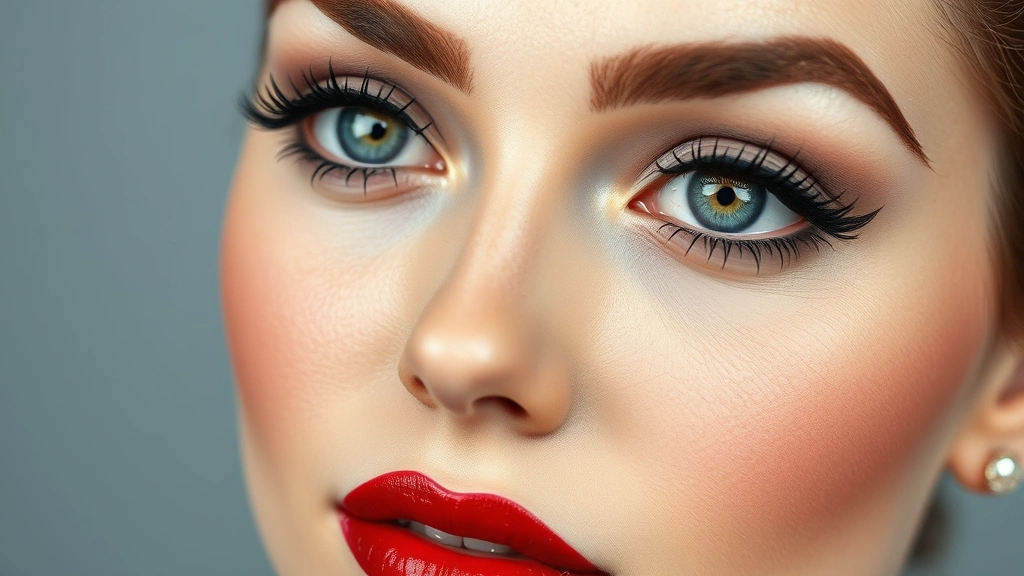
The 1950s was an era of elegance, refinement, and timeless beauty standards that continue to inspire makeup artists and fashion enthusiasts today. While we often think of the decade’s iconic silhouettes and fashion trends, the makeup looks of this golden age were equally transformative. From perfectly sculpted eyebrows to bold red lips, 1950s makeup represented a departure from the natural, minimal styles of previous decades and embraced glamour with confidence. Understanding these techniques isn’t just about nostalgia—it’s about mastering foundational beauty principles that remain relevant in modern makeup artistry.
Whether you’re interested in vintage aesthetics, attending a themed event, or simply wanting to expand your makeup repertoire, learning authentic 1950s techniques can elevate your beauty game. The decade celebrated polished, structured looks that required precision and intention. This guide explores the expert insights, products, and application methods that defined 1950s makeup, complete with step-by-step tutorials and professional tips to help you recreate these classic looks with authenticity and flair.
The Foundation of 1950s Beauty
A flawless base was absolutely essential to achieving authentic 1950s makeup looks. The foundation philosophy of this era was markedly different from today’s approach—women aimed for complete, matte coverage that appeared almost porcelain-like. The ideal was a smooth, uniform complexion with no visible texture or pores, creating that signature polished aesthetic that defined the decade.
During the 1950s, foundation came in limited formulations, primarily thick creams and powders. The application method was crucial: makeup artists would apply foundation with a damp sponge, using a stippling motion to build coverage gradually. This technique ensured that the product adhered evenly without appearing cakey, despite the full coverage being desired. The goal was to create a flawless canvas that would last throughout the day, supporting the structured makeup looks that followed.
Primer wasn’t a mainstream product in the 1950s, so skin preparation was done through cleansing and moisturizing alone. Women would apply a light moisturizer to hydrate the skin, then allow it to set for several minutes before applying foundation. This step was considered non-negotiable for achieving that coveted dewy-yet-matte finish. The foundation shade selection was also different from modern standards—women typically chose shades that matched their jawline exactly, avoiding the highlighting and contouring trends that dominate contemporary makeup.
For those interested in the broader context of beauty standards and sustainability, exploring sustainable fashion brands can provide insight into how vintage aesthetics are being reinterpreted through an eco-conscious lens today. Understanding historical beauty practices also connects to our modern human environment interaction with cosmetics production.
Setting powder was absolutely essential in 1950s makeup routines. Women would use translucent or slightly tinted powders, applied with a large fluffy brush, to lock in foundation and create that iconic matte finish. The powder was pressed and rolled across the face rather than buffed, ensuring even distribution without disrupting the foundation underneath.

Eyebrow Techniques and Shaping
The 1950s eyebrow was a work of art—thin, highly arched, and meticulously shaped. This look represented a dramatic shift from the fuller, straighter brows of the 1940s. The ideal 1950s eyebrow had a distinct arch with a sharp angle, creating an almost surprised expression that lifted the entire face. This shape became so synonymous with the era that it remains instantly recognizable today.
To achieve this look, makeup artists would first pluck the brows into shape, removing hair below the natural brow line to create that dramatic lift. The plucking was done with precision—hairs were removed one at a time to ensure the arch aligned perfectly with the outer corner of the eye. Eyebrow pencils were the primary product used, applied in short, feathering strokes to fill in any sparse areas and define the shape. The most popular colors were brunette and black, regardless of natural hair color, as these provided strong definition against the pale foundation.
The arch placement was typically positioned directly above the outer third of the iris, creating that signature high arch. The tail of the brow would extend slightly past the outer corner of the eye, tapering to a fine point. This created an elegant, elongated look that complemented the structured hairstyles of the era. Eyebrow maintenance was constant—women would pluck stray hairs daily and touch up their brow pencil multiple times throughout the day to maintain the sharp definition.
For those exploring how fashion and beauty standards have evolved, our article on beauty and sustainability discusses how vintage trends are being reexamined through modern perspectives.
Eye Makeup Mastery
The eyes were truly the focal point of 1950s makeup, and eye makeup application was a sophisticated art form. The technique involved multiple steps and products, all working together to create a dramatic yet refined appearance. Eye shadow application began with a cream base, which helped the shadow adhere and prevented creasing throughout the day—a crucial step given that long-wearing formulas didn’t exist.
The eyeshadow color palette of the 1950s was relatively limited compared to today’s options. Neutral tones dominated: soft golds, warm browns, and muted greens were popular choices. The application method was highly structured. A lighter shade would be applied across the entire lid as a base, typically a champagne or pale gold. A medium brown or taupe would then be applied to the crease, creating dimension and depth. The darkest shade—often a deep brown or charcoal—would be applied along the lash line and slightly smudged upward.
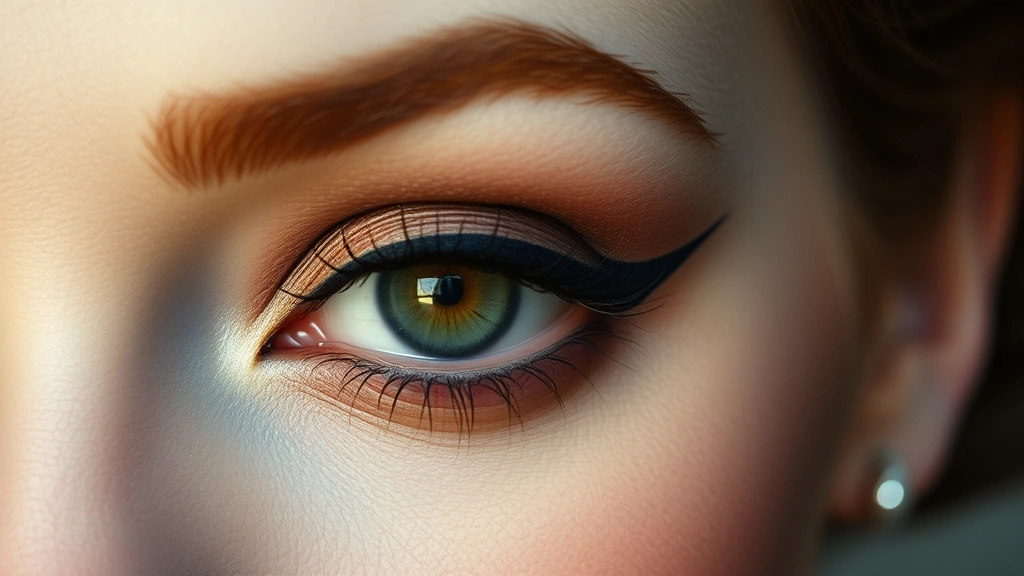
The winged eyeliner was perhaps the most iconic element of 1950s eye makeup. Liquid eyeliner was meticulously applied, starting from the inner corner of the eye and extending outward, with a sharp flick upward at the outer corner. This wing could be subtle or dramatic depending on the occasion, but precision was always paramount. The line had to be perfectly symmetrical on both eyes, which required steady hands and often multiple attempts.
Mascara application in the 1950s was equally deliberate. Black mascara was applied generously to the upper lashes, with multiple coats building volume and length. The lower lashes received mascara as well, but with less product to avoid an overly dramatic appearance. The mascara formulas of the era were different from modern versions—they were thicker and sometimes required heating to apply smoothly. Lash curlers were used before mascara application, creating a lifted appearance that complemented the winged liner.
The Iconic Red Lip
No 1950s makeup look was complete without the signature red lip. This wasn’t just any red—it was a specific shade that became synonymous with the decade’s beauty standards. The perfect 1950s red lipstick had blue undertones, creating that cool, sophisticated appearance rather than the warmer orangey-reds. Shades like pillar-box red and cherry red were incredibly popular, applied with precision and intention.
Lipstick application in the 1950s was a multi-step process that began with lip preparation. Women would exfoliate their lips gently and apply a light moisturizer, allowing it to set before applying color. A lip liner in a matching or slightly darker shade would be applied first, carefully outlining the natural lip line and sometimes slightly overdrawing to create fuller-looking lips. The lip liner had to be perfectly precise—any waviness or asymmetry would be immediately visible.
The lipstick itself was applied with a lip brush, ensuring even coverage and clean edges. Multiple thin layers were preferred over one thick application, as this created a more polished, professional finish. The application would start at the center of the lips and work outward, following the lip line precisely. Blotting with tissue and reapplying was a common technique to ensure longevity and even color payoff.
The red lip required constant maintenance throughout the day. Women would carry their lipstick and mirror with them, touching up regularly to maintain that perfect color. Eating and drinking required careful technique—many women would blot their lips after consuming food or beverages, then reapply lipstick. This commitment to lip color maintenance was simply part of the beauty routine, reflecting the overall dedication to polished appearance that characterized the era.
According to Allure magazine, the 1950s red lip remains one of the most recreated vintage makeup looks, with modern formulations making it more accessible than ever before.
Contouring and Highlighting Methods
While contouring as a technique wasn’t formally named in the 1950s, the principles were absolutely employed to sculpt and define the face. Women used darker foundation shades or cream products to create shadow, applied strategically to create dimension. The under-eye area would receive a slightly darker shade to create definition, as would the hollows of the cheeks to create a lifted, sculpted appearance.
Highlighting in the 1950s was accomplished through the strategic use of lighter foundation shades and subtle shimmer products. The high points of the face—cheekbones, brow bones, and the bridge of the nose—received slightly lighter coverage to create luminosity and draw attention to these features. This technique was subtle compared to modern highlighting trends, but it was absolutely intentional and skillfully executed.
The goal of 1950s contouring and highlighting was to create a refined, sculpted appearance without appearing overdone. The blending was crucial—harsh lines were never acceptable. Makeup artists would use damp sponges and brushes to blend the different shades seamlessly, creating a gradual transition between light and shadow. This blending technique required significant skill and patience, but the results were worth the effort.
Cream products were the primary tools for contouring in the 1950s, as powder contouring products weren’t widely available. These creams would be applied and blended carefully, then set with powder to ensure longevity. The undertones of these products were carefully selected to complement the skin tone and create a natural-looking shadow rather than appearing obviously contoured.
Blush Application and Color Selection
Blush in the 1950s served a specific purpose: to add a youthful flush and create a lifted appearance on the cheekbones. The placement was high and toward the temples, creating an uplifted effect that complemented the overall structured makeup aesthetic. The blush color palette was relatively limited—soft pinks, warm peaches, and subtle corals were the most popular choices.
Application technique was crucial for achieving the perfect 1950s blush look. Cream blushes were typically applied first, using fingertips or a brush to gently press the product onto the apples of the cheeks and blend upward. This created a natural-looking base that wouldn’t appear streaky. Powder blush would then be applied over the cream base, building color gradually and ensuring even coverage.
The intensity of blush in the 1950s was moderate—women aimed for a noticeable flush that appeared natural rather than theatrical. Multiple thin layers of blush created better results than one heavy application. The blending was done with a clean, fluffy brush, working the color upward and slightly backward to avoid a harsh line. The goal was to create the illusion that the flush was coming from within, a natural glow rather than an applied product.
Color selection for blush was based on skin tone and hair color. Blonde women often wore softer pinks, while brunettes wore warmer peachy tones. The blush color had to coordinate with the lipstick shade to create a cohesive, intentional look. This coordination was part of the overall beauty philosophy—every element worked together to create a polished, refined appearance.
Completing the Look with Finishing Touches
Once all the makeup was applied, the finishing touches were essential to lock everything in place and ensure longevity. A final dusting of translucent powder would be applied with a large, fluffy brush, pressing lightly across the entire face to set all products and create that signature matte finish. This powder would also help absorb any excess oils that developed throughout the day.
Setting spray wasn’t available in the 1950s, so women relied on powder alone to maintain their makeup. The technique was to press powder into the skin rather than buff it, ensuring that all products stayed in place without disrupting the carefully applied makeup. Some makeup artists would use a damp sponge after powdering to lightly press everything down, creating additional longevity.
Lip balm or petroleum jelly was carried throughout the day to maintain lip moisture and prevent the red lipstick from appearing dry or patchy. Women would apply a tiny amount of balm over the lipstick, which added shine and helped the color remain vibrant. This technique is still used by makeup artists today when working with classic red lip looks.
The final step was to assess the overall look in natural lighting, making any necessary adjustments. Symmetry was absolutely crucial—both eyebrows had to match perfectly, both eyes had to have identical wing placement, and both sides of the face had to have balanced blush and contouring. This attention to detail is what separated amateur makeup applications from professional-looking results.
Understanding the craftsmanship involved in 1950s makeup also connects to broader discussions about reducing our beauty industry’s environmental footprint through mindful consumption and appreciation of timeless techniques.
Modern recreations of 1950s makeup can be made more sustainable by choosing environmentally conscious beauty brands that align with vintage aesthetics while minimizing environmental impact. Sustainable practices in beauty production are becoming increasingly important as we revisit classic styles.
For professional guidance on recreating vintage makeup looks, dermatologist Dr. Joshua Zeichner recommends starting with quality skincare to ensure your canvas is healthy before applying any makeup. Additionally, professional makeup artist associations offer resources for learning authentic vintage techniques. The Journal of Cosmetic Science provides research on how formulations have evolved since the 1950s, offering context for why modern products work differently.
FAQ
What was the most important makeup product in 1950s beauty routines?
Foundation was arguably the most crucial product, as achieving that flawless, matte complexion was the foundation (literally) for all other makeup applications. The entire look depended on having a perfect base to work from.
How can I recreate 1950s makeup with modern products?
Modern foundations, eyeshadows, and lipsticks are actually easier to work with than their 1950s counterparts. Focus on the application techniques: thin foundation layers, precise eyebrow shaping, winged eyeliner, and that signature red lip. The principles remain the same even if the formulations have improved.
Was winged eyeliner always part of 1950s makeup?
The winged liner became increasingly popular throughout the 1950s, reaching peak popularity by the end of the decade. Early 1950s makeup sometimes featured softer eye looks, but the dramatic wing became the signature of the era.
How long did 1950s makeup typically last throughout the day?
With proper application and setting powder, 1950s makeup could last 6-8 hours with touch-ups. Women carried lipstick and powder compacts for midday maintenance, as modern long-wear formulas didn’t exist.
What skin tone looked best with 1950s makeup colors?
The cool-toned red lipsticks and neutral eyeshadows of the 1950s were actually quite versatile. The key was selecting the right undertone of each product for your specific skin tone, rather than avoiding the look entirely based on complexion.
Can men wear 1950s-inspired makeup?
Absolutely. While 1950s fashion for men didn’t include makeup in mainstream culture, the techniques and color principles can be adapted for anyone interested in the aesthetic. Modern beauty is inclusive, and vintage inspiration can be personalized for any individual.
What’s the difference between 1950s and modern makeup application?
The primary differences are in product formulations and longevity. Modern products are designed to last longer and blend more easily, while 1950s makeup required more frequent touch-ups. However, the fundamental techniques—layering, blending, and precision—remain the same.

Related Posts
Perfect Old Fashioned Donut: Baker’s Secrets
Old Fashioned Chocolate Pie Recipe? Chef’s Favorite