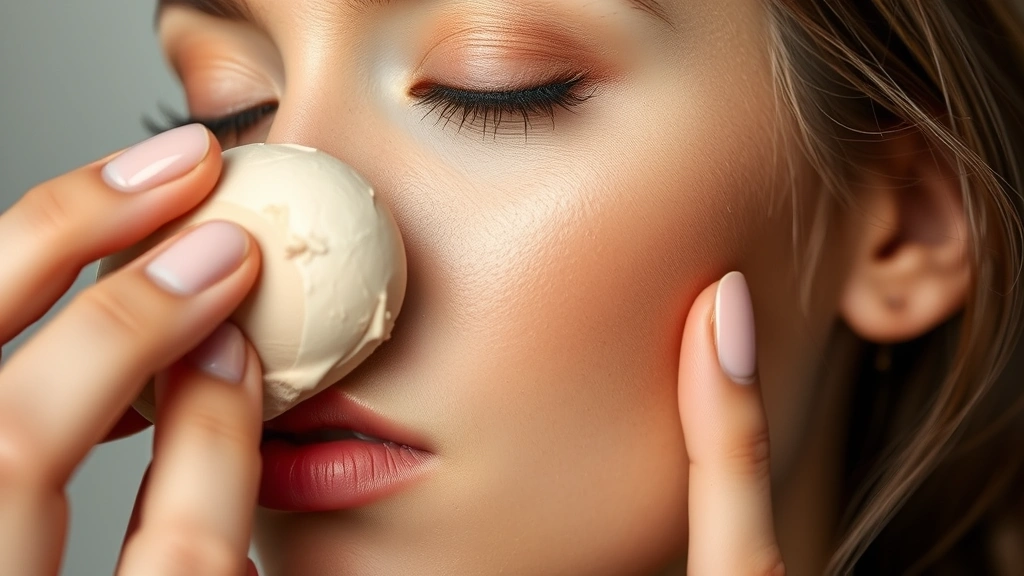
Best Foundation for Oily Skin? Expert Picks
Best Foundation for Oily Skin? Expert Picks & Application Secrets
Finding the right foundation for oily skin can feel like an impossible mission. You apply it flawlessly in the morning, but by noon, your T-zone is shining like a disco ball and your foundation has separated into patches. The struggle is real, and you’re not alone—oily skin affects millions of people worldwide who are tired of dealing with makeup that won’t stay put.
The good news? There are foundations specifically formulated to combat excess oil, control shine, and maintain a flawless finish throughout the day. In this comprehensive guide, I’m sharing expert-recommended foundations that actually work for oily skin, along with professional application techniques to maximize longevity and minimize that unwanted shine.
Why Oily Skin Needs Special Foundation Formulas
Before diving into specific product recommendations, it’s important to understand why standard foundations often fail on oily skin. Our skin produces sebum—a natural oil that keeps skin hydrated and protected. However, when sebaceous glands go into overdrive, excess sebum can break down foundation, cause it to slip around the face, and create that frustrating patchy appearance.
According to dermatological research from the American Academy of Dermatology, oily skin requires foundations with specific ingredients: silicone-based polymers, oil-absorbing powders like silica or talc, and waterproof binders. These components work together to create a barrier between your skin’s natural oils and the foundation itself.
The key is finding formulas that are non-comedogenic (won’t clog pores), lightweight (won’t feel heavy or suffocating), and long-wearing (withstand oil production throughout the day). Additionally, you’ll want to look for foundations with mattifying properties that keep shine at bay without looking cakey.
Top Foundation Picks for Oily Skin
After researching and testing numerous foundations, I’ve identified several standout options that consistently perform well on oily skin types. These picks balance coverage, comfort, and longevity:
- Fenty Beauty Pro Filt’r Soft Matte Longwear Foundation: This cult-favorite offers medium-to-full coverage with a naturally matte finish. The formula contains silicone and film-forming agents that adhere to skin without sliding around. Available in 40+ shades, it’s a game-changer for oily skin.
- MAC Face and Body Foundation: Lightweight and buildable, this foundation is beloved by makeup artists worldwide. Its water-resistant formula means it won’t break down when you perspire or produce excess oil.
- Maybelline Fit Me Dewy + Smooth Foundation: An affordable option that punches above its weight class. The lightweight formula won’t clog pores, and it has impressive staying power on oily skin.
- Urban Decay All Nighter Liquid Foundation: Designed to last through sweat and oil, this foundation contains silicone polymers and anti-shine agents. It’s particularly effective for those dealing with combination oily skin.
- Estée Lauder Double Wear Stay-in-Place Makeup: A professional-grade option with a 24-hour wear guarantee. Though heavier than others on this list, it’s virtually impossible to budge once set properly.
When selecting from these options, consider your coverage needs and skin sensitivity. Some foundations work better with minimalist skincare routines, while others pair well with extensive prep work.
Mattifying Foundations That Deliver Results
Mattifying foundations are specifically engineered to absorb excess oil and create a smooth, shine-free finish. These formulas typically contain ingredients like silica, talc, or kaolin clay that actively work to control sebum throughout the day.
Bare Minerals Complexion Rescue Tinted Hydrating Gel Cream: Don’t let the name fool you—this gel-cream foundation provides impressive matte coverage while remaining lightweight. The silicone-based formula glides on smoothly and doesn’t emphasize pores, making it ideal for oily and combination skin types.
Clinique Even Better Makeup SPF 15: This dermatologist-recommended foundation combines coverage with sun protection. The matte finish is particularly impressive, and the formula is non-comedogenic, meaning it won’t trigger breakouts on already oil-prone skin.
L’Oréal True Match Super-Blendable Makeup: An underrated gem in the drugstore foundation category, this formula offers a natural matte finish without looking flat or powdery. The blend of pigments and silicone polymers creates a second-skin effect that lasts through an entire workday.
When using mattifying foundations, remember that a little goes a long way. These products are more concentrated than dewy or luminous formulas, so use a light hand during application to avoid that heavy, mask-like appearance.
Lightweight Liquid Foundations for Oil Control
Not all oily-skin foundations are matte—some lightweight liquids offer oil control without sacrificing a natural finish. These formulas are perfect if you prefer a more skin-like appearance or if you have sensitive skin that reacts negatively to heavy silicone-based products.
Glossier G Suit Foundation: This ultra-lightweight formula is specifically designed for oily skin. It contains dimethicone and other silicone polymers that create an oil-resistant layer without feeling heavy. The coverage is buildable, starting at sheer and reaching medium with layering.
Revlon ColorStay Makeup for Oily Skin: A cult classic that’s been around for decades for good reason. The water-based formula actually works better on oily skin than on dry skin, as it won’t slip around on an oil-slicked face. The finish is naturally matte and lasts for hours.
IT Cosmetics Your Skin But Better CC+ Cream: While technically a CC cream rather than a traditional foundation, this product offers impressive coverage and oil control. The lightweight formula contains silicones and pigments that blur imperfections while controlling shine.
Liquid foundations are ideal for those who want to layer their makeup with precision, as they can be easily blended and built up gradually. This approach often results in a more natural-looking finish than applying heavy coverage all at once.
Powder Foundations and Pressed Powders
For some oily-skinned individuals, powder foundations are the MVP of makeup. These products offer quick application, excellent oil control, and the ability to touch up throughout the day without carrying liquid foundation everywhere.
MAC Studio Fix Powder Plus Foundation: A professional-grade powder foundation that’s been a makeup artist staple for years. The silicone-based formula provides full coverage with a natural finish, and it’s incredibly long-wearing.
Bare Minerals Original Loose Powder Foundation: This talc-free mineral powder is lightweight and non-comedogenic. The loose texture allows for customizable coverage, from light to full, depending on how much you apply.
Maybelline Fit Me! Powder: An affordable powder foundation that delivers impressive results. The formula is specifically formulated for oily skin, with oil-absorbing ingredients that keep shine at bay throughout the day.
Powder foundations work particularly well when applied over a well-prepped skin base. A good primer is essential for helping these products adhere to skin and preventing them from looking patchy or settling into pores.
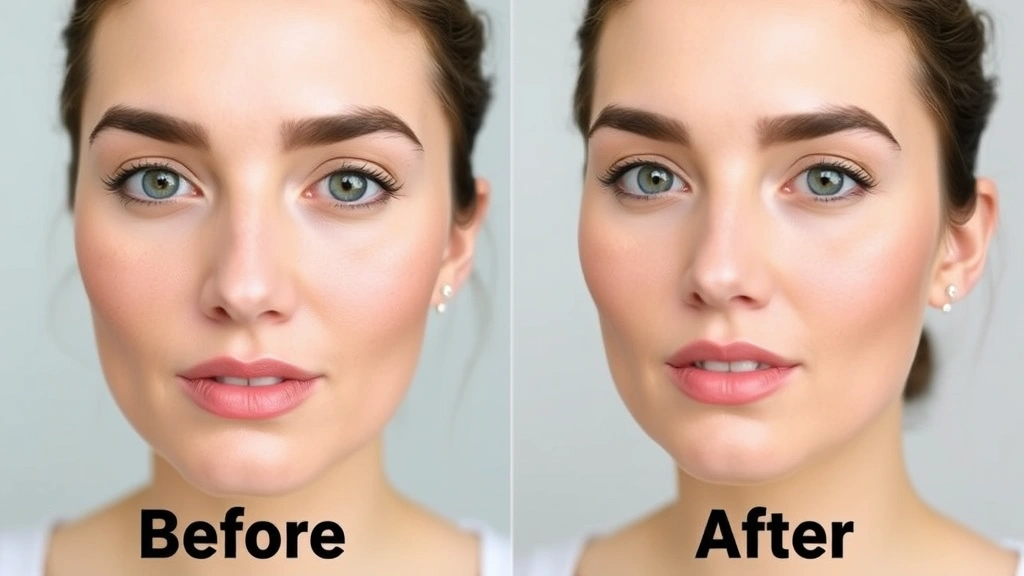
Prep Your Skin Before Foundation Application
The foundation you choose is only half the battle—proper skin prep is equally important for achieving a flawless, long-lasting finish on oily skin. Your skincare routine should focus on balancing oil production, minimizing pore appearance, and creating a smooth base for makeup application.
Cleanse Thoroughly: Start with a gentle, oil-controlling cleanser that removes excess sebum without stripping your skin. Look for cleansers containing salicylic acid or benzoyl peroxide, which help control oil production and prevent breakouts.
Use a Mattifying Toner: After cleansing, apply a toner specifically formulated for oily skin. These products help balance pH, remove any remaining impurities, and often contain ingredients that minimize pore appearance.
Apply a Lightweight Moisturizer: This might seem counterintuitive, but skipping moisturizer can actually cause your skin to produce more oil as a compensatory mechanism. Use a lightweight, oil-free moisturizer to keep your skin hydrated without adding excess shine.
Use a Silicone-Based Primer: A primer is absolutely essential for oily skin. Silicone-based primers create a smooth, oil-resistant layer that helps foundation adhere to skin and prevents it from sliding around. Apply a thin layer to your entire face, focusing on the T-zone where oil production is typically highest.
Allow your skincare products to set for a few minutes before applying primer. This prevents layering too much product at once, which can actually lead to more slipping and sliding.
Pro Application Techniques for Longevity
Even the best foundation won’t perform well if it’s applied incorrectly. Professional makeup artists use specific techniques to ensure foundation stays put throughout the day, especially on oily skin.
Use a Damp Beauty Sponge: A slightly damp beauty sponge is your best friend when applying foundation to oily skin. The moisture helps the foundation blend seamlessly into skin without disturbing your primer. Dampen the sponge with setting spray or plain water, then use a bouncing motion to apply foundation rather than dragging it across your face.
Apply in Thin Layers: Rather than applying full coverage in one pass, build coverage gradually with thin layers. This approach prevents foundation from looking cakey and allows it to adhere better to your skin’s natural oils. Start with the center of your face and blend outward.
Focus on Problem Areas: Spend extra time on areas where oil production is heaviest—typically the forehead, nose, chin, and between the brows. These areas need more foundation and more careful blending to ensure even coverage.
Set as You Go: Don’t wait until you’ve applied all your foundation to set it. Instead, apply foundation to one section of your face, set it with powder, then move on to the next section. This technique prevents foundation from shifting around on top of oil.
Use a Light Hand with Powder: While powder is essential for setting foundation on oily skin, using too much creates a heavy, cakey appearance. Apply powder with a fluffy brush using light, circular motions. Focus on the T-zone and other areas prone to shine.
Setting Your Foundation for All-Day Wear
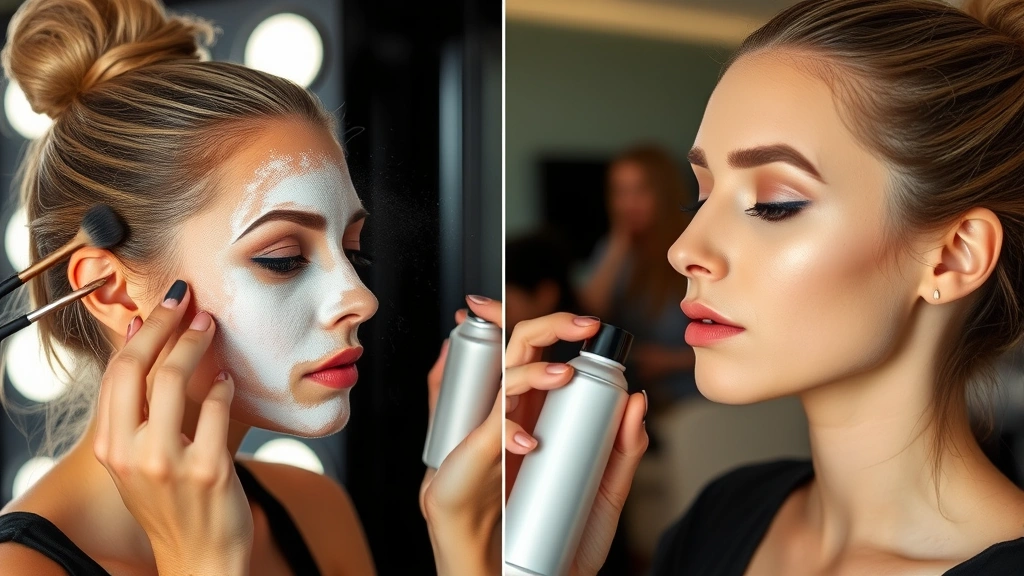
Setting is the final crucial step in ensuring your foundation lasts all day on oily skin. A comprehensive setting routine involves both powder and setting spray to create a long-lasting barrier against oil and environmental factors.
Choose the Right Setting Powder: Translucent powders work well for most skin tones, but if you prefer a colored powder for additional coverage, select one that matches your skin tone perfectly. Finely-milled powders blend more seamlessly and look less visible than chunky formulas.
Apply Setting Spray: After powdering, use a setting spray to lock everything in place. Beauty experts recommend using setting sprays specifically formulated for long wear, which contain silicone and film-forming agents. Apply the spray in a misting motion from about 8-10 inches away from your face.
Consider a Double-Setting Method: For maximum longevity, apply powder, then setting spray, then a light dusting of powder again. This creates multiple barriers between your skin’s natural oils and your foundation, significantly extending wear time.
Touch-Up Throughout the Day: Even with the best foundation and setting routine, some touch-ups may be necessary by mid-afternoon. Keep blotting papers and a pressed powder in your bag for quick shine-control throughout the day. Blotting papers remove excess oil without disturbing your makeup, while powder touches up coverage in areas where foundation has faded.
Common Mistakes to Avoid
Even with excellent products and techniques, certain mistakes can sabotage your foundation routine. Here are the most common pitfalls people with oily skin encounter:
- Skipping Primer: Primer is non-negotiable for oily skin. Without it, even the best foundation will slip and slide within hours. A quality silicone-based primer is worth the investment.
- Using Heavy, Dewy Foundations: Dewy foundations are designed to add luminosity to dry skin, making them the worst choice for oily skin. They’ll amplify shine and make your face look greasy within an hour.
- Applying Too Much Product: More foundation doesn’t equal better coverage—it often results in a cakey appearance that looks worse than light coverage. Start with a small amount and build up gradually.
- Not Setting Properly: Skipping setting powder or spray is a guaranteed way to end up with patchy, separated foundation by afternoon. Setting is just as important as application when dealing with oily skin.
- Touching Your Face Throughout the Day: Your fingers naturally carry oils that transfer to your face, breaking down foundation. Try to keep hands away from your face as much as possible.
- Overexfoliating: While exfoliation is important for oily skin, over-exfoliating can actually trigger increased oil production as a compensatory response. Limit exfoliation to 2-3 times per week.
- Ignoring Your Skincare Routine: Foundation alone can’t compensate for poor skincare. A consistent routine that controls oil production is essential for makeup to perform well. Check out holistic approaches to skin health that extend beyond topical products.
FAQ
What’s the difference between matte and satin foundation finishes?
Matte foundations have minimal shine and are ideal for oily skin, as they actively work to control shine throughout the day. Satin finishes offer a slight sheen that looks more skin-like than matte but may appear too shiny on very oily skin. For oily skin, matte is generally the better choice.
Can I use a hydrating foundation if I have oily skin?
While hydrating foundations aren’t ideal for oily skin, if your skin is combination (oily in some areas, dry in others), you might use a hydrating foundation in dry areas and blot excess product in oily areas. However, it’s generally better to choose a formula specifically designed for oily skin.
How often should I touch up my foundation throughout the day?
With a proper prep routine, primer, and setting spray, most foundations last 6-8 hours on oily skin. You may need a mid-day touch-up, particularly in the T-zone. Use blotting papers first to remove excess oil, then apply powder only where needed.
Is powder foundation better than liquid for oily skin?
Both can work well for oily skin—it depends on personal preference and specific skin characteristics. Powder foundations offer excellent oil control and are quick to apply, while liquid foundations can provide better coverage and a more natural finish. Many people with oily skin use both: liquid for full coverage and powder for touch-ups.
What should I do if my foundation breaks down midday?
First, use blotting papers to remove excess oil without disturbing your makeup. Then, apply a light layer of setting powder to any areas where foundation has faded or separated. If significant touch-up is needed, gently blend a small amount of foundation into the affected area using a damp beauty sponge.
Can I use natural or organic products for oily skin?
Yes, there are excellent natural and organic foundations available for oily skin. Look for formulas with mineral pigments, silica, or kaolin clay for oil control. However, ensure any natural foundation you choose is still non-comedogenic and formulated specifically for oily skin types.
Should I use a hydrating or mattifying primer for oily skin?
A mattifying or pore-minimizing primer is the best choice for oily skin. These primers contain silicone and oil-absorbing ingredients that create a smooth base and help control shine. Hydrating primers are better suited for dry skin types.

Related Posts

Perfect Old Fashioned Donut: Baker’s Secrets
Old Fashioned Chocolate Pie Recipe? Chef’s Favorite