Timeless Beauty: Best Vintage Makeup Tips
Timeless Beauty: Best Vintage Makeup Tips
There’s something undeniably enchanting about vintage makeup aesthetics. Whether you’re drawn to the bold red lips of the 1950s, the dramatic winged eyeliner of the 1960s, or the soft, romantic looks of earlier decades, vintage beauty techniques offer timeless elegance that transcends fleeting trends. The names Eleanor, Margaret, Dorothy, and Grace evoke the golden age of Hollywood glamour—a era when beauty was approached with intentionality, precision, and a touch of theatrical flair.
Recreating vintage makeup looks isn’t just about nostalgia; it’s about understanding the foundational principles of beauty that have stood the test of time. Modern makeup artists continue to draw inspiration from classic techniques, proving that the best beauty advice often comes from generations past. In this comprehensive guide, we’ll explore how to master vintage makeup styles, the products that work best, and the techniques that will transform your everyday look into something authentically timeless.
Understanding Vintage Makeup Eras
The beauty landscape has evolved dramatically over the past century, with each decade establishing its own distinctive makeup philosophy. The 1920s brought us the “flapper” look, characterized by dramatically darkened eyes, thin eyebrows, and pale complexions that represented rebellion against Victorian standards. The 1930s softened this approach, introducing more natural-looking brows and emphasis on cheekbones. The 1940s wartime era emphasized efficiency and practicality, while the 1950s brought back glamorous femininity with structured shapes and bold colors.
Each era tells a story about the women who wore these looks. The precision required for 1950s makeup reflected post-war optimism and attention to detail. The 1960s mod movement brought graphic lines and emphasis on eyes, while the 1970s introduced earthy tones and a more bohemian approach to beauty. Understanding these historical contexts helps you choose which vintage era resonates most with your personal style and which techniques will best complement your features.
To truly master vintage makeup, you need to recognize that these looks weren’t accidents—they were carefully constructed to achieve specific effects. Beauty editors and makeup artists of these eras worked with limited product ranges but achieved extraordinary results through technique mastery. By learning these foundational methods, you can apply them to modern products and create looks that feel both authentic and contemporary.
The Foundation: Creating the Perfect Base
A flawless base was absolutely essential in vintage makeup application, perhaps even more so than today. Without the benefit of modern primer technology or long-wear formulas, vintage makeup artists relied on meticulous skin preparation and strategic product selection. The first step involved thorough skincare—cleansing, toning, and moisturizing were non-negotiable, just as they should be in your routine today.
Vintage foundation application differed significantly from modern techniques. Rather than using primers, women would apply a thin layer of cold cream or moisturizer, allowing it to set for a few moments before applying foundation. This created a smooth, slightly dewy base that helped foundation adhere better and blend more seamlessly. When selecting vintage-inspired foundation, look for formulas with slightly more coverage and a natural finish rather than matte or dewy extremes.
The key to authentic vintage base work is understanding that perfection looked different across eras. The 1920s preferred a porcelain, almost powdery appearance. The 1950s aimed for smooth, even coverage with a subtle sheen. The 1970s embraced a more natural, skin-like finish. Rather than trying to achieve Instagram-perfect skin, vintage makeup celebrates a refined, polished look that still appears human and touchable.
Powder application in vintage makeup was an art form. Rather than setting the entire face, vintage makeup artists used powder strategically—applying heavier coverage to the T-zone where oil naturally accumulated, and using lighter applications on the cheeks and under-eye area. This prevented the cakey appearance that full-face powder can create while maintaining longevity throughout the day.
Eyes Through the Decades
Eye makeup represents perhaps the most dramatic evolution in vintage beauty aesthetics. The eyes are where vintage makeup truly shines, offering distinctive looks that immediately signal a specific era and allow for creative expression.
The 1920s Smoky Eye: This era favored heavily lined eyes with emphasis on the lower lash line. Using kohl or dark eyeshadow pencils, makeup artists would create a dramatic smudge around the entire eye, often extending beyond the natural eye shape. The upper lid received darker shadow while the brow bone remained relatively bare. Eyebrows were plucked into thin, high arches that dramatically changed facial proportions.
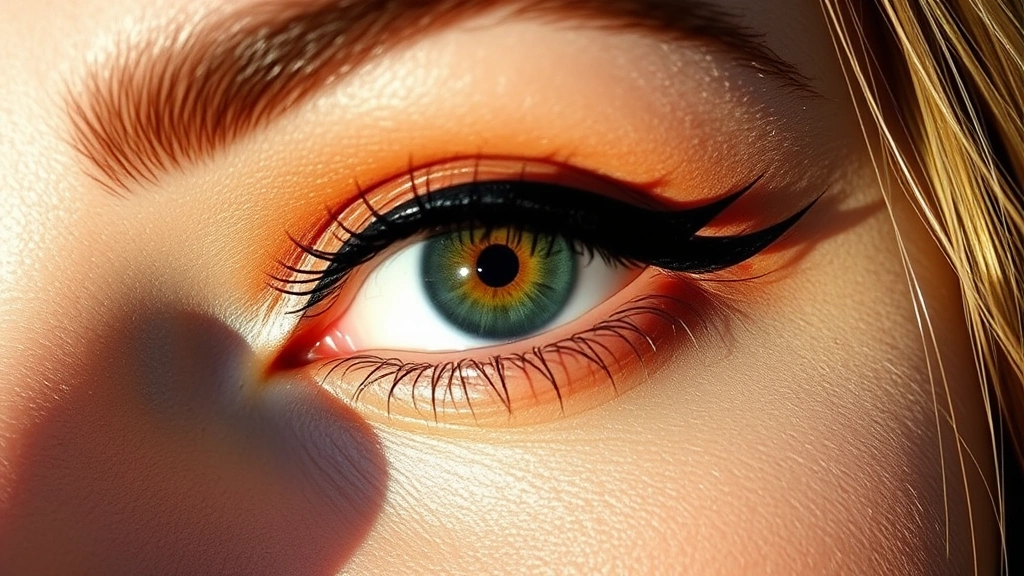
The 1940s and 1950s Winged Liner: This iconic look emerged as one of beauty’s most enduring trends. The technique involves creating a sharp, angled line that extends from the outer corner of the eye upward and outward, mimicking the shape of a bird’s wing. This requires a steady hand and quality liquid eyeliner. The upper lash line receives a crisp black or dark brown line, while the lower lash line typically remains unlined or receives a softer, smudged application. Pairing this with a generous coat of black mascara completes the look.
The 1960s Graphic Liner: The mod movement brought bold, graphic eye makeup that emphasized shape and geometry. Rather than following the natural eye contour, 1960s makeup created artistic lines—often including a thick upper liner with an extended wing and a dramatic lower liner. The space between these lines would be filled with contrasting eyeshadow, often featuring white or silver tones to create dimension. This look demands confidence and precision.
The 1970s Earthy Tones: Moving away from the graphic intensity of the previous decade, 1970s makeup embraced warm, earthy eyeshadow colors—bronze, copper, burnt orange, and warm browns. The application was softer and more blended, creating a gradient effect rather than distinct lines. Eyeliner became optional, with many looks relying purely on eyeshadow for definition. This era also saw the rise of cream eyeshadows, which provided better blending and a more natural appearance than powder formulas.
For any vintage eye look, investing in quality brushes is essential. Vintage makeup artists didn’t have the extensive brush collections available today, but they worked with precision tools that allowed for controlled application. A flat shader brush for packing color, a fluffy blending brush for transitions, and a thin liner brush for precise work will serve you well.
Classic Lip Techniques
Lips represent the signature element of vintage makeup, and mastering classic lip techniques opens up endless possibilities for creating period-accurate looks. The approach to lip color and application has shifted dramatically across eras, but certain principles remain constant.
Lip Preparation and Outline: Vintage makeup artists understood that beautiful lips begin with preparation. Exfoliating the lips gently and applying a moisturizing balm creates a smooth canvas for color application. The next crucial step involves using a lip liner that matches or slightly precedes your chosen lip color. This isn’t merely about preventing feathering—though that’s certainly a benefit—but about creating defined, structured lips that read as polished and intentional.
The Perfect Red Lip: Perhaps the most iconic vintage look, the red lip transcends era and continues to represent timeless elegance. The key to mastering this look involves understanding undertones. Cool-toned reds with blue undertones suit cooler complexions and darker skin tones beautifully. Warm reds with orange undertones flatter warmer skin tones and those with more golden undertones. The application technique matters equally—using a lip brush rather than applying directly from the tube allows for precision and prevents over-application. Build color gradually, starting with a thin layer and adding additional coats for intensity.
Vintage Lip Shapes: Different eras favored different lip shapes. The 1920s and 1930s preferred a smaller, more defined lip with a pronounced cupid’s bow. The 1940s and 1950s embraced fuller lips with emphasis on the center. The 1960s played with graphic shapes, sometimes extending the line slightly beyond the natural lip line for a mod effect. The 1970s returned to more natural lip proportions with softer, less defined edges.
Lip Color Longevity: Without modern long-wear formulas, vintage makeup artists employed strategic techniques for lip color retention. Applying a thin layer of foundation over the lips before applying lipstick creates a base that helps color adhere better. Setting lips with a light dusting of translucent powder, then applying a second coat of color, significantly extends wear time. This technique, called “baking” lips, works as effectively today as it did decades ago.
Cheeks and Contour Vintage Style
Cheek color application in vintage makeup serves a different purpose than modern contouring techniques. Rather than sculpting the face through shadow and highlight, vintage makeup used blush to create a youthful, healthy appearance and to balance the overall composition of the face.
Blush Placement and Application: The placement of blush varied by era, but the application technique remained consistent—using a fluffy brush and applying color to the apples of the cheeks with a light hand. The 1950s favored a circular application of warm pink or coral tones applied to the center of the cheek. The 1970s preferred a more natural placement slightly higher on the cheekbone, using warmer terracotta and bronze tones that complemented earthy eyeshadow.
Vintage makeup artists understood that less is more with blush. A light application that enhances natural flush appears more sophisticated than heavy color that reads as costume makeup. Building blush gradually allows you to achieve the perfect intensity without over-applying.
Contouring in Vintage Context: While modern contouring involves strategic placement of darker and lighter products to reshape facial proportions, vintage makeup used subtle shading more sparingly. Powder slightly darker than the skin tone might be applied to the hollows of the cheeks to create definition, but this was done with restraint. The goal was enhancement rather than transformation. This approach actually works beautifully for everyday wear, creating definition without the dramatic effect of modern contouring.
Highlighting Techniques: Vintage makeup didn’t use highlighter as we know it today, but strategic use of lighter, slightly shimmery powder on the high points of the face created a luminous quality. Applying a subtle shimmer to the inner corners of the eyes, the tops of cheekbones, and the center of the lips creates dimension and draws light to these features in a way that feels natural and elegant.
Building Your Vintage Makeup Collection
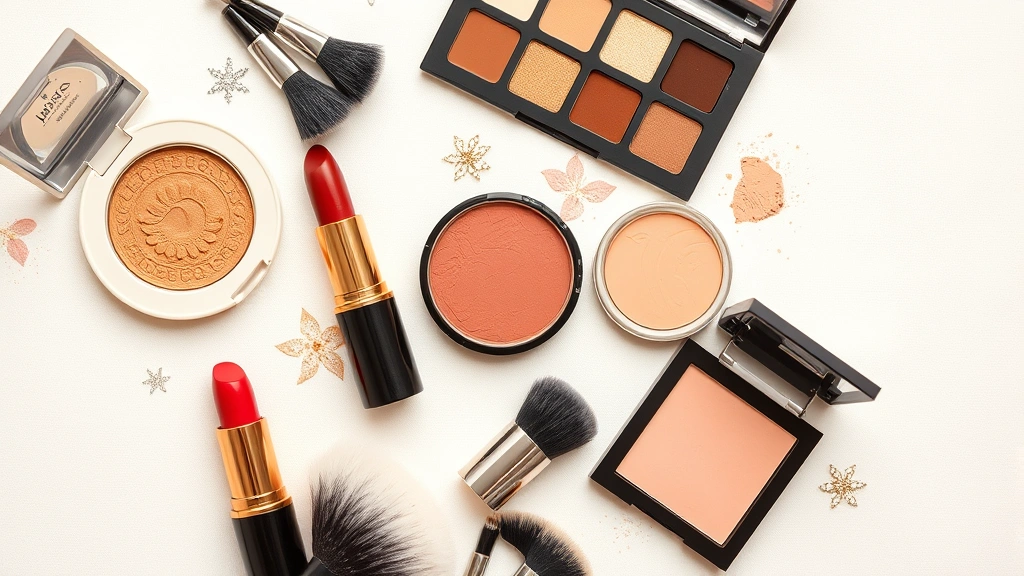
Creating a curated collection of products specifically chosen for vintage makeup application differs from assembling a general makeup collection. You’ll want products that offer the quality, texture, and finish characteristic of vintage looks while working with modern formulations.
Essential Products: Begin with a quality liquid eyeliner in black or dark brown—this is non-negotiable for achieving authentic vintage eye looks. A cream or powder eyeshadow palette featuring warm, earthy tones and classic neutrals provides versatility across eras. A range of lip colors including a true red, coral, pink, and nude in both warm and cool undertones allows you to recreate looks from any decade. A creamy blush in warm peach or coral and a cooler-toned pink rounds out your color collection.
Brushes and Tools: Invest in professional-quality brushes designed for precision work. A flat shader brush for packing eyeshadow, a fluffy blending brush for transitions, a thin angled brush for precise eyeliner application, a lip brush for controlled color application, and a fluffy powder brush for blush application form the foundation of your vintage makeup toolkit.
Texture Considerations: Vintage makeup often featured slightly heavier, more pigmented formulas than contemporary products. Cream eyeshadows and blushes blend beautifully and provide the slightly dewy finish characteristic of vintage looks. Matte liquid lipsticks, while modern, can recreate vintage lip colors effectively when applied with vintage techniques. Avoid overly dewy or glittery products that read as contemporary rather than classic.
Consider exploring sustainable fashion brands that also offer eco-conscious beauty products, allowing you to build your vintage collection while maintaining environmental values. Many vintage-inspired makeup brands prioritize sustainable packaging and ethical sourcing, connecting timeless beauty with responsible consumption.
Sustainable Beauty Practices
Embracing vintage makeup aesthetics naturally aligns with sustainable beauty practices. The vintage approach to makeup—using fewer products applied with greater intention—inherently reduces consumption and waste compared to constantly chasing new trends.
Quality Over Quantity: Vintage makeup philosophy emphasizes mastering core techniques with a limited product range rather than accumulating extensive collections. This approach not only saves money but dramatically reduces packaging waste. By investing in quality products you’ll actually use and love, you participate in the slow beauty movement that values longevity over novelty.
Multi-Use Products: Vintage makeup artists maximized their limited product selections by using items for multiple purposes. A warm brown eyeshadow could serve as an eyebrow filler, a subtle contour shade, and an eyeliner when applied wet. A cream blush works beautifully as an eyeshadow or lip tint. This versatility reduces the number of products you need to purchase and store.
Minimalist Application: The vintage approach to makeup naturally produces less waste during application. Rather than using excessive amounts of product, vintage techniques rely on precision and layering. This mindful approach to beauty consumption reflects the values discussed in articles about how to reduce carbon footprint in daily life—making intentional choices that align with environmental responsibility.
Vintage makeup also encourages keeping and maintaining products rather than constantly replacing them. Learning to properly store makeup, understanding product longevity, and developing skills to work with products you already own all contribute to more sustainable beauty practices. The beautiful irony is that approaching beauty with vintage sensibilities—thoughtfully, intentionally, and with respect for quality—naturally creates a more sustainable lifestyle.
FAQ
What’s the easiest vintage makeup look for beginners?
The 1950s soft, rounded eye with a simple winged liner and classic red lip provides an excellent starting point. This look requires fewer products and techniques than more complex vintage styles, yet immediately reads as polished and intentional. Start by practicing your winged liner on a few occasions before attempting the full look.
How do I choose which vintage era suits my face shape?
Consider how different eras emphasize facial features. If you have a round face, the high, angled eyebrows and graphic lines of 1960s makeup can create definition. If you have an angular face, the softer, rounder eye shapes of the 1950s can balance your features. Experiment with different eras to discover which most flatters your unique face shape and personal style.
Can I create vintage makeup looks with modern products?
Absolutely! Modern makeup formulas often surpass vintage products in terms of pigmentation, longevity, and ease of application. The key is understanding vintage techniques and applying them with contemporary products. Focus on the application method and color choices rather than seeking out actual vintage products, which may have compromised quality or safety.
What’s the difference between vintage and retro makeup?
Vintage makeup refers to authentic recreation of historical makeup techniques and styles based on actual practices from specific eras. Retro makeup involves using vintage-inspired aesthetics in a more playful, contemporary way that may not strictly adhere to historical accuracy. Both approaches are valid depending on your goals.
How do I make vintage makeup look modern and not costume-like?
The key lies in subtlety and balance. Rather than recreating an entire vintage look, consider incorporating one or two vintage elements into a contemporary makeup approach. Pair a graphic winged liner with modern, natural eyeshadow. Combine a classic red lip with minimal eye makeup. This blended approach feels current while honoring vintage aesthetics.
What products work best for achieving authentic vintage finishes?
Cream formulas often provide the finish characteristic of vintage makeup better than powder products. Cream eyeshadows, blushes, and even some foundations create the slightly dewy, blended appearance of vintage looks. Liquid eyeliner offers the precision required for graphic vintage eye looks. Quality brushes matter more than specific product brands—professional-grade tools allow you to achieve vintage effects with any quality makeup line.

Related Posts
Perfect Old Fashioned Donut: Baker’s Secrets
Old Fashioned Chocolate Pie Recipe? Chef’s Favorite