How to Make Old-Fashioned Look Modern? Expert Tips
Old-fashioned beauty looks don’t have to stay stuck in the past. With the right techniques, modern makeup trends, and strategic styling choices, you can transform vintage aesthetics into contemporary masterpieces that feel fresh and relevant. Whether you’re inspired by classic Hollywood glamour, 1970s disco vibes, or Victorian elegance, updating these timeless styles requires understanding both the original elements and how to reinterpret them through a modern lens.
The key to modernizing old-fashioned looks lies in balancing nostalgia with current beauty standards. This means keeping iconic elements—like bold winged eyeliner or statement lips—while incorporating contemporary techniques such as blending, contouring, and skin-focused preparation. In this comprehensive guide, we’ll explore expert strategies for taking vintage makeup inspiration and making it work for today’s beauty landscape.
Understanding Classic Beauty Elements
Before you can effectively modernize old-fashioned looks, you need to understand what makes them iconic. Classic beauty standards have influenced makeup artistry for decades, and recognizing these foundational elements helps you know which aspects to preserve and which to update.
Vintage makeup often emphasizes strong definition, dramatic shapes, and bold color choices. The 1950s favored perfectly arched brows and cat-eye eyeliner. The 1970s celebrated earthy tones, bronzed skin, and natural texture. The 1980s brought neon colors and sculptural contouring. Each era had distinct characteristics that defined beauty at that time, but applying these looks literally today can feel costume-like rather than chic.
The modern approach involves extracting the essence of these vintage aesthetics while implementing contemporary techniques. Instead of harsh, drawn-on brows, today’s beauty world prefers natural-looking arches. Rather than flat, heavily powdered skin, we now prioritize luminous, dimensional complexions. Understanding this shift allows you to honor vintage inspiration while staying current.
When exploring vintage beauty references, pay attention to the proportions, color relationships, and overall mood rather than copying every detail exactly. This selective approach ensures your look feels intentional and modern rather than dated.
Modern Skin Preparation Techniques
The foundation of any modernized makeup look starts with skincare and base preparation. Old-fashioned makeup often sat on top of skin without much regard for texture or hydration, but contemporary beauty emphasizes a flawless, skin-like finish that looks natural and dimensional.
Begin with a proper skincare routine that addresses your specific skin type. Hydrated skin provides the ideal canvas for makeup application and helps products blend seamlessly. Apply a hydrating primer that suits your skin—whether you need oil control or moisture boost. This step is crucial for longevity and blending, something vintage makeup routines largely overlooked.
Modern base application involves strategic coverage rather than full-face heaviness. Use concealer to target specific areas requiring coverage, then apply foundation only where needed. Blend thoroughly with a damp beauty sponge for a seamless finish. This technique creates dimension and prevents the flat, mask-like appearance common in older makeup styles.
Setting your base matters tremendously. Instead of heavy powder all over, use translucent powder only in areas prone to shine. This maintains skin texture visibility while controlling oil, striking the balance between vintage polish and modern natural-looking skin.
Consider how environmental factors might affect your makeup longevity throughout the day, and adjust your primer and setting strategies accordingly.
Updating Eye Makeup for Today
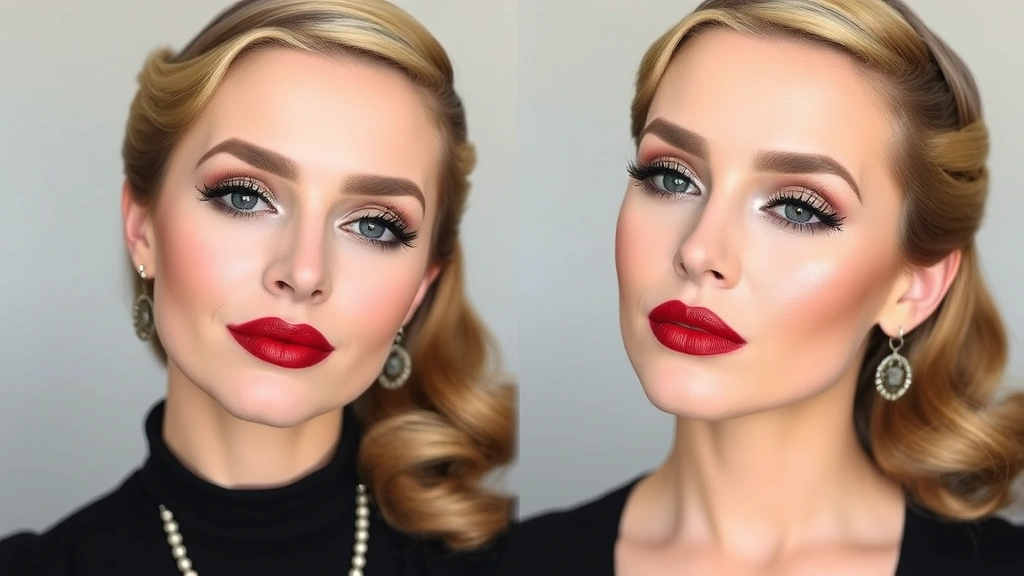
Eye makeup offers tremendous opportunity for modernizing vintage looks. The techniques have evolved dramatically, allowing for more precision, blending, and dimensional color application than ever before.
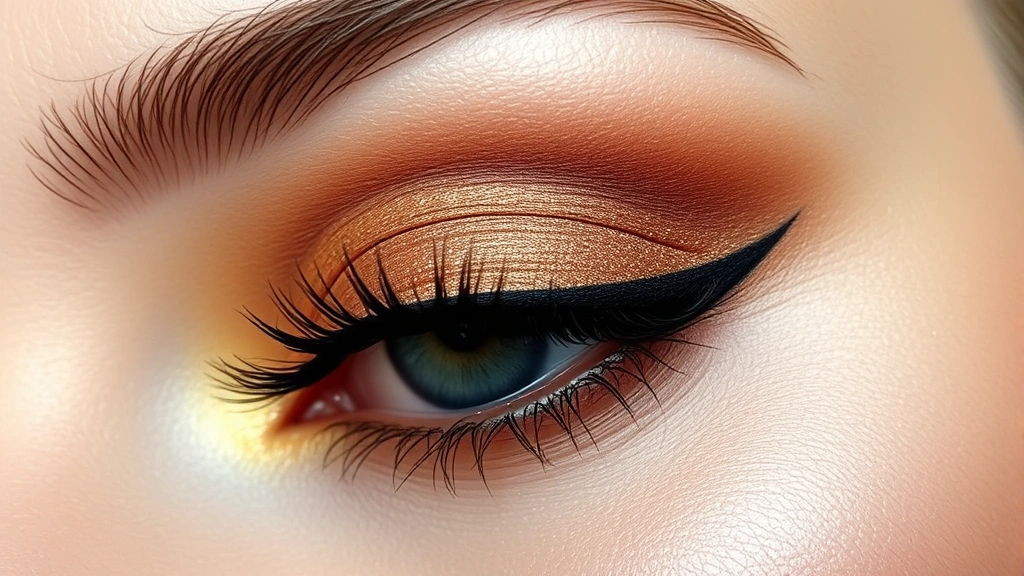
Eyeshadow Application: Vintage eyeshadow often featured stark color blocks with minimal blending. Modern technique involves gradient blending across multiple tones, creating seamless transitions. If you’re inspired by 1970s earth tones, apply bronze to the lid, blend terracotta into the crease, and soften the transition with a nude highlight. This creates depth while maintaining the vintage color story.
Eyeliner Evolution: The classic cat-eye remains relevant, but modern execution differs significantly. Rather than a harsh, perfectly geometric line, today’s approach favors a slightly softer, more organic wing. Use a liquid or gel liner for precision, but blend the edges slightly for a contemporary feel. Alternatively, create the cat-eye shape with eyeshadow for a more wearable, blended version of the vintage look.
Brow Styling: Old-fashioned beauty featured extremely arched, pencil-thin brows. Current trends favor fuller, more natural brows with gentle arching. If you’re modernizing a vintage look, keep your natural brow shape but refine it with strategic filling. Use a brow product that matches your natural hair color and apply with light, feathering strokes rather than harsh lines.
Mascara and Lashes: Volumizing mascara remains timeless, but application technique matters. Vintage makeup often emphasized upper lashes heavily. Modern beauty balances upper and lower lash application for a more open, dimensional eye. Consider individual lash clusters rather than full false lashes for a contemporary take on dramatic lashes.
Understanding current beauty standards helps you adjust these classic techniques appropriately for your face shape and personal style.
Contemporary Lip Trends with Vintage Inspiration
Lips provide powerful opportunities for vintage-inspired modern looks. Classic red lips never disappear, but how you apply and style them changes dramatically.
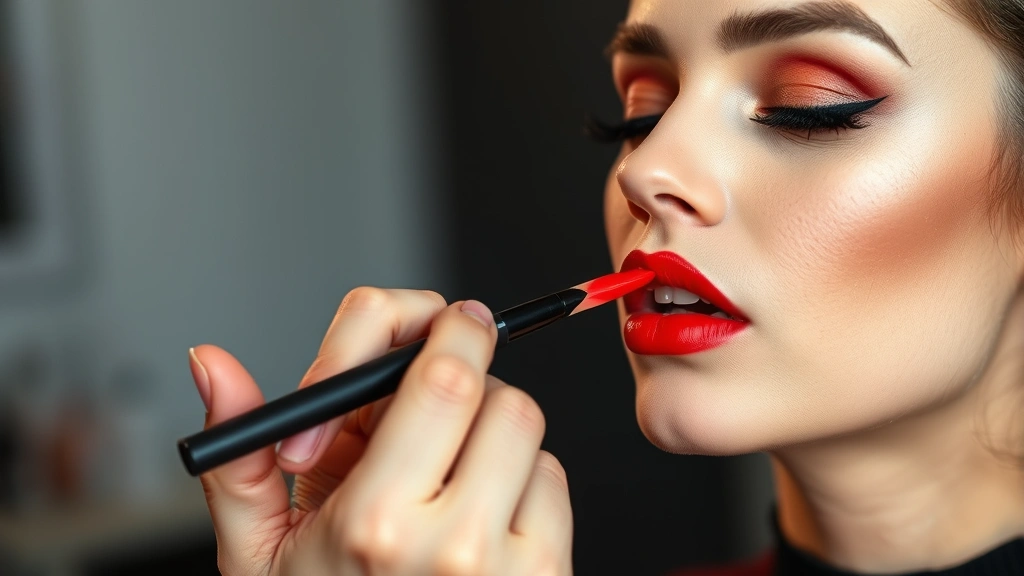
Modern Red Lip Application: Vintage lipstick application involved precise lining and solid fill. Contemporary technique still uses lip liner for definition but focuses on blending the edges for a softer appearance. Apply liner slightly inside your natural lip line rather than overlining dramatically—this creates subtle enhancement rather than obvious alteration. Fill with lipstick and blend with a lip brush for seamless color.
Color Intensity Variations: Instead of uniform, opaque color, modern lips often feature gradient effects. Apply darker shade to the outer edges and lighter shade toward the center for dimension. This technique modernizes vintage looks by adding contemporary depth and texture.
Finish Selection: Vintage lipstick typically featured matte finish exclusively. Modern beauty offers diverse options—creamy mattes, satin finishes, glossy overlays, and liquid lipsticks. Choose finishes based on the specific look you’re creating. A glossy red lip feels more contemporary than matte alone, while a matte lip with gloss center creates interesting dimension.
Lip Texture Preparation: Old-fashioned makeup often applied lipstick to unprepped lips, leading to patchiness and texture visibility. Modern approach involves exfoliating and moisturizing lips first, then applying primer for even color and longevity. This preparation ensures your vintage-inspired lip color looks polished and intentional.
When choosing lip colors, reference how sustainable beauty practices influence modern cosmetic formulations and color options.
Color Palettes That Bridge Eras
Successfully modernizing vintage looks requires thoughtful color selection that honors the original aesthetic while feeling contemporary. This involves understanding color theory and how certain combinations read as current versus dated.
Neutral Foundations with Vintage Accents: Pair neutral eyeshadow bases with vintage-inspired accent colors. This approach keeps the overall look modern while incorporating nostalgic elements. For example, use a warm beige as your base shadow, then add a vintage gold or bronze in the crease and inner corner. The neutrals ground the look while the vintage tones provide character.
Saturated Colors Applied Strategically: Vintage makeup often featured heavily saturated colors across large areas. Modern application concentrates these bold colors strategically—perhaps a saturated jewel tone on the lid with neutral crease shading, or a bright lip with neutral eyes. This creates impact without overwhelming the face.
Undertone Consideration: Vintage makeup sometimes ignored undertone matching, resulting in colors that didn’t harmonize with skin tone. Modern beauty prioritizes undertone alignment. If you’re recreating a vintage look, adjust the color family to match your undertones while maintaining the vintage aesthetic. Warm undertones might shift cool-toned vintage inspiration slightly warmer, for instance.
Monochromatic Sophistication: Creating looks within a single color family feels modern and polished. Take a vintage color inspiration and build around it using multiple tones within that family—different depths, saturations, and finishes. This creates cohesion while maintaining the vintage color reference.
Face Contouring and Dimension
Modern makeup’s most significant evolution involves dimensional face sculpting through contouring and highlighting. Vintage makeup relied on minimal shading, but contemporary technique uses strategic color placement for transformative dimension.
Contouring Basics: Apply contour shade (typically one to two shades deeper than skin) to areas you want to recede—hollows of cheeks, sides of nose, temples, jawline. Blend thoroughly for a seamless transition. This technique didn’t exist in vintage makeup routines, but adding it to vintage-inspired looks modernizes them instantly while maintaining the desired classic elements.
Strategic Highlighting: Place highlighter on cheekbones, brow bones, inner corners, and down the center of the nose. Modern highlighting emphasizes luminosity and dimension rather than the flat shine of vintage makeup. Use highlighter strategically rather than all over for a polished, intentional appearance.
Blending Mastery: The difference between dated and modern lies largely in blending quality. Vintage makeup often featured distinct color blocks. Contemporary technique blends everything seamlessly, creating gradual transitions that look sophisticated. Invest in quality brushes and practice blending techniques for professional results.
Cream and Powder Layering: Modern contouring often combines cream and powder products for dimension and longevity. Apply cream contour first for seamless blending, then set with powder contour for staying power. This technique adds sophistication unavailable in vintage makeup routines.
Understanding modern beauty sustainability influences your product choices when building a contouring collection.
Hair and Makeup Integration
Successful modernization of vintage looks extends beyond makeup to include hair styling and overall cohesion. Old-fashioned beauty often featured distinct separation between hair and makeup styles, but contemporary aesthetics emphasize integration and harmony.
Hairstyle Modernization: Vintage hairstyles often featured rigid waves, extreme volume, or severe styling. Update these by softening lines, incorporating texture, and creating movement. A 1950s-inspired victory roll can become a soft, undone bun. 1970s waves can transform into modern, tousled texture. The key is maintaining the vintage reference while applying contemporary styling techniques.
Makeup and Hair Color Harmony: Modern beauty considers how makeup and hair colors interact. If you’re recreating a vintage look with specific hair color, ensure makeup tones complement both your hair and skin. This creates visual cohesion that reads as intentional rather than costume-like.
Texture and Movement: Vintage styles often emphasized perfection and control. Modern beauty celebrates texture and movement. Even when inspired by classic looks, incorporate softness and natural-looking texture in both hair and makeup. Slightly tousled hair pairs beautifully with softly blended makeup for a contemporary vintage aesthetic.
Accessory Consideration: Vintage looks sometimes relied heavily on accessories for character. Modern approach uses accessories more sparingly but strategically. A single statement piece—perhaps a vintage-inspired hair clip or earring—provides nod to the era without overwhelming the overall look.
Texture and Finish Modernization
Perhaps the most significant evolution in makeup artistry involves product finishes and textures. Vintage makeup relied on limited finish options, primarily matte or shiny. Contemporary beauty offers diverse textures that dramatically impact how looks read.
Finish Variety: Modern makeup includes matte, satin, dewy, luminous, and metallic finishes. Combining these strategically creates dimension and visual interest. A vintage-inspired look might feature matte contour, satin eyeshadow, and luminous highlighter for contemporary sophistication.
Dewy Versus Matte Balance: Vintage makeup often aimed for matte, powdered appearance. Modern beauty frequently favors dewy, luminous skin with selective matte areas. If modernizing a vintage look, maintain matte elements where they serve the design (like defined contour) while incorporating dewiness in highlighted areas for contemporary appeal.
Metallic and Shimmer Application: Vintage shimmer often appeared flat and one-dimensional. Modern metallic products feature sophisticated light-reflecting technology creating depth and movement. Using contemporary metallic products in vintage-inspired looks instantly modernizes them through superior product quality and application technique.
Texture Building: Layer textures intentionally for visual interest. Matte shadow with shimmer accent, cream contour with powder setting, or glossy lip with matte base creates sophisticated dimension. This layering approach feels modern and polished compared to vintage single-texture application.
Longevity and Wear: Modern products often feature improved staying power through innovative formulations. This allows you to create vintage-inspired looks that maintain their beauty throughout the day, unlike vintage makeup that often required frequent touch-ups. Utilize modern primers, setting sprays, and long-wear formulations for reliability.
When selecting products, consider how sustainable sourcing practices affect modern beauty product development and availability.
FAQ
How do I know which vintage elements to keep when modernizing a look?
Identify the signature elements that define the vintage aesthetic—the cat-eye for 1950s looks, bronzed tones for 1970s inspiration, or statement lips for various eras. Keep these recognizable elements while updating application techniques, finishes, and supporting colors. This maintains the vintage reference while ensuring contemporary execution.
What’s the most important technique for modernizing old-fashioned makeup?
Blending is paramount. Vintage makeup featured distinct color blocks; modern beauty emphasizes seamless transitions. Mastering blending techniques transforms any vintage-inspired look into something current and polished. Invest in quality brushes and practice blending for professional results.
Can I wear vintage makeup looks without looking costume-like?
Absolutely. The key is balancing vintage elements with modern techniques and finishes. Use contemporary primers, foundations, and setting products. Apply vintage-inspired colors and shapes with modern blending methods. Incorporate modern contouring and highlighting. This hybrid approach honors vintage inspiration while feeling intentional and current.
How do I adapt vintage looks to my specific face shape?
Vintage makeup often followed one-size-fits-all approach. Modern beauty customizes based on face shape, features, and personal coloring. Adjust proportions and placement of vintage elements to flatter your specific features. A cat-eye might be adjusted based on eye shape; contouring customized for face structure. This personalization modernizes and enhances vintage inspiration.
What products should I use for modernizing vintage looks?
Choose contemporary products with modern finishes and formulations. Use modern primers, foundations with skin-like coverage, contemporary eyeshadows with sophisticated finishes, and modern setting products. These products provide the tools necessary for updated application techniques while maintaining vintage aesthetic elements.
How can I practice modernizing vintage looks?
Start with one vintage-inspired look and apply modern techniques. Research the original aesthetic, identify signature elements, then plan how you’ll update application. Practice blending, contouring, and highlighting around the vintage color or shape inspiration. Photograph results to track progress and refine your approach with each attempt.

Related Posts
Perfect Old Fashioned Donut: Baker’s Secrets
Old Fashioned Chocolate Pie Recipe? Chef’s Favorite