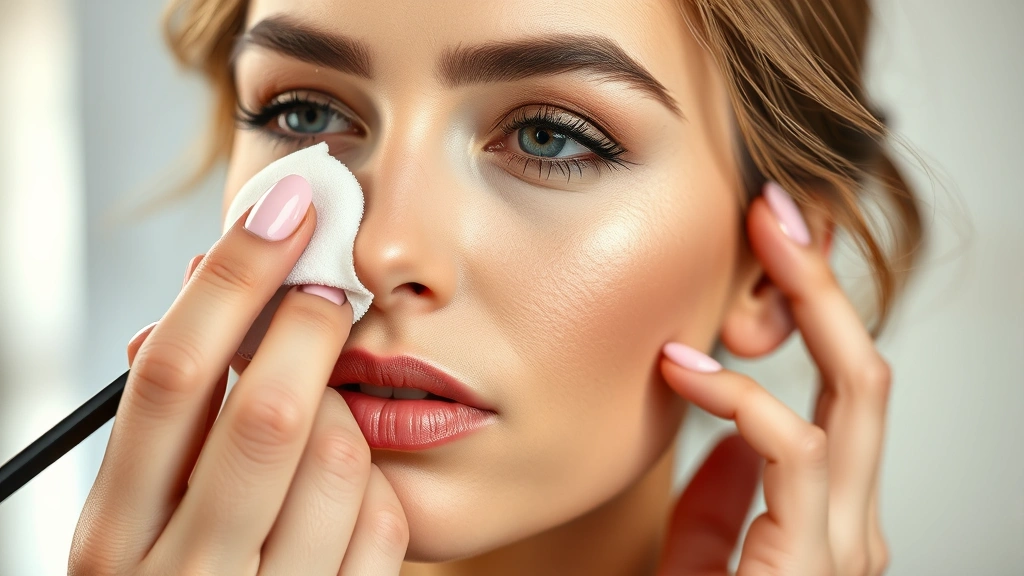
Fashionistas’ Makeup Tips: What Experts Recommend
Fashionistas’ Makeup Tips: What Experts Recommend
When fashionistas take to the runway and red carpets, their makeup is just as meticulously planned as their outfits. The beauty world has evolved dramatically, with professional makeup artists and beauty experts now sharing insider secrets that transform everyday looks into runway-ready masterpieces. Whether you’re attending a fashion event or simply want to elevate your daily beauty routine, understanding what the experts recommend can make all the difference in how polished and intentional your makeup appears.
The intersection of fashion and beauty has never been more collaborative. Top makeup artists who work with fashion houses and celebrity stylists have developed techniques that go far beyond basic application. These professionals understand that makeup is not just about coverage—it’s about creating a cohesive visual narrative that complements clothing, hairstyles, and overall personal branding. By learning what fashionistas and their teams prioritize, you can adopt these expert-approved strategies for your own beauty arsenal.

Foundation and Base Perfection
Professional makeup artists emphasize that a flawless base is the foundation of any sophisticated look. When fashionistas appear on runways or at high-profile events, their skin appears poreless and luminous—and this starts with proper preparation. Experts recommend investing time in understanding your skin type first, whether it’s oily, dry, combination, or sensitive. This knowledge directly influences which foundation formulas will work best for longevity and finish quality.
The key to professional-looking foundation application lies in using the right tools and techniques. Many makeup artists prefer using damp beauty sponges or specialized brushes rather than fingers, as these tools provide more even coverage and better blending. Layering foundation strategically means applying lighter coverage in areas that naturally catch light and building slightly more coverage where needed for depth and dimension. Experts from Beautylish consistently recommend this approach for creating seamless, professional finishes.
Setting your base is equally critical. After foundation application, many fashionistas use translucent powder applied with a fluffy brush in a pressing motion rather than sweeping motions. This technique prevents caking while ensuring makeup stays put throughout the day or evening. Some professionals even use the baking technique—applying powder under the eyes and letting it sit for several minutes before brushing away excess—to set makeup without creating visible powder lines.
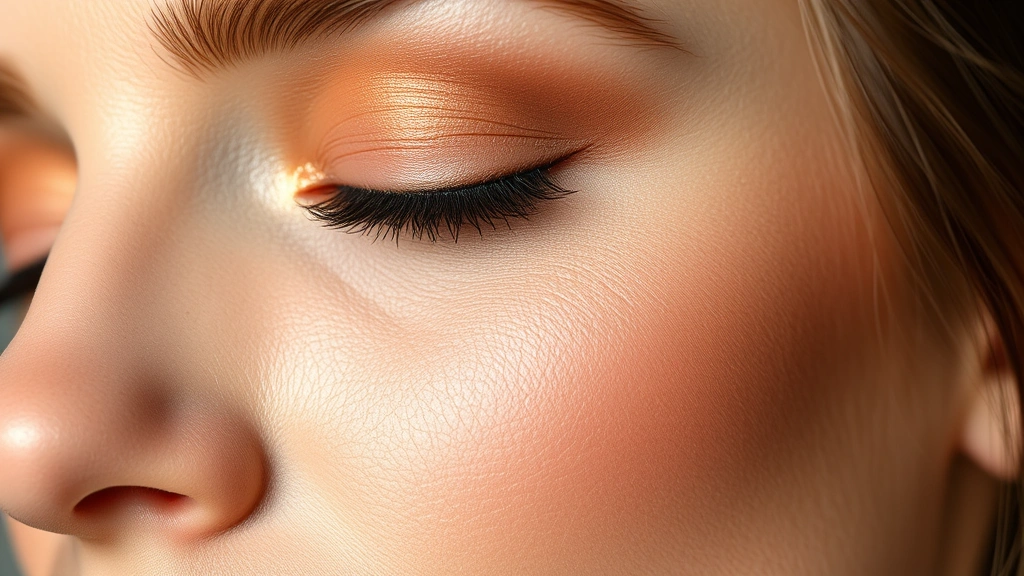
Eye Makeup Techniques Professionals Use
Eyes are often the focal point of fashionable makeup looks, and experts spend considerable time perfecting eyeshadow application. The fashion world has embraced both bold, artistic eye looks and refined, minimalist approaches, depending on the designer’s vision and the occasion. Professional makeup artists understand that eye makeup techniques must complement face shape, eye color, and overall styling direction.
When applying eyeshadow, fashion-forward makeup artists typically start with an eyeshadow primer to create a smooth, sticky base that extends wear time and prevents creasing. They then use the “cut crease” technique—a method where a precise line is created along the eyelid to define and lift the eye area. This technique requires a flat, firm brush and careful blending to look intentional rather than harsh. Blending transitions between colors is what separates amateur application from professional results; experts spend significant time on this step using fluffy blending brushes and circular motions.
Eyeliner application has become an art form in fashion makeup. Liquid liners offer precision for graphic looks, while pencil liners provide softer definition. Many fashionistas opt for tightlining—applying eyeliner directly to the upper lash line’s waterline—to create the illusion of fuller lashes without obvious liner. For a more dramatic effect, experts recommend extending the liner slightly past the outer corner in a subtle wing that flatters the eye shape. Mascara application completes the eye, with professionals typically applying multiple thin coats rather than one thick coat for natural-looking volume.
Lip Color Strategy for Fashion Forward Looks
Lip color selection is where fashionistas really showcase their understanding of color theory and personal branding. The beauty experts at Allure Magazine note that lip color should either complement or intentionally contrast with eye makeup depending on the desired aesthetic. When eyes are heavily emphasized with bold shadow, lips typically remain more neutral to avoid visual chaos. Conversely, when eyes are understated, lips become the statement feature.
Professional makeup artists recommend lip preparation and priming as essential steps often overlooked by casual makeup users. Exfoliating lips gently and applying lip balm creates a smooth canvas for color application. Using a lip liner that matches the lipstick shade helps define lips while preventing feathering throughout the day. This technique is particularly important for fashionistas who need makeup to withstand hours of wear during events or photo sessions.
The finish of lip color matters significantly in fashion makeup. Matte finishes project sophistication and work well for editorial looks, while glossy finishes add dimension and youthfulness. Satin finishes offer a middle ground, providing color payoff with subtle sheen. Experts recommend having multiple lip products in your collection to adapt to different styling scenarios and seasonal trends that fashionistas follow closely.
Contouring and Highlighting Like a Pro
Contouring has evolved from a heavy-handed technique to a refined art practiced by fashion makeup professionals. The goal is to create subtle dimension and definition that enhances natural facial structure without appearing obvious. Proper contouring placement requires understanding facial anatomy; makeup artists apply slightly darker shades to areas they want to recede (hollows of cheeks, sides of nose) and lighter shades to areas they want to emphasize (cheekbones, center of face).
Highlighting is where fashionistas truly shine. Professional makeup artists place highlighter on the highest points the light naturally hits: tops of cheekbones, brow bones, bridge of nose, cupid’s bow, and inner corners of eyes. The key is using light-reflecting pigments strategically rather than applying highlighter everywhere. Experts recommend using a shade only one to two shades lighter than your skin tone to maintain a natural, glowing appearance rather than an artificial sparkly look.
Blending contouring and highlighting products seamlessly is what distinguishes professional application from obvious makeup. Using the right tools—fluffy brushes for powder products and damp sponges for cream products—ensures products meld into skin rather than sitting on top. Many fashionistas prefer cream contour and highlight products for their blendability and natural finish, though powder formulas offer longer wear for all-day events.
Color Theory in Makeup Selection
Understanding color theory transforms how fashionistas approach makeup selection for different occasions and outfits. Complementary colors—those opposite each other on the color wheel—create striking contrast and visual interest. For example, warm-toned eyeshadow beautifully complements cool-toned clothing, and vice versa. Dermatology experts and makeup specialists agree that coordinating makeup with wardrobe creates a cohesive, intentional appearance.
Undertone awareness is fundamental to color selection. Whether your skin has warm, cool, or neutral undertones dramatically affects which makeup shades flatter you most. Fashionistas with warm undertones typically look best in warm-toned makeup (golds, warm reds, bronzes), while cool undertones suit cool-toned makeup (silvers, cool reds, purples). Neutral undertones offer flexibility with both warm and cool shades. Identifying your undertone is perhaps the single most important step in building a personalized makeup collection that always looks flattering.
Seasonal color trends also influence fashionista makeup choices. Spring and summer typically feature lighter, fresher colors and dewy finishes, while fall and winter embrace deeper jewel tones and matte finishes. Professional makeup artists stay updated on these trends through fashion publications and runway shows, adapting their recommendations based on current fashion cycles and client preferences.
Skin Prep and Primer Essentials
Before any makeup application, fashionistas prioritize comprehensive skin preparation. This includes cleansing, toning, and moisturizing to create an optimal canvas for makeup. Proper hydration is essential because dehydrated skin can appear flaky and makeup may not apply smoothly. Experts recommend applying moisturizer appropriate to your skin type and waiting a few minutes for it to set before applying primer.
Primers are where professional makeup artists invest significant product knowledge. Eye primers differ from face primers; eye primers are typically tacky and help eyeshadow adhere and resist creasing, while face primers smooth texture, minimize pores, and create a barrier between skin and foundation. Many fashionistas use multiple primers targeted to different face areas—a pore-minimizing primer on the T-zone, a hydrating primer on dry areas, and a dedicated eye primer for extended eyeshadow wear.
The application of primer affects how all subsequent makeup products perform. Using too much primer can actually cause makeup to slip, while too little may not provide adequate hold. Blending primer evenly across the face using fingers or a damp beauty sponge ensures a smooth base. This seemingly simple step is actually where many makeup applications succeed or fail, making it worthy of professional attention and careful technique refinement.
FAQ
What’s the most important makeup tip fashionistas should know?
The most critical tip is investing time in proper skincare and preparation. Even the best makeup products cannot compensate for poor skin preparation. A well-prepped base makes all subsequent makeup application easier and results look significantly more professional and polished.
How do fashionistas make makeup last all day?
Professional makeup artists use setting sprays, powder placement strategies, and long-wearing formulas. Applying makeup in thin, layered coats rather than thick applications, using primers, and setting with translucent powder all contribute to extended wear. Many fashionistas also use setting sprays both before and after makeup application for maximum longevity.
Should fashionistas always follow current makeup trends?
While staying aware of trends is beneficial, fashionistas ultimately choose looks that flatter their individual features and align with their personal style. Trends provide inspiration, but expert makeup artists always prioritize enhancing natural features over rigid trend-following. Adapting trends to suit your face shape and coloring creates more authentic, flattering results.
What’s the difference between everyday and event makeup?
Event makeup typically features more dramatic colors, extended wear formulas, and bolder techniques like cut creases or graphic eyeliner. Everyday makeup emphasizes natural enhancement with lighter coverage and softer blending. Fashionistas maintain both approaches in their beauty repertoire, adjusting intensity based on the occasion and desired impact.
How can beginners develop fashionable makeup skills?
Start by mastering one technique at a time rather than attempting complex looks immediately. Practice foundation application and blending until comfortable, then progress to eyeshadow, contouring, and advanced techniques. Watching tutorials from professional makeup artists, experimenting with different products, and seeking feedback helps accelerate skill development. Many fashion-forward individuals also benefit from professional makeup lessons that provide personalized guidance.
Why do professional makeup artists use specific tools?
Different tools create different results; fluffy brushes blend effectively, flat brushes provide precision, and damp sponges create seamless blending without visible brush strokes. Using appropriate tools for each product and technique dramatically improves makeup application quality. Fashionistas investing in their makeup collection should prioritize quality brushes and tools alongside makeup products themselves.
How does makeup coordinate with fashion styling?
Professional stylists and makeup artists collaborate to ensure cohesion between makeup and clothing. This involves considering color coordination, finish compatibility (matte makeup with matte fabrics, glossy makeup with shiny materials), and overall aesthetic alignment. A fashionable appearance emerges from intentional coordination across all styling elements, not just clothing alone.

Related Posts

Perfect Old Fashioned Donut: Baker’s Secrets
Old Fashioned Chocolate Pie Recipe? Chef’s Favorite