How to Match Lipstick? Fashion House Tips
How to Match Lipstick? Fashion House Tips
Choosing the right lipstick shade feels like an art form—and honestly, it should be treated as one. Fashion houses have spent decades perfecting the science behind lipstick matching, understanding that the perfect lip color isn’t just about what looks pretty in the tube. It’s about harmony with your skin tone, personal style, wardrobe, and the occasion. Whether you’re getting ready for a boardroom meeting or a night out, the lipstick you choose can either elevate your entire look or leave you feeling uncomfortable in your own skin.
The beauty industry’s top fashion houses—from luxury Italian brands to French cosmetics powerhouses—have developed sophisticated color-matching systems that go far beyond basic undertone analysis. They consider factors like your natural lip pigmentation, the lighting where you’ll spend most of your time, your clothing palette, and even your hair color. In this comprehensive guide, we’re pulling back the curtain on these professional techniques so you can master the art of lipstick matching like a true beauty expert.
Understanding Your Undertone
Before you can match any lipstick to your complexion, you need to understand one fundamental concept: undertone. Your undertone is the subtle hue beneath your skin’s surface—it’s either warm, cool, or neutral. This isn’t the same as your skin’s depth (light, medium, deep), and this distinction is crucial for beauty professionals everywhere.
Warm undertones have golden, peachy, or reddish qualities. If you have a warm undertone, you’ll typically see yellow or golden reflections when you look at your skin. Cool undertones lean toward pink, red, or bluish hues—think of how pale skin with pink undertones looks, or deeper skin with red or violet undertones. Neutral undertones are a beautiful blend of both warm and cool, giving you flexibility with multiple color families.
To determine your undertone, try these proven fashion house techniques: Look at the veins on your wrist in natural daylight. Do they appear more green (warm) or blue (cool)? Check how you naturally react to gold versus silver jewelry—does gold make you glow or does silver look more flattering? Consider how you tan: do you bronze (warm) or do you burn then tan evenly (cool)? These micro-observations compound into a clear picture of your undertone, which is the foundation for all lipstick matching success.
The cosmetic science community recognizes that undertone is more predictive of lipstick success than almost any other single factor. Once you’ve identified your undertone, you’ve unlocked the door to lipstick matching mastery.
Skin Tone and Lipstick Harmony
While undertone is foundational, your overall skin tone depth matters tremendously when selecting lipstick shades. Luxury fashion houses understand that the same lipstick can look completely different on various skin tones—and that’s not a limitation, it’s an opportunity for personalization.
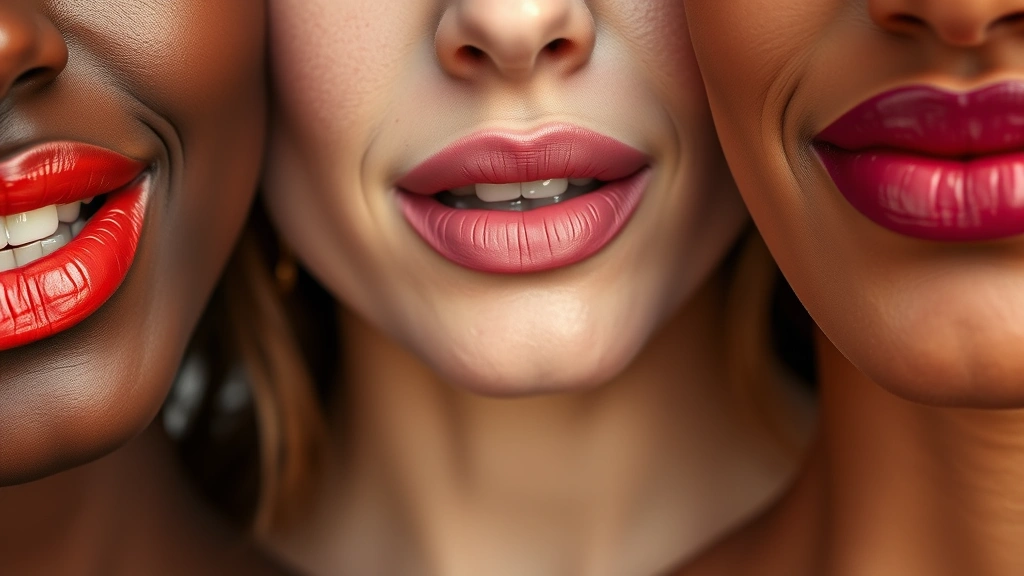
Fair skin tones with cool undertones shine with berry, plum, mauve, and classic reds with blue undertones. Warm fair skin glows with coral, warm reds, peachy-browns, and warm pinks. Medium skin tones are incredibly versatile—you can pull off nearly every lipstick color in the rainbow, but the key is matching the lipstick’s undertone to yours. A medium skin tone with warm undertones might prefer warm corals and orangey-reds, while cool undertones work beautifully with berry tones and cool reds.
Deep skin tones are absolute show-stoppers with bold, saturated colors. Rich burgundies, deep berries, warm brick reds, and even unconventional shades like terracotta and warm browns create stunning contrast. The misconception that deep skin tones can’t wear lighter lipsticks is completely false—lighter shades simply need to have the right undertone match.
Fashion houses like Charlotte Tilbury and MAC have revolutionized the industry by offering extensive shade ranges specifically designed for diverse skin tones. They recognize that lipstick matching isn’t about finding “the” shade—it’s about finding your shade that complements your unique complexion.
The Fashion House Color Theory
Professional makeup artists at top fashion houses use sophisticated color theory principles that most people never learn. Understanding these principles transforms you from someone who randomly picks lipsticks to someone who strategically selects them.
The concept of color temperature is paramount. Warm lipsticks contain yellow, orange, or red undertones. Cool lipsticks contain blue, violet, or pink undertones. Matching your lipstick’s temperature to your skin’s undertone creates visual harmony that looks effortless and intentional. When you mismatch temperatures—say, wearing a cool-toned lipstick with warm undertones—the effect can feel jarring or “off” even if you can’t articulate why.
Saturation and depth are equally important. A highly saturated (intense, vivid) lipstick demands confidence and works best when your overall look is equally bold. Lower saturation lipsticks feel more wearable for everyday occasions. Fashion house stylists often recommend that people with lighter skin tones explore lower saturation options for daily wear, while deeper skin tones can handle high saturation beautifully in everyday contexts.
The contrast principle is where fashion house expertise really shines. Your lipstick should create appropriate contrast with your skin tone. If you have very fair skin and wear a very light lipstick, the contrast is minimal—which can be stunning with the right undertone match but might feel washed out if the undertone is wrong. Deeper skin tones with bold lipsticks create dramatic, intentional contrast. Medium skin tones have the flexibility to play with both high and low contrast options.
Matching Lipstick to Your Wardrobe
Here’s where lipstick matching becomes truly sophisticated: your clothing choices directly impact whether your lipstick looks cohesive or chaotic. Fashion houses don’t just sell lipsticks in isolation—they create color palettes that work together harmoniously.
If your wardrobe predominantly features warm tones (corals, golds, warm browns, rust, peachy neutrals), your lipstick should echo those warm undertones. Warm reds, coral-leaning pinks, terracotta, and warm nudes will feel like a natural extension of your style. When you wear cool-toned clothing (jewel tones, cool grays, blacks with blue undertones), your lipstick should shift cooler—think berry, mauve, cool pink, or blue-based reds.
This doesn’t mean you need an entirely separate lipstick collection for different seasons—though many beauty enthusiasts enjoy that luxury. Instead, understand your core wardrobe’s temperature and choose lipsticks that complement it. A fashion-forward approach is selecting one or two neutral lipsticks that work with your entire wardrobe, then adding one or two statement shades for occasions when you want impact.
Professional stylists recommend considering your hair color as part of your wardrobe harmony. Warm blonde hair (golden, honey tones) pairs beautifully with warm lipsticks. Cool blonde or silver hair shines with cool-toned lipsticks. Brunettes with warm undertones in their hair typically prefer warm lipsticks, while cool-toned brunettes (ashy, cool browns) look stunning in berry and cool shades. Red hair opens up a unique opportunity—warm reds can create a monochromatic, fashion-forward look, while cool berries create sophisticated contrast.
Lighting and Application Techniques
Fashion houses invest heavily in understanding how lipstick appears under different lighting conditions because this dramatically impacts your satisfaction with a shade. A lipstick that looks perfect in your bathroom mirror might look completely different in natural daylight, fluorescent office lighting, or romantic evening lighting.
Natural daylight is the gold standard for true color assessment. When testing lipstick shades, always step outside or position yourself near a window with natural light. This is the lighting where you’ll spend a significant portion of your day, so it’s the most important context for your lipstick decision.
Fluorescent lighting (common in offices and stores) tends to cool down colors and emphasize any yellow undertones, making them appear more pronounced. If a lipstick looks good under fluorescent lighting, it’ll likely look even better in natural light. Conversely, if it looks off under fluorescent lights, you might want to reconsider.
Warm indoor lighting (like restaurant or bar lighting) tends to make lipsticks appear warmer and more saturated. This is why a lipstick might look perfect for an evening event but seem too intense during the day.
When applying lipstick for matching purposes, use these professional techniques: Apply the lipstick directly to your lips without primer or base—you want to see the true color interaction with your natural lip pigmentation. Swatches on your hand or arm don’t account for this crucial factor. Apply a generous layer, then blot lightly to see the true depth of the shade. Wait a few minutes for the color to fully settle, as lipstick oxidizes slightly and the final color differs from the initial application.
Professional Testing Methods
Luxury fashion houses employ rigorous testing protocols before releasing new lipstick shades. You can employ similar methods when selecting your perfect lipstick.
The 15-minute rule is essential: wear the lipstick for at least 15 minutes before deciding. Your eyes adjust to colors gradually, and what feels shocking initially often becomes your favorite shade. Walk around, check yourself in different lighting, and see how the color settles on your lips as it oxidizes.
The wardrobe test involves holding the lipstick shade next to your most-worn clothing items. Does it complement your typical color palette? Does it create harmony or conflict? If you’re unsure about a shade, this test often provides clarity.
The comparison method means testing the lipstick alongside shades you already know work for you. If you have a lipstick you love, testing a new shade in direct comparison helps you identify exactly what makes one shade work better than another. Are you drawn to slightly cooler or warmer tones? More or less saturation? More or less depth?
The lighting migration test is professional-grade technique: test the lipstick in the store lighting (usually fluorescent), then step outside to natural light, then check it in your car’s interior lighting. If it looks good in all three contexts, you’ve found a winner. If it only looks good in one lighting situation, reconsider whether it fits your lifestyle.
Consider consulting dermatology resources about lipstick formulations if you have sensitive lips, as the formula affects how color appears on your lips and how comfortable you’ll feel wearing it throughout the day.
Seasonal Lipstick Transitions
Fashion houses release seasonal collections because our lipstick needs genuinely shift with the seasons. This isn’t just marketing—it’s rooted in real changes to your complexion and wardrobe.
Spring and summer typically bring lighter, more bronzed skin tones and brighter, more colorful wardrobes. This is when lighter pinks, corals, peaches, and warm nudes shine. Your skin has more golden undertones from sun exposure, so warm lipsticks feel particularly harmonious. This is also the season for experimenting with bold, saturated colors if that appeals to you.
Fall and winter bring deeper skin tones (less sun exposure means less bronzing) and richer, darker wardrobes. This is when berries, deep reds, plums, and warm browns become your best friends. Cool-toned lipsticks that felt slightly off in summer suddenly look perfect as your skin tone shifts slightly cooler. Your wardrobe likely shifts to jewel tones and darker neutrals, which pair beautifully with these deeper lipstick shades.
Professional stylists recommend maintaining a transitional lipstick—a shade that works across seasons. Warm nudes, terracotta, and true reds (not too warm, not too cool) typically transition beautifully. This means you can invest in a high-quality formula without worrying about it becoming “wrong” when the season changes.
Many fashion-conscious individuals enjoy having seasonal lipstick moments—specific shades they wear only during certain seasons because they feel thematically appropriate. A bright coral might be your summer signature, while a deep burgundy becomes your winter uniform. This creates intentionality and makes your beauty routine feel cohesive with your overall lifestyle.
FAQ
What if I can’t determine my undertone?
Start by examining how you naturally look in gold versus silver jewelry, then look at your wrist veins in natural light. If you’re still uncertain, take a photo of yourself in natural daylight wearing both warm and cool-toned clothing. The clothing that makes your skin look brighter and more vibrant indicates your undertone. You can also consult a professional makeup artist who specializes in color analysis—many beauty counters at department stores offer this service.
Can I wear lipstick shades that don’t match my undertone?
Technically yes, but it requires intentionality. Wearing a lipstick that clashes with your undertone can work if you’re creating a bold, artistic statement. However, for everyday wear and for lipsticks that make you feel confident and comfortable, matching undertones is essential. Think of undertone-matching as the foundation—once you master it, you can experiment with breaks from it.
How do I make a lipstick look good if it seems wrong for my skin tone?
Try adjusting the saturation by mixing it with a balm or gloss, which can soften the color and make it more wearable. You can also apply it more sheer by blotting heavily after application. Sometimes changing your clothing to better complement the lipstick shade creates harmony. If none of these strategies work, the lipstick likely isn’t right for you, and that’s okay—there are thousands of other shades.
Do I need different lipsticks for different occasions?
Not necessarily. A well-chosen lipstick in a universally flattering shade can work for professional settings, casual occasions, and evening events. However, many people enjoy having one everyday lipstick and one or two statement shades for special occasions. The key is choosing shades that genuinely make you feel confident.
What’s the best way to test lipstick at a beauty counter?
Apply it directly to your lips using the tester applicator (or request a disposable applicator for hygiene). Wear it for at least 10-15 minutes while walking around the store. Check yourself in different mirrors and near windows if possible. Ask the beauty associate about the undertone of the shade and how it’s meant to complement different skin tones. Don’t rely solely on swatches on your hand—your lips will show the true color interaction.
How often should I update my lipstick collection?
This depends on your preferences and lifestyle. A minimalist approach means having one or two perfect lipsticks you wear constantly. A more expansive approach involves seasonal shades and multiple options for different moods. Most beauty experts recommend having at least one universally flattering shade that you can rely on, then building from there based on your interests and budget.

Related Posts

Perfect Old Fashioned Donut: Baker’s Secrets
Old Fashioned Chocolate Pie Recipe? Chef’s Favorite