Best Men’s Boots? Fashion Experts Weigh In
Best Men’s Boots? Fashion Experts Weigh In
Finding the perfect pair of men’s boots goes far beyond simply picking something that looks good. Whether you’re shopping for everyday wear, professional settings, or outdoor adventures, the right boots can transform your entire wardrobe while providing comfort and durability. Fashion experts agree that quality men’s boots are an investment piece that deserves careful consideration—from materials and construction to style versatility and sustainability.
In this comprehensive guide, we’ll explore what makes boots truly exceptional, how to choose the right style for your lifestyle, and why sustainable options matter more than ever. We’ve consulted with industry professionals, footwear designers, and style authorities to bring you the most current insights on men’s boots that combine fashion, function, and environmental responsibility.
Understanding Boot Construction and Quality
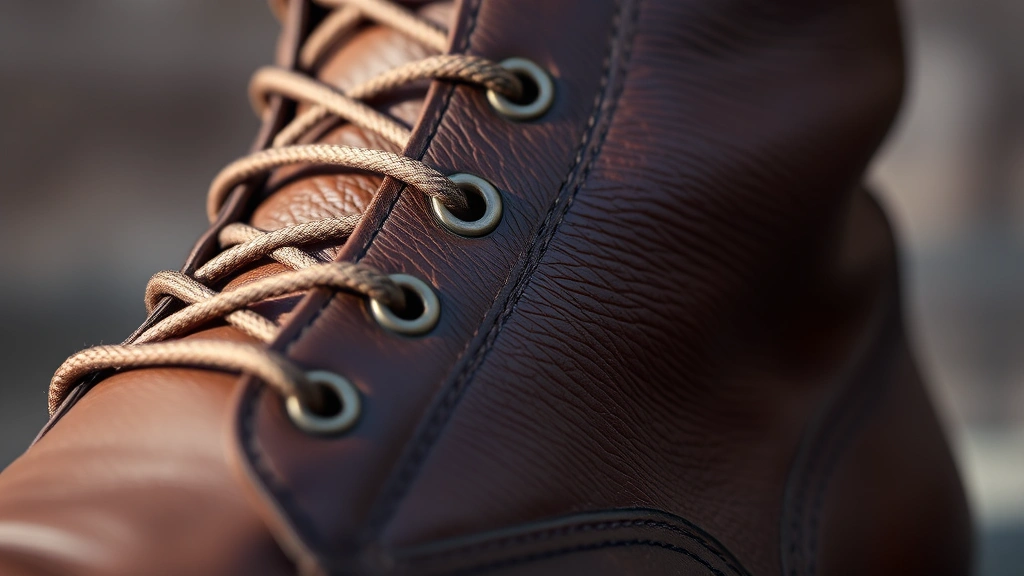
Before diving into specific styles, it’s crucial to understand what separates exceptional men’s boots from mediocre options. Fashion experts consistently emphasize that construction quality is paramount. The way a boot is made determines its longevity, comfort, and overall performance.
Look for boots constructed using the Goodyear welt method, which involves stitching the upper to an insole strip, then attaching a midsole and outsole. This traditional construction method allows for resoling, meaning your boots can last decades with proper care. Many premium boot manufacturers still use this technique because it’s proven effective.
The materials matter significantly too. Full-grain leather develops character over time and ages beautifully, while suede offers a softer aesthetic. According to Vogue’s footwear experts, the leather quality directly impacts both durability and how the boot molds to your foot. Premium leather breathes better, resists cracking, and develops a rich patina.
When examining men’s boots, pay attention to the heel construction. A reinforced heel counter provides ankle support and prevents heel slippage during walking. The insole should offer arch support, and the midsole needs adequate cushioning for all-day comfort. These seemingly small details make tremendous differences in how boots feel after hours of wear.
Understanding how to reduce carbon footprint applies to footwear choices too. Investing in quality boots means buying less frequently, which reduces your overall environmental impact compared to repeatedly purchasing cheaper alternatives that wear out quickly.
Classic Styles Every Man Should Consider
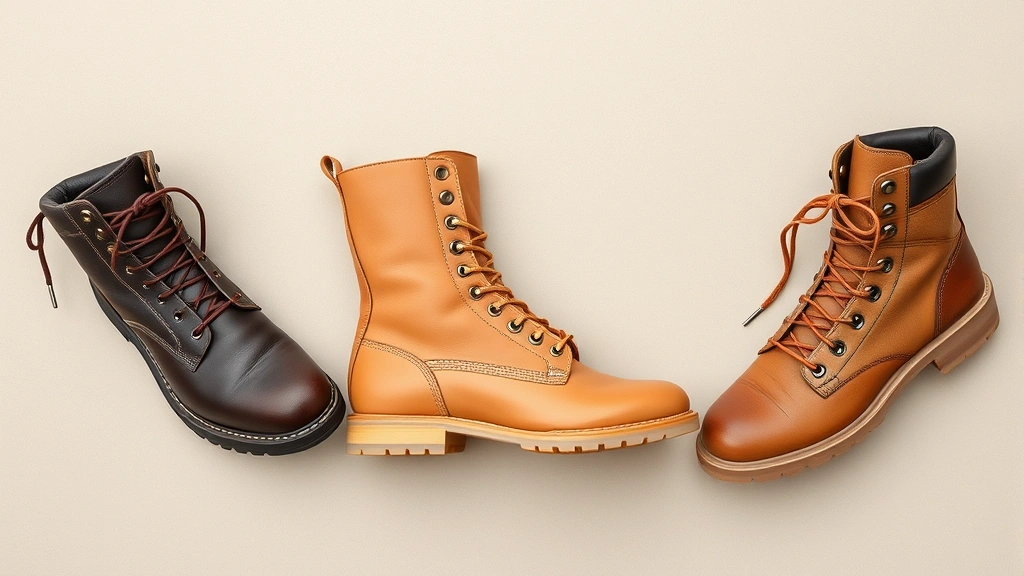
Fashion experts universally recommend building a boot collection that covers multiple occasions and seasons. Here are the essential styles that belong in every man’s wardrobe:
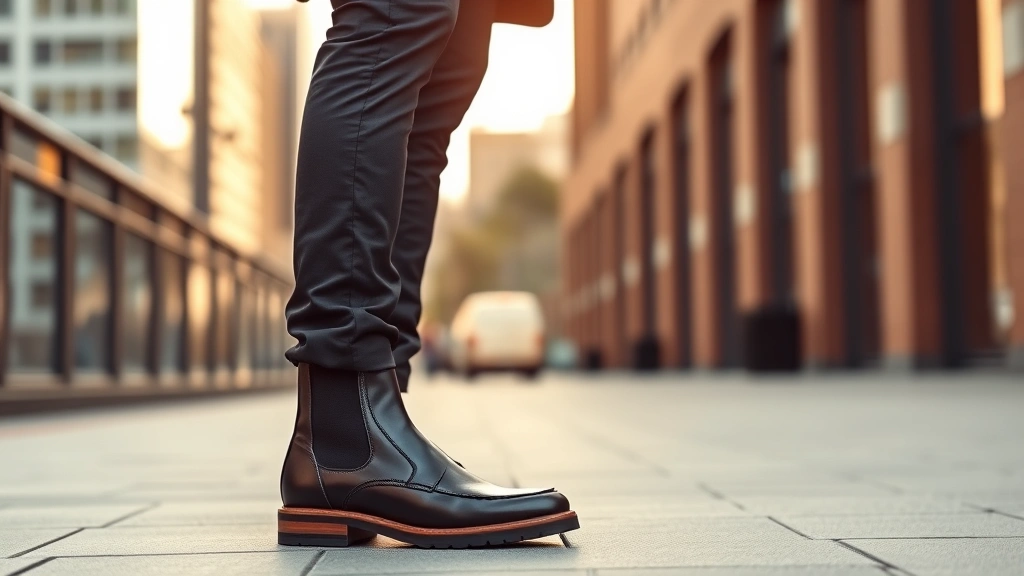
Chelsea Boots represent timeless sophistication. Featuring elastic side panels and a sleek silhouette, Chelsea boots work equally well with dress pants or casual jeans. The GQ style guide highlights Chelsea boots as a foundational piece for modern men’s fashion. They’re incredibly versatile, transitioning seamlessly from office to dinner.
Work Boots embody rugged durability and authentic craftsmanship. Brands specializing in work boots typically use thicker leather, stronger stitching, and reinforced soles designed for genuine labor. However, these boots have transcended their original purpose—they’re now fashion staples. The heritage aesthetic appeals to men seeking boots with character and history. Many feature lug soles for traction and oil-resistant leather for practicality.
Combat Boots offer an edgy, versatile option that works with numerous outfits. Originally military-inspired, modern combat boots come in various heights and finishes. They pair excellently with everything from cargo pants to denim to chinos. The structured ankle support makes them comfortable for extended wear.
Desert Boots bring casual sophistication to warm-weather wardrobes. Featuring crepe soles and suede uppers, desert boots originated in North Africa and have remained stylish for decades. They’re lighter and more breathable than heavier boot styles, making them ideal for transitional seasons.
When exploring sustainable fashion brands, you’ll discover many offer these classic styles using eco-friendly materials and ethical production methods. Supporting these brands aligns quality footwear choices with environmental responsibility.
Hiking Boots deserve mention for men who value outdoor activities. Technical hiking boots combine functionality with increasingly refined aesthetics. Modern hiking boots feature breathable membranes, waterproofing, and ergonomic support without sacrificing style.
Sustainable Boot Options for Conscious Consumers
Today’s fashion landscape increasingly reflects human environment interaction considerations. Sustainable boot manufacturing addresses environmental concerns while maintaining quality and style standards.
Leading sustainable brands now produce men’s boots using recycled materials, vegetable-tanned leather, and ethical labor practices. Vegetable tanning, a centuries-old method, uses natural tannins instead of harsh chemicals. While the process takes longer and costs more, the resulting leather is superior in quality, durability, and environmental impact.
Some manufacturers utilize innovative materials like mushroom leather, lab-grown alternatives, and recycled plastic in boot construction. These options reduce environmental strain while delivering performance comparable to traditional materials. Forbes fashion coverage increasingly features sustainable boot brands earning recognition for combining style with responsibility.
Transparency matters significantly. Reputable sustainable boot brands clearly communicate their sourcing, manufacturing locations, and labor practices. They often provide detailed information about material origins and production methods. This transparency allows consumers to make informed decisions aligned with their values.
The intersection of renewable energy for homes and sustainable fashion production is becoming important. Progressive manufacturers are powering facilities with renewable energy, reducing their carbon footprint throughout the production process.
Investing in sustainable men’s boots typically costs more upfront but offers better long-term value. These boots last longer, age beautifully, and can often be repaired or resoled, extending their lifespan significantly. The durability factor means you’re buying fewer pairs over your lifetime, ultimately benefiting both your wallet and the planet.
Seasonal Boot Selections
Different seasons demand different boot characteristics. Understanding seasonal requirements helps you build a comprehensive collection.
Winter Boots require insulation, waterproofing, and traction. Look for boots featuring thermal linings, sealed seams, and aggressive lug soles for icy conditions. Thicker leather provides better protection against cold and moisture. Many quality winter boots use specialized rubber compounds that remain flexible in freezing temperatures.
Spring and Fall Boots bridge seasonal transitions. Chelsea boots and desert boots excel during these periods. Suede options work beautifully in fall, developing rich patinas. These transitional boots need water resistance but not heavy insulation.
Summer Boots prioritize breathability and lightweight construction. Thinner leathers, mesh panels, and perforated designs keep feet cool. Crepe soles and lighter colors reflect heat better than dark, heavy materials.
For those interested in biotic environment examples in fashion, seasonal boot rotation itself represents sustainable practice—wearing appropriate boots for conditions extends lifespan and reduces the need for replacements.
Styling Your Boots for Any Occasion
Quality men’s boots deserve styling consideration to maximize their impact and versatility. Fashion experts emphasize that how you wear boots matters as much as which boots you choose.
Business Casual Styling: Pair Chelsea boots or sleek leather boots with chinos and a button-down shirt. Keep the overall look refined with minimal accessories. This combination works perfectly for office environments requiring polish without formality.
Smart Casual Looks: Combat or work boots pair beautifully with jeans and a sweater. Add a blazer for elevated casual occasions. The key is balancing the boots’ structure with relaxed upper pieces.
Formal Occasions: Polished leather boots work with dress pants and blazers. Ensure boots are immaculate and complement rather than dominate your outfit. Subtle colors like black, brown, or burgundy maintain sophistication.
Casual Weekend Wear: Practically any men’s boots work with jeans and t-shirts. Layer with jackets appropriate to the season. This is where heritage and character-filled boots shine—they become conversation pieces in relaxed settings.
Visiting the blog home section of fashion resources provides ongoing styling inspiration and seasonal recommendations for maximizing boot versatility.
Care and Maintenance Tips
Proper care extends boot lifespan dramatically. Fashion experts stress that maintenance is crucial for protecting your investment.
Regular Cleaning: Remove dirt and debris after wearing. Use appropriate cleaners for your leather type—gentle soaps for full-grain leather, specialized suede brushes for suede surfaces. Never use harsh chemicals that damage leather.
Conditioning: Apply leather conditioner every few months to prevent cracking and maintain suppleness. Conditioning preserves the leather’s natural oils and keeps it looking vibrant.
Waterproofing: Apply waterproofing treatments before wearing new boots and reapply annually. Quality waterproofing prevents moisture penetration that causes deterioration and discomfort.
Sole Care: Inspect soles regularly for wear. Many quality boots can be resoled by cobblers, extending life significantly. Addressing sole wear early prevents more extensive damage.
Storage: Store boots in cool, dry conditions away from direct heat or sunlight. Use boot trees or stuff with newspaper to maintain shape. Proper storage prevents cracking and warping.
Understanding sustainable fashion brands often includes learning their repair and maintenance recommendations, as these companies typically design boots specifically for longevity and serviceability.
FAQ
What’s the difference between Goodyear welt and other construction methods?
Goodyear welt construction involves stitching the upper to an insole strip before attaching the midsole and outsole. This method allows for resoling and typically creates more durable boots. Other methods like direct attachment or cemented construction are faster and cheaper but generally don’t allow for resoling, limiting boot lifespan.
How much should I expect to spend on quality men’s boots?
Quality boots typically range from $200 to $500 or more, depending on materials, construction, and brand reputation. While this seems expensive initially, high-quality boots last 5-10+ years with proper care, making them cost-effective compared to repeatedly purchasing cheaper alternatives.
Can I wear the same boots year-round?
While versatile styles like Chelsea boots work across seasons, having season-specific boots improves comfort and extends lifespan. Winter boots with insulation and waterproofing are unnecessary in summer, while lighter summer boots lack warmth for winter wear.
How do I know if boots fit properly?
Proper fit means snug heel without slippage, adequate toe room without tightness, and comfortable arch support. You should be able to fit one finger between your heel and the boot’s back. Break-in period is normal with quality boots, but they shouldn’t cause pain.
Are sustainable boots as durable as traditional options?
Yes, many sustainable boots rival or exceed traditional boots in durability. Brands using vegetable-tanned leather and quality construction produce boots lasting decades. The key is choosing established sustainable brands with proven track records rather than assuming all eco-friendly options compromise quality.
What leather type is best for beginners?
Full-grain leather is most forgiving for first-time boot buyers. It hides minor imperfections better than other types and develops character through wear. Suede requires more maintenance but offers a softer aesthetic if you’re willing to invest in care products.

Related Posts

Perfect Old Fashioned Donut: Baker’s Secrets

Old Fashioned Chocolate Pie Recipe? Chef’s Favorite