How to Choose Concealer? Expert Advice
How to Choose Concealer? Expert Advice for Flawless Coverage
Choosing the right concealer can transform your makeup routine and give you that coveted flawless finish. Whether you’re dealing with dark circles, blemishes, or just want to brighten your complexion, the perfect concealer is out there waiting for you. With so many formulas, shades, and undertones available, it’s easy to feel overwhelmed—but don’t worry, we’re here to guide you through every step of the selection process.
Concealers have become a staple in makeup bags everywhere, and for good reason. They offer targeted coverage exactly where you need it most, blending seamlessly into your foundation for a natural, airbrushed look. The key to finding your ideal concealer lies in understanding your skin type, undertone, and specific coverage needs. In this comprehensive guide, we’ll break down everything you need to know about selecting the perfect concealer that works harmoniously with your unique features.
Understanding Concealer Types and Formulas
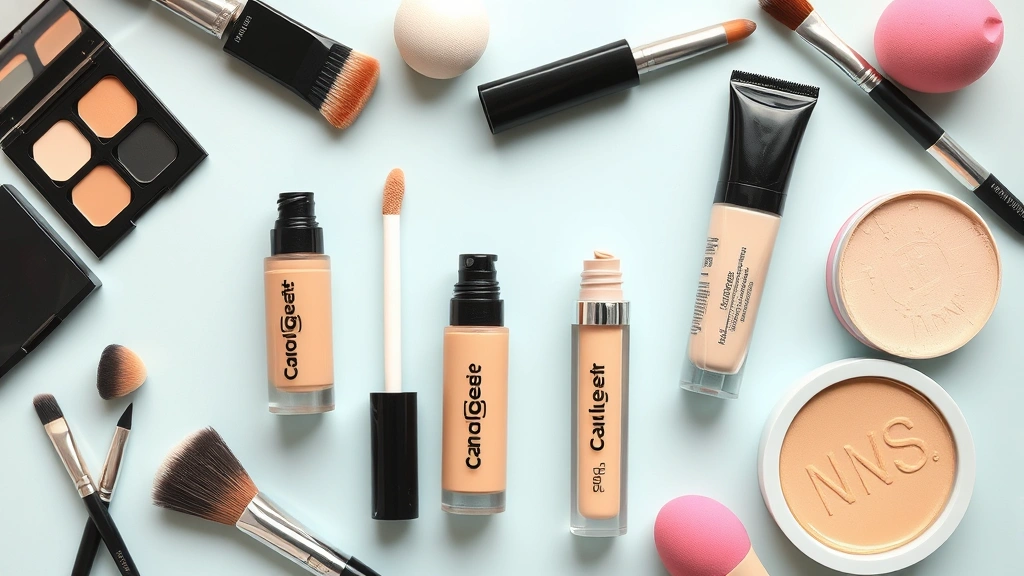
The concealer market offers diverse formulas, each designed to address specific concerns and preferences. Liquid concealers are incredibly popular because they provide a natural finish and blend effortlessly into the skin. They’re perfect for everyday wear and offer buildable coverage that won’t look cakey. If you’re looking for something lightweight yet effective, liquid formulas are your best friend.
Stick concealers deliver concentrated coverage and are ideal for those who need maximum hiding power. They work wonderfully for covering stubborn blemishes, tattoos, or significant discoloration. The waxy texture allows for precise application and stays put throughout the day without constant touch-ups. Many makeup artists favor stick concealers for their reliability and longevity.
Cream and pot concealers offer rich, hydrating formulas that work beautifully on dry or mature skin. These formulas typically have more moisture content, making them less likely to emphasize fine lines or dry patches. They’re excellent for under-eye application since the delicate eye area benefits from extra hydration. Visit our guide on makeup fundamentals to learn more about base products.
Powder concealers are fantastic for oily or combination skin types. They provide matte coverage and help control shine throughout the day. While less common than liquid or stick options, powder concealers have loyal followers who appreciate their longevity and oil-control properties.
The formula you choose should complement your skin type and climate. If you live in a humid environment, you might prefer powder or stick formulas that resist melting. In drier climates, cream and liquid formulas will keep your skin looking fresh and hydrated all day long.
Finding Your Perfect Shade Match
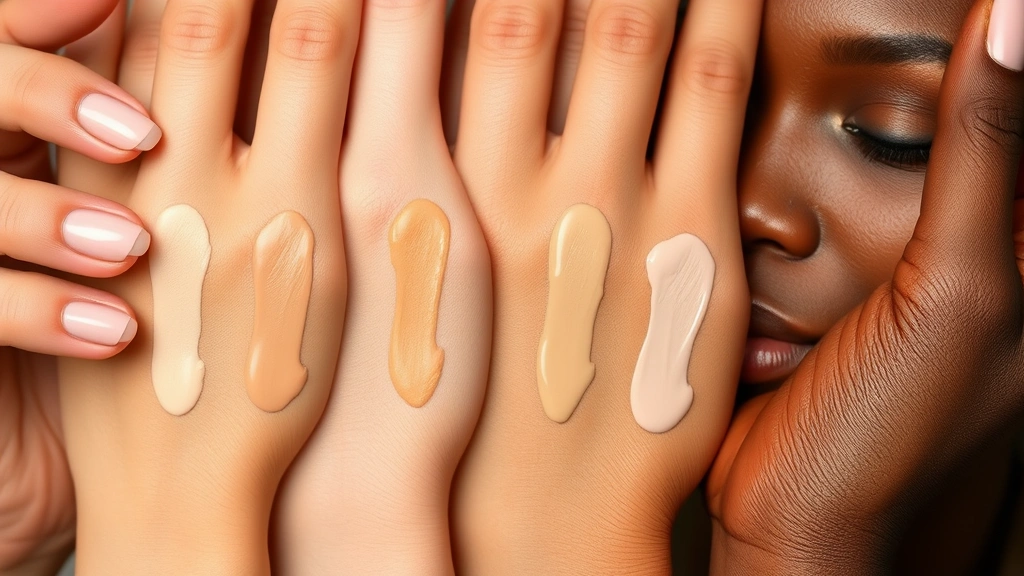
Shade selection is arguably the most critical aspect of choosing a concealer. A concealer that’s too light or too dark will be immediately noticeable and can actually draw more attention to the areas you’re trying to hide. Understanding undertones and how they interact with your skin is essential for achieving seamless coverage.
Undertone basics: Your skin has an undertone that falls into three categories: warm (golden or peachy), cool (pink or red), or neutral (a balanced mix). When selecting a concealer, match the undertone of the product to your undertone. A warm-toned concealer on cool-toned skin will look ashy and unnatural, while a cool-toned concealer on warm skin will appear gray.
Always test concealer in natural light before purchasing. Department store lighting can be deceiving, and what looks perfect under fluorescent lights might be completely wrong once you step outside. Apply a small amount on your jawline or inner arm and observe how it looks in daylight. This simple step prevents costly mistakes and ensures you’re making an informed decision.
For sustainable beauty choices, consider brands that offer extensive shade ranges with minimal packaging waste. Many brands now provide detailed shade descriptions online, helping you make eco-conscious decisions from home.
When covering dark circles, you might need a concealer one to two shades lighter than your foundation, especially if your circles have a purple or blue undertone. Color correcting before concealer application can neutralize discoloration effectively. Peachy or orange correctors work on deeper skin tones, while pink or salmon correctors suit lighter skin tones.
Build your shade collection strategically. You might need different shades for various purposes: one for under-eye brightening, another for blemish coverage, and perhaps a lighter shade for highlighting. This versatility allows you to customize your coverage depending on your daily needs and concerns.
Concealer for Different Skin Types
Your skin type plays a crucial role in determining which concealer formula will work best for you. Understanding your skin’s unique characteristics ensures your concealer performs optimally throughout the day without compromising your skin’s health.
Oily skin: If you have oily skin, seek concealers with mattifying properties and long-wearing formulas. Powder-based or silicone-based liquid concealers tend to hold up better on oily complexions. Look for products labeled as oil-free or specifically designed for oily skin. These formulas resist melting and maintain their coverage even when your skin produces excess sebum. According to Paula’s Choice, understanding your skin’s oil production helps you select appropriate formulas.
Dry skin: Dry skin needs hydrating, creamy concealers that won’t emphasize texture or flakiness. Cream pots, hydrating liquids, or stick concealers with emollient ingredients work wonderfully. Avoid powder formulas as they can make dry areas appear more prominent. Consider concealers containing hyaluronic acid, glycerin, or nourishing oils that support your skin’s moisture barrier.
Combination skin: Combination skin requires a balanced approach. A lightweight liquid concealer often works best since it provides coverage without being too heavy or too light. You might apply different formulas to different areas: a hydrating formula under the eyes and a more matte formula on blemishes or the T-zone.
Sensitive skin: Those with sensitive skin should prioritize gentle, fragrance-free formulas with minimal irritating ingredients. Hypoallergenic concealers reduce the risk of reactions. Patch test new products before full application, especially if you have a history of sensitivity to cosmetics.
Mature skin: Mature skin benefits from concealers that hydrate and don’t settle into fine lines. Avoid heavy, powdery formulas that can emphasize wrinkles. Instead, opt for dewy, hydrating concealers that provide coverage while maintaining a luminous finish. Many mature skin enthusiasts swear by cream concealers for their skin-loving properties.
Coverage Levels Explained
Concealers come in varying coverage levels, and understanding these categories helps you select a product that matches your expectations and needs. Coverage isn’t one-size-fits-all, and your ideal level might differ depending on what you’re covering.
Sheer coverage: Sheer concealers provide subtle enhancement without heavy coverage. They’re perfect for everyday wear, brightening the under-eye area, or adding dimension to your face. Sheer formulas feel lightweight and comfortable all day, making them ideal for those who prefer a natural makeup look. They work beautifully for eco-conscious beauty routines since you use less product overall.
Medium coverage: Medium coverage strikes a balance between natural-looking and effective. It conceals minor imperfections, evens skin tone, and brightens tired-looking eyes without appearing heavy. Most people find medium coverage ideal for daily wear since it provides noticeable results without the makeup look.
Full coverage: Full coverage concealers are your go-to for serious imperfections, tattoos, birthmarks, or significant discoloration. These formulas are typically thicker and more pigmented, providing serious staying power. Full coverage concealers require careful blending to avoid a mask-like appearance, but when applied correctly, they deliver incredible results.
Remember that coverage builds with layers. You can always add more concealer for additional coverage, but removing too much is impossible. Start with less product and build up gradually for better control and a more natural finish.
Application Techniques for Best Results
Even the perfect concealer won’t perform well without proper application technique. Mastering the application process ensures your concealer blends seamlessly and lasts throughout the day.
Prep your skin: Begin with a moisturized, primed canvas. Apply your regular skincare routine and let products absorb completely before applying makeup. A primer helps concealer adhere better and increases longevity. For under-eye areas, use a dedicated eye primer to prevent creasing.
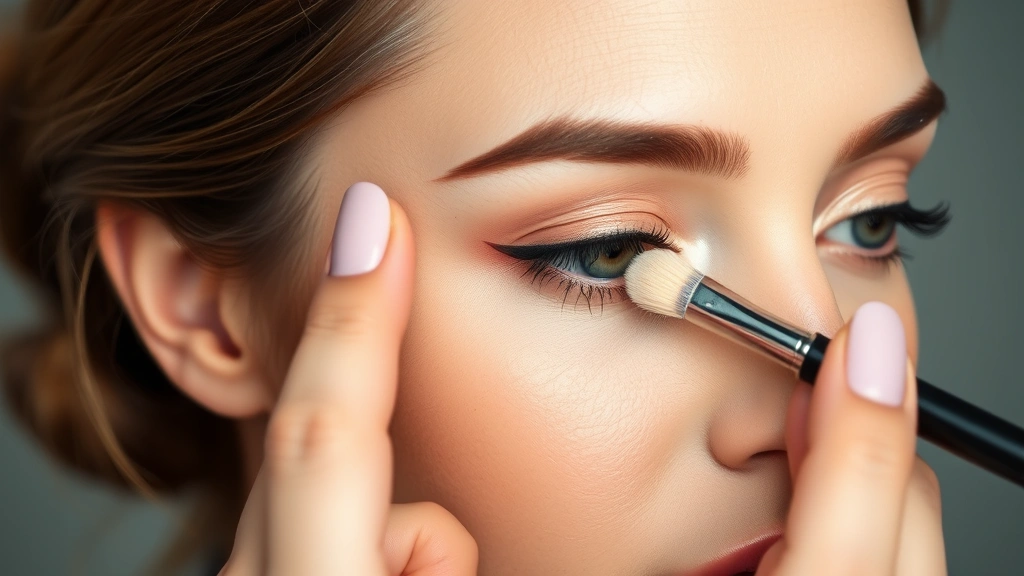
Choose your application tool: You can apply concealer with your fingers, a brush, or a sponge. Your fingers provide warmth that helps blend cream formulas beautifully. Brushes offer precision for targeted application on blemishes or smaller areas. Beauty sponges work wonderfully for blending and creating a flawless finish. Experiment to find your preferred method.
Apply strategically: For under-eye concealer, apply in an inverted triangle shape under the eye rather than in a straight line. This placement brightens the entire eye area while avoiding the eyelid. For blemishes, apply concealer directly to the spot using a small brush, then blend outward gently.
Blend thoroughly: Blending is crucial for a seamless finish. Use gentle patting motions rather than rubbing, which can disturb your foundation. Blend until the concealer disappears into your skin, with no visible edges or lines.
Set with powder: Depending on your skin type and the concealer formula, you might set with a light dusting of powder. This step helps prevent creasing and increases longevity, especially important for concealer under the eyes where movement is constant.
Budget-Friendly vs Premium Options
Quality concealers exist at every price point, and expensive doesn’t always mean better. Understanding the differences helps you make smart purchasing decisions aligned with your budget and values.
Budget-friendly concealers: Many drugstore brands offer exceptional concealers that perform beautifully. These products often have impressive shade ranges and formulas that rival premium options. Budget concealers are perfect for experimenting with new shades or formulas without significant financial commitment. They’re also great for travel or keeping backups on hand.
Mid-range concealers: Mid-range options typically offer a sweet spot between price and performance. These products often have innovative formulas, excellent shade selection, and reliable performance. Many makeup enthusiasts find mid-range concealers provide the best value for their investment.
Premium concealers: High-end concealers often feature luxurious textures, extensive research and development, and prestigious packaging. While more expensive, premium options sometimes offer unique formulas or superior performance for specific concerns. Some people enjoy the experience and perceived value of premium products, making them worth the investment.
Consider investing in one quality concealer you love rather than multiple mediocre ones. A concealer you genuinely enjoy using encourages consistent application and better results. Dermatological research supports the importance of product consistency in skincare routines.
When exploring sustainable beauty options, consider brands committed to ethical production and eco-friendly packaging. Many premium and mid-range brands prioritize sustainability without compromising quality.
FAQ
What’s the difference between concealer and foundation?
Concealer provides targeted, concentrated coverage for specific areas, while foundation creates an even base across the entire face. Concealers are typically thicker and more pigmented, designed for problem areas. Foundation is lighter and more sheer, meant for all-over application. Many people use both products together for comprehensive coverage.
How do I prevent my concealer from creasing?
To prevent creasing, use an eye primer before concealer application, apply concealer sparingly (a little goes a long way), blend gently without disturbing the product, and set lightly with powder. Hydrating concealers crease less than matte formulas, especially on mature skin. Avoid applying too much product, which is the primary cause of creasing.
Can I use the same concealer for my face and under-eyes?
While you can use one concealer everywhere, many people prefer different formulas for different areas. The under-eye area is delicate and benefits from hydrating, creamy formulas, while facial blemishes might need thicker, longer-wearing coverage. Using two concealers allows you to customize your coverage to each area’s specific needs.
How often should I replace my concealer?
Replace liquid and cream concealers every 12-18 months, or sooner if you notice changes in consistency, smell, or performance. Stick concealers last slightly longer. Always check expiration dates and replace products that show signs of separation, discoloration, or unusual odor. Proper storage in cool, dark places extends product life.
What undertone should I choose if my skin is neutral?
If you have neutral undertones, you have wonderful flexibility with concealer choices. Both warm and cool-toned concealers typically work well on neutral skin. However, you might find that neutral or balanced concealers provide the most seamless match. Test products in natural light to determine which undertone works best for your specific complexion.
Is it worth investing in a high-end concealer?
Whether a premium concealer is worth the investment depends on your priorities and budget. High-end concealers often offer innovative formulas and extensive shade ranges, but excellent drugstore options exist too. Consider investing in premium if you have specific concerns like sensitive skin or need extensive shade matching for a perfect color match.

Related Posts

Perfect Old Fashioned Donut: Baker’s Secrets
Old Fashioned Chocolate Pie Recipe? Chef’s Favorite