2010 Makeup Trends? Expert Insights
2010 Makeup Trends: Expert Insights on Iconic Beauty Looks
The 2010s marked a transformative decade for makeup artistry and beauty fashion, introducing trends that would define an entire generation’s approach to cosmetics. From bold graphic eyeliner to the rise of contouring techniques, 2010 specifically served as a pivotal year where traditional makeup rules began to blur with experimental artistry. This era celebrated individuality while simultaneously creating cohesive beauty movements that influenced runways, red carpets, and everyday makeup enthusiasts worldwide.
Understanding the makeup trends of 2010 provides valuable insight into how beauty evolution works and why certain techniques remain relevant today. Whether you’re a makeup artist studying historical trends or a beauty enthusiast curious about iconic looks, exploring 2010’s most influential makeup moments reveals the foundation of modern cosmetic innovation. The year represented a perfect intersection of high-fashion editorial aesthetics and accessible beauty for the masses.
The Smokey Eye Dominance
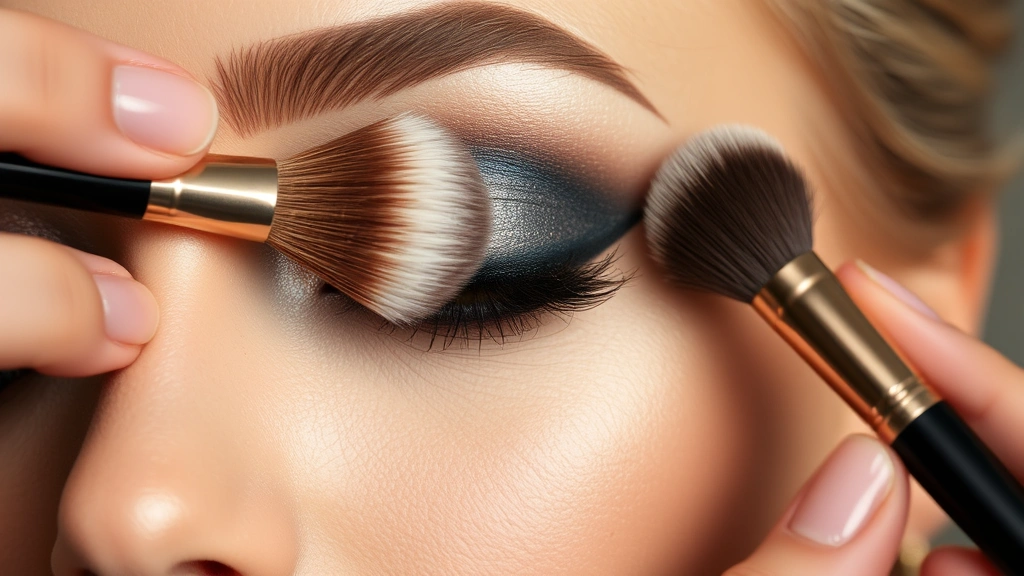
The smokey eye emerged as the undisputed queen of 2010 makeup trends, representing sophistication and versatility. This technique involved blending dark eyeshadows—typically grays, blacks, and deep browns—from the lash line upward, creating a diffused, hazy effect that worked for both daytime and evening occasions. Beauty professionals and makeup artists worldwide embraced the smokey eye because it flattered multiple eye shapes and skin tones when executed properly.
What made 2010’s smokey eye particularly distinctive was the emphasis on blending and gradient techniques. Rather than harsh lines, makeup artists focused on seamless transitions between shades, often incorporating a lighter shimmer in the inner corner to add dimension. The trend drew inspiration from both classic Hollywood glamour and contemporary street style, making it accessible to everyone from teenagers experimenting with makeup to professional makeup artists preparing looks for high-fashion editorials.
The smokey eye’s popularity during this period also coincided with the rise of makeup tutorials on YouTube, where beauty influencers demonstrated step-by-step application methods. This democratization of makeup knowledge meant that achieving a flawless smokey eye became attainable for anyone willing to practice, rather than remaining exclusively within professional makeup artist territories. The technique required specific tools—blending brushes, fluffy crease brushes, and precision brushes—which spurred significant growth in the professional makeup brush industry.
For achieving an authentic 2010-style smokey eye, experts recommend starting with an eyeshadow primer to ensure longevity. Apply a medium gray shade to the entire lid, then deepen the crease with charcoal or black shadow using a fluffy blending brush. The key lies in building color gradually rather than applying heavy pigmentation immediately. This methodical approach allows for better control and more professional-looking results, even for beginners.
Bold Graphic Eyeliner Revival
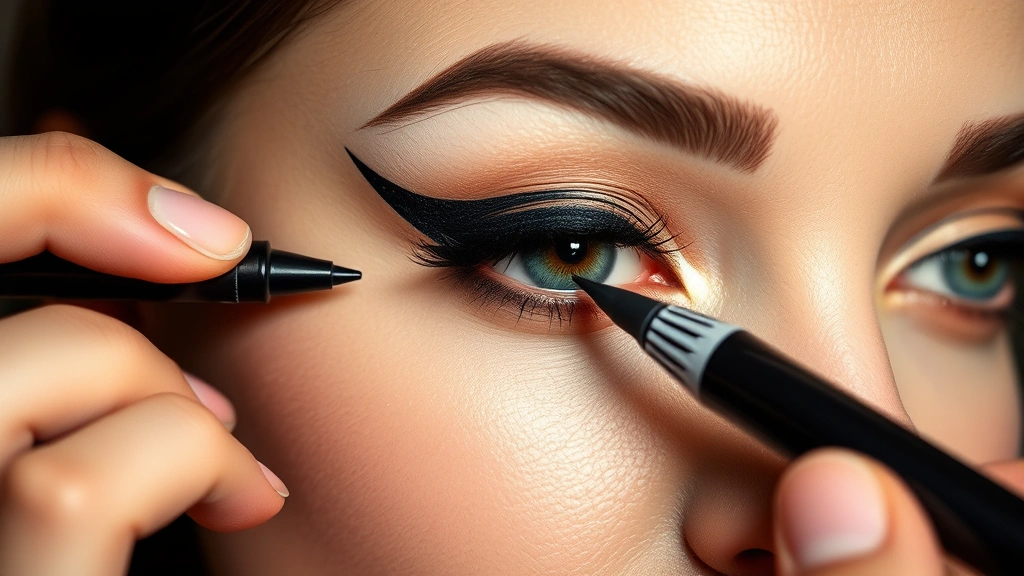
Simultaneously with smokey eye dominance, 2010 witnessed a bold resurgence of graphic eyeliner designs that pushed creative boundaries. Thick black liquid or gel eyeliner became a statement tool, with makeup artists experimenting with winged applications, geometric shapes, and even double-liner techniques. This trend represented rebellion against minimal makeup aesthetics and celebrated self-expression through bold beauty choices.
The graphic eyeliner movement drew heavily from editorial fashion photography and avant-garde makeup artistry. Makeup artists working for fashion magazines and high-end cosmetic brands pushed the boundaries of conventional eyeliner application, creating looks that appeared in Vogue, Harper’s Bazaar, and other prestigious publications. These editorial looks then trickled down to mainstream consumers through social media, fashion blogs, and celebrity endorsements.
What distinguished 2010’s graphic eyeliner trend from previous eras was the accessibility of quality products. Gel eyeliners and long-wearing liquid formulas became increasingly affordable and widely available, allowing makeup enthusiasts to experiment without investing in expensive professional-grade products. Brands recognized the demand and released numerous eyeliner variations, from ultra-thin precision tips to thick, marker-style applicators.
The winged eyeliner, often called the “cat eye,” became particularly iconic during this period. This technique involved extending the eyeliner beyond the natural eye shape, creating an elongated wing effect that lifted the eye visually. Celebrity adoption of this look—particularly among A-list actresses attending award shows—cemented its status as a must-have makeup skill. Makeup artists created countless tutorials demonstrating various wing techniques, from subtle enhancements to dramatic, exaggerated versions.
Nude and Natural Lip Trends
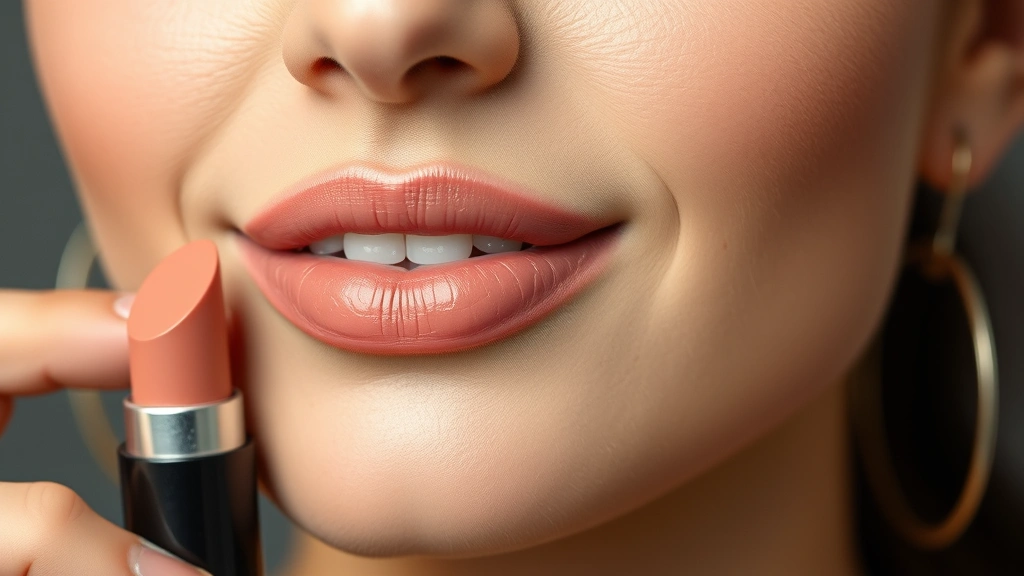
While eyes dominated with bold smokey shades and graphic liners, lips took a more understated approach in 2010. Nude lipsticks and lip glosses in shades matching individual skin tones became the complementary trend, creating a balanced aesthetic where eyes received maximum attention while lips remained soft and natural-looking. This counterbalance proved crucial to the decade’s overall makeup philosophy: bold experimentation in one area, restraint in another.
The nude lip trend reflected broader fashion and beauty movements emphasizing authenticity and “no-makeup makeup” aesthetics. Rather than bold reds or dark berries, makeup artists recommended selecting nude shades that appeared one to two shades lighter than natural lip color. This created an illusion of fuller lips while maintaining the fresh, youthful appearance that dominated beauty standards during this era.
Lip glosses in particular experienced significant popularity during 2010, with formulations becoming increasingly sophisticated. High-shine finishes with plumping ingredients created the appearance of fuller lips without requiring invasive procedures. The glossy nude lip paired perfectly with smokey eyes and graphic liner, creating a cohesive makeup look that balanced drama with sophistication.
Nude lip selection required understanding undertones and individual skin characteristics. Makeup artists developed expertise in identifying whether clients possessed warm, cool, or neutral undertones, then selecting nude shades accordingly. This personalized approach to lipstick selection elevated makeup application from simple color application to a consultative beauty service, increasing the value professional makeup artists provided to clients.
The Evolution of Eyebrow Shaping
Eyebrow trends underwent significant transformation during 2010, moving away from the ultra-thin, over-plucked brows of the 1990s and early 2000s. Makeup artists and beauty experts began advocating for fuller, more natural-looking brows that framed the face without appearing artificially sculpted. This shift reflected broader movements toward embracing natural features while still maintaining polished, intentional aesthetics.
The 2010 brow trend emphasized shape and definition rather than extreme thinness. Makeup artists used brow products—pencils, powders, and gels—to enhance natural brow architecture rather than completely reshape eyebrows. This technique required understanding facial structure and how eyebrows contributed to overall facial balance and proportion. The goal became creating brows that appeared naturally full while still demonstrating clear grooming and intentional styling.
Professional makeup artists during this period often collaborated with eyebrow specialists and threading experts to achieve optimal brow shapes. Threading, an ancient hair-removal technique gaining popularity in Western beauty culture, provided precise hair removal without the trauma of waxing or over-plucking. This professional approach to brow maintenance elevated eyebrow care from a DIY pursuit to a specialized beauty service.
Brow products themselves evolved significantly during 2010, with brands introducing innovative formulations specifically designed for eyebrow enhancement. Waterproof brow gels, tinted brow powders, and precision brow pencils with ultra-fine tips became essential tools in makeup artists’ kits. These products allowed for more controlled, detailed brow work that appeared natural while still providing visible definition and structure.
Early Contouring Techniques
While full contouring mania wouldn’t reach peak popularity until later in the 2010s, 2010 marked the emergence of early contouring techniques that would eventually revolutionize makeup application. Makeup artists began using slightly darker foundation shades to create shadows on the face, subtly defining cheekbones, jawlines, and nose shapes. These techniques remained relatively subtle compared to later extreme contouring trends, focusing on enhancement rather than dramatic transformation.
The early contouring philosophy emphasized working with natural facial structure rather than against it. Makeup artists applied darker shades in natural shadow areas—under cheekbones, along the jawline, and on the sides of the nose—to create definition and dimension. This technique required understanding facial anatomy and how light and shadow affected facial perception. Professional makeup artists developed this expertise through training, practice, and studying how professional photographers and cinematographers used lighting to sculpt faces.
Product selection for contouring during 2010 remained relatively simple compared to later years. Makeup artists primarily used foundation in slightly deeper shades or cream bronzers applied with brushes or sponges. The emphasis remained on blending and creating seamless transitions rather than visible lines or harsh demarcation between contoured and non-contoured areas. This blending-focused approach aligned with the broader 2010 makeup aesthetic that valued sophisticated, polished finishes.
Understanding contouring principles from 2010 provides valuable foundational knowledge for modern makeup artists. The basic principles—using shadow to create definition, highlighting to draw attention, and maintaining careful blending—remain relevant regardless of how extreme or subtle contouring techniques become. Learning these fundamentals helps makeup artists develop versatility and adapt techniques to individual client preferences and occasions.
Color Palettes and Seasonal Shifts
2010 makeup color trends reflected broader fashion industry movements, with seasonal collections introducing specific color stories that influenced makeup choices. Spring and summer palettes embraced lighter, brighter tones—champagne shimmer, soft peach, and pale pink—while fall and winter collections gravitated toward deeper, richer hues like burgundy, plum, and bronze. Understanding these seasonal color trends allowed makeup artists to create cohesive looks that complemented fashion choices and seasonal aesthetics.
The rise of social media during 2010 meant that color trends spread more rapidly than in previous eras. Fashion bloggers and early beauty influencers shared makeup looks featuring specific color combinations, and these looks quickly gained traction across online communities. This accelerated trend cycle meant that makeup artists needed to stay constantly updated on emerging color preferences and innovative color combinations.
Eyeshadow color trends during 2010 expanded beyond traditional neutrals to include jewel tones and unexpected shades. Teals, emeralds, sapphires, and deep plums appeared in editorial makeup looks and high-fashion collections, offering makeup artists creative avenues for expression while still maintaining sophistication. These bolder color choices typically appeared on editorial runways and high-fashion photography rather than everyday makeup, but they influenced consumer expectations and desires.
The accessibility of diverse eyeshadow palettes meant that makeup enthusiasts could experiment with multiple color stories without significant financial investment. Brands released extensive eyeshadow palettes containing 12, 15, or even 20+ shades, allowing consumers to explore various color combinations and techniques. This democratization of makeup education through product offerings contributed significantly to the rise of makeup artistry as both a professional pursuit and popular hobby.
FAQ
What defined 2010 makeup trends compared to other years?
2010 makeup trends emphasized bold eyes combined with natural lips, featuring smokey eyes and graphic eyeliner as primary techniques. This balanced approach—dramatic in one area, restrained in another—distinguished 2010 from earlier years’ more uniform aesthetic approaches. The year also marked increased accessibility to professional-quality makeup products and educational resources through online platforms.
How do 2010 makeup trends compare to current beauty standards?
Many 2010 techniques remain relevant today, though executed with modern refinements. Smokey eyes and winged eyeliner continue appearing in contemporary makeup, while brow trends have evolved further toward fuller, more natural shapes. The foundational principles established in 2010—blending, color theory, facial anatomy understanding—provide essential knowledge for modern makeup artists regardless of current trend cycles.
Can beginners recreate 2010 makeup looks?
Absolutely. The 2010 smokey eye and nude lip combination remains beginner-friendly when approached methodically. Start with quality eyeshadow primers and neutral eyeshadow palettes containing grays and browns. Practice blending techniques using fluffy brushes, and don’t rush the application process. Numerous online tutorials demonstrate step-by-step 2010-inspired makeup application methods accessible to all skill levels.
What products were essential for 2010 makeup application?
Essential products included eyeshadow primers for longevity, neutral eyeshadow palettes with multiple shades for blending, quality blending brushes, black liquid or gel eyeliner, and nude lipsticks or glosses. Professional makeup artists also invested in setting sprays to ensure makeup lasted throughout events. While high-end options existed, drugstore alternatives provided acceptable quality for most consumers.
How did makeup artistry evolve after 2010?
Following 2010, contouring techniques became increasingly extreme and prominent, eventually dominating mid-2010s makeup trends. Brows continued evolving toward fuller shapes, while eyeshadow techniques incorporated more complex color combinations and specialized finishes. The democratization of makeup education through YouTube and social media accelerated trend cycles, creating more rapid shifts in beauty standards compared to pre-2010 eras.
Related Reading: Learn about sustainable fashion brands and how beauty choices connect to environmental impact. Explore our blog home for more lifestyle and beauty insights. Understanding beauty trends connects to broader sustainable living practices when considering eco-friendly makeup options.
External Expert Resources: For deeper understanding of makeup history and techniques, consult Beautylish’s comprehensive makeup tutorials, explore Allure magazine’s beauty archives, review dermatological perspectives on makeup ingredients, and reference Professional Beauty magazine’s industry insights.

Related Posts

Perfect Old Fashioned Donut: Baker’s Secrets
Old Fashioned Chocolate Pie Recipe? Chef’s Favorite