Bob Hair Fashion: Expert Styling Tips
Bob Hair Fashion: Expert Styling Tips
The bob haircut has remained a timeless staple in the world of hair fashion for over a century, and for good reason. This versatile style flatters virtually every face shape and hair texture, making it the go-to choice for anyone looking to refresh their look with sophistication and ease. Whether you’re considering your first bob or refinishing your signature style, understanding the nuances of bob hair fashion will help you achieve salon-quality results at home and maintain that coveted polished appearance.
Bob hair fashion isn’t just about length—it’s about finding the perfect balance between your personal style, face shape, and lifestyle needs. From sleek and minimalist to textured and playful, the bob offers endless possibilities for self-expression. In this comprehensive guide, we’ll explore expert styling techniques, maintenance tips, and creative variations that will transform how you approach this classic haircut.
Understanding Bob Hair Fashion Fundamentals
Before diving into styling techniques, it’s essential to grasp the core principles that make bob hair fashion work. The classic bob is typically chin-length, with hair that frames the face and creates clean lines. However, modern bob hair fashion encompasses a wide spectrum of interpretations, each with its own unique characteristics and styling requirements.
The foundation of any great bob lies in proper cutting technique. A well-executed bob should have subtle layers that encourage movement while maintaining the signature blunt or textured ends. The angle of the cut—whether it’s a blunt bob, an A-line bob with graduated layers, or a shaggy textured bob—dramatically affects how the style looks and how it should be styled daily.
Understanding your hair’s natural texture is crucial when working with bob fashion. Fine hair benefits from layered bobs that add dimension and movement, while thick or coarse hair can handle blunt cuts that showcase density. Curly or wavy hair requires special consideration, as the bob will sit differently than on straight hair. Many stylists recommend consulting with a professional who specializes in bob haircuts and styling to ensure your cut complements your unique hair characteristics.
Face Shape and Bob Selection
One of the most important factors in successful bob hair fashion is matching the style to your face shape. Each face shape has specific bob variations that enhance natural features and create flattering proportions.
Round Face Shapes: If you have a round face, opt for a longer bob that extends past the chin, creating vertical lines that elongate the face. An A-line bob with slightly longer layers in front works beautifully, as does a sleek, side-parted bob. Avoid blunt, chin-length bobs that emphasize width.
Square Face Shapes: Square faces benefit from softer, more textured bobs that break up angular jawlines. Layered bobs with movement, especially those with side-swept bangs, are ideal. Consider longer bobs that graze the shoulders, creating a more balanced silhouette.
Oval Face Shapes: Lucky you! Oval faces are incredibly versatile and can pull off virtually any bob variation. Experiment with different lengths, from chin-length to shoulder-length, and try both blunt and layered styles to find what resonates with your personal aesthetic.
Heart-Shaped Faces: Heart-shaped faces have wider foreheads and narrower chins, so bobs that add volume at the jawline work best. A textured, chin-length bob with layers that flip outward creates beautiful balance. Avoid styles that add volume at the crown.
Oblong Face Shapes: If you have an oblong face, seek out shorter bobs that add width rather than length. A blunt bob that hits at the widest part of your face creates better proportions, and you might consider adding styling techniques for fuller volume at the sides.
Daily Styling Techniques
Mastering the art of styling your bob is what separates a mediocre haircut from a fashion-forward look. Here are expert techniques to elevate your daily styling routine.
The Blow-Dry Method: Start with damp hair and apply a smoothing serum or heat protectant. Using a round brush, blow-dry sections of hair while curling the brush away from the face to create subtle volume and movement. For a sleek, polished finish, use a paddle brush and concentrate on smoothing the hair. Finish with a cool shot of air to seal the hair cuticle and add shine.
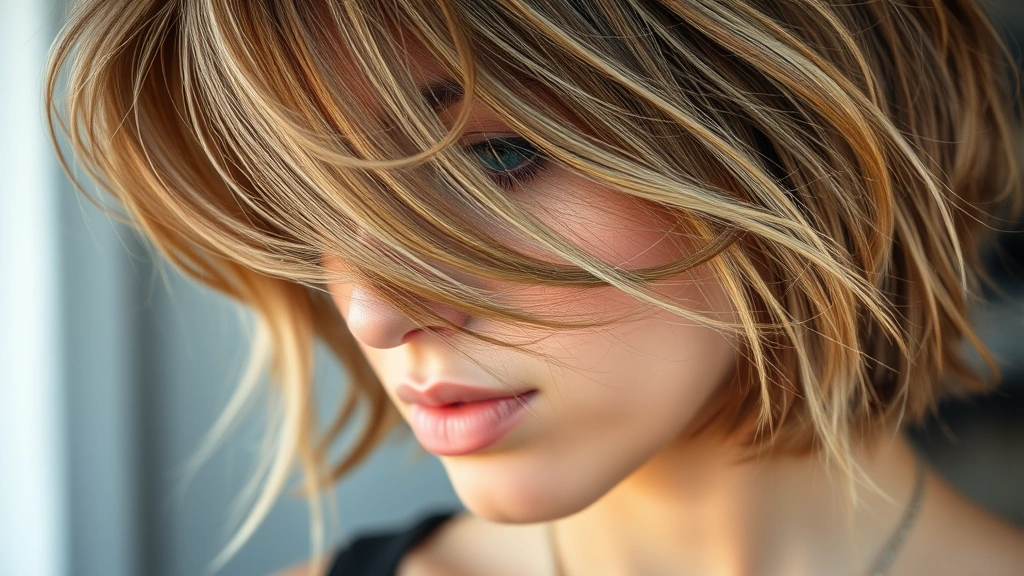
Creating Waves and Texture: For textured bob hair fashion, use a 1.25-inch curling iron or wand. Take sections of hair and wrap them around the barrel, holding for a few seconds before releasing. Alternate the direction of waves for a more natural appearance. Once all sections are curled, use your fingers to gently break up the curls into softer waves.
Styling with Texture Products: Apply sea salt spray or texturizing spray to damp hair before blow-drying for effortless texture. These products add grip and hold without the stiffness of traditional hairspray. For extra definition, work a small amount of styling cream through the ends of your bob.
Side-Parting Techniques: A side part instantly transforms a bob’s appearance. Create your part by sectioning hair from the temple to the back of the head, then use a blow-dryer on low heat to set the part. The side-parted bob is one of the most versatile variations in modern bob hair fashion.
Slicked-Back Bob: For a sleek, polished look, apply a gel or pomade to damp hair and smooth it back away from the face. Use a fine-tooth comb to ensure every strand is in place. This style works particularly well for professional settings and creates a modern, minimalist aesthetic.
Tousled and Undone: To achieve an effortlessly cool, tousled bob, apply dry shampoo to the roots for texture, then use your fingers to piece out sections of hair. Spray with a light-hold hairspray to maintain the intentionally messy look without losing shape.
Maintenance and Care Routines
Keeping your bob hair fashion looking fresh requires consistent maintenance and proper care. A bob typically needs trims every 4-6 weeks to maintain its shape and prevent split ends. Regular trims are non-negotiable if you want your bob to look polished and intentional rather than grown-out and unkempt.
Weekly Care Routine: Wash your hair 2-3 times weekly with a sulfate-free shampoo and conditioner designed for your hair type. Over-washing can strip natural oils, while under-washing leaves product buildup. Apply a deep conditioning mask once weekly to keep your bob’s strands healthy and hydrated.
Heat Styling Protection: Always use a heat protectant spray before using hot tools. These products create a barrier between your hair and heat sources, preventing damage and maintaining shine. Allow your bob to air-dry partially before blow-drying to reduce overall heat exposure.
Nighttime Care: Sleep on a silk or satin pillowcase to reduce friction and prevent frizz. Alternatively, loosely braid your bob before bed or use a silk hair bonnet. This simple step significantly extends the life of your style between washes and reduces breakage.
Frizz Management: Invest in a quality anti-frizz serum or oil to apply to damp hair before styling. These products smooth the hair cuticle and prevent humidity from causing flyaways. For quick touch-ups throughout the day, keep a small spray bottle of frizz-control product in your bag.
Understanding how to properly style and care for your bob ensures your investment in this timeless cut pays dividends in longevity and appearance.
Bob Variations and Trends
Modern bob hair fashion has evolved far beyond the classic chin-length cut. Today’s bob variations offer something for every personality and lifestyle.
The Blunt Bob: This is the most dramatic bob variation, featuring perfectly straight, blunt ends with minimal layers. It creates a bold, statement-making look that photographs beautifully. The blunt bob requires regular trims to maintain its precise edges and works best on straight to slightly wavy hair.
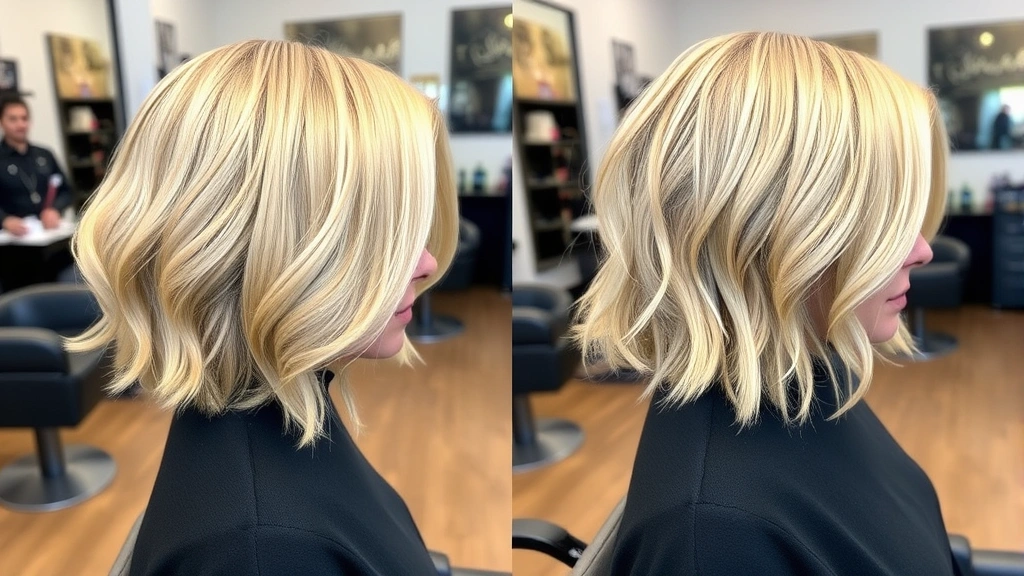
The A-Line Bob: Characterized by shorter layers in back and longer layers in front, the A-line bob creates a flattering, elongated silhouette. This variation is incredibly versatile and works well with most face shapes. The graduated layers add movement and prevent the style from feeling too heavy.
The Shag Bob: This trendy variation combines elements of the shag haircut with bob proportions, featuring choppy, textured layers throughout. The shag bob is perfect for those seeking a more edgy, rock-and-roll aesthetic. It requires styling with texture products to look intentional rather than messy.
The Lob (Long Bob): Falling between a traditional bob and shoulder-length hair, the lob offers more styling versatility while maintaining the bob’s sophisticated silhouette. The lob is ideal for those hesitant about committing to a shorter cut, as it can be easily transitioned to longer lengths.
The Textured Bob: Perfect for naturally curly or wavy hair, the textured bob celebrates natural texture with layers and movement. This variation requires specialized cutting techniques that work with your hair’s natural pattern rather than against it.
The Pixie-Bob Hybrid: For the ultra-bold, a pixie-bob combination features very short sides with longer, layered hair on top. This variation is fashion-forward and requires confidence, but it’s undeniably striking.
Current trends in bob hair fashion emphasize personalization and embracing individual style rather than following rigid rules. Many stylists recommend consulting with fashion-forward stylists to explore variations that align with your unique aesthetic.
Product Recommendations
The right products make all the difference in achieving professional-looking bob hair fashion results. Here are categories of essential products for bob styling:
Heat Protectants: Use a lightweight heat protectant spray before blow-drying or using hot tools. Look for products that offer UV protection as well, as sun exposure can fade color and damage hair structure.
Styling Creams and Pastes: For textured, piecey bobs, styling creams add definition without crunchiness. These products are perfect for creating intentional texture and movement throughout your bob.
Sea Salt Sprays: Sea salt sprays instantly add texture and grip to hair, making them ideal for creating effortless waves in your bob. They’re also excellent for extending the time between washes by absorbing oil and adding volume.
Dry Shampoo: A quality dry shampoo is essential for maintaining your bob between washes. It adds texture, absorbs oil, and refreshes your style without requiring water. Use it sparingly to avoid white residue.
Hair Oils and Serums: Finishing oils and serums add shine and smoothness to bob hair fashion styles. Apply them to the mid-lengths and ends, avoiding the roots to prevent greasiness.
Hairsprays: Choose hairsprays based on your desired hold level. Light-hold sprays maintain movement and texture, while strong-hold formulas lock in styles for all-day wear. Avoid products with heavy silicones that can weigh down bobs.
When selecting products, consider your hair type and specific needs. Fine hair requires lightweight formulas, while thick or coarse hair can handle richer textures. Many professional stylists recommend investing in quality products specifically formulated for bob hair fashion, as these often deliver superior results compared to generic options.
FAQ
How often should I get my bob trimmed?
Most bob hairstyles require trims every 4-6 weeks to maintain their shape and prevent split ends. If you prefer a more relaxed, grown-out aesthetic, you might extend this to 8 weeks, but regular trims are essential for keeping your bob looking intentional and polished.
Can I style my bob without heat tools?
Absolutely! Air-drying with the right products can create beautiful texture and movement. Apply styling cream or sea salt spray to damp hair, use your fingers to create texture, and allow your bob to dry naturally. This method is gentler on your hair and often results in more organic-looking waves.
What’s the best bob for fine hair?
Fine hair benefits from layered bobs that create the illusion of density and movement. A textured, choppy bob works wonderfully, as does an A-line bob with strategic layers. Avoid blunt, one-length bobs on fine hair, as they can appear limp and thin.
How do I prevent my bob from looking flat?
Use volumizing products at the roots before blow-drying, and consider a round brush to create lift while styling. Layers throughout your bob also help prevent flatness by allowing air to circulate. If flatness persists, discuss adding layers or texture with your stylist.
Can I wear my bob in an updo?
Depending on your bob’s length, you might create a low bun or twisted updo. Longer bobs and lobs are more versatile for updos, while shorter, chin-length bobs offer limited updo options. Use bobby pins and styling products to secure shorter bobs into casual, undone updos.
What face shapes work best with bobs?
All face shapes can wear bobs! The key is choosing the right variation. Oval faces are most versatile, but round, square, heart-shaped, and oblong faces each have bob variations that flatter their specific proportions. Consult with a professional stylist to identify the best bob for your face shape.
How do I style my bob for different occasions?
Bobs are incredibly versatile! For professional settings, try a sleek, side-parted bob. For casual outings, embrace textured waves or a tousled style. For formal events, create polished waves or a slicked-back aesthetic. The same cut can transform dramatically with different styling techniques.

Related Posts
Perfect Old Fashioned Donut: Baker’s Secrets
Old Fashioned Chocolate Pie Recipe? Chef’s Favorite