Vintage Makeup Styles? Expert Insights
Vintage Makeup Styles: Expert Insights on Old Fashion Mix
Vintage makeup is experiencing a major renaissance in the beauty world, and for good reason. From the glamorous waves of the 1940s to the bold graphic lines of the 1960s, classic makeup techniques offer timeless elegance that transcends fleeting trends. Whether you’re drawn to the sophistication of old Hollywood or the experimental spirit of retro aesthetics, understanding how to blend vintage inspiration with modern techniques creates a uniquely personal look that celebrates beauty history.
The beauty of vintage makeup lies in its versatility and intentionality. Unlike contemporary trends that often prioritize minimalism or heavy contouring, vintage styles emphasize defined features, strategic color placement, and meticulous application. By mastering these foundational techniques, you can create stunning looks that feel both nostalgic and fresh. This comprehensive guide explores the most iconic vintage makeup eras and teaches you how to incorporate these timeless elements into your everyday beauty routine.
Understanding Vintage Makeup Eras
Vintage makeup styles represent distinct periods in beauty history, each reflecting cultural values, available technology, and artistic movements of their time. Understanding these eras helps you appreciate why certain techniques emerged and how they can be adapted for contemporary wear. The evolution from heavily powdered faces of the 1920s to the sculpted features of the 1980s tells a fascinating story about changing beauty standards and self-expression.
Each decade developed signature techniques that became instantly recognizable. The precision required for vintage makeup application teaches modern beauty enthusiasts valuable skills in blending, color theory, and facial shaping. Rather than viewing vintage styles as outdated, professional makeup artists increasingly recognize them as foundational techniques that enhance natural beauty with intention and artistry. The beauty community continues to explore how historical context influences contemporary aesthetics.
What makes vintage makeup particularly appealing today is its emphasis on quality over quantity. Vintage looks typically require fewer products but demand precision and understanding of color harmony. This approach aligns beautifully with modern minimalism while delivering maximum impact. Learning to create vintage-inspired makeup teaches patience, attention to detail, and confidence in your personal style choices.
The 1920s Flapper Look
The 1920s introduced the flapper aesthetic, a rebellious departure from Victorian standards. This era celebrated dramatic eyes with heavy kohl lining, thin arched eyebrows, and a bold lip that dominated the face. The flapper look symbolized liberation and modernity, making it one of the most recognizable vintage styles. Eyes were the focal point, with thick black liner creating an exaggerated cat-eye effect that extended beyond the natural eye shape.
To recreate the 1920s flapper look, start with a matte, pale foundation that creates a porcelain doll effect. Apply a generous amount of black or dark brown kohl pencil along the upper lash line, extending it slightly past the outer corner. The lower lash line received equally dramatic treatment, with kohl creating a complete frame around the eye. Eyeshadow was minimal but strategic, often limited to a single matte shade to enhance the liner’s drama.
Lips in the 1920s were thin, defined, and typically deep red or burgundy. The modern approach to this look softens the severity by using slightly fuller lips while maintaining the defined shape that characterized the era. Eyebrows were plucked into thin, high arches that conveyed sophistication. When incorporating flapper elements into your old fashion mix, the dramatic eye work pairs beautifully with softer, more natural skin tones.
1940s Old Hollywood Glamour
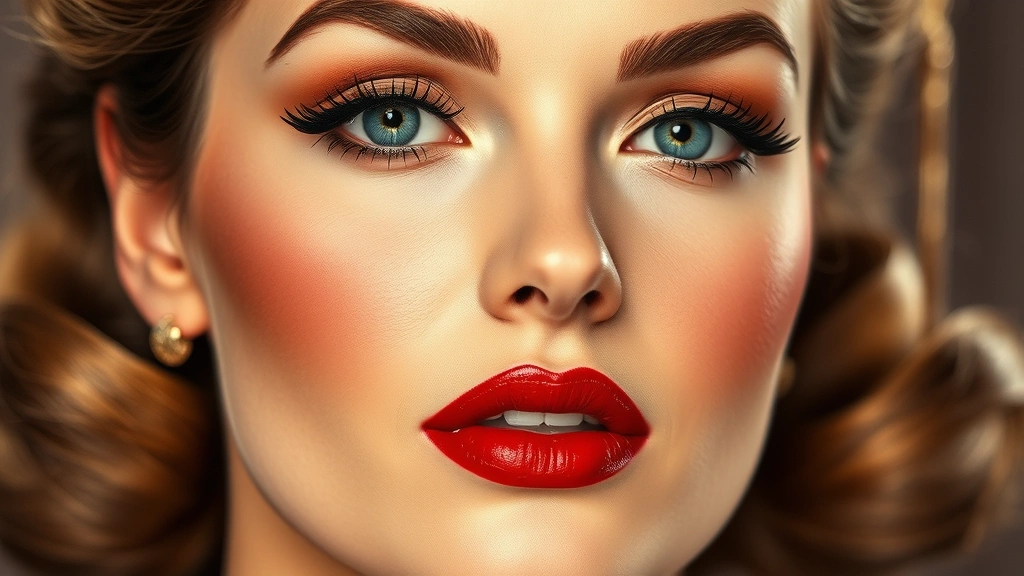
The 1940s represented the golden age of Hollywood, and makeup reflected the glamorous sophistication of cinema’s brightest stars. This era emphasized sculpted cheekbones, perfectly arched eyebrows, and a focus on creating dimension through strategic shading. The 1940s look is often considered the most universally flattering vintage style because it enhances natural features rather than obscuring them with heavy powder.
Old Hollywood glamour begins with impeccable skin preparation. A luminous base with subtle highlighting on the cheekbones, nose bridge, and brow bones creates a polished foundation. Eyes featured defined but not exaggerated lining, with emphasis placed on the upper lash line and outer corner. The key difference from the 1920s was the inclusion of eyeshadow color—warm neutrals, soft browns, and occasional jewel tones added depth without the severe graphic quality of earlier decades.
Eyebrows in the 1940s were fuller than the 1920s but still architecturally defined, following the natural bone structure while creating a slight arch. Lips were bold and full, typically in classic red or warm coral tones, with a precise outline that emphasized the lip shape. Cheekbones received careful attention, with blush applied to the apples of the cheeks and blended upward toward the temples. This era’s approach to makeup focused on enhancement through technique rather than heavy coverage.
1950s Classic Elegance
The 1950s brought refined femininity and polished elegance to makeup aesthetics. This decade maintained the sculpting techniques of the 1940s while introducing more color and dimension. The 1950s look is characterized by fuller eyebrows, wider eyes created through strategic highlighting and shading, and lips that were full, round, and precisely defined. This era celebrated a more youthful, fresh-faced beauty ideal while maintaining the glamorous precision of professional makeup artistry.
Creating a 1950s makeup look starts with a flawless complexion achieved through careful foundation matching and strategic concealing. Eyes became the focal point through the use of multiple eyeshadow shades—a light shade on the lid, medium shade in the crease, and darker shade along the lash line created dimensional, wide-eyed looks. White or cream eyeshadow on the inner corner and brow bone enhanced the eye-opening effect. Eyeliner was applied with precision to the upper lash line, sometimes extending slightly at the outer corner but without the drama of earlier decades.
Eyebrows in the 1950s were fuller and more natural than previous eras, following the bone structure with a gentle arch. Lips maintained the bold red tradition but with added emphasis on fullness and dimension—lip liners were essential for achieving the perfect 1950s pout. Cheek color was applied with precision, creating a lifted appearance through strategic placement. The old fashion mix approach often combines 1950s cheek and lip techniques with more modern eyeshadow applications for a balanced, contemporary-vintage look.
1960s Mod and Bold Graphics
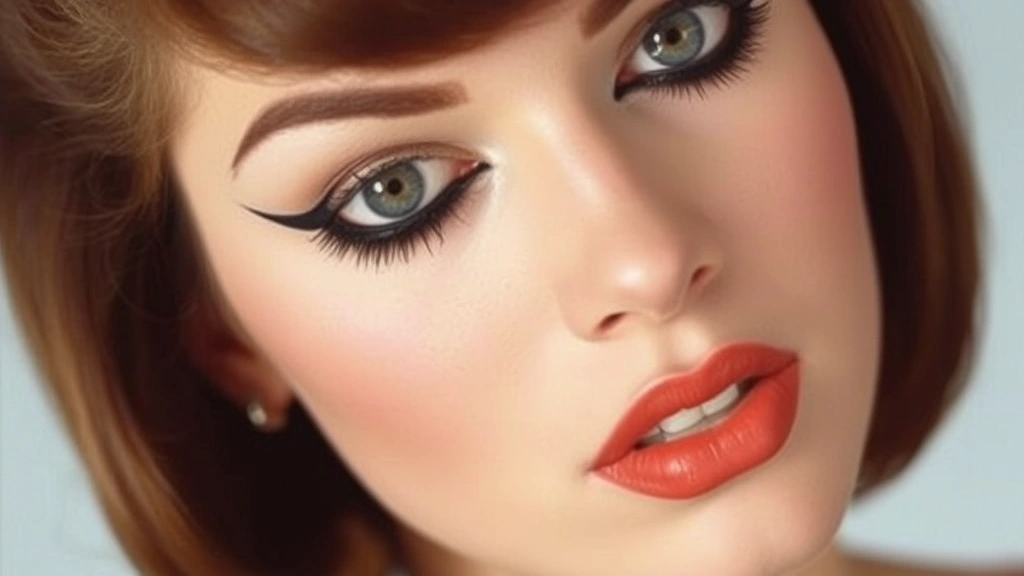
The 1960s shattered conventional beauty standards with bold, graphic, and sometimes experimental makeup that reflected the era’s cultural revolution. The mod look, popularized by British fashion icons, featured thick black eyeliner creating geometric shapes, pale eyeshadow, and minimal lip color. This era celebrated youth, boldness, and artistic expression through makeup in ways that challenged traditional femininity. The 1960s proved that makeup could be artistic, unconventional, and still incredibly beautiful.
The signature 1960s look begins with the iconic graphic eyeliner. Using a liquid or gel liner, create a thick line along the upper lash line that extends outward and slightly upward, sometimes with an additional flick at the outer corner. The lower lash line was typically left bare or minimally lined, creating an asymmetrical effect that emphasized the upper eye. Eyeshadow was pale—white, cream, or soft pink—applied to the lid and sometimes extended to the brow bone for emphasis.
False lashes were essential to the 1960s aesthetic, creating dramatic volume and opening up the eyes. The combination of heavy upper lining, pale eyeshadow, and voluminous lashes created the characteristic wide-eyed expression of the era. Eyebrows were thin and arched, often plucked quite severely. Lips were pale, sometimes nude, sometimes with a slight pink or white tone that created striking contrast with the dramatic eyes. When creating a modern old fashion mix, the 1960s graphic elements work beautifully as accent pieces rather than complete looks.
1970s Disco Glamour
The 1970s brought warmth, earthiness, and glamorous shine to makeup aesthetics. This decade embraced bronze and gold tones, shimmery textures, and a more relaxed approach to makeup application. The disco era celebrated sparkle and drama, while the natural beauty movement simultaneously promoted minimal makeup. This duality created diverse vintage styles from the 1970s—from heavily bronzed and shimmery looks to soft, barely-there aesthetics with emphasis on healthy skin.
The glam side of 1970s makeup featured warm, shimmery eyeshadows in bronze, copper, and gold tones applied generously to the lids and blended into the crease. Eyeliner was applied with a softer hand than previous decades, creating definition without severe graphic lines. Eyebrows were fuller and more natural, following the natural brow shape with minimal plucking. Lips were full and glossy, often in warm terracotta, coral, or nude tones that complemented the warm eyeshadow palette.
The natural beauty side of the 1970s emphasized glowing skin, minimal eyeshadow, and focus on the lips and cheeks. Bronzer became essential during this era, creating a sun-kissed glow that conveyed health and vitality. Blush was applied more generously than in previous decades, often in warm peachy or coral tones. The 1970s taught the beauty world that makeup could be either bold and shimmery or soft and natural—both approaches celebrating individual expression. This versatility makes 1970s elements incredibly useful for creating personalized vintage looks.
Mixing Vintage Styles for Modern Appeal
The true art of contemporary vintage makeup lies in skillfully blending elements from different eras to create looks that feel both nostalgic and modern. An old fashion mix approach allows you to honor vintage beauty traditions while maintaining relevance to contemporary aesthetics. Rather than recreating complete vintage looks, modern beauty enthusiasts strategically combine techniques and color choices from multiple decades to create uniquely personal styles.
Start by identifying which vintage elements resonate most with your personal style and face shape. Perhaps you love the sculpted cheekbones of 1940s glamour combined with the warm eyeshadow tones of the 1970s. Maybe the graphic eyeliner of the 1960s appeals to you, but you prefer the fuller brows and lips of the 1950s. By mixing and matching, you create a signature look that’s entirely your own while celebrating beauty history. This approach also allows you to adapt vintage techniques to modern preferences—using contemporary foundation technology with classic contouring methods, for example.
When mixing vintage styles, consider the dominant focal point of your look. Will eyes or lips be the star? The 1920s and 1960s emphasized eyes, while the 1940s and 1950s balanced eyes and lips equally. Decide which vintage era will provide your primary inspiration, then selectively add complementary elements from other decades. A 1950s base with 1970s warm eyeshadow tones and a 1940s sculpted cheekbone creates a cohesive, modern-vintage look that feels intentional rather than costume-like.
Professional makeup artists increasingly recommend the old fashion mix approach for clients seeking distinctive, personalized makeup. This technique requires understanding the core principles of each vintage era—why certain techniques were used, how they enhance different face shapes, and how they can be modified for contemporary preferences. Beauty experts note that mixing vintage elements teaches fundamental makeup skills that improve overall artistry and confidence.
Essential Products for Vintage Makeup
Creating authentic vintage looks requires specific product types that deliver the precision and finish characteristic of each era. While modern formulas have improved dramatically, certain product categories remain essential for vintage makeup application. Understanding which products work best for vintage techniques helps you invest wisely in your makeup collection.
Eyeshadow is foundational to vintage makeup, and quality matters significantly. Cream eyeshadows work beautifully for creating the dimensional looks of the 1940s and 1950s, while pressed powder shadows offer better control for precise application. Vintage-inspired looks typically require multiple shades—light, medium, and dark—to create dimension and definition. Matte finishes dominated earlier vintage eras, while shimmer became important in the 1970s.
Eyeliner comes in multiple formulas, each suited to different vintage styles. Pencil liners work well for the soft definition of 1950s looks, while liquid liners excel at creating the precise graphics of 1960s and 1970s aesthetics. Gel liners offer versatility, allowing you to create everything from soft definition to bold graphic lines. Many vintage makeup enthusiasts prefer felt-tip liquid liners for their control and opacity.
Lip products require careful selection for vintage looks. Lipstick provides the opaque coverage and precise application necessary for classic red lips and defined lip lines. Lip liners are essential, creating the precise outlines characteristic of vintage aesthetics. Vintage looks typically favor matte or satin finishes over glossy formulas, though 1970s looks sometimes incorporated shimmery glosses. Consider investing in quality red lipsticks in multiple undertones—blue-red, orange-red, and neutral red—to find your most flattering shade.
Blush application defines vintage makeup, with placement and intensity varying by era. Cream blushes blend beautifully for softer 1950s looks, while powder formulas offer precision for strategic placement. Vintage looks typically use more blush than contemporary minimalist styles, with color applied to the apples of the cheeks and blended upward toward the temples. Multiple blush shades can create dimension, with a deeper shade in the hollows and lighter shade on the cheekbones.
Foundation and base products set the stage for vintage makeup application. Vintage looks typically feature fuller coverage than modern trends, requiring quality foundation that photographs beautifully and maintains consistency throughout the day. Setting powder is essential, as vintage makeup relies on powder to create matte finishes and set products in place. Many vintage makeup enthusiasts prefer translucent powder with optional colored powders for subtle contouring.
Brow products have become increasingly important as eyebrow styles have evolved. Brow pencils, powders, and gels help you achieve the specific brow shapes characteristic of different eras. Vintage looks typically require more defined, architecturally precise brows than contemporary natural brow trends, making quality brow products essential investments.
Professional Tips from Makeup Artists
Professional makeup artists who specialize in vintage aesthetics emphasize several key principles that transform casual vintage attempts into polished, intentional looks. These experts have studied beauty history extensively and understand how to adapt classic techniques for contemporary application. Learning from professionals accelerates your vintage makeup journey significantly.
Precision matters more than perfection. Vintage makeup celebrates intentional technique and defined shapes rather than flawless blending. A precisely applied eyeliner is more important than seamlessly blended eyeshadow. This principle actually makes vintage makeup more forgiving than you might expect—slight imperfections in blending matter less than clean lines and intentional placement. Professional makeup artists recommend practicing precise application over perfect blending when learning vintage techniques.
Understand your face shape and vintage compatibility. Different vintage eras flatter different face shapes. Round faces benefit from the sculpting techniques of the 1940s, while square faces work beautifully with the soft, rounded aesthetics of the 1950s. Oblong faces suit the wide-eyed effects of the 1960s, while heart-shaped faces benefit from the emphasis on cheeks and lips of the 1970s. Professional makeup artists assess face shape before recommending specific vintage styles, ensuring the look enhances rather than fights natural features.
Color theory is essential. Vintage makeup often features more color than contemporary looks, requiring understanding of which tones harmonize with your skin undertone. Beauty professionals emphasize that the same vintage look in different colors creates completely different effects. A warm-toned 1940s look with bronze and warm reds suits warm undertones, while cool undertones benefit from jewel tones and cool reds. Spend time experimenting with different color palettes within your chosen vintage era.
Practice application technique separately from style. Before attempting a complete vintage look, practice individual techniques—precise eyeliner application, dimensional eyeshadow blending, defined lip lining. Breaking down vintage makeup into component skills makes the overall look feel less overwhelming. Many professional makeup artists recommend spending several weeks perfecting eyeliner technique before moving to complex eyeshadow application.
Invest in quality brushes and tools. Vintage makeup application requires precision tools that allow detailed work. Quality eyeshadow brushes with defined shapes—flat shaders, blending brushes, pencil brushes—make application dramatically easier. Lip brushes provide the precision necessary for defined lip lines and even color distribution. Professional makeup artists emphasize that tools directly impact your ability to execute vintage techniques successfully.
Study reference images extensively. Before creating a vintage look, spend time examining high-quality photographs from your chosen era. Fashion and beauty publications offer excellent reference images, as do museum collections and archived photography. Understanding subtle variations within each era—how 1950s makeup evolved throughout the decade, for example—helps you create authentic, intentional looks rather than stereotypical approximations.
Adapt vintage techniques to modern preferences. Professional makeup artists note that successful vintage makeup balances historical accuracy with personal preference. You don’t need to recreate looks exactly as they appeared decades ago. Instead, use vintage techniques to enhance your features in ways that feel authentic to you. This approach to creating an old fashion mix results in looks that feel both timeless and contemporary.
Common Vintage Makeup Mistakes to Avoid
Even enthusiastic vintage makeup lovers sometimes make mistakes that prevent their looks from achieving the polish and intentionality that characterize authentic vintage aesthetics. Learning from common pitfalls accelerates your skill development and helps you create looks that feel effortlessly vintage rather than costume-like.
Over-applying eyeshadow is a frequent mistake, particularly when recreating 1960s and 1970s looks. Vintage makeup emphasizes strategic color placement rather than covering the entire eyelid. Start with less product than you think you need, building gradually until you achieve the desired intensity. Eyeshadow should enhance your eye shape, not obscure it.
Neglecting eyebrow shape undermines even beautifully executed vintage eye makeup. Each era had characteristic brow shapes, and inaccurate brows immediately signal that your look is costume-like rather than vintage-inspired. Take time to research the specific brow shape of your chosen era and invest in quality brow products that allow precise application.
Using incorrect lip color undertones creates discord in otherwise well-executed vintage looks. A blue-toned red lip on warm undertones, or an orange-red lip on cool undertones, immediately feels off. Invest in multiple red lipsticks representing different undertones, and test them against your skin before committing to a full look.
Forgetting about skin preparation prevents vintage makeup from achieving its full potential. Vintage looks typically feature fuller coverage and more powder than contemporary styles, making skincare and primer essential. Dehydrated skin becomes obvious under vintage makeup application, while well-moisturized, primed skin provides a luminous base that supports the look.
Applying too much blush is surprisingly common among vintage makeup enthusiasts. While vintage looks feature more blush than contemporary minimalism, strategic placement matters more than quantity. Apply blush to the apples of your cheeks and blend upward, avoiding placement that creates a clownish effect or extends too far toward the temples.
Building Your Vintage Makeup Skill Set
Developing proficiency with vintage makeup techniques requires dedicated practice and intentional skill-building. Rather than attempting complete vintage looks immediately, successful learners build skills systematically, mastering one technique before moving to the next. This structured approach prevents frustration and accelerates your journey toward confident vintage makeup application.
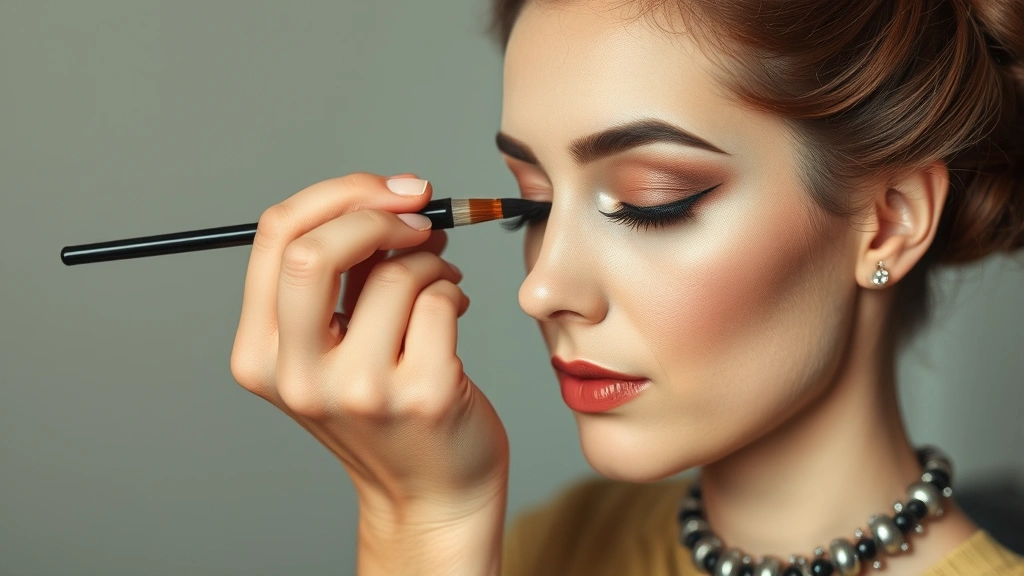
Week one: Master basic eyeliner application. Spend several days practicing precise eyeliner placement using your chosen formula. Create straight lines along the upper lash line without wavering. Practice extending the line slightly past the outer corner. Experiment with different thicknesses and intensities. This foundational skill supports all subsequent vintage looks.
Week two: Learn dimensional eyeshadow application. Using three complementary eyeshadow shades, practice creating dimension by placing light shade on the lid, medium shade in the crease, and dark shade along the lash line. Practice blending each shade into the next, creating seamless transitions. This technique appears in multiple vintage eras and provides essential blending practice.
Week three: Perfect lip application. Practice using lip liner to create precise lip outlines, then fill in with lipstick. Experiment with different lip shapes—fuller lips, thinner lips, different depths. Practice with multiple lip colors to understand which undertones complement your skin. Precise lip application significantly improves overall vintage look polish.
Week four: Develop cheekbone sculpting skills. Using multiple blush shades, practice applying color strategically to enhance your cheekbones. Place deeper shade in cheekbone hollows, lighter shade on the apples of your cheeks. Blend carefully to create natural-looking dimension. Cheekbone sculpting appears in multiple vintage eras and dramatically enhances face shape.
Week five and beyond: Combine techniques into complete looks. Once you’ve mastered individual techniques, begin combining them into complete vintage looks. Start with one era’s aesthetic, incorporating all the techniques you’ve practiced. As confidence grows, experiment with mixing elements from different eras to create your personal old fashion mix.
FAQ
What’s the best vintage makeup era for beginners?
The 1950s aesthetic is often recommended for beginners because it balances multiple techniques without requiring the severe graphic precision of the 1960s or the heavy drama of the 1920s. The 1950s look emphasizes dimensional eyeshadow, defined but natural brows, and bold but wearable lips—all techniques that teach fundamental skills while creating beautiful results relatively quickly.
Can I wear vintage makeup to work or casual settings?
Absolutely. The key is adapting vintage techniques to your specific context. A 1950s-inspired look with softer lip color and less intense eyeshadow works beautifully in professional settings. 1970s warm-toned makeup translates easily to casual wear. The old fashion mix approach allows you to incorporate vintage elements into everyday makeup, creating distinctive personal style without costume-like appearance.
How do I make vintage makeup last all day?
Proper base preparation is essential. Use primer to create a smooth canvas and help products adhere. Set eyeshadow with an eyeshadow primer before application. Use long-wearing formulas, particularly for eyeliner and lip color. Set makeup with translucent powder, focusing on areas prone to creasing. Consider using setting spray to lock everything in place. Vintage makeup often features more products than contemporary styles, making durability especially important.
What if my eyebrows don’t match my chosen vintage era’s style?
Eyebrow growth takes time, so you don’t need to permanently alter your brows to enjoy vintage makeup. Use brow products to temporarily create the desired shape. Brow pencils and powders allow you to extend or reshape brows without plucking. As you grow more confident with vintage aesthetics, you can decide whether permanent changes align with your personal style.
How do I choose which vintage era suits me best?
Consider your face shape, personal style preferences, and which eras genuinely appeal to you visually. Spend time examining reference images from different decades, noticing which looks make you feel excited and confident. Try creating looks from multiple eras before deciding on your primary inspiration. Many people find that mixing elements from multiple eras creates more personal, authentic results than committing to a single era’s complete aesthetic.
Are vintage makeup products different from modern formulas?
Modern makeup formulas have improved significantly in terms of pigmentation, longevity, and comfort. You don’t need vintage-era products to create vintage looks—contemporary products with vintage-inspired application techniques work beautifully. That said, some makeup enthusiasts enjoy exploring vintage product lines for their historical interest and unique formulations. Focus on finding quality contemporary products that allow the precise application vintage looks require.
How can I make vintage makeup feel modern and fresh?
The old fashion mix approach specifically addresses this challenge by combining vintage techniques with modern preferences. Use contemporary skin-care-infused foundations for a more natural base. Incorporate current color trends within vintage frameworks. Mix vintage eye techniques with modern lip colors. Update eyebrow shapes slightly beyond strict historical accuracy. These adaptations create looks that feel both timeless and contemporary.

Related Posts
Perfect Old Fashioned Donut: Baker’s Secrets
Old Fashioned Chocolate Pie Recipe? Chef’s Favorite