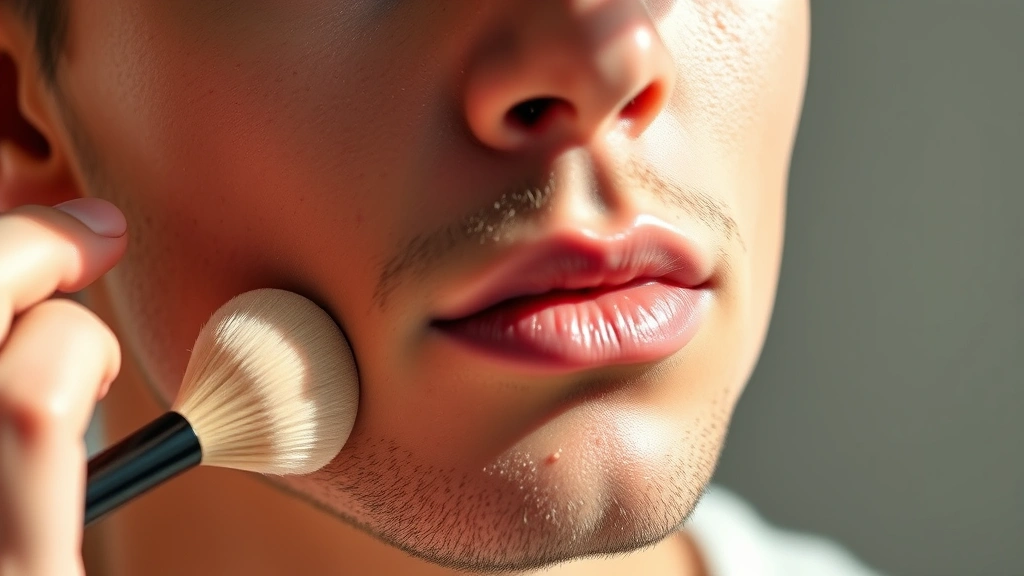
Best Makeup Tips for Men? Expert Insights!
Best Makeup Tips for Men? Expert Insights!
Makeup for men has evolved dramatically over the past decade, breaking through outdated stigmas and becoming a legitimate form of self-expression and grooming. Whether you’re interested in evening out your complexion, covering blemishes, enhancing your features for special occasions, or simply exploring the artistry of cosmetics, this comprehensive guide will equip you with professional techniques and expert knowledge. The beauty industry has finally recognized that skincare and makeup aren’t gender-specific—they’re about confidence, presentation, and feeling your best.
Men are increasingly turning to makeup for various reasons: professional presentations, social media content creation, special events, theater and performance, or everyday confidence boosters. The key is understanding that men’s makeup application differs slightly from traditional approaches due to different skin types, facial hair considerations, and aesthetic preferences. This guide breaks down everything from foundational skincare to advanced contouring techniques, ensuring you feel comfortable and knowledgeable as you explore this creative avenue.
Understanding Your Skin Type and Preparation
Before applying any makeup, understanding your skin type is absolutely crucial. Men’s skin tends to be thicker and oilier than women’s skin due to higher testosterone levels, which means your makeup approach should account for this biological difference. The three primary skin types are oily, dry, and combination—most men fall into the oily or combination categories.
Start with a proper skincare routine. Cleanse your face with a gentle, oil-control cleanser in the morning and evening. Follow with a lightweight, non-comedogenic moisturizer appropriate for your skin type. If you have significant oiliness, look for mattifying moisturizers that won’t make your skin appear shiny under makeup. Exfoliate 2-3 times weekly to remove dead skin cells and create a smooth canvas for makeup application. Many men neglect this step, but it’s essential for preventing patchy foundation and achieving a professional finish.
Apply a primer before makeup—this is non-negotiable for men with oily skin. A good primer creates a barrier between your skin and makeup, extending wear time and preventing the dreaded mid-day shine. Look for pore-minimizing primers that specifically target oil control. Allow your primer to set for 60-90 seconds before moving to foundation. This small step dramatically improves makeup longevity and appearance throughout the day.
Essential Makeup Products for Men
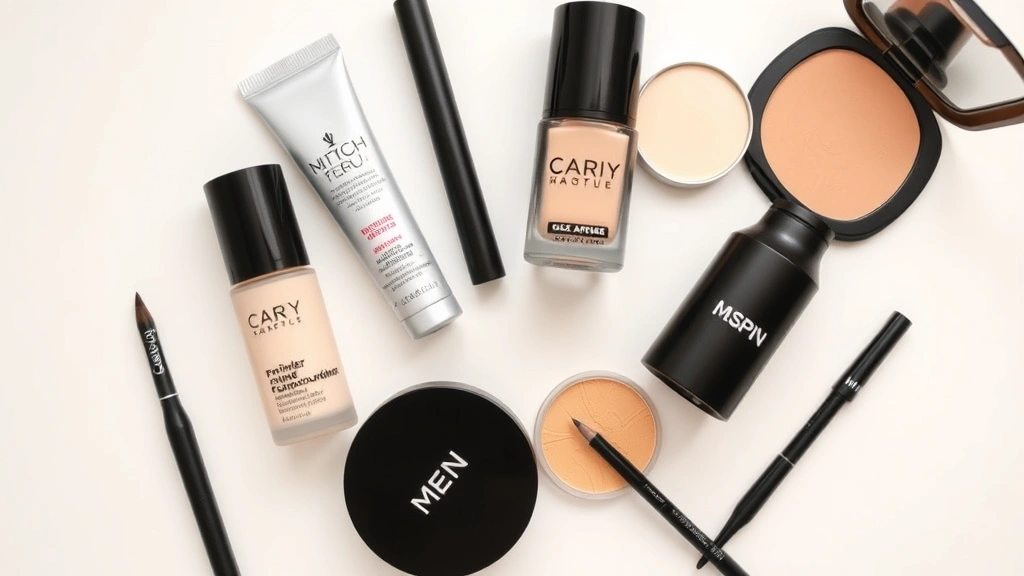
Building a men’s makeup kit doesn’t require dozens of products. Focus on quality essentials that address your specific concerns. Here’s what every man should have:
- Primer: Oil-control or mattifying formula suited to your skin type
- Foundation: Liquid or stick foundation in your exact shade match
- Concealer: One to two shades lighter than your foundation for under-eyes and spot coverage
- Powder: Translucent or slightly tinted powder for setting
- Eyebrow product: Pencil or powder to define brows naturally
- Setting spray: Makeup-setting spray for all-day wear
- Blush or bronzer: Optional but recommended for adding dimension
Quality matters more than quantity. One excellent foundation beats five mediocre ones. Invest in products specifically formulated for men’s skin or choose from Paula’s Choice and similar dermatologist-recommended brands that prioritize skin health. When shopping, always test foundation on your jawline in natural light—this is where the most noticeable mismatch occurs if you choose incorrectly.
Foundation Selection and Application
Foundation is your makeup’s foundation (pun intended), so getting this right is paramount. Men’s skin typically requires a different foundation formula than traditional makeup marketed to women. Look for foundations that offer:
- Oil-control and long-wear formulas
- Natural, matte finishes rather than dewy or luminous
- Buildable coverage that doesn’t feel heavy
- Breathable formulas that won’t clog pores
When applying foundation, use a damp beauty sponge or foundation brush. Apply in thin layers, building coverage gradually rather than applying one thick coat. Start at the center of your face and blend outward toward your ears and jawline. Pay special attention to blending at your jawline and hairline—this is where most men make mistakes, creating an obvious makeup line. For those with facial hair, apply foundation around and between whiskers rather than directly over them, which can appear patchy.
The key to natural-looking men’s makeup is subtlety. You want your skin to look like an enhanced version of itself, not like you’re wearing makeup. This requires restraint and proper blending. A common error is applying too much product; start with less than you think you need and add more if necessary. Building coverage gradually ensures a natural appearance while maintaining skin texture visibility.
Concealing and Coverage Techniques
Concealer serves two purposes: covering blemishes and brightening the under-eye area. For men, the under-eye application is often more important than spot concealing, as it reduces the appearance of tiredness and creates a more awake, refreshed look. Choose a concealer one to two shades lighter than your foundation for the under-eye area.
Apply concealer in an inverted triangle shape under each eye, from the inner corner to the outer edge and slightly upward toward the temple. Gently tap with your ring finger (which applies the least pressure) to blend, avoiding tugging that can damage delicate skin. For spot concealing, apply concealer directly to blemishes, blend the edges, and set with powder to prevent creasing throughout the day.
Men with significant acne or scarring may benefit from full-coverage concealers, though these require extra blending to avoid looking obvious. The goal is seamless blending that doesn’t create a visible makeup boundary. Practice your blending technique in natural light to ensure it appears flawless from all angles.
Eye Makeup for Men
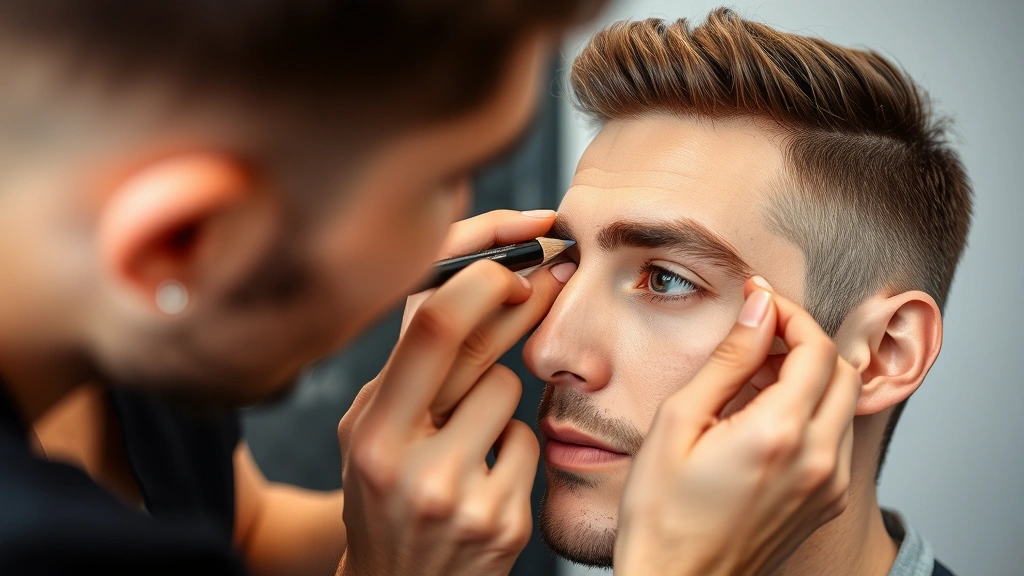
Eye makeup for men differs significantly from traditional approaches. The goal is enhancement and definition rather than dramatic color or heavy application. Well-groomed eyebrows are the foundation of polished eye makeup for men, so invest time in maintaining them. Use an eyebrow pencil or powder to fill sparse areas and define your natural shape, keeping lines soft and natural.
For those interested in additional eye definition, a subtle eyeliner can work beautifully when applied correctly. Rather than heavy lines, opt for tightlining—applying pencil liner to the waterline between lashes and eye—which defines without appearing obvious. Brown or charcoal liners look more natural than black for everyday wear. Apply with a sharp pencil and blend slightly with your fingertip for a softer appearance.
Eyeshadow for men should be minimal and neutral. If you choose to use eyeshadow, stick to matte browns, taupes, or grays that enhance your eye color without calling attention to themselves. Apply with a small, flat brush in the crease for subtle definition. The key is enhancement, not transformation. A light wash of color across the lid can add dimension without appearing feminine or dramatic.
Contouring and Definition
Contouring has become increasingly popular for men seeking to enhance facial structure. Rather than the heavy contouring seen on social media, men benefit from subtle, strategic shading that enhances natural features. This isn’t about dramatically changing your face shape—it’s about adding dimension and definition.
Start with a matte bronzer or contour powder two to three shades darker than your skin tone. Apply along your jawline to add definition, under your cheekbones to create shadow and dimension, and along the sides of your nose if you want to appear slimmer. Blend thoroughly using a fluffy brush to avoid harsh lines. The difference between professional contouring and amateur attempts is blending—spend extra time ensuring no visible lines remain.
For the cheekbones, apply a subtle blush or bronzer to add color and life to your complexion. Smile and apply color to the apples of your cheeks, blending upward toward your temples. Keep the shade natural—you’re aiming for the appearance of healthy color, not an obvious makeup application. Men often skip this step, but it makes a dramatic difference in overall appearance, creating a more vibrant, healthy look.
Finishing Touches and Setting Spray
Setting your makeup is essential, especially for men with oily skin or those wearing makeup for extended periods. After completing your makeup application, lightly dust translucent powder over your face using a large, fluffy brush. Focus on the T-zone (forehead, nose, chin) where oil typically accumulates. Use a light hand—excessive powder creates a cakey appearance and defeats the purpose of natural-looking makeup.
Finish with a setting spray, which locks everything in place and extends wear time significantly. Spray in an X and T pattern across your face, holding the bottle about 8-10 inches away. Allow to dry completely before touching your face. Quality setting sprays from brands like Urban Decay or Nykaa can keep makeup fresh for 12+ hours, even on oily skin.
Throughout the day, blotting papers are your best friend. Rather than reapplying powder (which builds up), use blotting papers to remove excess oil while preserving your makeup. This keeps your complexion looking fresh without the need for touch-ups that can disrupt your carefully applied makeup.
Common Mistakes to Avoid
Learning what not to do is equally important as learning proper techniques. Here are common mistakes men make with makeup:
- Skipping primer: This leads to patchy, short-lived makeup. Primer is non-negotiable for men with oily skin.
- Choosing the wrong shade: Always test foundation on your jawline in natural light. A mismatch is immediately noticeable.
- Over-applying product: More isn’t better. Start with less and build gradually for natural results.
- Neglecting blending: Harsh lines and visible makeup edges ruin an otherwise good application. Blend thoroughly.
- Ignoring eyebrows: Well-groomed brows frame your face and complete your overall look. Don’t neglect them.
- Using powder excessively: This creates a cakey, artificial appearance. Use sparingly and focus on oily areas.
- Forgetting about skincare foundations: Makeup applied over poor skin looks worse. Prioritize cleansing, moisturizing, and exfoliation.
- Applying makeup in poor lighting: Always apply makeup in natural light or bright, neutral lighting to ensure accuracy.
- Not considering the context and occasion: Makeup that’s appropriate for an evening event differs from professional workplace makeup.
Additionally, men often make the mistake of viewing makeup as an all-or-nothing endeavor. You don’t need a full face of makeup for every situation. For professional settings, minimal coverage—just foundation and concealer—often looks more appropriate than a complete makeup look. Adjust your approach based on context and personal comfort level.
Another critical error is applying makeup without considering your undertone. Makeup shades that work for warm undertones look completely wrong on cool undertones and vice. Spend time determining your undertone by examining veins on your wrist or consulting with beauty professionals. This single factor dramatically impacts how natural your makeup appears.
FAQ
Is it normal for men to wear makeup?
Absolutely. Makeup is increasingly mainstream for men across entertainment, social media, professional settings, and everyday life. Many male celebrities, athletes, and influencers openly use makeup. It’s simply a grooming and self-expression tool with no inherent gender limitations.
What’s the best foundation for men with sensitive skin?
Look for foundations from brands like Dermatologist’s Choice or CeraVe that prioritize hypoallergenic, fragrance-free formulations. Mineral foundations can also be excellent for sensitive skin. Always patch-test new products before full-face application.
How do I make makeup last all day?
Use primer, apply foundation in thin layers, set with powder on oily areas, and finish with setting spray. Avoid touching your face throughout the day, and use blotting papers to manage oil rather than reapplying powder. These steps can extend wear time to 12+ hours.
Can I wear makeup with facial hair?
Yes, but application requires adjustment. Apply foundation around and between facial hair rather than directly over it. Keep coverage light in bearded areas to avoid an obvious makeup line. Some men find that trimming facial hair slightly improves makeup application and appearance.
What’s the difference between makeup for photos and everyday wear?
Photo makeup typically requires more coverage and definition because cameras wash out skin tone and blur subtle features. Everyday makeup should be more minimal and natural-looking. Adjust your approach based on whether you’re applying makeup for camera work or in-person interaction.
How do I find my perfect foundation shade?
Test foundation on your jawline in natural light, not on your wrist. Your jawline is closest to your actual face color. Blend the test shade and step outside to see how it appears in daylight. The right shade should be invisible, matching your skin perfectly with no orange, pink, or gray undertones visible.
Is makeup bad for my skin?
Quality makeup applied to clean skin and removed properly shouldn’t damage your skin. The key is choosing non-comedogenic products, maintaining proper skincare, and removing makeup before bed. Poor makeup removal habits cause more skin issues than makeup itself.
What if I’m just starting out?
Begin with the essentials: primer, foundation, concealer, powder, and setting spray. Master these basics before adding eyebrow products, blush, or contouring. Practice in natural light, watch tutorials from makeup artists, and don’t be discouraged by initial attempts—application improves dramatically with practice.

Related Posts

Perfect Old Fashioned Donut: Baker’s Secrets

Old Fashioned Chocolate Pie Recipe? Chef’s Favorite