Men’s Fashion Shoes: Expert Styling Tips
Men’s Fashion Shoes: Expert Styling Tips for Every Occasion
The right pair of shoes can transform your entire outfit and define your personal style. Whether you’re dressing for the boardroom, a casual weekend, or a special event, understanding how to select and style men’s fashion shoes is essential to building a versatile wardrobe. Shoes are more than just functional—they’re a statement piece that communicates your attention to detail and fashion sensibility.
In this comprehensive guide, we’ll explore everything you need to know about selecting, caring for, and styling men’s fashion shoes. From classic leather oxfords to contemporary sneakers, we’ll break down the essential styles every man should own and provide expert tips on how to incorporate them into your daily looks.
Essential Shoe Styles Every Man Should Own
Every well-dressed man needs a foundation of classic shoe styles. These timeless pieces serve as the building blocks for countless outfit combinations and ensure you’re prepared for any situation. The key is investing in quality basics before experimenting with trendier styles.
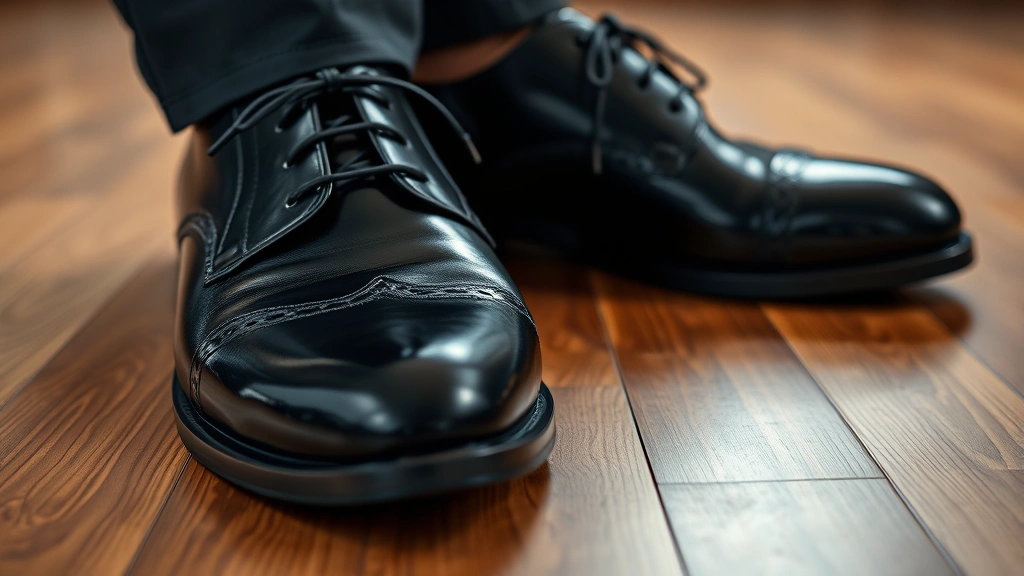
Oxford Shoes represent the pinnacle of formal footwear. These closed-lace dress shoes feature a sleek silhouette and work perfectly with suits, dress pants, and business casual attire. Black and dark brown oxfords are the most versatile options for formal occasions, while lighter shades offer more contemporary styling possibilities. The clean lines of an oxford make it an investment piece that will remain relevant for decades.
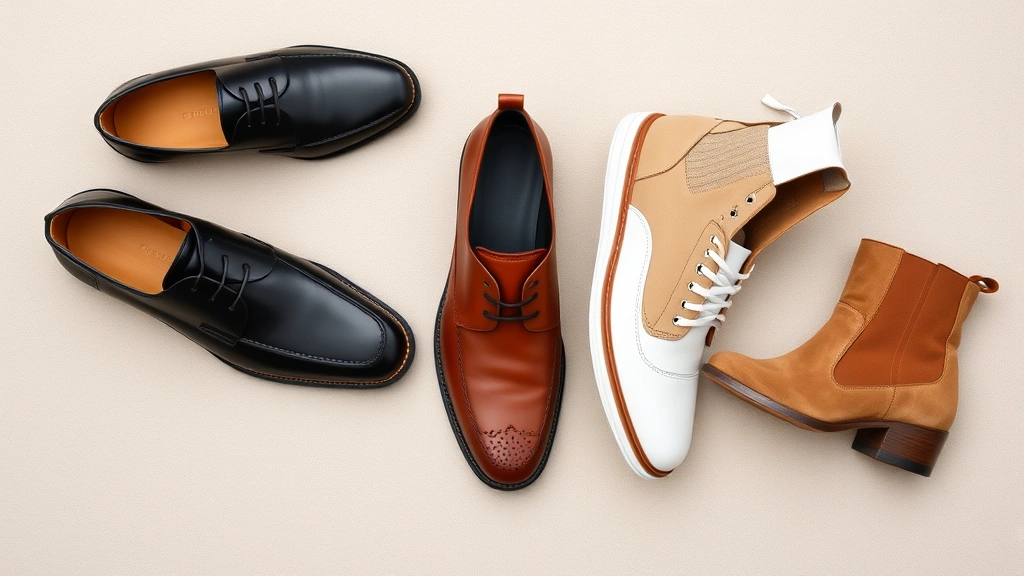
Loafers bridge the gap between formal and casual wear beautifully. Penny loafers, tassel loafers, and horsebit styles offer flexibility that few other shoes provide. They work equally well with tailored trousers, chinos, or even well-fitted jeans. Loafers are perfect for business casual environments and weekend social gatherings, making them one of the most practical shoes in any wardrobe.
Chelsea Boots have become a modern staple for the contemporary man. The elastic side panels provide easy on-and-off convenience while maintaining a polished appearance. Chelsea boots transition seamlessly from office to evening wear and pair exceptionally well with tailored trousers, dark jeans, or casual chinos. Their versatility makes them a must-have for any fashion-conscious individual.
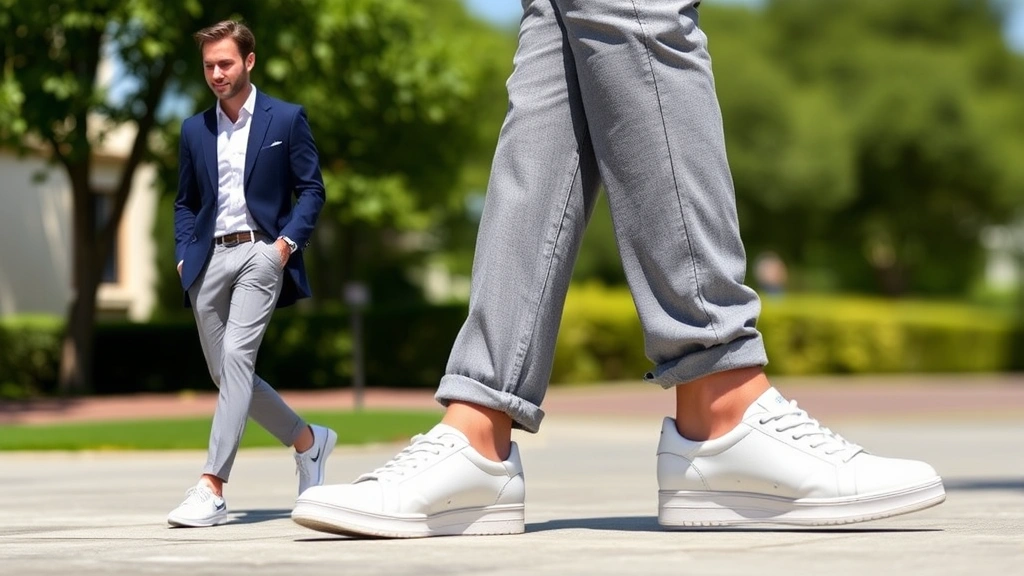
Sneakers have evolved from athletic wear to legitimate fashion statements. High-quality leather sneakers in white or neutral tones serve as the foundation for smart-casual and casual outfits. They’re essential for weekend wear and increasingly acceptable in creative office environments. The right sneaker can elevate a casual outfit while maintaining a relaxed aesthetic.
Desert Boots offer a perfect middle ground between formal and casual. These suede or leather boots feature a crepe sole and work wonderfully with chinos, jeans, or tailored trousers. They’re particularly versatile for spring and fall styling and add texture and interest to your outfit in ways dress shoes cannot.
When building your men’s fashion shoes collection, prioritize quality and versatility over quantity. A carefully curated selection of well-made shoes serves you far better than a closet full of mediocre options.
Understanding Shoe Materials and Quality
The material of your shoes directly impacts their longevity, comfort, and appearance. Understanding different materials helps you make informed purchasing decisions and ensures your investment lasts for years.
Leather remains the gold standard for quality men’s footwear. Full-grain leather develops character over time, becoming more supple and developing a unique patina. Top-grain leather offers a balance between quality and affordability. Genuine leather breathes naturally, molds to your foot, and generally improves with age. According to Esquire’s fashion guides, quality leather shoes are considered essential investments for any man’s wardrobe.
Suede provides a softer, more textured aesthetic than traditional leather. While suede requires more maintenance and is less durable than full-grain leather, it offers a sophisticated appearance that works beautifully for desert boots and casual dress shoes. Understanding proper suede care ensures your investment remains pristine.
Synthetic Materials have improved dramatically, though they generally don’t match the longevity of natural materials. They offer advantages in terms of water resistance and low maintenance, making them suitable for specific applications and weather conditions.
Sole Quality deserves equal attention to the upper material. Leather soles offer elegance but require more maintenance, while rubber soles provide durability and traction. Many quality shoes feature leather uppers with rubber heel caps for practical longevity. The construction method—whether welted, cemented, or direct-attached—affects durability and repairability.
Investing in quality materials means your men’s fashion shoes will age gracefully and maintain their appeal for years. This perspective transforms shoe shopping from a transaction into a wardrobe investment.
Styling Tips for Different Occasions
The context in which you wear your shoes dramatically affects how you should style them. Understanding occasion-specific guidelines ensures you always look appropriately dressed.
Formal Events and Black-Tie Occasions demand the most conservative shoe choices. Patent leather oxfords in black represent the ultimate formal option, while matte black oxfords offer a more modern approach. Ensure your shoes are impeccably polished and paired with dress socks that match your suit. The goal is for your shoes to complement rather than distract from your overall formal presentation.
Business and Professional Settings require shoes that project competence and trustworthiness. Dark leather oxfords, loafers, or monks work beautifully with suits and dress pants. Ensure your shoes are always clean and well-maintained—scuffed or worn footwear undermines even the most carefully constructed business outfit. Forbes style experts emphasize that professional footwear should be understated and impeccable.
Business Casual Environments offer more flexibility while still demanding polished footwear. Loafers, Chelsea boots, and quality leather sneakers work excellently. You can experiment with lighter colors and more interesting textures while maintaining a professional appearance. Pairing shoes with appropriate trousers—chinos or tailored dress pants—ensures you remain appropriately dressed.
Smart Casual Occasions are where your personal style can shine. Combine Chelsea boots with designer jeans, pair loafers with chinos and a blazer, or style quality sneakers with tailored trousers. This category allows for creativity while maintaining polish and intentionality in your appearance.
Casual Weekend Wear is your opportunity to prioritize comfort without sacrificing style. Quality sneakers, desert boots, and casual loafers all work beautifully. Pair them with jeans, casual chinos, or shorts depending on the weather and activity. The key is ensuring your shoes appear intentional rather than sloppy—even casual footwear should be clean and well-maintained.
When selecting shoes for any occasion, consider the formality level, the dress code, and the environment. This systematic approach ensures you always choose appropriately while building a cohesive wardrobe.
Color Coordination and Pairing Strategies
Color harmony between your shoes and clothing creates visual balance and demonstrates sophisticated style awareness. Understanding color coordination principles elevates your overall aesthetic.
The Matching Rule suggests that your shoes should either match your pants or be darker than them. This creates a visual line that elongates your silhouette. When your shoes are lighter than your pants, they can appear disconnected from your outfit. This fundamental principle applies across all occasions and styles.
Neutral Foundations are your safest bet. Black, dark brown, tan, and gray shoes work with virtually any outfit in your wardrobe. These versatile colors should form the backbone of your men’s fashion shoes collection. They’re reliable, professional, and endlessly practical.
Seasonal Color Choices add sophistication to your wardrobe rotation. Lighter tans and browns work beautifully in spring and summer, while darker charcoals and blacks suit fall and winter. Seasonal rotation keeps your look fresh while respecting traditional style guidelines.
Pattern and Texture Considerations allow for subtle personality expression. Suede offers texture variation, while patterned shoes like brogues or spectator shoes add visual interest. When incorporating pattern or texture, keep the rest of your outfit relatively simple to maintain balance.
Monochromatic Styling creates a sleek, elongated silhouette. Wearing shoes that match your pants—or are very close in color—creates visual continuity. This approach works particularly well with darker colors and creates a sophisticated, modern aesthetic.
Remember that GQ’s shoe styling guides emphasize that color coordination is about creating harmony and intentionality. Each color choice should feel deliberate rather than accidental.
Shoe Care and Maintenance
Proper care extends the life of your men’s fashion shoes and maintains their aesthetic appeal. Developing a maintenance routine protects your investment and ensures your shoes always look their best.
Regular Cleaning prevents dirt accumulation and premature wear. Wipe your shoes with a soft cloth after wearing them, and address scuffs promptly. For leather shoes, use appropriate leather cleaners that won’t damage the material. Suede requires specialized brushes and erasers designed specifically for that delicate material.
Conditioning and Polishing maintain leather suppleness and appearance. Apply conditioner every few months to prevent cracking and maintain the leather’s natural luster. Polishing removes scuffs and restores shine, though you should avoid excessive polishing that removes too much material.
Proper Storage protects your shoes when not in use. Store shoes in a cool, dry place away from direct sunlight, which can fade colors and damage materials. Using shoe trees maintains shape and absorbs moisture, extending the life of your footwear significantly.
Rotation and Rest are essential for longevity. Wearing the same shoes consecutively breaks them down faster. Rotating between multiple pairs allows shoes to dry completely and recover their shape between wears. This practice extends the lifespan of your men’s fashion shoes considerably.
Professional Repairs should be undertaken promptly when needed. A skilled cobbler can resolve sole issues, replace heels, and address other damage. Addressing problems early prevents minor issues from becoming irreversible damage.
Building Your Shoe Wardrobe
A well-organized shoe collection serves all your lifestyle needs without excessive duplication. Strategic building ensures you’re prepared for any situation while maintaining quality over quantity.
Start with Essentials before expanding into specialty pieces. Every man needs at least one pair of black oxfords, one pair of brown loafers or Chelsea boots, and quality everyday sneakers. These three categories cover approximately 80% of typical styling situations. Once you have these foundations, you can add specialty pieces that reflect your personal style and lifestyle requirements.
Consider Your Lifestyle when building your collection. A man who works in a creative environment has different shoe needs than one in a conservative corporate setting. Someone who spends weekends hiking needs different casual shoes than someone who frequents upscale restaurants. Your shoe wardrobe should reflect how you actually live.
Invest in Quality Gradually rather than purchasing everything at once. One excellent pair of shoes serves you better than three mediocre pairs. As your budget allows, upgrade your collection with higher-quality pieces that will last for years. This approach builds a wardrobe of pieces you genuinely love and will wear frequently.
Seasonal Expansion allows your collection to grow thoughtfully. Add summer-appropriate styles like lighter loafers or canvas sneakers, and winter options like insulated boots. Seasonal additions keep your looks fresh while respecting practical considerations.
Personal Style Integration ensures your shoes reflect who you are. If you prefer classic aesthetics, focus on timeless styles in neutral colors. If you embrace contemporary fashion, incorporate more interesting textures and colors. Your shoe wardrobe should feel authentic to your personal style rather than following trends you don’t connect with.
Building a men’s fashion shoes collection is a journey rather than a destination. As your style evolves and your lifestyle changes, your shoe wardrobe should evolve with you. The key is making intentional choices that serve your actual needs and preferences.
Understanding the fundamentals of men’s shoe selection empowers you to make confident purchasing decisions. When you know what you’re looking for and why, you’ll build a collection that serves you beautifully for years to come.
FAQ
What are the most versatile men’s fashion shoes?
Quality leather sneakers, loafers, and Chelsea boots rank among the most versatile options. These styles transition between casual and semi-formal settings, making them essential for any wardrobe. Loafers particularly excel at bridging formal and casual wear seamlessly.
How many pairs of shoes should a man own?
A functional wardrobe typically includes 5-7 pairs: black oxfords, brown loafers, Chelsea boots, everyday sneakers, casual shoes, and potentially specialized pieces for specific activities. This range covers most situations without excessive duplication.
Should men’s fashion shoes match their belt?
While matching isn’t absolutely necessary, coordinating your shoes and belt creates visual harmony. They don’t need to be identical, but they should be similar in color and formality level. This coordination demonstrates attention to detail and styling sophistication.
How can I make my shoes more comfortable?
Wear your shoes gradually to break them in naturally. Use shoe trees to maintain shape and absorb moisture. Invest in quality insoles if needed, and consider professional stretching for shoes that feel slightly tight. Most quality shoes become more comfortable with time as leather molds to your foot.
What’s the difference between oxfords and loafers?
Oxfords feature laced closures and a sleek, formal appearance, while loafers have no laces and offer a more relaxed aesthetic. Oxfords work better for formal occasions, while loafers excel in business casual and smart casual settings. Both are essential, but serve different purposes.
How often should I polish my dress shoes?
Polish your dress shoes every 3-6 months depending on frequency of wear. More regular polishing—monthly or bi-monthly—maintains superior appearance for frequently worn shoes. Between polishes, wipe shoes with a soft cloth to remove dust and maintain their appearance.

Related Posts

Perfect Old Fashioned Donut: Baker’s Secrets
Old Fashioned Chocolate Pie Recipe? Chef’s Favorite