Men’s Casual Look: Expert Style Tips
Men’s Casual Look: Expert Style Tips for Effortless Everyday Fashion
Mastering men’s casual fashion doesn’t require a degree in style—it requires understanding the fundamentals of comfort, fit, and intentional layering. Whether you’re heading to the office, meeting friends, or running errands, a well-executed casual look communicates confidence and attention to detail without appearing overdressed. The beauty of casual menswear lies in its versatility; the same foundational pieces can be mixed and matched to create dozens of distinct outfits that work across different settings and seasons.
The key to developing a signature casual style is recognizing that casual doesn’t mean careless. Strategic color coordination, proper garment fit, and quality basics form the foundation of a wardrobe that looks intentional and polished. In this comprehensive guide, we’ll explore everything from essential pieces to styling techniques that will elevate your everyday appearance and help you develop a personal style that feels authentically yours.
Building Your Casual Wardrobe Foundation
A strong casual wardrobe begins with neutral basics that serve as building blocks for countless outfit combinations. Think of your wardrobe as an investment rather than a collection of random pieces. Start with high-quality essentials in neutral tones—charcoal, navy, white, gray, and black—that pair seamlessly with nearly everything else in your closet. These foundational colors create visual harmony and make mixing pieces effortless.
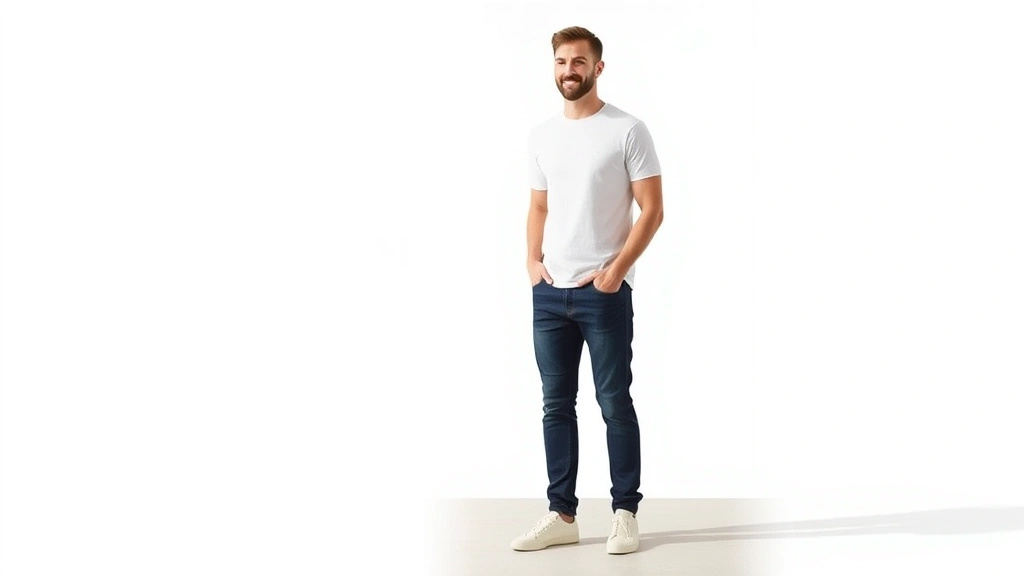
The foundation phase typically takes three to six months to complete properly. Rather than buying numerous mediocre pieces, focus on acquiring fewer items of superior quality. A well-made white t-shirt in premium cotton will outlast and outperform three cheaper alternatives. Similarly, investing in a quality pair of dark jeans becomes worthwhile when they maintain their shape and color through dozens of washes. This approach not only saves money long-term but also ensures your casual looks always appear intentional and put-together.
Understanding your body type and personal preferences early in the process prevents costly mistakes. Do you prefer a more fitted silhouette or relaxed, oversized styling? Are you comfortable with visible textures and patterns, or do you prefer minimalist aesthetics? Answering these questions guides your purchasing decisions and ensures every piece aligns with your personal vision.
Essential Pieces Every Man Needs
Certain garments form the non-negotiable core of any casual wardrobe. These pieces work in isolation and combine seamlessly to create varied looks throughout the week. Let’s examine each essential category and understand why they matter for your personal style development.
T-Shirts and Basics: Quality t-shirts in neutral colors represent the ultimate versatile piece. Invest in crew neck and v-neck varieties in white, black, gray, and navy. Look for garments with a slight weight that drape well without clinging awkwardly. Avoid overly thick or stiff materials that feel uncomfortable during extended wear. Premium cotton blends offer durability while maintaining breathability.
Button-Up Shirts: Oxford cloth button-downs (OCBDs) in white and light blue provide endless styling possibilities. These can be worn buttoned casually, left unbuttoned over a t-shirt, or even partially rolled at the sleeves for warmer weather. A chambray shirt adds textural variety while maintaining versatility. Consider adding a casual linen shirt for summer months when breathability becomes paramount.
Jeans: Dark indigo denim in a straight or slight taper cut works with virtually any casual top. The key is finding a fit that feels comfortable while maintaining clean lines. Avoid excessive distressing or unusual washes that limit versatility. A second pair in a lighter wash provides variation for different seasonal contexts.
Casual Pants: Chinos in khaki, navy, and gray expand your options beyond denim. Chinos offer a slightly more refined appearance than jeans while maintaining casual comfort. Look for a fit similar to your jeans—not too baggy, not overly tight—with a subtle taper toward the ankle. These work beautifully for occasions where full denim feels too casual.
Sweaters and Cardigans: A quality crew neck sweater in charcoal or navy becomes invaluable during cooler months. Merino wool offers exceptional temperature regulation and durability. A cardigan provides layering flexibility and can be worn open or buttoned depending on the temperature and desired aesthetic. These pieces add sophistication to basic t-shirt and jeans combinations.
Color Coordination and Palette Selection
Mastering color coordination transforms your casual style from adequate to exceptional. Rather than randomly selecting colors, develop a cohesive palette that works throughout your wardrobe. Most successful casual looks utilize a primary neutral color, a secondary color, and occasionally a tertiary accent color.
Your primary neutral typically anchors the look—navy jeans, gray sweater, or white t-shirt. This foundational piece should comprise about 60-70% of the outfit’s color composition. The secondary color introduces variation while maintaining harmony. If your primary is dark navy, your secondary might be light gray or white. If primary is charcoal, consider introducing olive green or camel tones.
The relationship between different elements in your outfit mirrors principles of balance found in design. Cooler tones (blues, grays, blacks) pair naturally with each other and create sophisticated, understated combinations. Warmer tones (browns, tans, olive greens) similarly harmonize when combined thoughtfully. Mixing warm and cool tones requires more intentionality but creates visually interesting results when executed properly.
Avoid the common mistake of overcomplicating color schemes. A navy sweater over a white t-shirt with dark jeans and brown shoes requires no color theory expertise yet looks polished and intentional. Start with these simple combinations before experimenting with more complex palettes. As your confidence grows, you’ll naturally develop an intuitive sense for which colors work together.
Seasonal color considerations: Lighter colors feel appropriate during spring and summer months—cream, light blue, pale gray. Darker, richer tones suit autumn and winter aesthetics. This isn’t a rigid rule, but aligning your color choices with seasons creates a sense of intentionality in your overall presentation.
Fit and Proportions Matter
Proper fit represents the single most important factor in casual menswear success. A perfectly coordinated outfit with poor fit looks worse than basic pieces that fit exceptionally well. Understanding proportions and how garments should interact with your body prevents common styling mistakes.
T-Shirt Fit: Your t-shirt should feel comfortable without excess fabric bunching at the torso. The hem should reach your hip without extending significantly past it. Sleeve length should end approximately mid-bicep, not extending to your elbow or cutting off too high. The shoulder seam should sit at your actual shoulder, not drooping down your arm or pulling uncomfortably tight.
Button-Up Shirt Fit: When buttoned, the shirt should skim your torso without pulling across the chest or billowing excessively. Sleeves should end at your wrist bone, allowing approximately a half-inch of shirt cuff to show beneath jacket sleeves when worn layered. The shirt tail should extend far enough to remain tucked without excessive fabric gathering at the waistband.
Jeans and Pants Fit: The waist should feel snug without requiring a belt to stay in place, though a belt adds intentionality to your look. The inseam length should allow the fabric to break slightly on your shoe—not pooling excessively or creating too-short cropped proportions. Modern casual styling typically favors a slight taper toward the ankle, creating cleaner lines than excessively baggy or overly slim silhouettes.
Layering Proportions: When layering, ensure the outer layer doesn’t completely obscure the inner layer. If wearing a button-up over a t-shirt, leave the shirt unbuttoned or partially buttoned to showcase the inner piece. A sweater over a collared shirt should allow the collar to remain visible. This creates visual interest and demonstrates intentional styling rather than appearing as though you’re simply throwing pieces together.
Layering Techniques for Depth
Strategic layering transforms basic pieces into sophisticated outfits while providing practical temperature regulation. Effective layering creates visual depth and interest without appearing haphazard or overstuffed.
The Classic Three-Layer Approach: Base layer (t-shirt) + middle layer (button-up or sweater) + outer layer (jacket or cardigan) creates a visually balanced silhouette. This formula works across seasons by adjusting fabric weights. Summer might feature a lightweight linen shirt over a thin t-shirt, while winter involves heavier sweaters and insulated outerwear.
Color Layering Strategies: Contrasting colors between layers create visual interest. A white t-shirt beneath a charcoal button-up provides clean contrast while maintaining cohesion. A navy sweater over a gray t-shirt creates subtle sophistication. Avoid layering similar shades unless intentionally creating a monochromatic look, which requires careful consideration of texture and tone variation.
Texture Combination: Mixing textures prevents layered looks from appearing flat or one-dimensional. Smooth cotton beneath a textured knit sweater creates appealing visual complexity. Combining matte and slightly glossy fabrics adds sophistication. Linen’s inherent texture pairs beautifully with smooth cotton or lightweight wool pieces.
Proportional Layering: When layering, ensure each visible layer maintains appropriate proportions. If wearing a fitted t-shirt beneath a relaxed button-up, the overall silhouette should feel intentional rather than sloppy. Conversely, an oversized t-shirt beneath a fitted cardigan creates awkward proportions. Consider how each piece interacts with others before finalizing your layering choices.
Footwear Selection Guide
Your shoes anchor the entire outfit and communicate volumes about your style sensibility. Smart casual footwear choices elevate basic pieces while maintaining comfort and practicality. According to Esquire’s style guides, the right shoes can transform an outfit from mediocre to exceptional.
White Leather Sneakers: Clean, minimal white sneakers represent perhaps the most versatile casual shoe. They pair with everything from jeans to chinos and work across virtually all seasons. Look for styles with minimal branding or logos that maintain a timeless aesthetic. Premium leather construction ensures durability and maintains appearance through extended wear.
Canvas Sneakers: Less formal than leather options, canvas sneakers in white, navy, or gray offer relaxed versatility. These work beautifully with jeans and t-shirts for truly casual occasions. The informal nature makes them ideal for weekend activities while remaining appropriate for most casual settings.
Chelsea Boots: A quality pair of Chelsea boots in brown or black elevates casual outfits with minimal effort. The sleek silhouette works with jeans, chinos, and casual trousers. Chelsea boots bridge the gap between purely casual and business casual, making them exceptionally versatile for transitional occasions.
Chukka Boots: Slightly more casual than Chelsea boots, chukkas in suede or leather provide textural interest and seasonal versatility. Brown suede chukkas particularly excel during autumn and winter months, creating warm, approachable aesthetics. They pair beautifully with chinos and casual trousers.
Loafers and Boat Shoes: Leather loafers in brown or burgundy add sophistication to chino-based outfits. Boat shoes work wonderfully for casual summer styling with shorts or lightweight pants. Both options occupy a middle ground between sneakers and formal footwear, making them ideal for occasions requiring slightly elevated casual presentation.
Shoe Care and Maintenance: Regardless of style, proper shoe care extends longevity and maintains appearance. Regular cleaning, appropriate storage, and occasional conditioning preserve leather and canvas materials. Rotating between multiple pairs prevents excessive wear on any single option.
Accessorizing Without Overdoing It
Strategic accessorizing adds personality to your casual looks without overwhelming your overall aesthetic. The goal is enhancing your outfit through thoughtful additions rather than appearing cluttered or costume-like.
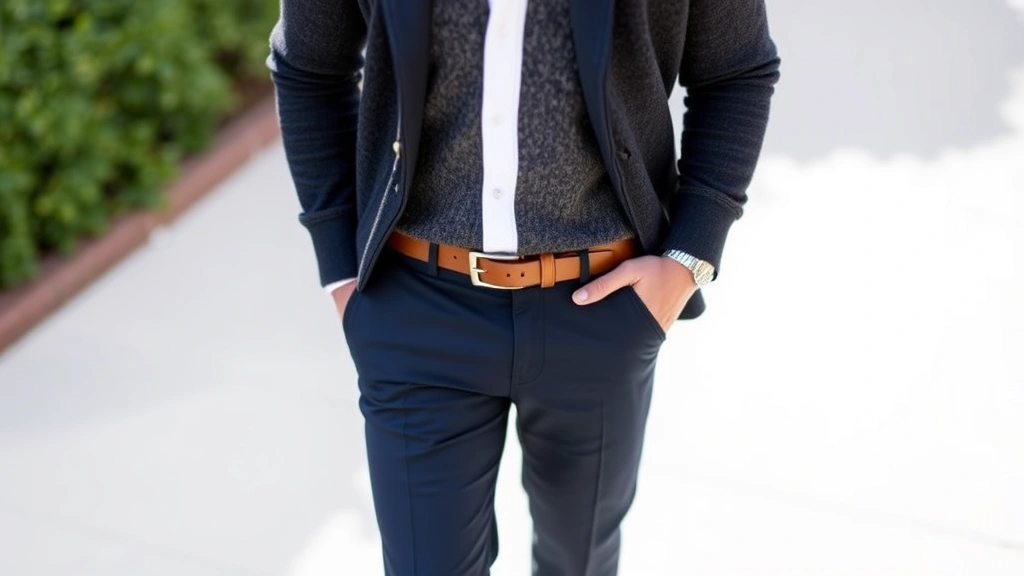
Watches: A quality watch serves both functional and aesthetic purposes. Opt for minimalist designs with clean faces and neutral bands in leather, metal, or fabric. Your watch should feel like a natural extension of your wrist, not a statement piece demanding attention. Analog watches with visible mechanics add visual interest while maintaining understated sophistication.
Belts: When worn, belts should complement your shoes and overall color palette. A brown leather belt pairs with brown shoes; a black belt coordinates with black footwear. Avoid overly ornate buckles or logos that distract from your outfit’s overall cohesion. A quality leather belt becomes a lasting investment that works across numerous outfits.
Bags: A casual canvas or leather messenger bag or backpack serves practical purposes while contributing to your aesthetic. Select neutral colors that coordinate with your primary wardrobe palette. Quality construction ensures longevity and maintains appearance despite regular use. Your bag should feel proportional to your frame—oversized bags overwhelm smaller individuals while tiny bags appear insufficient for larger frames.
Sunglasses: Classic styles in tortoiseshell or metal frames complement most casual outfits. Avoid novelty styles or oversized frames that feel trendy rather than timeless. Quality sunglasses with proper UV protection serve practical purposes while adding polish to warm-weather casual looks.
Hats: Baseball caps, beanies, and casual hats add personality while serving practical purposes. Select styles that complement your face shape and overall aesthetic. Avoid logos or graphics that distract from your outfit’s cohesion. A well-chosen hat feels like an intentional part of your look rather than an afterthought.
The Minimalist Approach: Remember that accessories amplify your overall look rather than creating it. A simple outfit with one or two carefully selected accessories often appears more sophisticated than a basic look buried under numerous additions. Develop your core casual style before experimenting extensively with accessories.
Seasonal Casual Styling
Adapting your casual style across seasons ensures your wardrobe remains relevant and appropriate throughout the year. Rather than completely changing your approach, thoughtful adjustments to fabrics, layering, and colors maintain your personal style while respecting seasonal contexts.
Spring Casual Styling: As temperatures rise, transition to lighter fabrics and brighter neutrals. Cream and light gray tones feel seasonally appropriate while maintaining versatility. Lightweight button-ups in cotton or linen replace heavier pieces. Layering becomes more about visual interest than temperature regulation. Consider how human interactions with environmental changes influence fashion choices—lighter clothing reflects our biological and psychological responses to warming temperatures.
Summer Casual Styling: Summer demands breathable fabrics and strategic color choices. Linen shirts, lightweight cotton t-shirts, and relaxed chinos form the foundation of summer casual wear. Lighter colors—white, cream, pale blue—reflect heat while creating visually refreshing aesthetics. Shorts paired with quality t-shirts and appropriate footwear create effortless summer looks. Texture becomes increasingly important as layering options diminish.
Fall Casual Styling: Autumn invites richer colors and heavier fabrics. Olive green, burgundy, and warm browns complement darker neutrals. Sweaters return as layering staples, and corduroy introduces textural variety. Transitional pieces like cardigans bridge fluctuating temperatures. Fall represents an ideal season for experimenting with warmer color palettes and pattern mixing.
Winter Casual Styling: Winter casual styling emphasizes outerwear and strategic layering. Quality winter coats become focal points, so select neutral colors that coordinate with your existing wardrobe. Heavier sweaters, thermal layers, and structured jackets replace lightweight options. Darker colors dominate winter aesthetics, creating sophisticated, understated appearances. Texture becomes paramount—chunky knits, wool, and structured fabrics add visual interest during months when colors remain muted.
Understanding environmental science principles helps explain why certain fabrics and styles feel appropriate during specific seasons. Temperature, humidity, and daylight hours all influence our clothing choices in ways that extend beyond mere comfort into psychological and social realms.
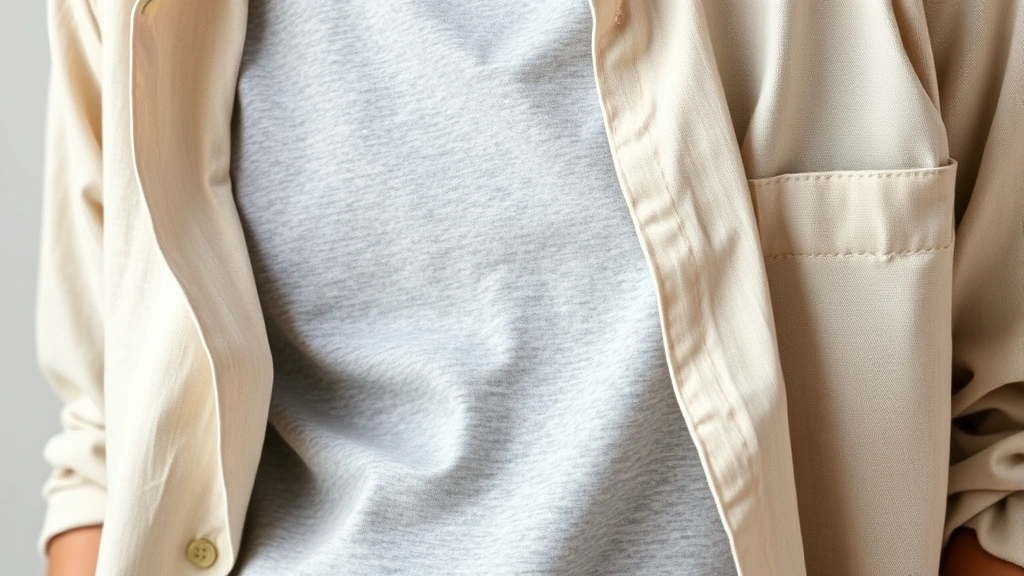
Transitional Pieces: Certain items bridge seasonal gaps beautifully. Lightweight jackets, cardigans, and overshirts work across spring, fall, and even mild winter days. Building a collection of transitional pieces prevents the need for complete wardrobe overhauls when seasons change. These pieces prove invaluable during unpredictable weather periods.
Fabric Weight Considerations: Beyond color, fabric weight dramatically impacts seasonal appropriateness. Summer demands lightweight cotton and linen; winter calls for heavier wool and structured materials. Spring and fall accommodate medium-weight options that transition smoothly between seasons. Understanding how different fabrics perform in various conditions guides your purchasing decisions and ensures year-round wardrobe functionality.
The concept of sustainable seasonal styling aligns with broader environmental awareness. Rather than constantly purchasing new pieces for each season, investing in quality basics that transition across seasons reduces consumption while maintaining style. This approach reflects positive environmental practices through conscious consumer choices.
Regional Considerations: Your geographic location significantly impacts seasonal styling needs. Those in mild climates may skip heavy winter pieces entirely, while northern regions demand substantial insulation. Coastal areas benefit from breathable, salt-resistant fabrics. Desert climates call for sun-protective clothing and lighter colors. Tailor seasonal adjustments to your specific regional context rather than following generic seasonal guidelines.
FAQ
What’s the difference between casual and business casual?
Casual emphasizes comfort and relaxation—jeans, t-shirts, sneakers, and relaxed fits dominate. Business casual introduces slightly more structure: chinos instead of jeans, collared shirts, and closed-toe shoes. Business casual maintains the approachable quality of casual while signaling professional contexts. When in doubt, choosing business casual works better than underdressing in purely casual pieces.
How many basic pieces do I need to build a functional casual wardrobe?
Start with approximately 15-20 core pieces: five quality t-shirts in neutral colors, two button-up shirts, two pairs of jeans, two pairs of chinos, one sweater, one cardigan, and four pairs of shoes covering different occasions. This foundation creates dozens of outfit combinations while remaining manageable. As your wardrobe develops, gradually add pieces that align with your personal style and lifestyle needs.
Should casual men wear patterns and prints?
Absolutely, but with intention. Simple patterns—stripes, subtle checks, small-scale prints—add visual interest without overwhelming your look. Pair patterned pieces with solid neutrals to maintain balance. Avoid multiple patterns in a single outfit unless you’re intentionally creating a bold, fashion-forward aesthetic. Start conservatively with pattern mixing, building confidence as you develop your style sensibility.
How do I know if something fits properly?
Proper fit feels comfortable while maintaining clean lines. You should move freely without excess fabric bunching or fabric pulling tightly across your body. Sleeve length should reach your wrist bone; shirt hems should skim your hips; pants should break slightly on your shoes. When in doubt, ask sales associates or trusted friends for feedback. Proper tailoring can adjust pieces that are close but not perfect.
What’s the best way to build a casual wardrobe on a budget?
Prioritize quality basics over quantity. One excellent t-shirt outperforms three mediocre options. Shop sales strategically, focusing on neutral colors that work across seasons. Invest in versatile pieces that combine easily—dark jeans work with nearly everything. Consider vintage or thrift options for unique pieces at reduced prices. Building a quality wardrobe takes time; resist the urge to rush the process with numerous cheap purchases.
Can older men wear casual style, or is it only for younger people?
Casual style works beautifully across all ages when executed with intention. The principles remain identical—proper fit, quality basics, strategic layering—regardless of age. Older men might emphasize slightly more structure and refined pieces while maintaining the approachable quality of casual wear. Classic styles in neutral colors transcend age, creating timeless, sophisticated looks appropriate for any life stage.
How often should I update my casual wardrobe?
Quality basics remain relevant for years if properly maintained. Rather than replacing entire wardrobes seasonally, thoughtfully add pieces that expand your options or replace worn items. Most well-made pieces should last 3-5 years with proper care. Update your wardrobe based on wear patterns and lifestyle changes rather than arbitrary seasonal schedules. This approach saves money while reducing unnecessary consumption.

Related Posts
Perfect Old Fashioned Donut: Baker’s Secrets
Old Fashioned Chocolate Pie Recipe? Chef’s Favorite