Lolita Fashion Makeup? Expert Tips Included
Lolita Fashion Makeup: Expert Tips Included
Lolita fashion represents one of the most enchanting and meticulously curated style movements to emerge from Japanese street fashion culture. When we talk about lolita fashion dress to impress, the conversation extends far beyond the iconic frilly dresses and petticoats—it encompasses a complete aesthetic experience where makeup plays an absolutely crucial role in bringing the entire look to life. Whether you’re exploring classic Lolita, gothic Lolita, sweet Lolita, or any other substyle, mastering the makeup techniques specific to this fashion movement is essential for creating an authentic and stunning appearance.
The beauty of Lolita fashion makeup lies in its theatrical yet refined approach. Unlike everyday makeup that prioritizes natural enhancement, Lolita makeup embraces a more dramatic, doll-like aesthetic while maintaining elegance and sophistication. This guide will walk you through everything you need to know about creating the perfect Lolita makeup look, from foundational techniques to advanced styling methods that will have you turning heads at any event or coordinate showcase.
Understanding the Lolita Makeup Aesthetic
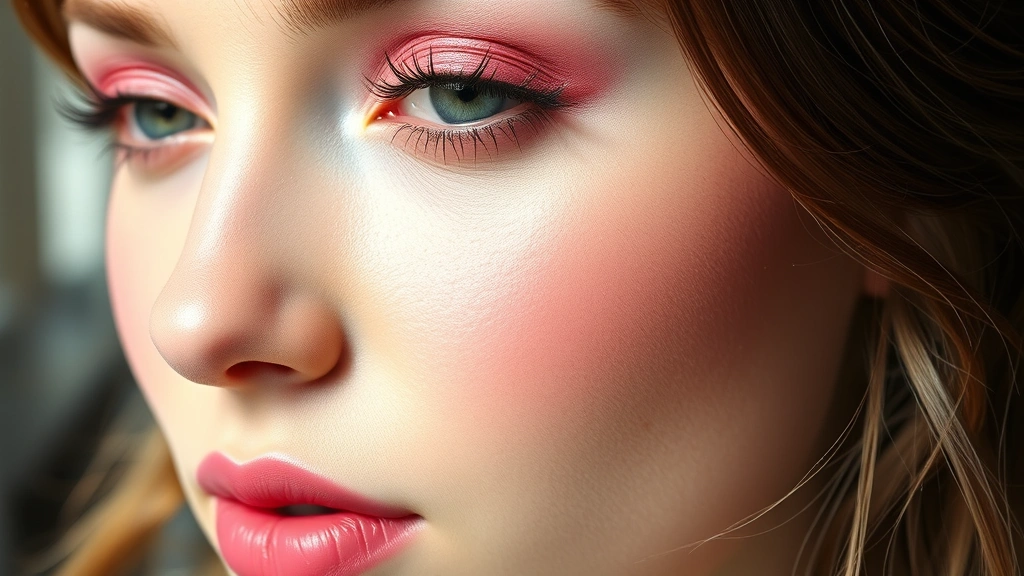
Lolita fashion makeup is fundamentally about creating a porcelain-doll appearance that complements the Victorian-inspired silhouettes and intricate details of the clothing. The aesthetic draws inspiration from vintage European beauty standards, combined with contemporary Japanese makeup artistry. The key characteristics include a flawless, pale complexion, large expressive eyes with defined lids, subtle yet present blush placed high on the cheekbones, and carefully chosen lip colors that harmonize with your chosen substyle.
The philosophy behind Lolita makeup emphasizes balance and harmony. While the eyes are typically more dramatic than in everyday makeup, they maintain a sense of innocence and refinement rather than appearing overly bold or aggressive. The complexion should appear smooth and almost porcelain-like, creating that signature doll-like quality that defines the aesthetic. This isn’t about heavy makeup application—it’s about strategic placement and color selection that creates visual cohesion with your entire coordinate.
Understanding your face shape and features is crucial before diving into Lolita makeup. The techniques we’ll discuss can be adapted to flatter different face shapes, eye shapes, and skin tones. Many people assume Lolita makeup only works for certain appearances, but skilled makeup application can enhance and celebrate diverse beauty while maintaining authentic Lolita aesthetics.
Foundation and Base Preparation
A flawless base is absolutely fundamental to achieving that coveted porcelain-doll complexion essential to Lolita fashion. Begin with a thorough skincare routine—cleanse, tone, and moisturize your skin before applying any makeup. This creates a smooth canvas and ensures better makeup adhesion throughout the day. Proper skin preparation can significantly impact how your entire makeup look develops and how long it lasts.
For primer selection, choose products that provide a smoothing effect and help create that porcelain finish. Many Lolita fashion enthusiasts prefer primers with a silicone or hydrating base, depending on their skin type. Apply primer evenly across the entire face, paying special attention to areas where makeup tends to break down, such as the T-zone and around the eyes.
When selecting foundation, aim for a shade that matches your skin tone exactly or is one shade lighter—this contributes to the pale, doll-like appearance characteristic of Lolita makeup. Full-coverage foundations work best for creating that flawless finish. Apply foundation using a damp beauty sponge in gentle bouncing motions, ensuring even coverage without streaking. Build coverage gradually in areas that need more attention, such as around the nose and chin.
Concealer application should focus on brightening the under-eye area and correcting any blemishes or redness. Use a concealer one shade lighter than your foundation for the under-eye area to create that wide-awake, innocent expression central to the Lolita aesthetic. Set your base with a finely-milled translucent powder, using a fluffy brush to apply it lightly—heavy powder application can create a cake-like appearance that contradicts the refined nature of Lolita makeup.
Creating Doll-Like Eyes
The eyes are undoubtedly the focal point of Lolita makeup, and creating that distinctive doll-like appearance requires understanding proper eyeshadow placement and technique. Begin by applying an eyeshadow primer to your eyelids—this prevents creasing and ensures your eyeshadow stays vibrant throughout the day. Many Lolita makeup artists recommend investing in a quality primer specifically designed for eyeshadows.
For eyeshadow selection, consider your Lolita substyle. Sweet Lolita often features pastel eyeshadow palettes with pinks, purples, and light blues, while classic and gothic Lolita typically employ more muted, sophisticated tones like browns, blacks, golds, and deep jewel tones. Beauty Professionals International provides excellent resources on eyeshadow color theory and application techniques applicable to Lolita makeup.
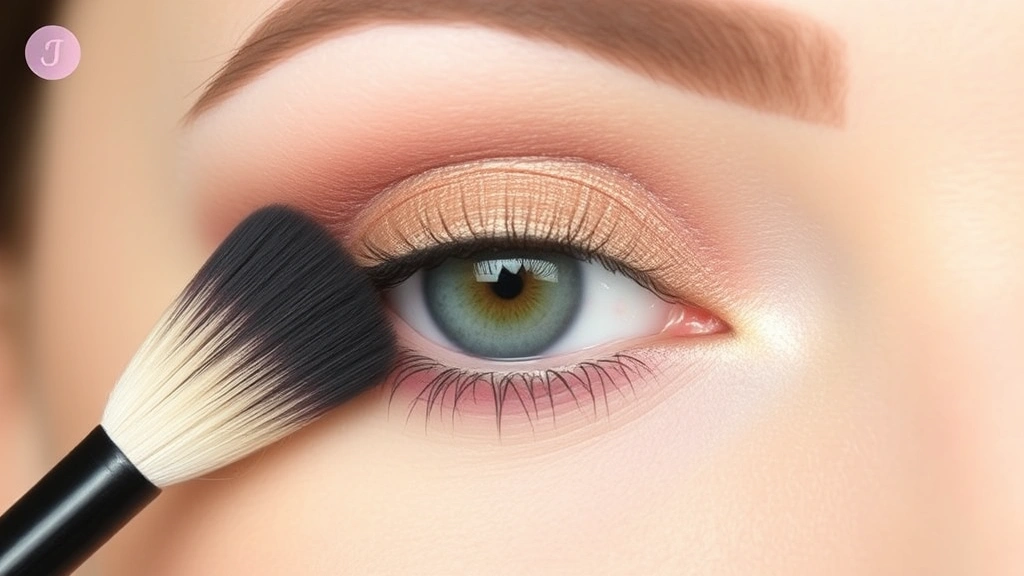
Apply a light, neutral shade across your entire eyelid as a base. Then, apply a slightly darker shade to your crease, blending upward with a fluffy blending brush. The key is creating definition without harsh lines—the blending should be seamless and soft. Apply your chosen accent color to the lid itself, typically a shade that complements your substyle. Many Lolita looks feature a subtle shimmer or sheen on the lid for that doll-like luminosity.
Eyeliner application is crucial for the Lolita aesthetic. A thin, precise line along the upper lash line defines the eye without appearing heavy. Many practitioners use brown or black eyeliner depending on their substyle and skin tone. For added dimension, apply a slightly thicker line at the outer corner of the eye, creating a subtle cat-eye effect. The lower lash line can be gently lined with a light brown or nude eyeliner to brighten the eye, or you can skip this step entirely for a cleaner appearance.
False eyelashes or mascara application completes the eye look. False lashes create that dramatic, doll-like eye opening characteristic of Lolita fashion. Choose lashes with a natural to moderate volume—extremely dramatic lashes can overwhelm the refined aesthetic. Apply mascara to upper lashes if you’re not wearing false lashes, focusing on the center and outer lashes to open up the eye. Lower lash mascara should be applied sparingly to maintain that innocent, wide-eyed expression.
Eyebrow Styling for Lolita Fashion
Eyebrows in Lolita fashion should appear soft, defined, and somewhat delicate without appearing thin or over-plucked. The ideal Lolita eyebrow has a gentle arch that complements the eye shape and facial structure. Begin by brushing your brows upward with a spoolie, then fill in sparse areas with an eyebrow product that matches your natural brow color or is one shade darker.
Many Lolita fashion enthusiasts prefer eyebrow products with a slightly warmer undertone than their hair color, as this creates a softer appearance. Eyebrow pencils, powders, and pomades all work well—choose based on your preference for precision and longevity. Apply your chosen product in short, hair-like strokes following the natural growth pattern of your brows. Avoid creating harsh, blocky brows; instead, aim for a natural-looking fullness that frames the eye beautifully.
Setting your eyebrows with a clear or tinted brow gel ensures they maintain their shape throughout the day. This is particularly important if you’re attending an event where you’ll be photographed or spending extended time in your coordinate. The finished eyebrow should look natural yet polished, supporting rather than dominating the overall makeup composition.
Blush and Contouring Techniques
Blush placement is absolutely essential in Lolita makeup, as it contributes significantly to that youthful, doll-like appearance. Apply blush to the apples of your cheeks—the fleshy part that rounds out when you smile—placing it slightly higher and toward the temples than everyday makeup application. This creates the characteristic round, innocent cheek appearance associated with Lolita fashion.
For sweet Lolita, choose blush colors in soft pinks, peaches, and corals. Classic and gothic Lolita can incorporate deeper rose tones, berries, or even subtle mauve shades. The key is selecting a color that appears natural yet slightly more saturated than your natural flush. Many Lolita makeup artists blend two complementary blush shades—a lighter shade on top of a slightly deeper one—to create dimension and depth.
Contouring in Lolita makeup should be subtle and refined. Rather than dramatic sculpting, use a warm, matte bronzer or contour shade to gently define the hollows of your cheeks, sides of your nose, and jawline. Apply these products with a light hand, blending thoroughly to avoid any visible lines. The goal is creating subtle definition that enhances your natural features rather than dramatically reshaping your face.
Highlighting can add luminosity to the porcelain-doll complexion. Apply a subtle highlight to the high points of your face—the tops of cheekbones, bridge of nose, cupid’s bow, and inner corners of eyes. Choose a highlight with a soft, natural finish rather than an extremely glittery one. This creates that porcelain sheen characteristic of Lolita makeup without appearing overly shiny or artificial.
Lip Color Selection and Application
Lip color choice significantly impacts your overall Lolita coordinate and should harmonize with both your makeup and clothing. Sweet Lolita typically features soft pink, coral, or berry lip colors that complement pastel eyeshadow and blush tones. Derma Health Magazine discusses how undertones in lip products affect overall makeup harmony, which applies directly to Lolita aesthetic creation.
Classic Lolita often incorporates deeper rose, mauve, or even subtle red tones that echo Victorian elegance. Gothic Lolita may feature dark berry, plum, or classic red lips—colors that create dramatic contrast with pale complexion and dark clothing. Regardless of substyle, ensure your lip color complements your undertones and doesn’t clash with your eyeshadow or blush choices.
Lip application should be precise and intentional. Begin by outlining your lips with a lip liner slightly darker than your chosen lipstick, following your natural lip shape. This creates definition without appearing overdone. Fill in your lips with lipstick, applying in even strokes. For a more polished appearance, apply concealer around the lip line before lipstick—this creates crisp edges and prevents color from feathering.
Lip finish selection affects the overall aesthetic. Matte lipsticks create a sophisticated, refined appearance, while satin and cream finishes offer comfort and a slightly more dimensional look. Many Lolita enthusiasts prefer cream or satin finishes for their wearability throughout long events. Glossy finishes work less frequently in traditional Lolita makeup, as they can appear too casual or trendy for the refined aesthetic.
Lolita Substyle Specific Makeup
Different Lolita substyles call for distinct makeup approaches. Sweet Lolita makeup emphasizes soft, pastel colors and an innocent, youthful appearance. Think pale pink eyeshadow, rosy blush, and coral or soft pink lips. The overall effect should appear delicate and feminine, with emphasis on creating that wide-eyed, doll-like expression through strategic eyeshadow placement and false lash application.
Classic Lolita makeup incorporates more sophisticated, refined tones while maintaining the doll-like quality. Warm browns, golds, and muted jewel tones work beautifully for eyeshadow. Blush appears more subtle than in sweet Lolita, and lip colors tend toward deeper roses or mauves. The overall aesthetic appears more mature and elegant while remaining distinctly Lolita.
Gothic Lolita makeup embraces darker, more dramatic elements. Black, deep purple, and charcoal eyeshadow create a sophisticated, mysterious appearance. Blush remains important—it prevents the look from appearing overly harsh—but can be applied with slightly more intensity. Deep berry, plum, or classic red lips complete the gothic aesthetic. This substyle allows for more creative experimentation while maintaining core Lolita principles.
Hime Lolita, a substyle emphasizing princess-like elegance, features refined makeup with emphasis on creating height and dimension. Eyeshadow application might include more dramatic blending and shimmer. Hime makeup often incorporates bolder lip colors and more prominent blush application while maintaining the refined, polished quality essential to the style.
Setting and Longevity Tips
After completing your makeup application, proper setting ensures your look lasts throughout your entire event. Begin by applying a setting spray—choose one formulated to provide longevity without making skin appear overly matte or dewy. Spray in an X pattern across your face, then an inverted T pattern, holding the bottle about six inches from your face.
For added longevity, especially around the eyes, consider using an eyeshadow setting spray before applying eyeshadow primer. This creates multiple layers of protection that keep your eyeshadow vibrant and crease-free. International Journal of Cosmetic Science publishes research on makeup longevity and product interactions valuable for understanding how to optimize your Lolita makeup application.
Touch-up supplies should accompany you throughout your event. Carry blotting papers for managing any excess shine, a small mirror, your blush and lip color, and mascara. Many Lolita fashion enthusiasts keep makeup touch-up items in their coordinate bags for quick refreshes. A small powder compact allows for subtle midday adjustments without requiring complete reapplication.
Environmental factors affect makeup longevity. If you’re attending an outdoor event, consider using a higher SPF setting spray or foundation to protect your skin while maintaining your look. Indoor events with controlled temperature and humidity typically allow for easier makeup maintenance. Planning ahead and understanding your event environment helps you select appropriate products and techniques for optimal results.
Makeup removal is equally important as application. Use a gentle makeup remover appropriate for your skin type, followed by thorough cleansing and skincare. Proper removal prevents skin irritation and maintains skin health for your next Lolita coordinate application. Many enthusiasts use oil-based or micellar water cleansers that effectively remove even long-wearing makeup without harsh scrubbing.
FAQ
What’s the best foundation shade for Lolita makeup?
Choose a foundation matching your exact skin tone or one shade lighter to achieve that characteristic pale, porcelain-doll complexion. Test shades in natural lighting to ensure accurate color matching. Many Lolita enthusiasts find that foundations with slightly warmer undertones complement the aesthetic better than extremely cool-toned options, though this varies by individual coloring and substyle.
Can I wear Lolita makeup with different eye shapes?
Absolutely! Lolita makeup techniques can be adapted for any eye shape. Those with hooded eyes might focus more on the mobile lid area and use slightly thicker eyeliner for definition. Monolid eyes can benefit from eyeshadow placement that creates the illusion of a crease. Deep-set eyes might use lighter eyeshadow shades to bring eyes forward. The core principles of the aesthetic remain consistent regardless of eye shape.
Is Lolita makeup only for pale skin tones?
While Lolita makeup traditionally emphasizes a pale complexion, this doesn’t mean individuals with deeper skin tones cannot wear Lolita makeup beautifully. The aesthetic principles—doll-like quality, refined blush placement, defined eyes—work across all skin tones. Select foundation shades that match your skin, and choose eyeshadow and blush colors that complement your undertones while maintaining the refined, sophisticated Lolita aesthetic.
How long does it take to apply Lolita makeup?
Lolita makeup application typically takes 45 minutes to an hour for someone developing their technique. As you become more skilled and familiar with your preferred products and methods, application time decreases to 30-40 minutes. Complex looks with multiple eyeshadow shades and detailed blending might require additional time. Practice and familiarity with your products significantly impact application speed.
What products do you recommend for Lolita makeup beginners?
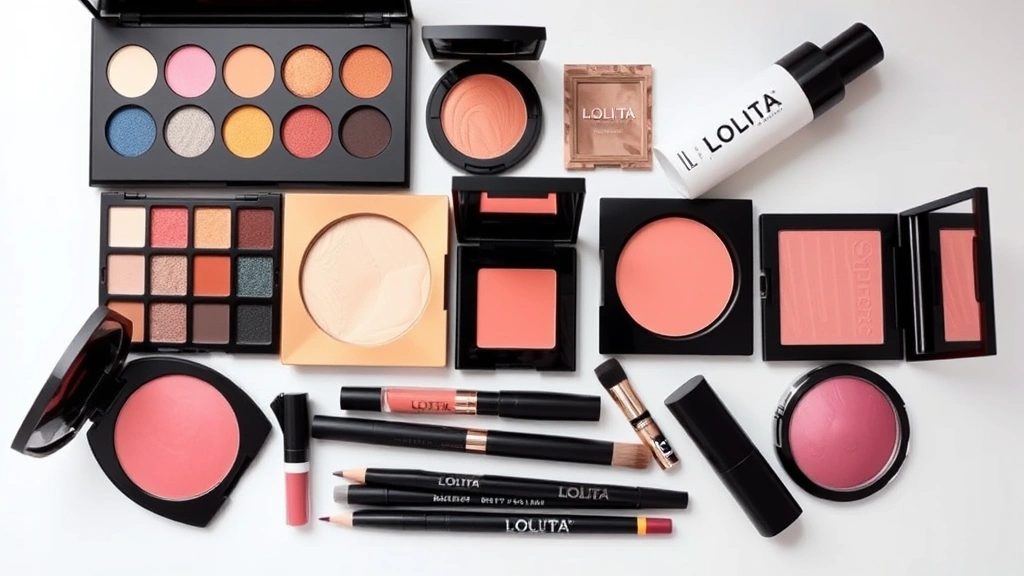
Start with quality basics: a good foundation, eyeshadow primer, a neutral eyeshadow palette, black eyeliner, mascara, blush, and a lip color matching your chosen substyle. Beauty Gurus makeup tutorial database offers excellent product recommendations and application demonstrations specifically for Lolita fashion aesthetics. Invest in tools—brushes and sponges significantly impact application quality and ease.
Can I adapt Lolita makeup for everyday wear?
Definitely! Create a simplified version by reducing eyeshadow shades to one or two, applying less blush, and choosing more neutral lip colors. Skip false lashes and apply mascara more subtly. This maintains core Lolita principles—the porcelain complexion, defined eyes, and refined blush placement—while creating a more wearable everyday look. Many Lolita enthusiasts develop both full and simplified makeup techniques for different occasions.
How do I make my Lolita makeup last all day?
Use quality primers for both face and eyes, apply setting spray between base and eyeshadow, and finish with a final setting spray. Choose long-wearing formulas for eyeshadow, eyeliner, and lip color. Carry touch-up supplies including blotting papers, blush, and lip color. Avoid touching your face throughout the day, and plan touch-ups before photographs or important moments. Proper preparation with primers and setting products makes the biggest difference in longevity.

Related Posts
Perfect Old Fashioned Donut: Baker’s Secrets
Old Fashioned Chocolate Pie Recipe? Chef’s Favorite