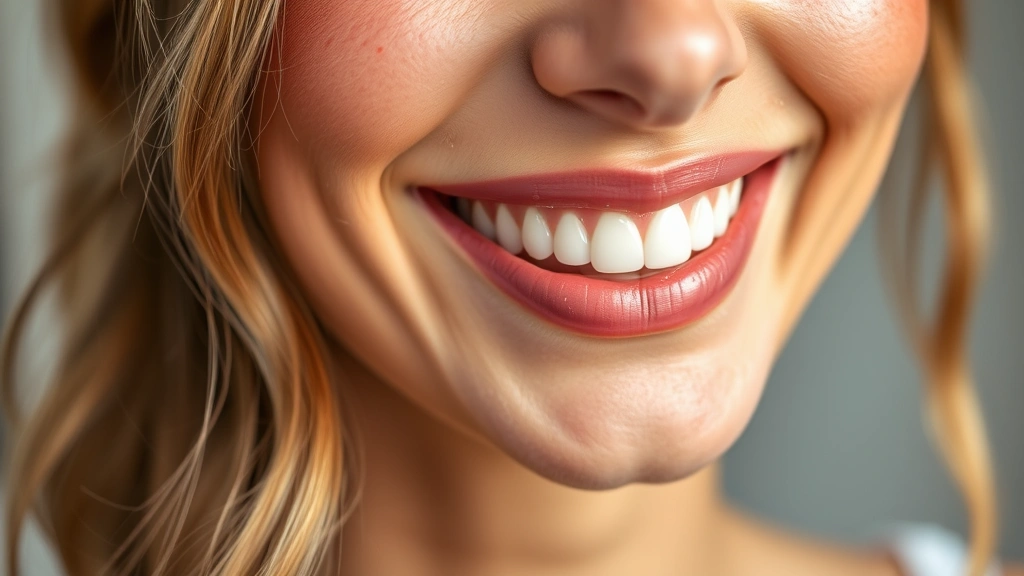
Best Blush Shades? Expert Picks for Every Skin Tone
Best Blush Shades? Expert Picks for Every Skin Tone
Finding the perfect blush shade is like discovering your signature scent—it transforms your entire makeup look and boosts your confidence instantly. Whether you’re fair-skinned, deep-toned, or anywhere in between, the right blush can enhance your natural complexion, add dimension to your face, and create that coveted healthy glow. But with thousands of options available, how do you know which shades will actually work for you?
In this comprehensive guide, we’re breaking down the best blush shades for every skin tone, undertone, and preference. We’ve consulted with professional makeup artists, dermatologists, and beauty chemists to bring you expert-backed recommendations that go beyond generic color theory. You’ll discover why certain pigments complement specific complexions, learn application techniques that maximize your blush investment, and find out which formulas deliver the most beautiful, long-lasting results.
Whether you prefer powder, cream, or liquid formulas, matte finishes or shimmering glows, this guide covers everything you need to make informed choices about your blush collection. Let’s dive into the science and art of selecting the perfect flush for your unique beauty.
Understanding Your Undertone: The Foundation of Blush Selection
Before you purchase a single blush, you need to understand your skin’s undertone. This is the subtle hue beneath your skin’s surface, and it’s absolutely crucial for choosing flattering colors. Many people confuse skin tone (how light or dark your skin is) with undertone (the underlying color cast), but they’re completely different things.
There are three main undertones: warm, cool, and neutral. Warm undertones have golden, peachy, or yellow hues. If you have warm undertones, veins on your wrist appear greenish, and you look better in gold jewelry. Cool undertones feature pink, red, or blue hues. Cool-toned individuals typically have veins that appear blue or purple and prefer silver jewelry. Neutral undertones are a balanced mix of warm and cool, offering flexibility with most colors.
To determine your undertone, examine your wrist veins in natural light. You can also consider how your skin reacts to sun exposure. Warm-toned skin tends to tan easily, while cool-toned skin may burn more readily. Another trick: hold a white piece of paper next to your face. If your skin looks yellow or golden next to it, you’re warm-toned. If you appear pink or rosy, you’re cool-toned.
Understanding undertones helps explain why certain blush shades look absolutely gorgeous on your best friend but muddy on you. A coral blush that looks stunning on someone with warm undertones might clash with cool undertones. This knowledge transforms your entire approach to makeup shopping and ensures every blush you buy becomes a cherished favorite.
Best Blush Shades for Fair Skin Tones
Fair skin has incredible versatility when it comes to blush selection. The key is choosing shades with enough pigmentation to show up against your skin without looking unnatural or overdone. Fair-skinned individuals should avoid very pale or washed-out blush colors, as these won’t create the desired flush effect.
For Warm-Toned Fair Skin: Peach, warm coral, apricot, and warm pink shades are your best friends. These colors complement golden undertones beautifully and create a sun-kissed, youthful appearance. Brands like Temptalia frequently highlight warm coral blushes as top picks for this category. Look for shades with subtle warmth—think terracotta-inspired hues or peachy-pinks that evoke a natural flush. Warm bronzers can also work wonderfully as contour blush combinations for fair warm skin.
For Cool-Toned Fair Skin: Berry, mauve, cool pink, and dusty rose shades create a sophisticated, flattering look. Cool undertones pair beautifully with colors containing blue or red pigments. Rose gold and cool-toned shimmer finishes add dimension without overwhelming your complexion. If you prefer matte finishes, dusty mauve and cool berry shades offer elegant, timeless options.
For Neutral Fair Skin: You’re fortunate because nearly every blush shade can work for you. However, you’ll find that true rose, soft coral, and balanced pink shades are particularly flattering. These colors sit perfectly between warm and cool, creating a universally pleasing effect on neutral undertones.
Application is especially important for fair skin. Use a light hand and build color gradually. A fluffy blush brush helps distribute pigment evenly and prevents harsh lines. Many fair-skinned makeup enthusiasts find that cream blushes offer more control and a more natural-looking flush than powders, though both can work beautifully with proper technique.
Medium Skin Tone: The Versatile Canvas
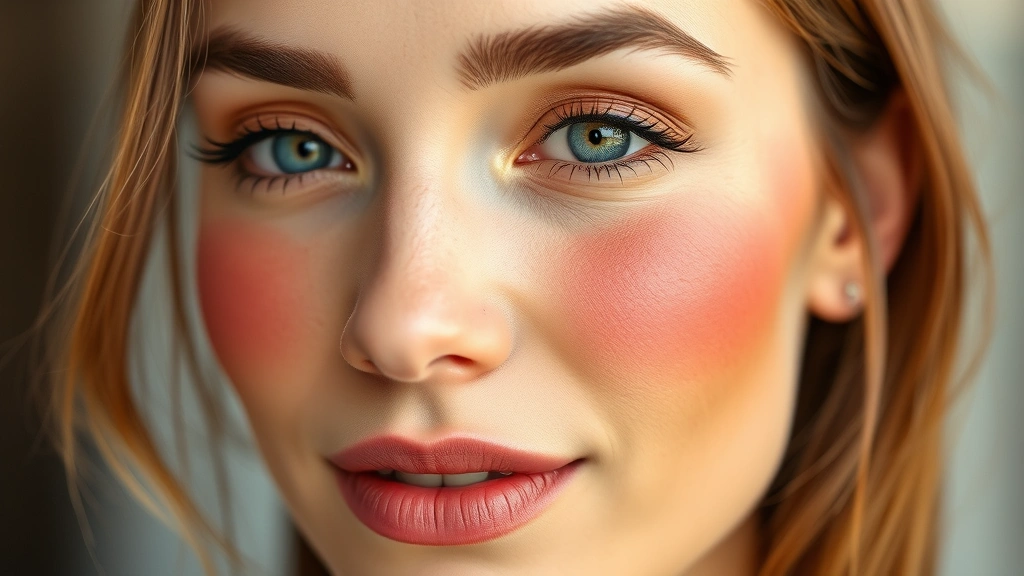
Medium skin tones offer remarkable versatility in blush selection. This category encompasses a wide range of undertones and depths, so understanding your specific undertone becomes even more important. Medium skin can pull off nearly every blush color imaginable, from soft pastels to bold jewel tones.
For Warm-Toned Medium Skin: Warm terracotta, burnt orange, warm peach, and caramel-tinted blushes create stunning, natural-looking flushes. These shades enhance the golden quality of warm undertones and create a luminous, healthy appearance. Warm bronze-blush hybrids work exceptionally well for medium warm skin, offering both color and subtle contouring.
For Cool-Toned Medium Skin: Plum, cool berry, mauve, and cool-toned pinks are absolutely gorgeous. Deeper cool shades like wine and eggplant can add drama and sophistication. Many professional makeup artists recommend cooler blushes for medium cool-toned skin because they create striking dimension and enhance natural undertones without appearing muddy.
For Neutral Medium Skin: True reds, balanced corals, and warm roses all work beautifully. You can experiment with both warm and cool palettes, making medium neutral skin incredibly fun for blush shopping. Don’t be afraid to try bold, saturated colors—medium skin often serves as a perfect backdrop for statement blush shades.
The Beauty Professionals Association notes that medium skin tones benefit particularly from blushes with subtle shimmer or satin finishes, which add dimension and prevent the color from appearing flat. Layering different blush shades—a deeper shade for dimension and a lighter shade for glow—works beautifully on medium skin.
Deep and Dark Skin Tones: Bold and Beautiful
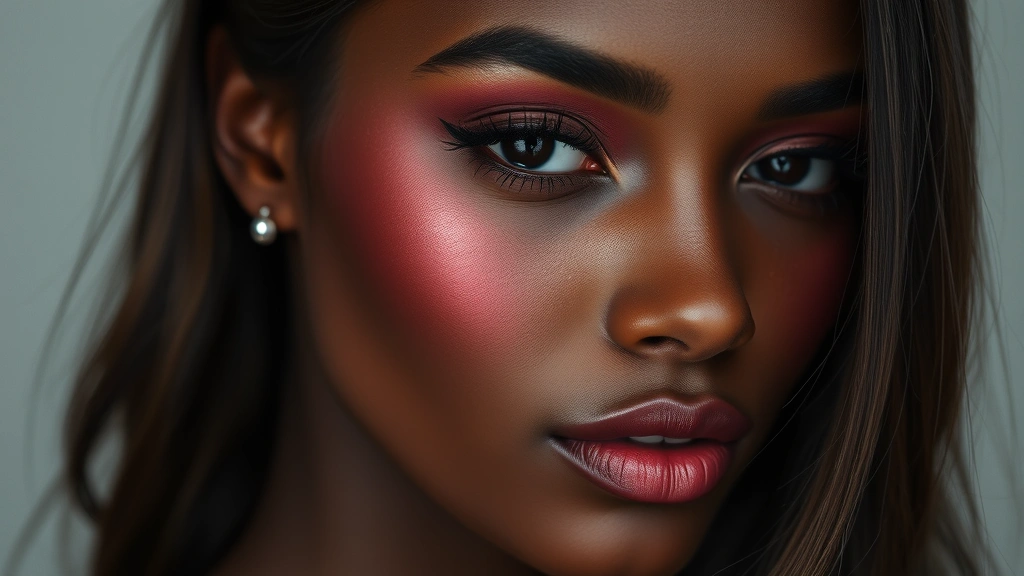
Deep and dark skin tones are absolutely stunning with blush, and this is where you can really play with bold, saturated colors. The key is choosing shades with enough pigmentation and depth to show up vibrantly against darker skin without appearing ashy or washed out.
For Warm-Toned Deep Skin: Rich terracotta, warm rust, deep coral, and warm burgundy shades are magnificent. These colors have enough pigmentation to create visible flush while honoring warm undertones. Warm bronzed blush shades add both color and dimension. Don’t shy away from warm reds and warm magentas—deep warm skin can handle saturated, bold colors beautifully.
For Cool-Toned Deep Skin: Deep plum, wine, cool burgundy, cool magenta, and cool berry shades are absolutely stunning. Cool-toned deep skin provides a perfect canvas for jewel-toned blushes that might overwhelm lighter complexions. Rich, saturated colors with cool undertones create drama and sophistication. Deep cool reds and cool-toned pinks also work beautifully.
For Neutral Deep Skin: You have access to the entire blush spectrum. Bold reds, deep corals, rich berries, and saturated pinks all work. Many people with neutral deep skin prefer slightly deeper, more saturated versions of colors they love, ensuring visible pigmentation and maximum impact.
Professional makeup artists emphasize that deep skin tones should never settle for sheer or barely-there blush formulas. Look for highly pigmented options with good color payoff. Cream blushes often work exceptionally well because they blend beautifully and provide excellent color intensity. Powder blushes work too, but ensure they’re specifically formulated with deep skin in mind and contain enough pigment.
The American Academy of Dermatology recommends that all skin tones, especially deeper complexions, prioritize blushes that complement natural undertones rather than fighting against them. This ensures the most flattering, harmonious results.
Blush Formulas Explained: Powder, Cream, and Liquid
Beyond color selection, the formula you choose dramatically impacts how your blush looks and performs throughout the day. Each formula offers distinct advantages, and the best choice depends on your skin type, desired finish, and lifestyle.
Powder Blushes: These are the most popular and versatile option. Powder blushes offer excellent color payoff, blend easily, and work on most skin types. They’re easy to apply, portable, and long-lasting. Pressed powder blushes are particularly durable and convenient for touch-ups. However, powder can sometimes emphasize texture or dryness on certain skin types. Look for finely-milled powders that feel silky and apply smoothly without looking patchy.
Cream Blushes: Cream formulas provide a natural, dewy finish that many makeup artists prefer. They blend seamlessly into skin, creating a flush that looks like it’s coming from within. Cream blushes work beautifully on all skin types and are particularly flattering on mature or dry skin. The downside? They can be trickier to apply and may require blending with fingers or damp brushes. Cream blushes also tend to be pricier than powder alternatives.
Liquid Blushes: These lightweight formulas offer buildable color and a luminous finish. Liquid blushes are perfect for those who want a modern, barely-there glow or a bold statement depending on application. They’re excellent for sensitive skin and work well under foundation. However, they require quick blending and can be challenging for beginners. Liquid blushes are ideal for creating that trending fresh, dewy aesthetic.
Combination approaches work wonderfully too. Many makeup professionals layer cream blush for a natural base flush, then add powder blush for dimension and longevity. This technique maximizes the benefits of both formulas and creates a sophisticated, multi-dimensional flush.
Expert Application Techniques for Flawless Blush
Even the most beautiful blush shade won’t look good if application technique is lacking. Professional makeup artists use specific methods to ensure blush enhances rather than overwhelms the face.
Finding Your Placement: The classic placement is the apples of your cheeks. Smile widely and apply blush to the highest point of the apples, blending upward and slightly back toward the temples. However, placement should vary based on face shape. Round faces benefit from placement slightly higher and more toward the temples (this creates a lifting effect). Oblong faces look better with blush placed more centrally on the apples. Square faces benefit from rounded, circular application on the apples to soften angles.
Brush Selection: A fluffy, dome-shaped brush is ideal for most applications. The size should be proportional to your face—smaller brushes for precise placement, larger brushes for diffused application. Natural hair brushes pick up powder blush better, while synthetic brushes work well with cream formulas. Quality matters; invest in brushes that don’t shed and blend color seamlessly.
Building Color Gradually: Start with a light hand and build color slowly. It’s easier to add more blush than remove excess. Tap off excess powder from your brush before applying, then use light, circular motions to blend. This prevents harsh lines and creates a natural flush.
Blending Techniques: Blend upward and slightly back toward the temples, following your natural bone structure. Avoid applying blush too close to the nose or too far back toward the ears. For cream blushes, use a damp beauty sponge or your fingertips to blend gently. The warmth of your fingers helps cream formulas meld seamlessly into skin.
Undertone Coordination: Always apply blush in the same direction and with consistent pressure for even color distribution. Consider applying a light, shimmery highlight just above your blush for added dimension and a more youthful appearance.
Professional makeup artists from The Makeup Artists and Hair Stylists Guild emphasize that less is more. A subtle, natural flush always looks more sophisticated than an obvious, heavy application. Build gradually and step back frequently to assess your progress.
FAQ
How do I know if a blush shade will suit me before buying?
Request a sample or swatch at the beauty counter and test it on your cheekbone in natural light. Many brands offer sample sizes or return policies. You can also check online swatches on various skin tones through beauty blogs and YouTube. Reading reviews from people with similar skin tones to yours provides invaluable insights.
Can I wear blush if I have sensitive or reactive skin?
Absolutely. Look for hypoallergenic, fragrance-free formulas from brands specializing in sensitive skin. Cream blushes often irritate less than powders. Always patch-test new products on a small area first. Consult dermatologists if you experience persistent reactions—they can recommend specific formulas or ingredients to avoid.
What’s the difference between blush and bronzer?
Blush adds color and flush to the cheeks, typically in warm, pink, or berry tones. Bronzer is darker and warmer, used for contouring and creating the appearance of sun-kissed skin. Blush goes on the apples of cheeks; bronzer is applied to hollows and the perimeter of the face. Some products blur these lines, offering hybrid formulas that do both.
How long should blush last throughout the day?
Quality blush should last 6-8 hours with proper application and a good primer. Using a color-correcting primer before blush helps extend wear time and ensures even application. Setting spray can also help lock blush in place. Cream formulas typically last slightly longer than powders on most skin types.
Should I match my blush to my lipstick?
Not necessarily. While coordinating can create a cohesive look, blush and lipstick don’t need to match. Many makeup artists recommend choosing blush based on skin tone and undertone, then selecting lipstick independently. However, ensuring both products complement your undertones creates harmony. Experiment to find combinations that feel right for you.
Can I use the same blush shade year-round?
Yes, but many beauty enthusiasts enjoy seasonal variations. Warmer, deeper shades suit fall and winter, while lighter, fresher tones work beautifully in spring and summer. However, if you find a shade that makes you feel confident and beautiful, wear it whenever you like. Personal preference always trumps seasonal “rules.”
What’s the best blush for mature skin?
Cream blushes and liquid formulas work beautifully on mature skin, as they don’t emphasize texture or fine lines. Choose shades that complement your undertones—warm peaches and roses for warm skin, cool berries and mauves for cool skin. Apply with a damp sponge for seamless blending. Avoid overly matte finishes; satin or subtle shimmer adds radiance and youthfulness.

Related Posts

Perfect Old Fashioned Donut: Baker’s Secrets
Old Fashioned Chocolate Pie Recipe? Chef’s Favorite