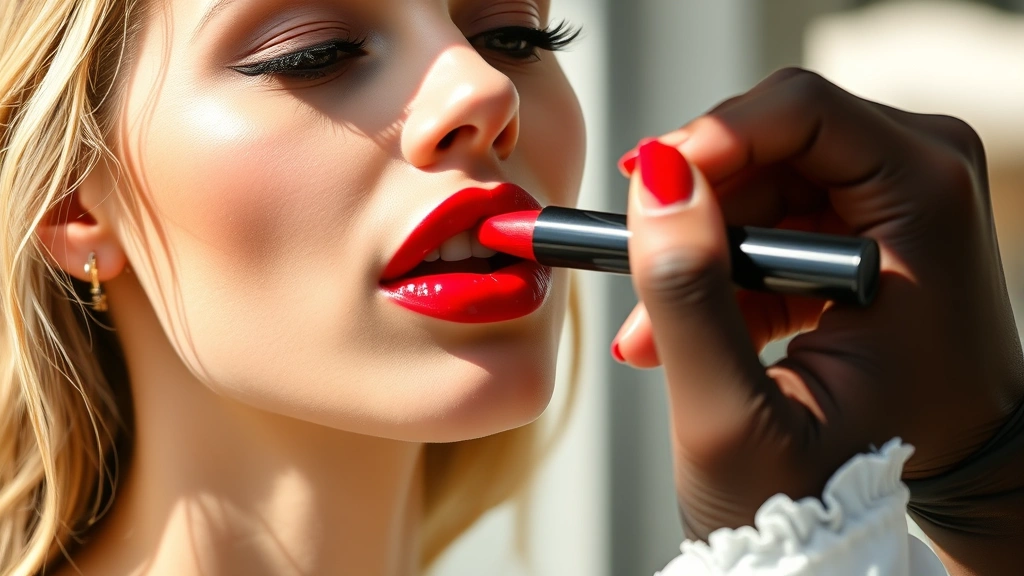
Best Lipstick Shades? Beauty Experts Decide
Best Lipstick Shades? Beauty Experts Decide
Finding the perfect lipstick shade can feel like an overwhelming task when you’re standing in front of hundreds of options at the beauty counter. Whether you’re searching for that universally flattering nude or a bold statement red, the right lipstick can transform your entire look and boost your confidence. We’ve consulted with professional makeup artists, beauty editors, and cosmetic chemists to bring you the definitive guide on the best lipstick shades for every skin tone, occasion, and personal style.
The beauty industry has evolved tremendously in recent years, with lipstick formulations becoming more sophisticated and shade ranges expanding to include options for everyone. From long-wearing mattes to glossy finishes, from classic reds to trendy berry tones, understanding what works best for you requires knowledge about undertones, skin type, and personal preference. This comprehensive guide will help you navigate the world of lipstick with expert insights and practical recommendations that actually work.
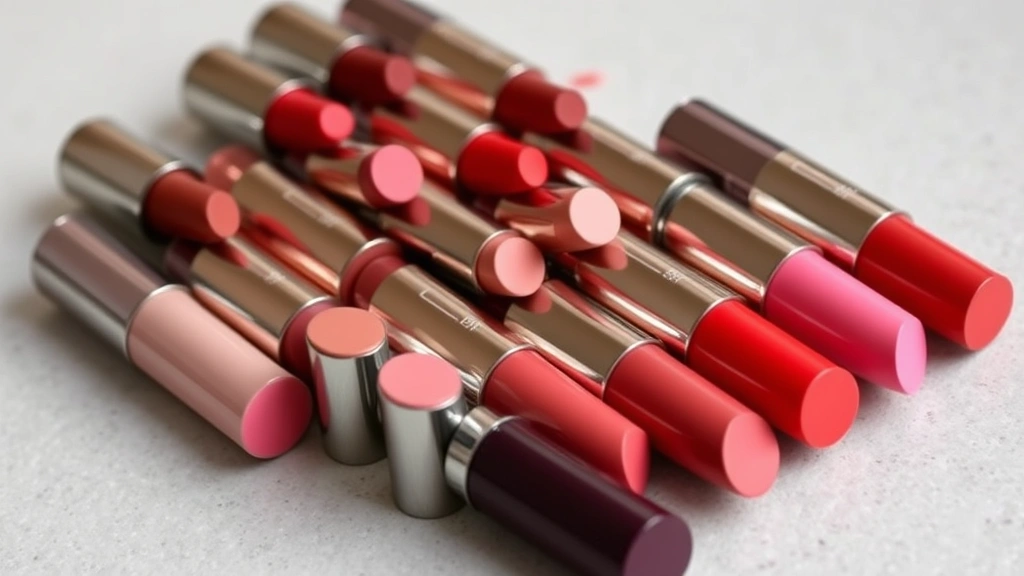
Understanding Your Undertone
Before diving into specific shade recommendations, it’s crucial to understand your skin’s undertone, as this is the foundation of finding flattering lipstick colors. Your undertone refers to the subtle hue beneath your skin’s surface and remains constant regardless of whether your skin is fair, medium, or deep. There are three primary undertone categories: warm, cool, and neutral, and identifying yours will revolutionize how you shop for makeup.
To determine your undertone, examine the veins on your wrist in natural daylight. If they appear greenish, you likely have warm undertones. If they look blue or purple, you have cool undertones. If you see a mix of both colors, congratulations—you have neutral undertones, which gives you the most flexibility when choosing lipstick shades. Additionally, consider how your skin reacts to sun exposure. People with warm undertones tend to tan easily and develop golden hues, while those with cool undertones may develop pink or red tones when exposed to the sun.
Another helpful method involves testing jewelry. Hold up both gold and silver jewelry to your face and see which metal complements your complexion better. Gold typically suits warm undertones, while silver flatters cool undertones. Understanding this foundational aspect of your coloring means you’ll waste less money on lipsticks that don’t work for you and invest in shades that truly enhance your natural beauty. This principle applies whether you’re exploring our blog for beauty insights or consulting with professional makeup artists.
Classic Red Lipsticks for Every Skin Tone
Red lipstick is the ultimate power move in beauty, but not all reds are created equal. The key to finding your perfect red lies in understanding which undertones complement your specific complexion. Beauty experts agree that there’s a red for everyone; you just need to know where to look.
For warm undertones, experts recommend true reds with orange or golden undertones. Brick reds, tomato reds, and warm scarlet shades create a harmonious balance with warm skin. These reds evoke classic Hollywood glamour and work beautifully for both everyday wear and special occasions. According to Allure Magazine’s beauty experts, warm reds are particularly flattering on those with olive, golden, or warm brown skin tones.
Those with cool undertones should gravitate toward blue-based reds. Burgundy reds, wine-tinged reds, and blue-undertoned crimsons create stunning contrast with cool complexions. These sophisticated shades tend to look more refined and less costume-like on cool-toned skin. The blue undertones in these reds complement the natural cool tones in your skin, creating a cohesive, polished appearance.
Neutral undertones have the advantage of looking great in both warm and cool reds, though makeup artists often suggest experimenting with both to see which makes you feel most confident. Some neutral-toned individuals find that slightly warm reds feel more approachable for daily wear, while blue-based reds feel more dramatic for evening occasions.
The depth of the red also matters significantly. Deeper, more muted reds work beautifully on darker skin tones and create sophistication, while brighter, more vivid reds can be stunning on lighter skin tones. However, these aren’t hard rules—personal preference should always win out. If a particular red makes you feel fabulous, wear it with confidence.
Nude and Natural Shades
Nude lipstick has become a staple in every beauty collection, but finding your perfect nude requires understanding that “nude” means something different for everyone. True nude lipstick should match or closely complement your natural lip tone, creating an enhanced version of your bare lips rather than a stark contrast.
For fair skin with warm undertones, look for nude shades with peachy, warm, or golden undertones. Shades that lean toward warm beige, soft peach, or warm taupe create a seamless, natural appearance. These colors enhance the lips without drawing excessive attention, making them perfect for professional settings or when you want a subtle, sophisticated look. Beauty editors often recommend these shades for creating the illusion of fuller lips due to their reflective properties.
Those with deeper skin tones need nudes with more depth and richness. Warm browns, terracotta, warm caramel, and rich taupe shades create true nude effects on deeper complexions. A shade that reads as pale beige on fair skin will appear washed out on deep skin, so it’s important to seek out nudes specifically formulated for your tone. Many brands now offer extensive nude ranges acknowledging that nude is not a one-size-fits-all concept.
Cool undertones should explore nude shades with mauve, dusty rose, or cool brown undertones. These create a natural, harmonious look without the warmth that might clash with cool skin. The best nude lipsticks for cool undertones often have slightly greyish or purplish undertones that complement rather than contrast with your complexion.
Nude lipsticks work exceptionally well for creating natural beauty that enhances rather than transforms your appearance. They’re versatile enough for daytime wear and can be layered with glosses or other products to create more dramatic evening looks.
Berry and Wine Tones
Berry and wine-toned lipsticks have become increasingly popular among beauty enthusiasts, and for good reason. These rich, jewel-like colors offer sophistication and depth while remaining wearable for various occasions. They bridge the gap between everyday and dramatic, making them excellent investment pieces for your lipstick collection.
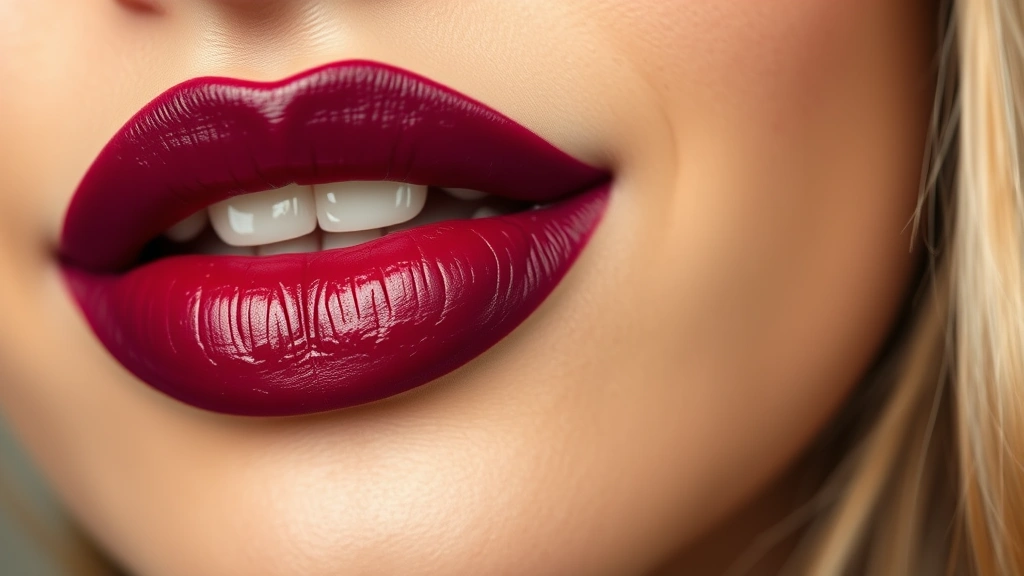
Burgundy lipsticks work beautifully on nearly all skin tones when you choose the right undertone. For cool undertones, look for true burgundies with blue or purple undertones. For warm undertones, seek out burgundies with more brown or red undertones. Deep plum and wine shades similarly offer versatility across different complexions, though the specific undertone matters tremendously for achieving a flattering result.
Berry shades range from soft mauve-berries to deep blackened berries, offering options for various occasions and preferences. Lighter berry tones work well for spring and summer, while deeper berry shades transition beautifully into fall and winter. According to Vogue’s beauty coverage, berry tones have dominated professional makeup artist recommendations for the past several seasons due to their versatility and elegance.
These colors work particularly well for evening events, adding drama and sophistication to any makeup look. They pair beautifully with neutral eyeshadow, allowing your lips to be the focal point, or complement smoky eye makeup for a coordinated, polished appearance. The richness of berry and wine tones means they photograph beautifully, making them excellent choices for special occasions and events where you’ll be photographed.
Pink Lipsticks That Flatter
Pink lipstick offers incredible range, from barely-there blush tones to vibrant fuchsias. Finding your perfect pink requires considering both your undertone and the intensity level that makes you feel confident. Pink is often considered the most versatile lipstick color, with options for every skin tone and occasion.
Warm undertones should explore warm pinks with peachy or coral undertones. Warm rose, salmon-pink, and coral-pink shades create harmony with warm complexions. These pinks feel cheerful and approachable, perfect for daytime wear and casual occasions. They’re also excellent choices for those with warm olive skin tones, as they complement the natural warmth in the complexion.
Cool undertones look stunning in cool-toned pinks with blue or mauve undertones. Dusty rose, mauve-pink, cool berry-pink, and fuchsia shades create beautiful contrast and sophistication. These pinks feel more modern and fashion-forward while remaining flattering to cool complexions. Bright fuchsias work particularly well on deeper cool-toned skin, creating a striking, confident statement.
Neutral undertones can wear virtually any pink, though many makeup artists suggest experimenting with both warm and cool pinks to determine which feels more authentically “you.” Some neutral-toned individuals find warm pinks more wearable for daily life, while others prefer the edge that cool pinks provide.
Pink lipsticks work beautifully for creating fresh, youthful makeup looks. They pair well with brown or bronze eyeshadow for a warm, cohesive aesthetic, or with cool-toned shadows for a more contemporary appearance. The versatility of pink makes it an essential color in any lipstick collection.
Bold and Unconventional Colors
For those who want to make a statement, bold and unconventional lipstick colors offer endless possibilities. From deep purples to striking oranges, these shades allow for self-expression and creativity. While they may feel intimidating at first, bold lipsticks can become signature looks that make you feel powerful and confident.
Orange lipsticks have experienced a resurgence in popularity, and they work beautifully on warm undertones and deeper skin tones. Burnt orange, coral-orange, and warm terracotta shades create stunning, fashion-forward looks. These colors work particularly well during fall and for those who want a bold but wearable statement. According to professional makeup artists featured in Beautylish’s expert tutorials, orange lipstick is easier to pull off than many people think when you choose the right undertone.
Purple and mauve lipsticks appeal to those with cool undertones and deeper skin tones, where they create jewel-like sophistication. Deep plum, true purple, and mauve shades feel modern and editorial. These colors work beautifully for evening events, creative expression, and anyone wanting to experiment with unconventional beauty choices.
Brown lipsticks have evolved from appearing drab to becoming chic and sophisticated. Deep chocolate browns, warm taupes, and rich espresso shades offer elegance and versatility. These colors work across all skin tones and undertones, though the specific shade varies. Brown lipsticks pair beautifully with neutral eyeshadow and work wonderfully for creating grounded, earthy makeup looks.
The key to wearing bold lipstick colors confidently is choosing shades that complement your undertone and skin depth, then wearing them with conviction. Bold lipstick is a form of self-expression, and the confidence with which you wear it matters more than the color itself.
Lipstick Formulas Explained
Beyond color, the formula of your lipstick dramatically impacts how it looks, feels, and wears throughout the day. Understanding different lipstick formulas helps you choose products that work best for your lifestyle, preferences, and lip condition.
Matte lipsticks offer a velvety finish with no shine. They provide bold color payoff and tend to last longer than glossy formulas. However, they can be drying on lips, especially for those with naturally dry lips. Modern matte formulas have improved significantly, with many now offering comfortable wear without the drying sensation of older formulations. Matte lipsticks work beautifully for creating dramatic, fashion-forward looks and are excellent for formal events.
Satin finishes represent a middle ground between matte and glossy. They offer color payoff with a subtle sheen, creating a polished, sophisticated appearance. Satin lipsticks tend to be more comfortable to wear than full mattes while still providing excellent color longevity. Many beauty experts recommend satin finishes as the most versatile formula for everyday wear.
Glossy lipsticks provide shine and often feel more comfortable on lips. They create a plumping effect and work beautifully for casual, fresh-faced looks. However, glossy formulas typically don’t last as long as mattes and may require frequent reapplication. They work wonderfully for creating dimension when layered over matte lipsticks.
Liquid lipsticks have revolutionized the lipstick market, offering long-wearing color with various finishes. Many liquid formulas last eight hours or longer, making them excellent for busy lifestyles. However, some liquid lipsticks can feel heavy or sticky, so testing before purchasing is important.
Cream lipsticks offer rich, pigmented color with a comfortable, creamy texture. They provide excellent color payoff without the drying sensation of mattes. Cream formulas work beautifully for everyday wear and are forgiving for those new to bold lip colors.
Choosing the right formula depends on your personal preferences, lifestyle, and lip condition. Those with very dry lips should avoid full mattes and explore satin, cream, or glossy options. Those who want long-wearing color without frequent touch-ups should consider liquid lipsticks or long-wear formulas. Personal preference should always guide your formula selection.
Application Tips from Professionals
Even the perfect lipstick shade won’t look its best without proper application technique. Professional makeup artists emphasize that application skills matter as much as product selection when achieving flawless lip color.
Prep your lips by exfoliating gently and applying lip balm if they’re dry. This creates a smooth canvas for lipstick application. Exfoliation removes dead skin cells that can make lipstick appear patchy or uneven. Allow lip balm to absorb for a minute before applying color, or blot excess balm away to prevent slipping.
Use a lip liner in a shade matching your natural lip tone or the lipstick shade. Line just outside your natural lip line to create definition and prevent feathering. Lip liner also helps extend lipstick wear time and creates a barrier that prevents color from bleeding into fine lines around the mouth. Professional makeup artists consistently emphasize that a good lip liner is investment-worthy.
Apply lipstick strategically by starting at the center of your lips and working outward. Many professionals recommend applying directly from the tube for precise application, or using a lip brush for more control. A lip brush allows you to be more deliberate with placement and create sharper lines if desired.
Blot and reapply for longer-wearing color. After your first application, blot with a tissue, then apply a second layer. This technique, called “blot and build,” creates longer-lasting color and prevents the heavy, obvious appearance of too much lipstick.
Set with powder if you want extra longevity. Lightly press translucent powder over your lipstick using a damp beauty sponge. This technique works particularly well with matte lipsticks and helps them last throughout the day.
Consider your overall look when applying lipstick. If you’re wearing bold eye makeup, keep lips more neutral, and vice versa. This creates balance and prevents your makeup from feeling overwhelming. Professional makeup artists emphasize that lipstick application isn’t just about the lips—it’s about how the entire face comes together.
These application techniques work whether you’re exploring how beauty choices interact with societal standards or simply wanting to look your best. Mastering these skills elevates your lipstick game significantly.
FAQ
How do I find my perfect lipstick shade?
Start by identifying your undertone (warm, cool, or neutral) and skin depth. Then consider which color families appeal to you—reds, nudes, pinks, or berries. Test shades in natural daylight before purchasing, as artificial lighting can be misleading. Don’t hesitate to ask beauty consultants for recommendations based on your specific coloring.
Can I wear bold lipstick colors if I have fair skin?
Absolutely! Fair skin can wear virtually any lipstick color when you choose the right undertone. Bold colors often look striking on fair skin. The key is ensuring the undertone of the lipstick complements your skin’s undertone, not your skin’s depth.
What’s the best lipstick for sensitive lips?
Look for lipsticks formulated without irritating ingredients. Cream and satin finishes tend to be gentler than full mattes. Avoid lipsticks with strong fragrances or essential oils if you have sensitive lips. Brands specializing in clean beauty often offer excellent options for sensitive skin.
How can I make my lipstick last longer?
Use a lip liner, apply lipstick in thin layers with blotting between applications, and consider setting with translucent powder. Long-wear or liquid lipstick formulas also provide extended wear time. Eating and drinking less frequently after application helps, as does avoiding very hot beverages.
Should I match my lipstick to my outfit?
While this isn’t necessary, coordinating lipstick with your outfit can create a cohesive look. However, prioritize shades that flatter your complexion over matching your clothing. A universally flattering lipstick shade works better than one that matches your outfit but clashes with your skin tone.
Can I wear red lipstick every day?
Definitely! If red lipstick makes you feel confident, wear it daily. The key is finding your perfect red shade based on your undertone and skin depth. Many people find that wearing their perfect red lipstick daily boosts their confidence and becomes part of their signature look.
What’s the difference between cool and warm reds?
Warm reds have orange or golden undertones and flatter warm skin tones. Cool reds have blue or purple undertones and flatter cool skin tones. Wearing the wrong temperature red against your undertone can make your complexion appear sallow or washed out, while your perfect red will make your skin glow.

Related Posts

Perfect Old Fashioned Donut: Baker’s Secrets
Old Fashioned Chocolate Pie Recipe? Chef’s Favorite