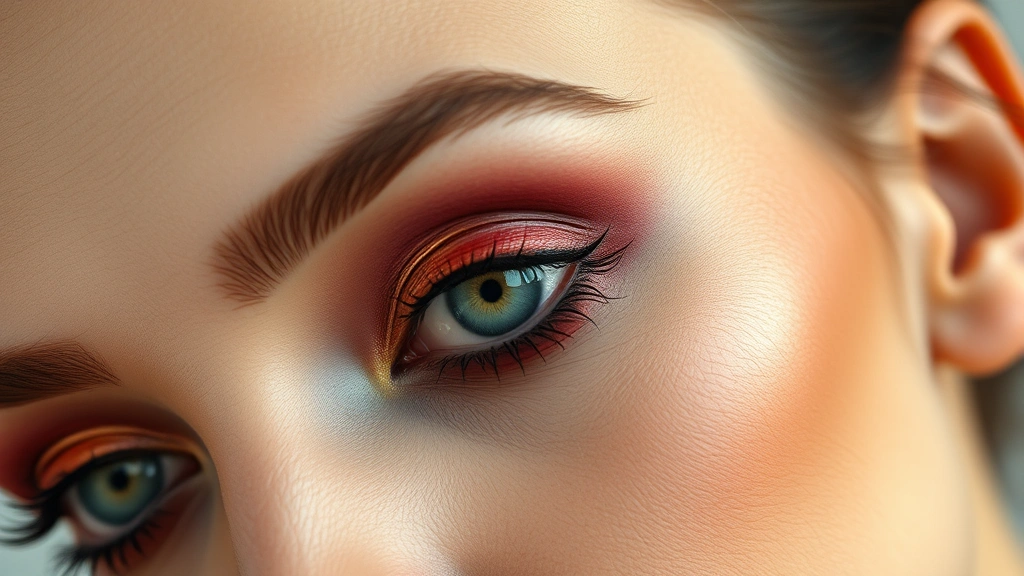
Best Makeup Apps? Beauty Experts Recommend
Best Makeup Apps? Beauty Experts Recommend Top Digital Tools for 2024
The beauty industry has transformed dramatically with the rise of digital tools and mobile applications. Whether you’re a makeup enthusiast, professional artist, or someone exploring creative digital solutions, makeup apps have revolutionized how we learn, plan, and execute our beauty routines. From virtual try-ons to color theory guides, these applications combine convenience with professional-grade features that rival traditional methods.
Beauty experts and makeup artists worldwide now rely on specialized apps to enhance their craft, streamline their workflow, and connect with clients. The best makeup apps offer intuitive interfaces, accurate shade matching, tutorial libraries, and community features that inspire creativity. Whether you’re interested in mastering contouring techniques, understanding color harmony, or simply experimenting with different looks before committing to a purchase, there’s an app designed for your needs.
Top-Rated Makeup Apps for Virtual Try-Ons
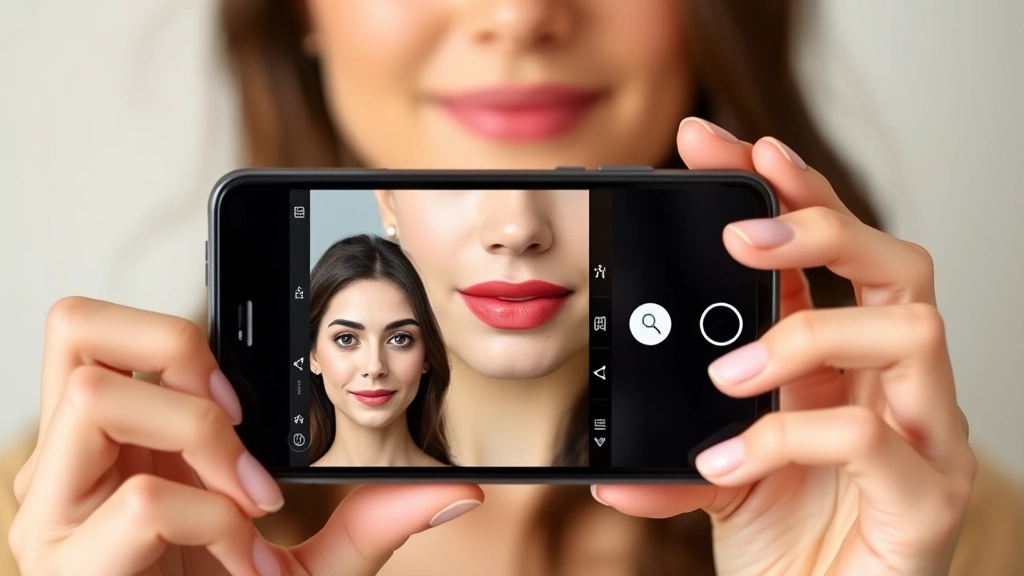
Virtual try-on technology has become essential for beauty consumers who want to make informed purchasing decisions. These apps use augmented reality (AR) to show you how products will look on your unique complexion before buying. Leading makeup brands have invested heavily in this technology, recognizing that virtual testing reduces returns and increases customer satisfaction.
The most sophisticated virtual try-on apps feature real-time skin tone detection, which adjusts product colors based on your individual complexion. This technology ensures accuracy across diverse skin tones, addressing a longstanding challenge in the beauty industry. When selecting a virtual try-on app, look for features like multiple product categories (foundation, lipstick, eyeshadow, blush), zoom functionality, and the ability to save your favorite looks for later reference.
Popular apps in this category include those developed by major cosmetic brands, which offer exclusive access to their full product ranges. These apps typically allow you to compare multiple shades simultaneously, adjust lighting conditions to match different environments, and share results with friends for feedback. Some apps even integrate shopping functionality, allowing you to purchase products directly after trying them virtually.
The accuracy of these apps depends on your device’s camera quality and proper lighting conditions. For best results, use these apps in natural daylight or well-lit indoor spaces. Many beauty experts recommend trying on products multiple times throughout the day to ensure the shade works across various lighting scenarios you’ll encounter.
Professional Design Tools for Makeup Artists
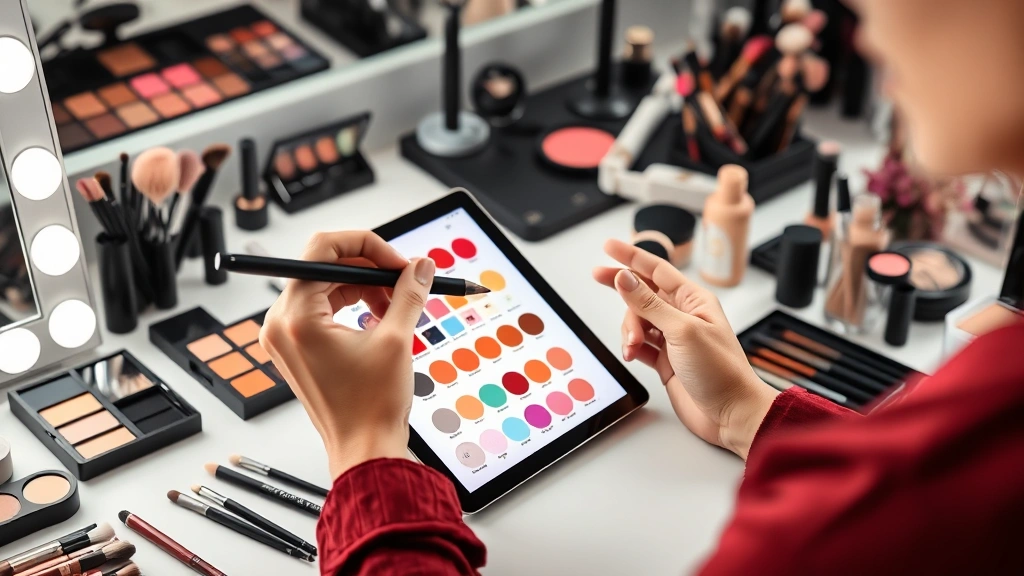
Professional makeup artists and beauty educators require more sophisticated tools than casual users. Specialized design apps allow artists to create detailed mood boards, plan client consultations, and develop comprehensive makeup looks with precision. These applications function similarly to traditional fashion design software, enabling professionals to sketch, annotate, and present their visions clearly.
When considering professional design platforms, makeup artists benefit from features like custom brush sets, color palettes based on color theory, and layering capabilities. These tools allow artists to experiment with complex looks involving multiple products and techniques before executing them on clients. The ability to save and organize designs by theme, season, or client preference streamlines the consultation process.
Many professional-grade apps include features for shade matching across different skin types, which is crucial for artists working with diverse clientele. The best tools offer libraries of reference images, trend forecasting data, and integration with inventory management systems. This comprehensive approach helps artists stay organized, improve efficiency, and deliver consistent, high-quality results.
Professional makeup apps often include built-in educational resources covering color theory, face shape analysis, and technique tutorials. These resources help artists refine their skills continuously and stay updated with emerging trends. Some apps also facilitate client communication through before-and-after galleries and detailed service descriptions.
Color Matching and Shade Selection Apps
Understanding color theory is fundamental to makeup application, and specialized color matching apps make this science accessible to everyone. These applications help users identify their undertones, determine complementary colors, and select shades that enhance their natural features. By understanding the interaction between skin tone and makeup colors, you can make more confident purchasing decisions.
The most advanced color matching apps use artificial intelligence to analyze your skin tone and recommend suitable shades from multiple brands. This cross-brand functionality is invaluable because it prevents you from being limited to a single brand’s offerings. The technology examines factors like undertone (warm, cool, or neutral), depth, and saturation to provide personalized recommendations.
These apps typically feature extensive shade libraries containing thousands of products from leading beauty brands. Users can filter by product type, brand, and price range to find options that fit their budget and preferences. Many apps allow you to create custom palettes, save favorites, and track which shades you already own to avoid duplicate purchases.
Color psychology plays a significant role in makeup selection, and the best apps educate users about how different colors affect perception and mood. Learning to identify which colors make you appear more energetic, sophisticated, or approachable helps you select makeup strategically based on your daily intentions and professional environment.
Tutorial and Learning Platforms
Comprehensive tutorial apps serve as virtual makeup schools, offering step-by-step instruction from professional artists and educators. These platforms democratize access to professional-level training, allowing beginners to learn fundamental techniques and advanced artists to discover new methods. Quality tutorial apps feature high-definition video, detailed written instructions, and interactive elements that enhance learning.
The best learning apps organize content by skill level, allowing users to progress from basic techniques to advanced artistry. Categories typically include foundation application, contouring, eyeshadow blending, lip techniques, and specialized looks like cut creases or graphic eyeliner. Many platforms feature tutorials for specific face shapes, skin types, and skin tones, ensuring relevant, applicable instruction.
Interactive features in premium tutorial apps might include quizzes to test your knowledge, virtual practice tools, and community forums where you can ask questions and receive feedback from instructors and peers. Some apps offer certification programs for users who complete comprehensive course sequences, providing credentials that can enhance professional opportunities.
The most effective tutorial apps feature instructors with diverse backgrounds and expertise. This variety ensures you encounter different perspectives, techniques, and creative approaches. Many apps also include trending content sections that highlight current popular looks, helping you stay fashion-forward and relevant in your makeup choices.
Learning through video tutorials offers advantages over traditional methods because you can pause, rewind, and rewatch sections as many times as needed. This flexibility is particularly valuable for complex techniques requiring precise hand movements and timing. Supplementing video learning with written instructions and diagrams helps accommodate different learning styles.
Community and Social Features
Social makeup apps create vibrant communities where beauty enthusiasts share inspiration, techniques, and product recommendations. These platforms function as digital spaces for creative expression, allowing users to post looks, receive feedback, and discover new ideas from artists worldwide. Community engagement transforms makeup from a solitary activity into a collaborative, inspiring experience.
The most engaging community apps feature user-generated content sections showcasing real looks created by community members. This authentic content is often more relatable and inspiring than professionally produced images, as it demonstrates achievable results using everyday products. Many apps include voting or rating systems that recognize outstanding contributions and motivate continued participation.
These platforms often incorporate social features like following favorite artists, messaging with other users, and participating in themed challenges. Challenges encourage creativity and provide opportunities to experiment with new techniques in a supportive environment. Seasonal or trend-based challenges keep the community engaged and relevant throughout the year.
Professional makeup artists use community apps to build their portfolios, attract clients, and establish their brands. By consistently sharing high-quality work and engaging authentically with other users, artists can grow their following and create business opportunities. Many successful makeup artists have launched their careers through community platform exposure.
Privacy and safety features are essential in community apps, protecting users’ personal information and creating respectful environments. The best apps maintain active moderation, clear community guidelines, and reporting mechanisms to address inappropriate behavior. These safeguards ensure the community remains positive and welcoming for all users.
Budget-Friendly and Free Makeup Apps
Quality makeup apps don’t require expensive subscriptions or premium memberships. Many excellent free and low-cost options provide robust features for casual users and hobbyists. Free apps often include essential functions like virtual try-ons, basic tutorials, and product discovery tools, with optional premium upgrades for advanced features.
When evaluating free makeup apps, consider what features matter most to your needs. Some free apps limit video quality, restrict the number of saved looks, or display advertisements. Despite these limitations, free versions often provide sufficient functionality for casual use and exploration. If you find yourself consistently wanting more features, upgrading to a premium version becomes a worthwhile investment.
Many beauty brands offer free apps featuring their specific product lines, providing detailed information about formulations, application techniques, and shade ranges. These brand-specific apps are excellent resources for learning about particular products you own or considering purchasing. They often include exclusive tutorials from brand ambassadors and makeup artists.
The key to maximizing free app experiences is understanding their limitations and utilizing their strengths. Free apps excel at introducing you to new concepts, helping you discover your preferences, and building foundational knowledge. Once you’ve identified your specific needs and interests, you can invest in premium tools that offer specialized features supporting your particular goals.
Reading user reviews before downloading free apps helps you understand what to expect and whether the app suits your needs. Look for reviews mentioning app stability, accuracy of features, and customer service responsiveness. Many users share detailed feedback about specific features, helping you make informed decisions about which apps deserve your device’s storage space.
Understanding the relationship between digital tools and personal choices helps you select apps that genuinely enhance your beauty routine rather than creating unnecessary complexity. The best app is one you’ll actually use consistently, so prioritize user-friendly interfaces and features that align with your specific goals and interests.
Expert Recommendations and Industry Insights
Professional makeup artists and beauty educators consistently recommend apps that balance functionality with user-friendliness. According to Byrdie, a leading beauty publication, the most trusted apps come from established beauty brands or companies with significant investment in technology development. These organizations prioritize accuracy, regular updates, and user experience improvements.
Dermatologists often recommend virtual try-on apps because they reduce unnecessary product testing on skin, which can cause irritation or trigger sensitivities. By testing shades digitally first, you minimize exposure to potentially problematic products. This approach is particularly beneficial for those with sensitive skin, acne-prone skin, or existing skin conditions.
Beauty influencers and content creators frequently integrate makeup apps into their workflows, using them for look planning, client consultations, and content creation. Their adoption of these tools validates their usefulness and demonstrates practical applications beyond casual use. Many influencers share app recommendations in their content, providing real-world insights into performance and reliability.
According to research from Cosmetics & Toiletries, a cosmetic science publication, the beauty app market continues expanding rapidly, with new innovations emerging regularly. Color matching technology, augmented reality capabilities, and artificial intelligence integration represent the frontier of app development. These advancements promise even more accurate, personalized, and intuitive experiences in coming years.
Industry experts emphasize that the best makeup apps complement rather than replace hands-on learning and practice. While apps provide invaluable information and inspiration, developing true proficiency requires practicing techniques on yourself or others. Use apps as educational supplements and planning tools, not as substitutes for developing muscle memory and intuitive skill.
Choosing the Right Makeup App for Your Needs
Selecting appropriate makeup apps depends on your specific goals, experience level, and how you plan to use the tools. Consider whether you need virtual try-ons for shopping decisions, tutorials for skill development, professional design tools for client work, or community connection for inspiration and support. Different apps excel at different functions, so you might benefit from using multiple complementary apps.
Beginners should prioritize apps emphasizing education and foundational knowledge, such as those featuring comprehensive tutorials and color theory resources. As your skills develop, you might explore more advanced apps offering complex design capabilities and professional-grade features. This progression mirrors traditional learning paths, where foundational knowledge supports more sophisticated applications.
Professional makeup artists should invest in robust design and portfolio tools that streamline their business operations. These apps should offer features supporting client communication, look documentation, and trend research. The investment in premium professional apps typically pays for itself through increased efficiency and professional presentation.
Consider the technological requirements and environmental factors affecting app performance. Ensure your device meets minimum specifications for optimal functionality. Apps requiring significant processing power might drain battery quickly or run slowly on older devices, affecting your experience. Research device compatibility before downloading.
Reading detailed user reviews and watching demonstration videos helps you understand whether specific apps meet your expectations. Many app developers offer free trial periods or limited-feature free versions, allowing you to test functionality before committing financially. Take advantage of these opportunities to ensure the app suits your workflow and preferences.
Regular app updates improve functionality, add new features, and address technical issues. When choosing apps, consider the developer’s track record of updates and responsiveness to user feedback. Apps receiving regular maintenance and improvements provide better long-term value than abandoned or poorly maintained options.
Emerging Trends in Makeup App Technology
The makeup app industry continues evolving with exciting technological innovations. Artificial intelligence increasingly powers personalized recommendations, analyzing your preferences and suggesting products or techniques aligned with your style. Machine learning algorithms improve over time as you interact with apps, making recommendations progressively more accurate and relevant.
Virtual makeup try-on technology is becoming increasingly sophisticated, with some apps now offering 3D face mapping that accounts for facial structure and contours. This technology provides more realistic previews of how products will appear on your unique features, improving purchase confidence. Some advanced apps even simulate how makeup will look from different angles and in various lighting conditions.
Sustainability features are emerging in makeup apps, with some platforms helping users track product usage, identify dupes, and reduce unnecessary purchases. These features appeal to environmentally conscious consumers seeking to minimize waste and make intentional purchasing decisions. Apps providing transparency about product ingredients and sourcing support informed decision-making aligned with personal values.
Integration with wearable technology and smart devices represents another frontier, with some apps exploring connections to smartwatches and virtual reality platforms. These integrations could enable new ways to visualize looks, receive personalized recommendations, and connect with beauty communities. As technology advances, makeup app experiences will likely become increasingly immersive and interactive.
Social commerce features are expanding within makeup apps, streamlining the journey from inspiration to purchase. Some apps enable direct purchasing from within the app interface, earning commissions on sales or offering exclusive discounts to users. This integration simplifies shopping while supporting content creators and influencers who recommend products.
Maximizing Your Makeup App Experience
Getting the most from makeup apps requires understanding their features and using them strategically. Create organized collections or folders for different look categories, making it easy to reference specific styles when needed. Many apps allow custom naming and tagging, which helps you quickly locate saved looks based on occasion, season, or style preference.
Engage with app communities authentically by sharing your creations, providing constructive feedback to others, and asking questions when seeking guidance. Community engagement enriches your experience while contributing to a positive, supportive environment. Many app communities feature weekly challenges or themed discussions that provide structure and inspiration.
Utilize tutorial features strategically by working through courses or video series systematically rather than jumping randomly between content. This structured approach builds skills progressively, with each lesson building on previous knowledge. Taking notes or saving tutorial links you find particularly helpful creates a personal reference library you can revisit.
Experiment with color matching tools to expand your shade comfort zone. Rather than always selecting familiar shades, use apps to identify complementary colors you might not have considered. This experimentation builds confidence in color theory and often leads to discovering new favorite shades that enhance your natural features in unexpected ways.
Understand the various contexts and environments where you’ll wear different makeup looks, and use apps to plan appropriately. A look perfect for creative expression at a music festival differs significantly from professional workplace makeup. Planning looks for specific contexts ensures your makeup selections align with your intentions and environments.
Regularly review your saved looks and product collections, removing duplicates and consolidating similar shades. This maintenance keeps your digital collections organized and prevents purchasing duplicate products you’ve forgotten owning. Many apps feature analytics showing your most-used colors and products, providing insights into your genuine preferences.
FAQ
What is the best makeup app for virtual try-ons?
The best virtual try-on app depends on your preferences and which brands you use. Major cosmetic brands offer their own apps with accurate shade matching for their products. Multi-brand apps provide broader selection but might have less accuracy than brand-specific options. Test several free apps to determine which interface and features work best for you.
Are makeup apps accurate for finding my shade?
Modern makeup apps using artificial intelligence and augmented reality technology are increasingly accurate for shade matching. However, accuracy depends on proper lighting, camera quality, and how well the app’s algorithm works with your specific skin tone. Virtual matches should be confirmed with in-person testing when possible, especially for foundation shades.
Can I learn makeup professionally using apps?
Apps are excellent supplementary learning tools but shouldn’t replace hands-on practice and mentorship. Professional makeup artistry requires developing muscle memory, understanding how products interact with different skin types, and gaining experience working with diverse clients. Use apps for theoretical knowledge and technique inspiration while practicing extensively.
Do I need to pay for quality makeup apps?
Many quality makeup apps offer free versions with essential features. Premium subscriptions typically unlock advanced features, ad-free experiences, or exclusive content. Determine which features matter for your needs before paying, as free versions often provide sufficient functionality for casual users and hobbyists.
How often should I update my makeup apps?
Enable automatic updates in your device settings to ensure makeup apps receive the latest features and security patches. Regular updates improve performance, add new products to shade libraries, and fix technical issues. Keeping apps current ensures you benefit from the latest technology and innovations.
Can makeup apps help me discover new products?
Absolutely. Many apps feature discovery tools, trending products, and personalized recommendations based on your preferences. Community sections showcase products used in popular looks, and color matching tools suggest alternatives you might not have considered. Use these discovery features to expand your product knowledge and find new favorites.

Related Posts

Perfect Old Fashioned Donut: Baker’s Secrets

Old Fashioned Chocolate Pie Recipe? Chef’s Favorite