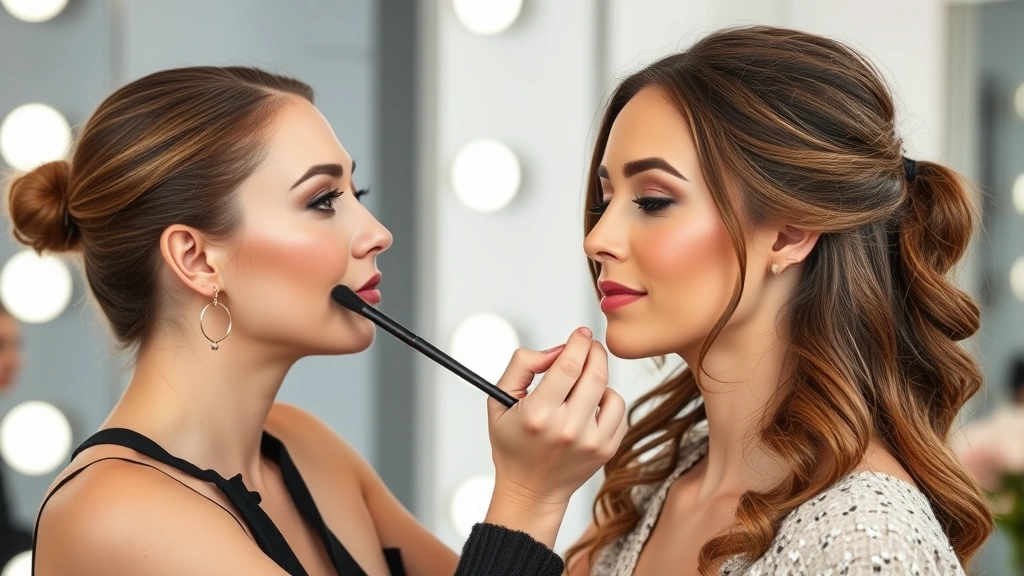
Fashion Consultant’s Guide: Best Makeup for Every Skin Tone
Fashion Consultant’s Guide: Best Makeup for Every Skin Tone
As a fashion consultant, understanding how to match makeup to your client’s skin tone is essential for creating cohesive, flattering looks that enhance natural beauty. The right makeup shades can transform an entire outfit, elevate confidence, and ensure your styling recommendations feel complete and professional. Whether you’re working with warm undertones, cool undertones, or neutral complexions, this comprehensive guide will help you master the art of makeup selection across all skin tones.
The intersection of fashion consulting and makeup artistry has never been more important. When you recommend a stunning dress or accessory, the makeup should amplify that choice, not compete with it. By understanding undertones, depth, and color theory, you’ll develop the expertise to suggest makeup that harmonizes with clothing, skin tone, and personal style simultaneously.
Understanding Skin Undertones
Before recommending any makeup shade, you must first identify your client’s undertone. Undertone refers to the subtle hue beneath the surface of the skin, distinct from the surface tone. This foundational knowledge separates amateur styling from professional fashion consulting. The three primary undertone categories are warm, cool, and neutral.
Warm undertones have peachy, golden, or olive-tinted bases. These clients often look best in makeup with warm, earthy shades like terracotta, bronze, warm browns, and golden yellows. A simple test involves showing them gold versus silver jewelry—gold typically looks more harmonious.
Cool undertones feature pink, red, or bluish bases. These individuals shine with makeup in cool shades like rose, berry, burgundy, cool pinks, and silvers. Silver jewelry usually complements them beautifully.
Neutral undertones blend warm and cool qualities equally. These lucky clients can wear both warm and cool makeup shades effectively, offering maximum flexibility in your styling recommendations.
Understanding how personal characteristics interact with environmental factors applies to makeup selection too—skin tone exists within the context of lighting, clothing, and overall aesthetic choices. As a fashion consultant, you’re creating harmony across all these elements.
Fair and Light Skin Tones
Fair and light skin tones offer wonderful opportunities for makeup artistry. The key is selecting shades with enough pigmentation to create definition without overwhelming the complexion.
For warm-toned fair skin: Recommend warm bronzes, warm peachy nudes, warm browns, and golden eyeshadows. Blush shades like peach, warm pink, and apricot create a natural flush. Lip colors including warm reds, coral, and warm nudes work beautifully. Foundation selection is critical—ensure the shade matches perfectly without appearing ashy or orange.
For cool-toned fair skin: Suggest cool pinks, berry tones, cool purples, and silvers for eyes. Blush in cool pinks, mauves, and rose shades flatters immensely. Lip options include cool reds, berry shades, and cool nudes. Foundation should have pink or neutral undertones rather than golden undertones.
For neutral fair skin: Both warm and cool palettes work, but combining them strategically creates the most sophisticated looks. Try warm bronze eyeshadow with cool pink blush, or cool purple eyeshadow with warm coral blush.
When styling fair-skinned clients, pay attention to how makeup interacts with hair color and outfit choices. A light-skinned client with warm undertones wearing a jewel-toned emerald dress needs warm-toned makeup to bridge the gap between skin and clothing. This holistic approach is what elevates fashion consulting beyond basic recommendations.
Medium Skin Tones
Medium skin tones represent the largest segment of the population and offer incredible versatility for makeup selection. The depth of medium tones allows for both bold and subtle makeup choices.
For warm-toned medium skin: Warm bronzes, warm browns, warm golds, and terracotta shades create beautiful dimension. Blush colors like warm coral, warm peach, and warm rose complement perfectly. Lip shades including warm reds, warm oranges, and warm nudes are universally flattering. The warmth in the skin allows these colors to pop without appearing harsh.
For cool-toned medium skin: Cool berries, plum, cool pinks, and cool golds enhance the natural undertones. Blush in berry, mauve, and cool rose tones creates sophistication. Lip colors such as cool reds, burgundy, and berry shades work beautifully. These clients can also pull off jewel tones that might overwhelm lighter complexions.
For neutral medium skin: The flexibility here is remarkable. Recommend mixing warm and cool elements strategically. Warm eyeshadow with cool lip color, or cool eyeshadow with warm blush creates balanced, interesting looks.
As a fashion consultant working with medium-toned clients, emphasize that makeup should enhance their natural richness rather than trying to lighten or darken the skin artificially. The goal is bringing out the best in what they naturally possess.
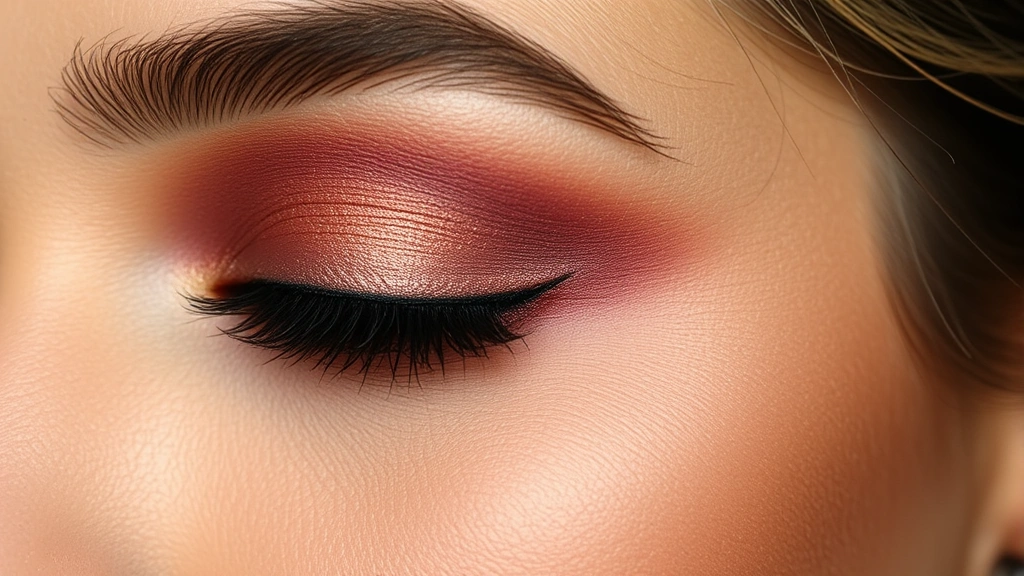
” alt=”Professional makeup application demonstration on diverse skin tones showing blending techniques and color placement for natural enhancement”>
Deep and Dark Skin Tones
Deep and dark skin tones are stunningly versatile and can carry virtually any makeup shade beautifully. The key is ensuring pigmentation is rich enough to show up clearly against the skin.
For warm-toned deep skin: Rich warm bronzes, warm golds, warm browns, and warm reds create magnificent contrast. Blush shades like warm coral, warm red, and warm bronze show gorgeously. Lip colors including warm reds, warm oranges, and warm berries are stunning. The depth of the skin allows these warm shades to appear luxurious rather than muted.
For cool-toned deep skin: Cool jewel tones, cool purples, cool pinks, and cool silvers are absolutely stunning. Blush in deep berries, cool reds, and cool pinks creates drama and sophistication. Lip shades including cool reds, burgundy, plum, and berry create bold, beautiful statements. Deep skin tones can handle rich, saturated colors that might look overwhelming on lighter complexions.
For neutral deep skin: Both warm and cool palettes work magnificently. Experiment with bold color combinations—cool purple eyeshadow with warm bronze blush, or warm gold eyeshadow with cool pink blush. Deep skin provides the perfect canvas for creative makeup artistry.
When consulting for clients with deep skin tones, remember that undertone assessment remains crucial despite the depth of the skin. Don’t assume all deep-toned clients need the same colors. Individual undertone variations significantly impact which shades will look most flattering.
Makeup Application Techniques
Understanding undertones and color theory means nothing without proper application technique. As a fashion consultant, you should be familiar with fundamental makeup application principles to give credible recommendations.
Foundation matching: The most critical step. Foundation should match the jawline and be tested in natural light. It should disappear into the skin rather than sitting on top. For clients with warm undertones, choose warm foundations; for cool undertones, choose cool foundations.
Blush placement: Apply blush to the apples of the cheeks, blending upward toward temples. The color should look like a natural flush. For warm-toned clients, warm blush shades enhance this natural appearance. For cool-toned clients, cool blush shades work similarly.
Eyeshadow blending: Proper blending prevents harsh lines and creates professional results. Teach clients to use transition shades and blend carefully. The undertone of eyeshadow should complement both skin tone and the overall look being created.
Lip application: Lip color is one of the most impactful makeup choices. Warm-toned clients should lean toward warm lip shades; cool-toned clients toward cool lip shades. This creates visual harmony that ties the entire look together.
As a fashion consultant, you might not apply makeup yourself, but understanding these techniques helps you communicate effectively with makeup artists and clients. You can describe what you’re envisioning with technical accuracy.
Seasonal Color Palettes
Fashion consultants often work with seasonal color analysis, and makeup should align with these seasonal palettes. This creates a cohesive personal style system for clients.
Spring palettes feature warm, light, and bright colors. Fair and light-skinned spring clients look beautiful in warm peaches, warm pinks, and warm corals. Medium and deep-toned spring clients can wear these same warm shades in richer concentrations. Spring makeup should feel fresh and youthful.
Summer palettes include cool, soft, and muted colors. Cool-toned clients across all depths look gorgeous in cool pinks, berries, and cool reds. Summer makeup has a softer, more delicate quality than other seasons.
Autumn palettes showcase warm, deep, and rich colors. Warm-toned clients at any depth excel in warm terracottas, warm browns, warm golds, and warm reds. Autumn makeup feels sophisticated and earthy.
Winter palettes feature cool, clear, and bold colors. Cool-toned clients look stunning in jewel tones, cool reds, and cool pinks. Winter makeup can be bolder and more dramatic than other seasons.
When providing comprehensive fashion consulting guidance, align makeup recommendations with the seasonal palette you’ve identified for each client. This creates a unified personal style system they can reference when shopping for makeup independently.
Product Recommendations by Skin Tone
While individual product preferences vary, certain brands excel at serving specific skin tones. As a fashion consultant, knowing which brands offer excellent shade ranges in your clients’ undertones is invaluable.
For warm-toned clients: Brands like MAC, NARS, and Charlotte Tilbury offer extensive warm shade options across all undertones. MAC’s warm bronze eyeshadows work beautifully on fair and medium warm skin. NARS blush in shades like Deep Throat and Orgasm flatter warm undertones. Charlotte Tilbury’s warm nude lipsticks are universally praised for warm-toned clients.
For cool-toned clients: Fenty Beauty, Urban Decay, and Bobbi Brown excel at serving cool undertones. Fenty’s 40-shade foundation range includes many cool-toned options. Urban Decay’s cool-toned eyeshadow palettes offer beautiful options for cool skin. Bobbi Brown’s cool-toned blushes create natural-looking flushes on cool complexions.
For all skin tones: Brands like Fenty Beauty, Sephora‘s inclusive lines, and MAC have made inclusivity a priority. Invest time in understanding their shade ranges so you can confidently recommend products to any client.
Consulting dermatological resources helps you understand which formulations work best for different skin conditions, from oily to dry to sensitive skin. This knowledge makes your recommendations even more valuable.
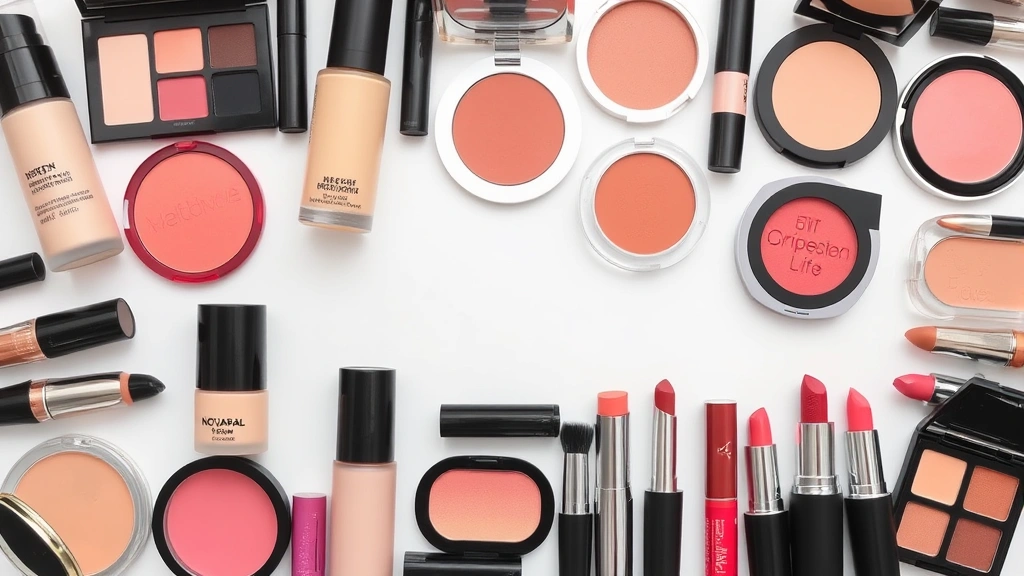
” alt=”Diverse group of individuals displaying makeup looks tailored to individual skin tones and undertones in professional lighting”>
Professional makeup artists often reference industry-standard resources when selecting products, and you should too. Staying current with new product launches and shade expansions keeps your recommendations fresh and relevant.
FAQ
How do I determine if a client has warm or cool undertones?
The most reliable method is the vein test—look at the veins on the wrist. Green veins indicate warm undertones, blue veins indicate cool undertones, and a mix suggests neutral undertones. You can also observe how gold versus silver jewelry looks against their skin, or note how they respond to warm versus cool colors in clothing.
Can clients with deep skin tones wear light makeup shades?
Absolutely. However, ensure the shades have enough pigmentation to show up visibly. A light nude lipstick might disappear on deep skin, while a deeper nude with rich pigmentation will show beautifully. The principle remains the same—match undertones rather than depth.
What if a client’s undertone doesn’t match their natural hair color?
Undertone and hair color are independent characteristics. A warm-toned client can have cool-toned hair, or vice versa. Always prioritize undertone when recommending makeup, as skin undertone remains constant while hair color can change.
Should makeup match clothing undertones too?
Ideally, yes. When possible, recommend makeup that harmonizes with both skin undertone and outfit undertone. However, skin undertone takes priority. If a cool-toned client wears a warm-toned dress, warm makeup might bridge the gap, but cool makeup will always flatter their complexion most.
How often should clients update their makeup shades?
Skin tone can shift seasonally and with sun exposure. Review makeup shade selections annually or when clients report that their usual shades no longer feel quite right. This is a great opportunity to refresh their makeup collection and introduce them to new products.
What’s the best way to test makeup before purchasing?
Always test makeup in natural light if possible. Fluorescent store lighting can be deceiving. Many beauty retailers offer samples—take advantage of these. Test foundation on the jawline, not the back of the hand, as this shows the true match.

Related Posts

Perfect Old Fashioned Donut: Baker’s Secrets
Old Fashioned Chocolate Pie Recipe? Chef’s Favorite