60s Makeup Trends: Expert Tips to Nail the Look
The 1960s was a revolutionary decade for fashion and beauty, and the makeup trends from this era continue to inspire makeup artists and beauty enthusiasts today. From bold graphic eyeliner to dramatic false lashes, the 60s makeup aesthetic represents a break from traditional beauty standards and an embrace of youth culture and experimentation. Whether you’re planning to explore iconic beauty trends or simply want to recreate this timeless look for a special occasion, mastering 60s makeup techniques will elevate your beauty routine.
The 1960s introduced makeup innovations that revolutionized the beauty industry. This era celebrated bold self-expression through makeup, with influences ranging from the mod movement in London to the psychedelic aesthetics of the late 60s. The decade’s makeup trends reflected a cultural shift toward youth empowerment and breaking free from conservative beauty norms. If you’re interested in how beauty intersects with culture and society, understanding environment and society dynamics can provide context for how consumer beauty products evolved during this period.
The Iconic Cat-Eye Eyeliner
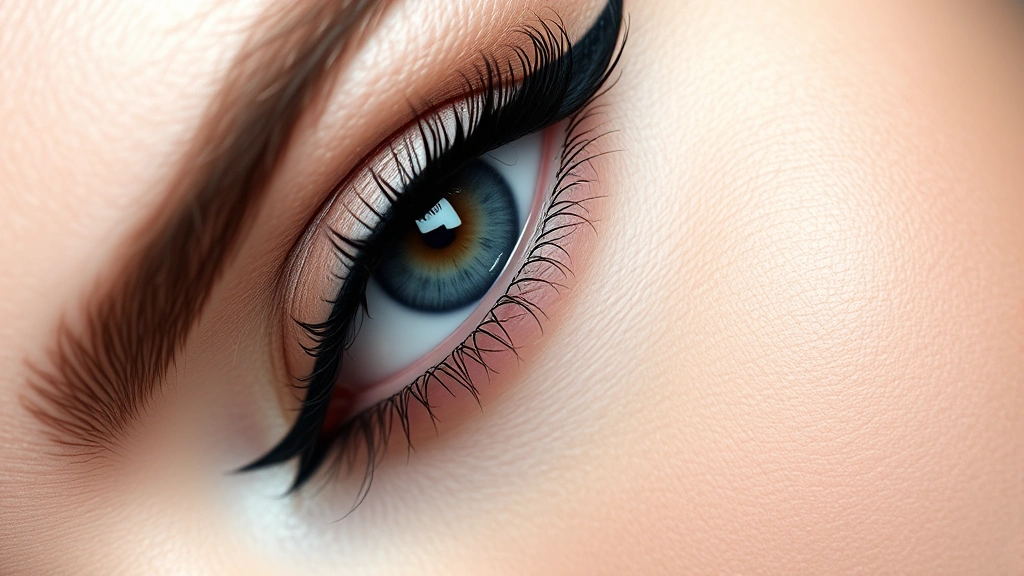
The cat-eye eyeliner is perhaps the most recognizable element of 60s makeup, and it remains a timeless technique that flatters nearly every eye shape. This sharp, winged eyeliner style became synonymous with the decade, popularized by celebrities like Audrey Hepburn and Twiggy. The cat-eye creates an instant lift to the eye area and adds an element of drama and sophistication to any makeup look.
To achieve the perfect cat-eye, start with an eyeliner pencil or liquid liner in black or dark brown. Begin at the inner corner of your eye and draw a thin line along your upper lash line, gradually thickening the line as you move toward the center of your eye. The key to a successful cat-eye is the upward flick at the outer corner. Extend the line slightly beyond your natural eye shape, then angle it upward toward the end of your eyebrow. The thickness of the wing depends on your personal preference and the intensity of the 60s look you’re aiming for.
Many makeup artists recommend using a liquid eyeliner for precision, as it provides better control than pencil. If you make a mistake, keep a cotton swab dipped in makeup remover nearby for quick corrections. Practice makes perfect with the cat-eye, so don’t be discouraged if your first attempts aren’t flawless. Once you’ve mastered this technique, you’ll be able to apply it in just a few minutes.
Mastering Bold Eyeshadow
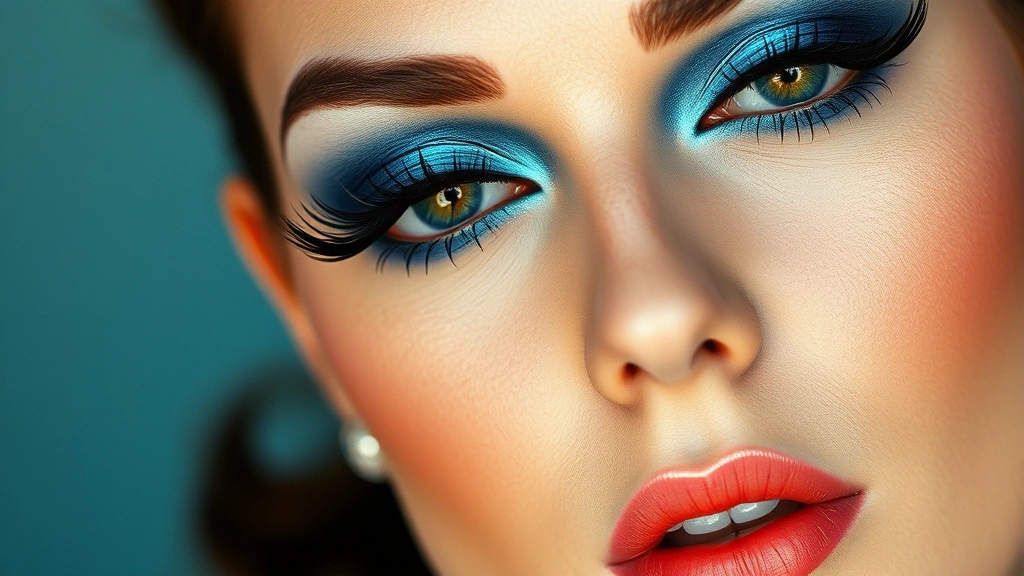
The 1960s wasn’t just about eyeliner—bold eyeshadow was equally important to achieving an authentic 60s makeup look. The decade celebrated vibrant colors and creative eye makeup application, ranging from metallic silvers to electric blues and rich purples. Eyeshadow application in the 60s often featured a two-tone or three-tone approach, with darker shades in the crease and lighter shades on the lid.
Start by applying a light, neutral eyeshadow across your entire eyelid as a base. This helps the colors stay in place and provides a foundation for blending. Next, choose your bold color—whether it’s a shimmery silver, a cool-toned blue, or a warm bronze. Apply this color to your eyelid using a flat brush, pressing the shadow onto the lid for better pigment payoff. Once you’ve applied your main color, use a blending brush to add a darker shade in your crease, which adds dimension and helps define the eye.
For a more dramatic 60s look, consider using metallic or frosted eyeshadows, which were extremely popular during this era. These finishes catch the light beautifully and create that signature 60s sparkle. When selecting eyeshadow colors, think about your skin tone and what colors complement your complexion. Warm skin tones look stunning with golds, coppers, and warm purples, while cool skin tones are flattered by silvers, cool blues, and cool-toned pinks.
Blending is crucial for a polished eyeshadow application. Use a clean blending brush to soften the edges between colors, creating a seamless transition. This prevents harsh lines and makes your makeup look more intentional and professional. Taking time to blend properly will elevate your entire makeup look and create that coveted 60s aesthetic.
False Lashes and Dramatic Eyes
No 60s makeup look is complete without false eyelashes, which were absolutely essential to achieving the dramatic eye aesthetic of the decade. The 1960s celebrated full, voluminous lashes that opened up the eye area and created a doe-eyed, youthful appearance. False lashes became a staple beauty product, and many women wore multiple layers of falsies for an ultra-dramatic effect.
When selecting false lashes for a 60s look, opt for styles that are full and dramatic rather than natural-looking. Look for lashes with longer fibers, especially concentrated at the outer corners to enhance that cat-eye effect. Many beauty brands now offer vintage-inspired lash styles specifically designed to recreate the 60s aesthetic. Apply false lashes after you’ve completed your eyeshadow and eyeliner, as they’re the final step in creating your eye makeup.
To apply false lashes, use a good quality lash adhesive and allow it to become tacky (about 30 seconds) before applying the lash strip to your lash line. Press gently along the entire strip to ensure it’s secure, then use your natural lashes and false lashes together for a seamless blend. If you prefer a less dramatic option, consider using mascara layering techniques to build volume without false lashes. Multiple coats of a volumizing mascara can create impressive lash drama while maintaining a slightly more wearable look.
Some makeup enthusiasts prefer individual lash clusters, which offer more flexibility in customization. You can place clusters specifically at the outer corners to enhance your cat-eye, or distribute them throughout your lash line for an even, voluminous effect. Experiment with different lash styles to find what works best for your eye shape and the specific 60s aesthetic you’re going for.
Pale Skin and Defined Brows
The 1960s beauty standard featured pale, porcelain-like skin that contrasted sharply with the bold eye makeup. This alabaster complexion was achieved through heavy foundation and powder, creating a matte, almost doll-like appearance. If you have deeper skin tones and want to recreate this look, choose a foundation shade that’s one or two shades lighter than your natural skin tone, or use a pale highlighter strategically on the high points of your face.
Foundation application in the 60s was typically full coverage and matte. Use a damp beauty sponge or brush to apply foundation evenly across your face, paying special attention to blending around the jawline and hairline. Set your foundation with a translucent powder to create that signature matte finish. The goal is to create an even, flawless canvas that makes your eye makeup the star of the show.
Defined eyebrows were also crucial to the 60s makeup aesthetic. The decade favored groomed, well-defined brows that framed the face and complemented the dramatic eye makeup. Eyebrows during this period were typically dark, straight, and had a slight arch. If your natural brows don’t have enough definition, use an eyebrow pencil or powder to fill them in. Create a sharp line along the bottom of your brow to add definition, and keep the top line clean and groomed.
Don’t over-pluck your brows when recreating a 60s look. The decade celebrated fuller brows compared to the ultra-thin brows of the 1990s and early 2000s. If your brows are naturally sparse, use a brow pomade or pencil to build them up gradually, checking your progress in the mirror as you go. Well-groomed, defined brows will frame your entire face and make your cat-eye eyeliner look even more striking.
Lip Colors of the 60s
While bold eyes were the main focus of 60s makeup, lip color still played an important role in completing the look. The decade featured a range of lip colors, from pale nudes to bold reds and pinks. Early 60s makeup often featured classic red lips, while the mid-to-late 60s saw a shift toward nude, pink, and peachy lip shades that allowed the eyes to remain the focal point.
For a classic early 60s look, choose a bright red lipstick with blue undertones, which creates a stunning contrast against pale skin and dramatic eyes. Apply the lipstick carefully using a lip brush for precision, and consider lining your lips first with a matching lip pencil to prevent feathering. If you prefer a more subtle lip look, opt for a nude or pale pink shade that complements your skin tone without competing with your eye makeup.
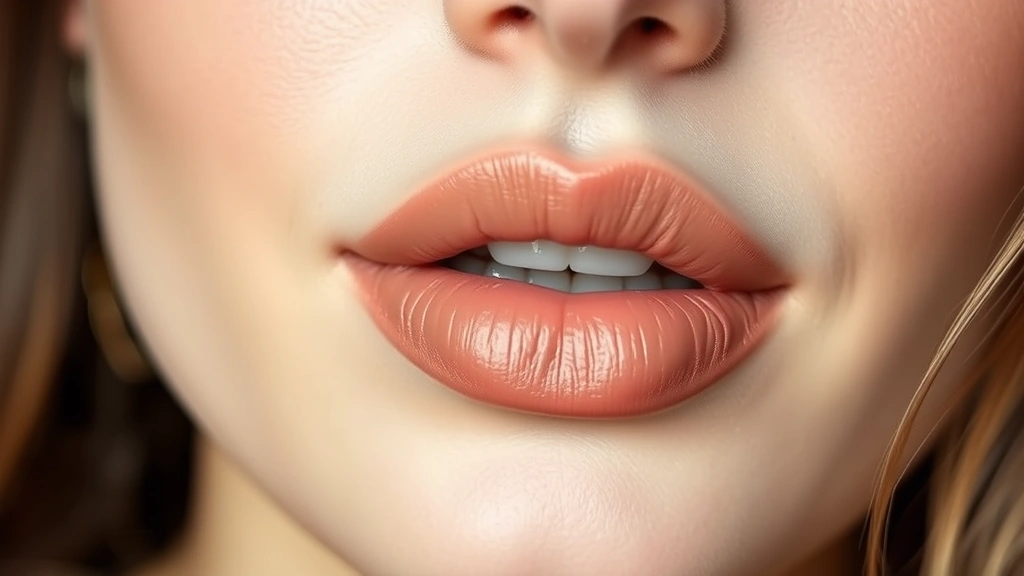
The nude lip trend became increasingly popular as the 60s progressed, particularly with the rise of mod fashion and the youth-oriented aesthetic. A nude lip creates a minimalist, sophisticated look that lets your bold eyes take center stage. When selecting a nude shade, choose one that’s close to your natural lip color, or slightly lighter for that authentic 60s pale-lipped effect. Matte finishes were popular during this era, so consider using a long-wearing matte lipstick rather than a glossy formula.
Lip care is essential when wearing matte lipstick, as these formulas can be drying. Apply a lip balm before your lipstick to create a smooth base, and keep a lip balm handy throughout the day for touch-ups. If you want to add shine to your lips while maintaining the 60s aesthetic, use a clear gloss over your matte lipstick for a subtle sheen.
Completing Your 60s Look
Creating an authentic 60s makeup look requires attention to detail and understanding how all the elements work together. Your complete beauty routine should include proper skin preparation, which is the foundation for flawless makeup application. Start with a clean, moisturized face, and use a primer to help your makeup last longer and look smoother.
When planning your 60s makeup look, consider the occasion and your personal style. Are you going for the mod, graphic aesthetic of early 60s London, or the softer, more psychedelic look of the late 60s? Early 60s makeup featured sharper lines and more geometric shapes, while late 60s makeup allowed for more creative, experimental application. Understanding these nuances will help you create a 60s look that’s authentic to the specific era you’re inspired by.
Coordination with your outfit is also important when recreating a 60s aesthetic. If you’re wearing a colorful dress or bold patterns, consider toning down your eyeshadow slightly to avoid overwhelming your overall look. Conversely, if you’re wearing a simple, neutral outfit, you can go bolder with your eye makeup. The beauty of 60s makeup is its versatility—you can adapt the trends to suit your personal style and preferences.
Don’t forget about setting spray, which is essential for keeping your 60s makeup in place throughout the day or evening. A good setting spray will help your foundation, eyeshadow, and lipstick stay put, even if you’re dancing or spending time outdoors. Apply setting spray as the final step in your makeup routine, and consider carrying a compact mirror and touch-up products with you for quick refreshes.
Remember that sustainable beauty practices can be incorporated into your makeup routine. Consider investing in high-quality makeup products that will last longer and reduce waste, and look for brands that use eco-friendly packaging. The beauty industry has made significant strides in sustainability, and supporting these efforts aligns with modern values while creating beautiful looks.
FAQ
What’s the best eyeliner for creating a 60s cat-eye?
Liquid eyeliner is generally considered the best option for creating a precise cat-eye, as it provides excellent control and sharp lines. However, gel eyeliners and felt-tip eyeliner pens also work well. Choose a formula that’s long-wearing to ensure your cat-eye stays put throughout the day.
Can I recreate a 60s makeup look with my natural eye shape?
Absolutely! While the cat-eye is iconic, it can be adapted to suit different eye shapes. For hooded eyes, adjust the angle of your wing to follow your natural eye shape. For smaller eyes, use a thinner eyeliner line to avoid overwhelming your eyes. The key is understanding your eye shape and adjusting the technique accordingly.
What skin tone works best for 60s makeup?
60s makeup is versatile and can be adapted for any skin tone. The pale skin aesthetic can be achieved on deeper skin tones by using strategic highlighting or a foundation shade one or two shades lighter. The bold eye makeup and dramatic lashes work beautifully on all complexions.
How do I make my false lashes look natural?
To make false lashes look more natural, choose a style that’s not too full or dramatic, and ensure they’re properly adhered to your lash line without gaps. Blend your natural lashes with the false lashes using mascara, and trim the lash band if necessary to fit your eye shape better.
Is it necessary to wear false lashes for a 60s makeup look?
While false lashes are iconic to 60s makeup, you can achieve a similar effect using volumizing mascara and proper eyeshadow application. Layering mascara and using a lash-building formula can create impressive volume without false lashes.
What’s the best way to keep my 60s makeup looking fresh all day?
Use a primer before applying makeup, set your foundation with powder, and finish with a setting spray. Carry touch-up products like powder, lipstick, and a lash comb with you throughout the day. Avoid touching your face frequently, and keep blotting papers handy to manage shine.
Can I wear 60s makeup with modern outfits?
Yes! 60s makeup trends are timeless and can be incorporated into modern fashion. Pair dramatic 60s eye makeup with contemporary clothing for a fun, eclectic look that blends vintage inspiration with current style.

Related Posts
Perfect Old Fashioned Donut: Baker’s Secrets
Old Fashioned Chocolate Pie Recipe? Chef’s Favorite