Best Makeup for Oily Skin? Experts Weigh In
Best Makeup for Oily Skin? Experts Weigh In
If you have oily skin, finding the right makeup can feel like an endless battle against shine, melting products, and midday touch-ups. The good news? With the right knowledge and products, you can create a flawless, long-lasting makeup look that stays put throughout your day. We’ve consulted with dermatologists, makeup artists, and cosmetic chemists to bring you expert-backed recommendations that actually work for oily skin types.
Oily skin presents unique challenges when it comes to makeup application. Your skin naturally produces excess sebum, which can break down makeup formulas, cause foundation to slip, and lead to clogged pores if you’re not careful. However, understanding how to work with your skin’s natural oils rather than against them is the key to makeup success. This comprehensive guide will walk you through product selection, application techniques, and professional tips to keep your makeup looking fresh and flawless all day long.
Understanding Oily Skin and Makeup Compatibility
Before diving into product recommendations, it’s crucial to understand why oily skin behaves differently when makeup is applied. According to dermatological research, oily skin produces excess sebum due to overactive sebaceous glands. This natural oil serves a protective purpose, but it can wreak havoc on makeup formulas designed for normal or dry skin types.
The challenge lies in finding products that work synergistically with your skin’s natural moisture rather than competing against it. Water-based and oil-free formulas are typically your best bet, as they won’t mix with sebum in the same way oil-based products do. When oil and water-based products combine on your skin, they can separate, causing your makeup to slide around and lose its finish.
Dermatologists recommend that people with oily skin choose non-comedogenic formulas that won’t clog pores or exacerbate breakouts. This is particularly important since makeup application itself can trap bacteria and sebum if you’re using the wrong products. Look for labels indicating the product is specifically formulated for oily or acne-prone skin.
One often-overlooked aspect of makeup for oily skin is the importance of proper skincare preparation. Your makeup application begins the night before with a solid nighttime routine. Cleansing, toning, and moisturizing appropriately will actually help regulate oil production and create a better base for makeup application.
Primer: Your First Line of Defense
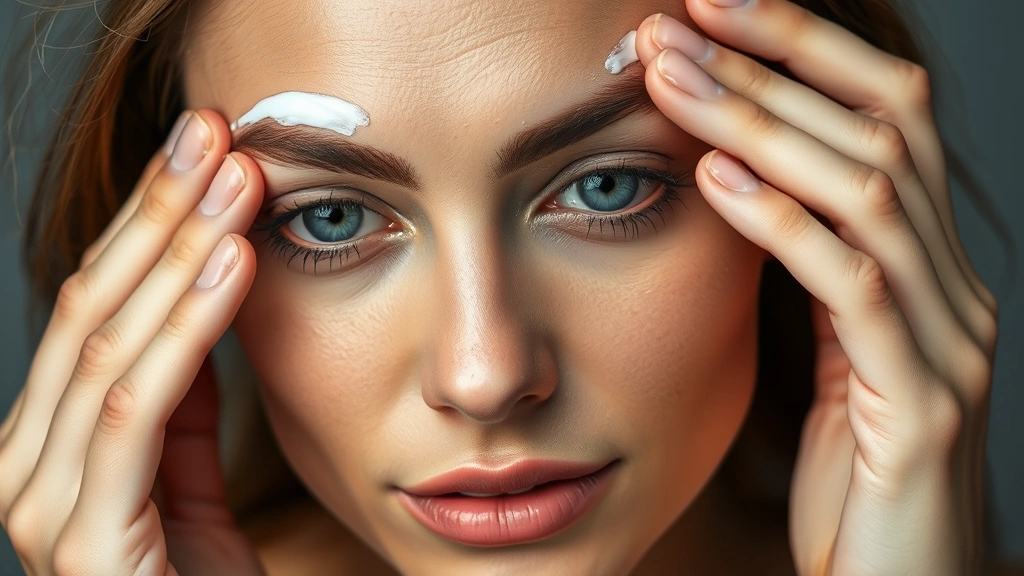
If you have oily skin, primer isn’t optional—it’s essential. A good primer creates a barrier between your skin and foundation, controlling oil and helping makeup adhere longer. Makeup artists universally recommend primer as the most important step for oily skin types.
Silicone-based primers are the gold standard for oily skin. These primers create a smooth, pore-minimizing base that helps foundation glide on evenly and last significantly longer. They work by forming a protective layer that prevents sebum from breaking down your foundation throughout the day. Apply primer to your entire face, paying special attention to the T-zone where oil production is typically heaviest.
Alternatively, gel-based primers offer a lightweight option that many oily-skinned individuals prefer. These primers feel less heavy than silicone formulas and still provide excellent oil control. Some people alternate between silicone and gel primers depending on humidity levels or how oily their skin is feeling on a particular day.
For those with extremely oily skin, mattifying primers are game-changers. These primers contain ingredients specifically designed to absorb excess oil and create a matte finish before foundation application. They’re particularly helpful for anyone who struggles with shine by mid-morning.
Pro tip from makeup artists: Allow your primer to set for 30-60 seconds before applying foundation. This gives the primer time to create its protective barrier, which maximizes its effectiveness. Jumping straight to foundation application can compromise the primer’s ability to control oil.
Foundation Formulas That Actually Last
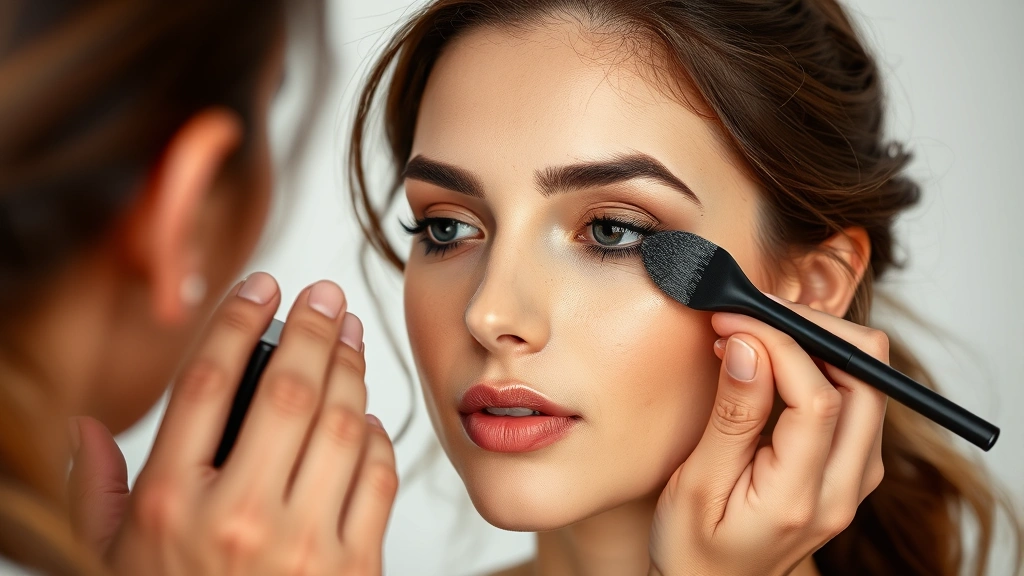
Foundation selection is critical for oily skin success. The wrong formula will separate, oxidize, and slide around by noon, making all your other efforts pointless. Experts recommend focusing on specific foundation types that are engineered to handle excess sebum.
Powder foundations are often the best choice for oily skin. These foundations contain absorbing powders that actively control shine throughout the day. Compact powder foundations, in particular, offer portability for touch-ups and provide excellent coverage. Many professional makeup artists working with oily-skinned clients reach for powder formulas first.
Long-wear liquid foundations designed specifically for oily skin are another excellent option. These foundations typically use oil-free, water-resistant formulas that won’t break down when exposed to sebum. Look for foundations labeled as “long-wear,” “oil-control,” or “for oily skin.” These formulas often contain mattifying agents that help control shine.
Avoid cream and stick foundations unless they’re specifically formulated for oily skin. Most cream formulas contain oils or silicones that can mix with your skin’s natural oil, causing separation and sliding. If you love the finish of a cream foundation, make sure it’s labeled oil-free and designed for oily skin types.
According to beauty industry professionals, the key to foundation success on oily skin is application technique combined with the right formula. Use a damp beauty sponge to apply foundation, pressing it into your skin rather than dragging it. This technique helps the foundation adhere better and creates a more natural finish.
Match your foundation shade carefully. Many people with oily skin tend to apply too much product, thinking more coverage will help. In reality, using less product with the right formula and technique creates better results. Build coverage gradually with concealer rather than applying thick layers of foundation.
Concealer and Powder Strategies
Concealer and powder work together as your oil-control dream team. The right combination of these products can keep your makeup looking fresh for 12+ hours, even with oily skin.
Concealer selection follows similar rules to foundation. Choose water-based, oil-free formulas designed for oily skin. Liquid concealers tend to work better than cream formulas for oily skin, though some people find that matte finishes work better in their climate. Apply concealer only where needed—under eyes, around the nose, and on blemishes—rather than all over the face.
Powder application is where oily skin makeup truly comes together. Setting powder is non-negotiable for oily skin types. Use a translucent or skin-toned powder depending on your preference, but make sure it’s formulated to absorb oil rather than just sit on top of your skin.
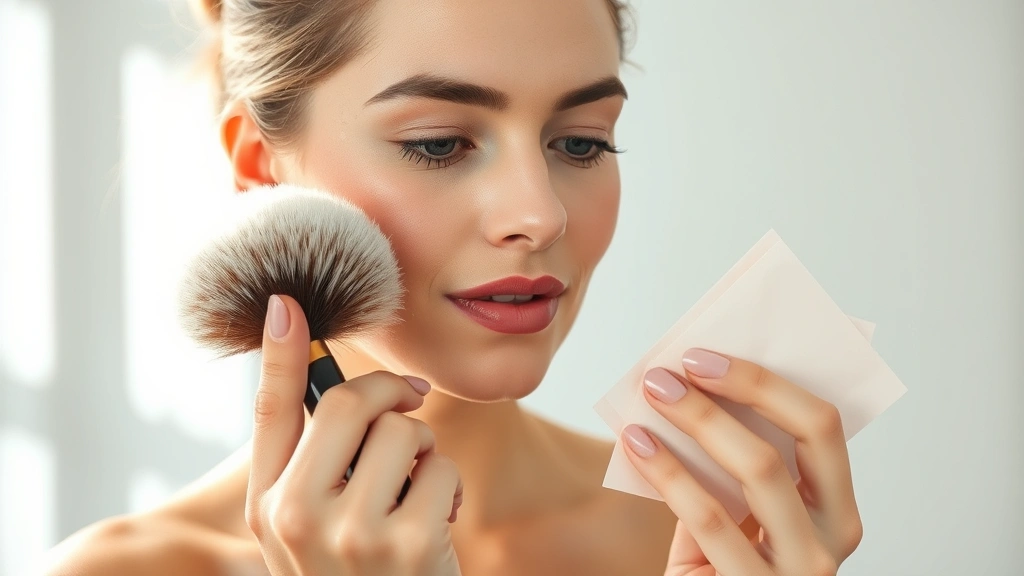
Apply powder with a light hand using a fluffy brush, focusing on your T-zone where oil production is heaviest. Many makeup artists recommend using a damp beauty sponge to press powder into your skin rather than sweeping it on. This technique creates a more natural finish and helps the powder adhere better, so it lasts longer throughout the day.
Blotting papers are your portable oil-control solution. Keep these in your purse for midday touch-ups. Simply press a blotting paper onto oily areas—don’t rub—to remove excess oil without disturbing your makeup. Many professionals recommend blotting before reapplying powder for the best results.
Some makeup artists swear by setting sprays for oily skin. These sprays help lock everything in place and can extend makeup wear time significantly. Choose an oil-control or mattifying setting spray designed specifically for oily skin types.
Eye Makeup for Oily Skin
Eye makeup presents special challenges for oily skin because the eye area tends to be even oilier than the rest of the face. Eyeshadow can crease, eyeliner can smudge, and mascara can flake—all common complaints from people with oily skin.
Eyeshadow primers are absolutely essential. These primers create a sticky base that holds eyeshadow in place and prevents creasing. Apply eyeshadow primer to your entire eyelid, from lash line to brow bone, and allow it to set for a few seconds before applying eyeshadow. This single step can transform your eye makeup longevity.
Choose powder eyeshadows over cream formulas for better oil resistance. Powder shadows are inherently more resistant to oil and won’t slide around as easily as cream formulas. If you love the finish of cream eyeshadow, make sure you’re using an eyeshadow primer and applying cream shadows over it rather than directly to your lid.
Waterproof eyeliner and mascara are must-haves for oily skin. Regular formulas will smudge and flake throughout the day, while waterproof formulas resist oil and moisture much better. Even if you don’t typically love waterproof mascara, it’s worth trying if you have oily skin.
For eyeliner, pencil and gel formulas tend to perform better on oily skin than liquid liners. Pencil liners are less prone to running, and gel liners create a more durable line than traditional liquid formulas. Apply eyeliner and allow it to set before applying eyeshadow on top.
Avoid cream bronzers and highlighters on the eye area if you have oily skin. These products can slide around and look patchy. Stick with powder formulas for your eyes and save cream products for areas of your face with less oil production.
Lip Products That Won’t Slide Off
Lip products can be tricky for people with oily skin because oil from your face can transfer to your lips and cause products to slide or wear unevenly. However, this doesn’t mean you need to skip lip color entirely.
Long-wear liquid lipsticks are ideal for oily skin. These formulas dry down and create a more durable finish that resists oil transfer. They typically last much longer than traditional creamy lipsticks and won’t slide off as easily.
Lip stains are another excellent option. These products actually stain your lips, so they’re incredibly resistant to oil and won’t slide off or feather. Lip stains work particularly well for people with oily skin who want to maintain color throughout the day.
If you prefer traditional lipstick, look for matte formulas rather than glossy or satin finishes. Matte lipsticks contain less oil and are therefore more resistant to sliding. They also tend to have better staying power on oily skin.
Always use a lip liner with any lip product. Lip liner creates a barrier that prevents color from feathering and helps products stay in place longer. This is especially important for people with oily skin whose lip products might otherwise migrate throughout the day.
Professional Application Techniques
Even with the perfect products, application technique matters tremendously for oily skin makeup success. Professional makeup artists have developed specific techniques that work best for oily skin types.
The damp sponge method is recommended by most professionals for foundation application on oily skin. Dampen a beauty sponge with water or setting spray, then use it to apply and blend foundation. The moisture helps the foundation adhere better and creates a more natural finish that lasts longer. This technique also prevents you from applying too much product, which is a common problem for oily skin.
Stippling is another professional technique worth learning. Rather than dragging products across your skin, gently press them on using a stippling motion with your brush or sponge. This technique helps products adhere better and is particularly effective for people with oily skin.
Less is more is the golden rule for oily skin makeup application. Use smaller amounts of product than you might think necessary, then build coverage gradually. This approach prevents product from feeling heavy or sliding around and creates a more natural-looking finish.
Allow products to set between application steps. After applying primer, wait 30-60 seconds. After foundation, wait a moment before applying concealer. This patience allows each product to adhere properly and creates a more stable base for subsequent products.
Consider using sustainable beauty tools like reusable beauty sponges that you wash regularly. Clean tools are essential for anyone, but especially important for people with oily skin prone to breakouts. Bacteria can accumulate on dirty brushes and sponges, exacerbating oil production and breakouts.
Setting and Maintaining Your Makeup
Setting your makeup properly is the final crucial step for oily skin success. A well-set makeup look can last 12+ hours even with oily skin, while poorly set makeup might not make it through lunch.
Setting powder application is your first line of defense. Use a translucent or skin-toned powder formulated to absorb oil. Apply it with a fluffy brush, focusing on your T-zone, and use a light hand to avoid a cakey appearance. Many professionals recommend pressing powder into your skin with a damp sponge rather than sweeping it on.
Setting sprays are the final step in creating a long-lasting makeup look for oily skin. Choose an oil-control or mattifying setting spray specifically formulated for oily skin. Spray it on in an X and T pattern across your face, holding the bottle about 6-8 inches away. Allow it to dry completely before touching your face.
Throughout the day, touch-up technique is important. Rather than reapplying foundation, blot excess oil with blotting papers and reapply powder to oily areas. This approach maintains your makeup look without building up product. If you do need to reapply foundation, use a minimal amount and blend carefully.
Keep blotting papers and powder in your purse for midday touch-ups. Even the best makeup application will eventually show some shine on oily skin, but a quick blot and powder application can refresh your look instantly.
According to cosmetic science research, the combination of primer, proper foundation formula, setting powder, and setting spray creates an effective barrier against oil that can last through most of the day.
FAQ
What’s the best primer for oily skin?
Silicone-based primers are generally considered the best option for oily skin because they create a smooth, pore-minimizing base that controls oil effectively. Gel-based and mattifying primers are also excellent choices depending on your preferences and how oily your skin is.
Should I use powder or liquid foundation if I have oily skin?
Both can work well for oily skin if you choose the right formula. Powder foundations are often preferred because they actively absorb oil, but long-wear liquid foundations designed for oily skin can also provide excellent results. The most important factor is choosing a formula specifically designed for oily skin types.
How often should I touch up my makeup throughout the day?
This depends on how oily your skin is and your specific environment. Most people with oily skin benefit from a quick touch-up (blotting and powder) around midday and again in the afternoon if needed. More frequent touch-ups might be necessary during hot weather or in humid climates.
Can I wear cream products if I have oily skin?
You can wear cream products, but you need to be selective. Choose cream products specifically formulated for oily skin, and apply them only to areas with less oil production. Always use a primer underneath cream products to help them adhere better and resist oil.
What’s the best way to remove makeup for oily skin?
Use a gentle, oil-free makeup remover or cleansing oil followed by a water-based cleanser. Double cleansing is particularly important for oily skin because it ensures you remove all makeup and excess oil without over-drying your skin. Follow cleansing with a lightweight, oil-free moisturizer appropriate for oily skin.
Why does my makeup separate throughout the day?
Makeup separation typically occurs when your skin’s natural oils break down your foundation formula. This is prevented by using primer, choosing oil-free formulas, and applying makeup properly. If separation is still an issue, try a different foundation formula or increase your primer application.

Related Posts

Perfect Old Fashioned Donut: Baker’s Secrets
Old Fashioned Chocolate Pie Recipe? Chef’s Favorite