Casual Fashion Dress Tips: Stylist’s Guide
Casual Fashion Dress Tips: Stylist’s Guide to Effortless Everyday Style
Getting dressed shouldn’t feel like a production, yet so many women struggle to find that perfect balance between comfortable and stylish. The beauty of casual fashion is that it celebrates authenticity and personal expression without requiring expensive pieces or complicated styling rules. Whether you’re heading to the coffee shop, running errands, or meeting friends for lunch, mastering casual fashion dress for women means understanding how to mix basics with personality, creating outfits that feel naturally put-together rather than overdone.
This comprehensive guide breaks down everything you need to know about building a casual wardrobe that works for your lifestyle. We’ll explore foundational pieces, styling techniques, and the secrets fashion stylists use to make effortless outfits look intentional. By the end, you’ll have a toolkit of strategies to create countless casual looks from the pieces already hanging in your closet.
Understanding Casual Fashion Basics
Casual fashion represents clothing that prioritizes comfort without sacrificing style. It’s the intersection where relaxation meets intention—pieces that allow you to move freely while still looking like you made an effort. Understanding this distinction helps you make smarter wardrobe choices that serve your daily life.
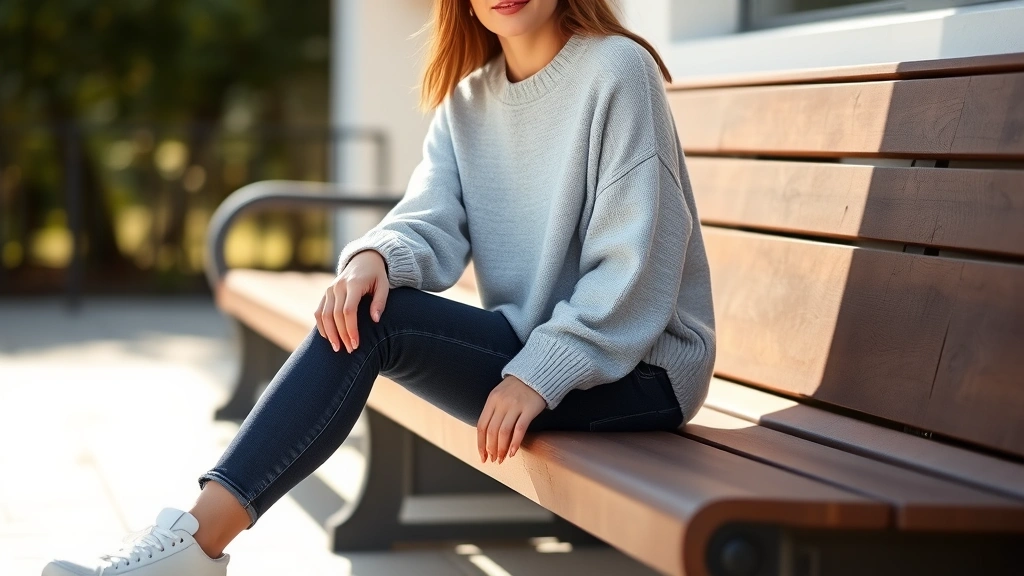
The foundation of casual fashion dress for women rests on quality basics: well-fitting jeans, simple t-shirts, and neutral sweaters. These pieces become your canvas. Unlike trendy items that feel dated quickly, basics remain relevant season after season. A perfectly fitted pair of dark-wash jeans works as hard as any designer piece in your wardrobe, pairing with everything from crop tops to oversized blazers.
Casual fashion also embraces the concept of “effortless elegance.” This means choosing pieces that work together naturally, requiring minimal styling effort while still looking intentional. When your sustainable fashion brands basics are thoughtfully selected, you’ll spend less time deliberating and more time enjoying your day. The goal isn’t perfection—it’s authenticity.
One crucial aspect of casual dressing involves understanding your personal style. Do you gravitate toward minimalism or maximalism? Are you more classic or experimental? Your casual wardrobe should reflect who you actually are, not who you think you should be. This authenticity makes outfits feel natural rather than forced.
Essential Pieces Every Woman Needs
Building a functional casual wardrobe starts with identifying non-negotiable basics. These foundation pieces form the backbone of countless outfit combinations, making them the smartest investment for your closet.
Denim Essentials: Invest in at least two pairs of jeans—one darker pair for versatility and one lighter wash for variety. A well-fitting pair of jeans should hug your curves without restricting movement and hit at a length that works with your typical shoe choices. Many stylists recommend trying on multiple brands, as sizing varies dramatically. Your casual fashion dress options expand exponentially when you have jeans that fit perfectly.
Neutral Tops: White t-shirts, black crew necks, and gray basics serve as your styling foundation. These neutral tops pair with virtually everything, allowing you to experiment with bottoms and accessories without overwhelming your outfit. Quality matters here—look for t-shirts with good weight and minimal shrinkage after washing.
Comfortable Sweaters: Oversized sweaters, fitted cardigans, and cozy knit tops add warmth and dimension to casual outfits. Sweaters layer beautifully over t-shirts and work standalone during mild weather. Choose neutral colors primarily, with one or two statement sweaters in colors that complement your skin tone.
Neutral Bottoms: Beyond jeans, consider neutral pants, khaki trousers, and linen shorts. These pieces extend your casual fashion dress versatility across seasons and occasions. Neutral bottoms pair with bold tops, allowing you to experiment with color and pattern safely.
Simple Dresses: A basic t-shirt dress and a casual button-up dress provide quick outfit solutions. These pieces work alone or layered, making them incredibly practical for busy mornings when you want to look put-together with minimal effort.
Color Palettes and Combinations
Understanding color theory transforms casual fashion from random combinations into cohesive, intentional outfits. You don’t need to wear black and white everything, but a strategic approach to color choices makes dressing easier and more flattering.
The Neutral Foundation: Build your casual wardrobe around neutrals: black, white, gray, beige, navy, and olive. These colors work together seamlessly and provide the backdrop for introducing other shades. Approximately 70% of your casual fashion dress pieces should be neutral, allowing flexibility in styling.
Adding Color Strategically: Once your neutral foundation is solid, introduce color through smaller pieces and accessories. A colorful scarf, patterned sneakers, or a jewel-toned sweater adds personality without requiring an entirely new wardrobe. This approach lets you experiment with trends without committing to expensive statement pieces.
Personal Undertones Matter: Your skin’s undertones determine which colors flatter you most. Cool undertones shine in blues, purples, and jewel tones, while warm undertones glow in oranges, warm browns, and golden hues. Neutral undertones can wear almost anything. Choosing colors that complement your undertones automatically makes your casual outfits look more polished.
Monochromatic Magic: Wearing multiple shades of the same color creates visual interest while maintaining harmony. Pair a light gray sweater with dark gray pants, or combine cream and beige pieces for subtle sophistication. This technique works beautifully for casual fashion dress, creating outfits that feel intentional without being matchy.
The 60-30-10 Rule: Apply this design principle to your outfits: 60% dominant color (usually neutral), 30% secondary color, and 10% accent color. This formula ensures outfits feel balanced rather than chaotic, making casual fashion dress decisions more straightforward.
Layering Techniques for Depth
Layering represents one of the most powerful tools in casual fashion styling. Beyond providing warmth, strategic layering adds visual depth and creates outfit variations from existing pieces.
Basic Layering Formula: Start with a fitted base layer (t-shirt or fitted sweater), add a second layer (button-up shirt or cardigan), and top with an outer layer (denim jacket, blazer, or coat). This three-piece approach creates dimension while remaining fundamentally casual and comfortable.
Playing with Proportions: Pair fitted pieces with oversized layers for balance. An oversized sweater over fitted jeans creates a flattering silhouette, while a fitted turtleneck under a loose button-up shirt adds visual interest. Understanding how pieces interact prevents your casual fashion dress from looking shapeless or overwhelming.
Texture Mixing: Combine different fabric weights and textures to create sophisticated casual outfits. A smooth cotton t-shirt layered under a chunky knit cardigan, paired with denim, provides tactile interest that elevates basic pieces. Texture variety makes casual fashion dress feel more intentional and styled.
Sleeves and Length Play: Experiment with how layers interact. Roll up shirt sleeves to show a contrasting undershirt, or let a longer layer peek out beneath a shorter one. These small details demonstrate styling awareness and make casual outfits feel more carefully considered.
Seasonal Layering: In warm months, layer lightweight pieces like linen shirts over tank tops. During cooler seasons, add heavier sweaters and jackets. Your casual fashion dress should work year-round by adjusting layers rather than replacing entire outfits.
Accessories That Transform Outfits
Accessories represent the easiest way to refresh casual fashion dress without purchasing new clothes. A single accessory can completely shift an outfit’s vibe, making it feel different despite wearing identical base pieces.
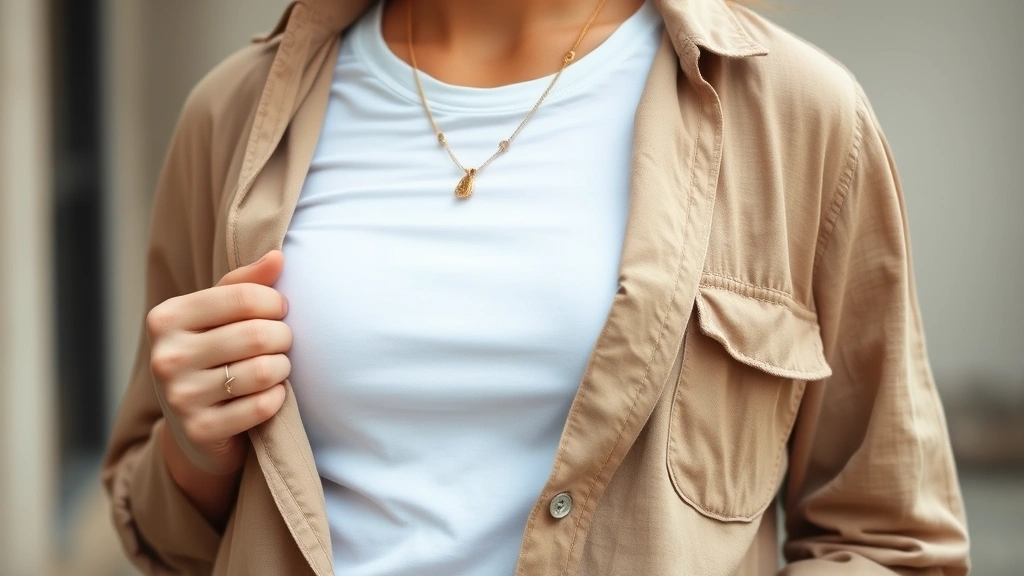
Jewelry Strategy: Keep jewelry simple for casual fashion. A delicate necklace, stud earrings, or simple rings add polish without overwhelming relaxed outfits. Layering delicate necklaces creates visual interest while maintaining the understated elegance casual fashion demands.
Bags and Functionality: Choose bags that serve your lifestyle while complementing your style. A structured tote works for errands and work, while a crossbody bag provides hands-free convenience. Neutral leather bags work with virtually everything, making them smart investments for casual fashion dress.
Scarves for Versatility: A patterned or solid scarf instantly updates casual outfits. Tie it around your neck, drape it loosely, or knot it at your waist—each styling method creates a different look. Scarves introduce color and pattern without requiring new base pieces.
Belt Power: Belts define waistlines and add structure to oversized pieces. A simple leather belt transforms a casual t-shirt dress into a more defined outfit. Belts also break up solid colors, creating visual interest in monochromatic casual fashion dress combinations.
Hat and Sunglasses: Baseball caps, beanies, and sunglasses serve both functional and styling purposes. These accessories immediately polish casual outfits while protecting you from sun and weather. They also provide an easy way to adjust your style without changing clothes.
Footwear Choices for Every Occasion
Shoes dramatically impact how casual fashion dress reads, transforming the same outfit from sporty to sophisticated depending on your footwear choice. Building a diverse shoe collection ensures you can dress for any casual occasion.
Sneakers for Everyday Casual: Quality white sneakers represent the ultimate casual fashion staple. They work with jeans, dresses, shorts, and even trousers, making them perhaps your most versatile shoe investment. Look for clean designs without excessive branding or complicated details. Colored sneakers add personality while remaining fundamentally casual.
Loafers and Flats: Slip-on loafers and ballet flats provide comfortable alternatives to sneakers while feeling slightly more polished. These shoes work beautifully with casual fashion dress, adding sophistication without requiring effort. They transition seamlessly from casual to business-casual settings.
Sandals and Slip-Ons: During warm months, comfortable sandals and slip-on shoes keep your casual fashion dress practical. Choose neutral, simple designs that work with most outfits. Avoid overly embellished or trendy styles that limit coordination options.
Boots for Seasons: Ankle boots and casual boot styles add edge to casual fashion dress while providing warmth during cooler months. Neutral leather boots work with jeans, dresses, and skirts, making them valuable wardrobe investments that transcend seasons and trends.
Considering Occasion: While casual fashion prioritizes comfort, consider your specific activity. Running errands demands practical, supportive shoes, while meeting friends might allow for dressier options. Your casual fashion dress should always feel comfortable for the activities you’re actually doing.
Seasonal Casual Fashion Updates
Casual fashion dress evolves with seasons, requiring strategic adjustments to keep your wardrobe fresh and appropriate. Rather than purchasing entirely new pieces, update existing basics with seasonal accessories and layers.
Spring Casual Fashion: Spring invites lighter layers, pastels, and breathable fabrics. Swap heavy sweaters for lightweight cardigans and linen shirts. Introduce soft colors while maintaining your neutral foundation. Denim remains essential, paired with lighter tops and layers you can shed as temperatures rise. Spring casual fashion dress benefits from layering pieces you can adjust throughout unpredictable weather.
Summer Simplicity: Summer casual fashion prioritizes breathability and minimal layers. Focus on cotton t-shirts, linen pants, and lightweight dresses. Summer casual fashion dress can embrace more color and pattern, as lighter fabrics and brighter lighting make these elements feel less overwhelming. Sleeveless pieces, shorts, and sandals become primary players in your warm-weather rotation.
Fall Transitions: Fall casual fashion invites richer colors, texture mixing, and layering. Introduce sweaters, long sleeves, and lightweight jackets. Pair your basics with fall-appropriate colors like burgundy, mustard, and olive. Fall casual fashion dress leverages layering to create visual interest as temperatures drop. This season allows for more adventurous color combinations while maintaining casual elegance.
Winter Warmth: Winter casual fashion demands functional outerwear and strategic layering. Invest in a quality winter coat and build outfits that layer effectively underneath. Winter casual fashion dress can embrace heavier textures, darker colors, and cozy sweaters. Boots, scarves, and hats become styling essentials rather than accessories.
Budget-Friendly Styling Strategies
Creating a functional casual wardrobe doesn’t require unlimited spending. Strategic shopping and smart styling decisions maximize your budget while building a cohesive collection.
Quality Over Quantity: Invest in fewer, higher-quality basics rather than numerous cheap pieces. A well-made t-shirt lasts longer and looks better than fast-fashion alternatives. Quality basics serve as foundations for countless casual fashion dress combinations, justifying higher upfront costs through longevity and versatility.
Shopping Your Closet: Before purchasing new pieces, examine what you already own. Combine existing items in new ways, discovering outfit possibilities you hadn’t considered. This practice reduces unnecessary shopping while building styling confidence. Your current casual fashion dress pieces likely offer more combinations than you’ve explored.
Strategic Sales Shopping: Purchase basics during sales rather than impulse-buying trendy pieces. End-of-season sales offer excellent deals on neutrals and foundational pieces. Building your casual wardrobe through strategic sales shopping stretches your budget significantly.
Capsule Wardrobe Approach: Focus on creating a small collection of pieces that work together cohesively. A well-planned capsule wardrobe of 20-30 pieces creates dozens of casual fashion dress combinations. This intentional approach prevents closet clutter and ensures everything you own serves your lifestyle.
Thrifting and Secondhand: Thrift stores offer excellent deals on quality basics and unique pieces. Secondhand shopping supports sustainable fashion practices while stretching your budget. Many stylists recommend thrifting for basics, allowing you to invest in quality without premium prices.
Mixing Price Points: Combine affordable basics with investment pieces. Spend more on jeans and coats you wear constantly, while purchasing less expensive t-shirts and basic tops. This balanced approach maximizes quality and longevity without excessive spending on casual fashion dress essentials.
FAQ
What defines casual fashion dress for women?
Casual fashion dress prioritizes comfort and authenticity while maintaining intentional style. It encompasses everyday pieces like jeans, t-shirts, and simple sweaters that work together to create effortlessly put-together outfits. Casual fashion emphasizes personal expression and practicality over trends or formality.
How many basics should I own for a functional casual wardrobe?
Most stylists recommend owning at least 3-4 pairs of jeans, 5-7 neutral t-shirts, 3-4 sweaters or cardigans, and 2-3 neutral pants. These foundation pieces create the basis for numerous casual fashion dress combinations. From there, add pieces that reflect your personal style and lifestyle needs.
Can I wear casual fashion dress to professional settings?
Yes, business-casual environments often welcome elevated casual fashion. Pair neutral pants or a casual dress with a structured blazer and simple jewelry for a professional yet relaxed look. The key is ensuring pieces are well-fitted and in neutral colors, elevating casual fashion dress to appropriate professionalism.
How do I develop my personal casual style?
Pay attention to outfits you feel confident wearing. Notice which pieces you reach for repeatedly and which colors flatter you. Explore fashion inspiration from sources aligned with your aesthetic. Your personal casual style emerges from understanding your preferences and building a wardrobe that reflects your authentic self rather than copying trends.
What’s the best way to transition casual fashion dress between seasons?
Rather than replacing your entire wardrobe, update layers and accessories seasonally. Swap sweaters for lighter cardigans, change footwear, and introduce seasonal colors. This approach maximizes your investment in basic pieces while keeping your casual fashion dress fresh throughout the year.
Are there rules for mixing patterns in casual fashion dress?
Generally, pair one patterned piece with solid basics to maintain visual balance. If wearing patterned jeans, choose a solid top. If wearing a patterned top, opt for solid bottoms. Ensure patterns share a color to create cohesion. This approach keeps casual fashion dress interesting without becoming chaotic.
Understanding casual fashion dress empowers you to get ready confidently, knowing your outfits serve both comfort and style. By investing in quality basics, understanding your personal aesthetic, and mastering simple styling techniques, you’ll create countless casual looks that feel authentically you. Your casual wardrobe becomes a reliable tool for expressing yourself daily, requiring less deliberation and more enjoyment. Start with your foundation pieces, add strategically chosen accessories, and build from there. The beauty of casual fashion dress lies in its accessibility—anyone can master it with intention and practice.

Related Posts
Perfect Old Fashioned Donut: Baker’s Secrets
Old Fashioned Chocolate Pie Recipe? Chef’s Favorite