Big and Tall Fashion Tips? Stylist Advice
Big and Tall Fashion Tips: Expert Stylist Advice for Men
Finding clothes that fit well when you’re a big and tall man can feel like an impossible task. Standard sizing often leaves you with sleeves that end mid-forearm, pants that hit above the ankle, or shirts that bunch awkwardly around the midsection. But here’s the truth: looking sharp and feeling confident in your wardrobe isn’t just possible—it’s entirely achievable with the right guidance and strategy. This comprehensive guide breaks down everything you need to know about big and tall fashion for men, from understanding fit fundamentals to building a versatile closet that actually works for your body type.
The fashion industry has made tremendous strides in recent years, with more retailers recognizing that men come in all shapes and sizes. Whether you’re shopping online or in-store, knowing how to navigate the options and make smart choices will transform your entire approach to getting dressed. We’ll explore everything from fabric selection and proportional dressing to color theory and where to find quality pieces that won’t break the bank.
Understanding Fit and Proportions
The foundation of any great wardrobe starts with understanding how clothes should fit your body. For big and tall men, this becomes even more critical because standard sizing simply won’t work. The key is recognizing that fit isn’t about hiding your body—it’s about dressing it strategically and confidently.
Shoulder seams matter more than you think. The seam should sit right at the edge of your shoulder, not drooping down your arm or pulling up toward your neck. For tall men, this often means seeking out extended or tall sizes rather than just going up in regular sizes. Extended sizes maintain proper proportions while giving you the length you need in sleeves and torso.
When it comes to length, your shirt should cover your backside completely when you’re standing, and your sleeves should reach your wrist bone when your arms hang naturally at your sides. Pants should break slightly at the top of your shoe—not bunching or creating excess fabric, but with just a subtle fold. This is where inseam becomes crucial; don’t settle for hemming everything if you can find proper tall sizes.
Chest and waist proportions require special attention too. Many big and tall men struggle because they need both width in the chest and length in the arms, which isn’t always easy to find. Look for brands that specifically cut for tall frames rather than just scaling up standard sizes. The difference is substantial when it comes to sleeve length relative to chest width.
Fabric Selection and Quality
The fabric you choose directly impacts how your clothes look and feel on your body. For larger frames, certain fabrics work better than others, and understanding these distinctions will elevate your entire wardrobe quality.
Natural fibers generally perform better for big and tall men. Cotton, linen, wool, and silk have better drape and breathability than many synthetic blends. A 100% cotton shirt will hang more naturally than a polyester-heavy blend, creating cleaner lines and a more polished appearance. This is especially important when wearing fitted styles or layering pieces.
Weight and weight distribution matter significantly. Heavier-weight fabrics like 14-16 oz denim or substantial cotton twills hold their shape better and won’t cling to your body in unflattering ways. Conversely, lightweight fabrics can work beautifully when they’re high-quality—a fine linen or lightweight cotton creates elegant casual looks without feeling flimsy or cheap.
Stretch fabrics deserve a mention here. A small amount of elastane (2-5%) in dress pants, chinos, and casual trousers provides comfort and better movement without sacrificing the professional appearance. This is particularly valuable for big and tall men who need clothes that move with their body throughout the day.
Quality construction indicators include straight seams, even stitching, reinforced stress points, and substantial hems. When examining pieces, look at how seams are finished, whether buttons are securely attached, and if the fabric feels substantial in your hands. Investment pieces should last years, not months.
Color and Pattern Strategy
Color selection for big and tall fashion isn’t about restrictive “rules”—it’s about understanding what makes you look and feel confident. Your skin tone, hair color, and personal preferences should guide your choices far more than outdated advice about what larger men should wear.
Neutral foundations remain essential for building a cohesive wardrobe. Navy, charcoal gray, black, khaki, and white form the backbone of versatile dressing. These colors work with virtually everything else you own, making outfit combinations easier and your wardrobe more functional. Invest in quality versions of these basics because you’ll wear them constantly.
Adding personal color comes next. Once you have strong neutrals, explore colors that complement your complexion. Whether that’s warm earth tones, cool jewel tones, or bright accent colors is entirely personal. The key is choosing colors intentionally rather than randomly, which creates cohesion in your wardrobe and makes getting dressed simpler.
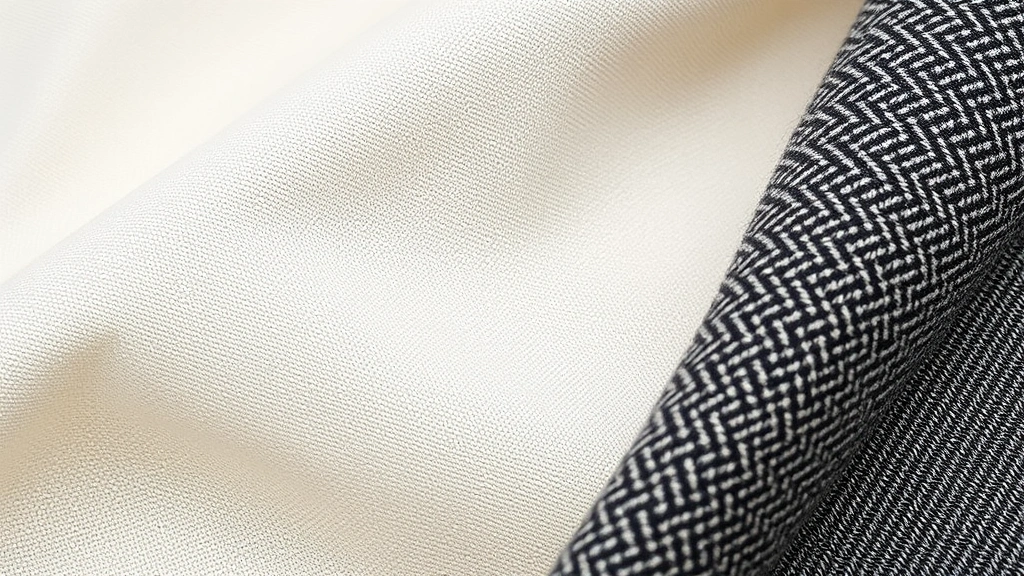
Patterns work beautifully for all body types when chosen thoughtfully. Smaller, tighter patterns generally look cleaner than large, bold prints. A classic checked shirt, subtle herringbone weave, or refined plaid creates visual interest without overwhelming your frame. Horizontal stripes work fine—the myth that they’re universally unflattering is simply untrue.
Mixing patterns requires confidence and practice, but it’s absolutely achievable. Pair a patterned shirt with solid pants, or a striped shirt with a checked blazer. The trick is varying the pattern scale—large with small, tight with loose—and ensuring colors complement each other. This technique adds sophistication to your everyday style.
Building Your Foundation Wardrobe
Rather than buying randomly, strategic wardrobe building ensures every piece works with multiple others, maximizing outfits from fewer items. This approach saves money and reduces decision fatigue when getting dressed.
Start with essential basics:
- White and light blue dress shirts (quality cotton, properly fitted)
- Navy and charcoal blazers in appropriate sizes
- Dark jeans and neutral chinos
- White, gray, and navy t-shirts
- Neutral sweaters (crew neck and v-neck)
- Casual button-ups in complementary colors
- Neutral outerwear appropriate for your climate
These pieces form the foundation upon which everything else builds. Quality matters here more than quantity—one excellent blazer that fits perfectly is worth more than three mediocre ones. When you’re building from scratch, prioritize fit and quality over quantity.
Add layering pieces next. Cardigans, sweaters, and lightweight jackets allow you to adjust to temperature changes and create visual interest in your outfits. For big and tall men, layering is particularly useful because it allows you to build dimension and break up large areas of solid color.
Accessory fundamentals deserve attention too. A quality leather belt, versatile watch, and simple jewelry elevate basic outfits significantly. Scarves add sophistication to winter looks, and they’re particularly effective for tall men who can wear longer styles without looking overwhelmed.
Shopping Strategies and Retailers
Finding quality big and tall fashion requires knowing where to look and understanding what different retailers offer. The landscape has improved dramatically, with specialty retailers and mainstream brands now offering extended sizing.
Specialty big and tall retailers like DXL and King Size Direct focus exclusively on extended sizing, meaning all their pieces are cut with tall and large proportions in mind from the beginning. This approach results in better-proportioned clothing than simply scaling up standard sizes. Their selection has expanded considerably, and quality has improved across the board.
Mainstream retailers now offer extended sizing options online and in select stores. Brands like Ralph Lauren, J.Crew, and Gap all carry tall and big sizes. Shopping online allows you to access their full extended range, even if your local store doesn’t stock it.
Department stores like Nordstrom and Macy’s carry big and tall sections with multiple brand options. This allows you to compare fits from different manufacturers in one place, which is invaluable for finding what works for your body.
Online-only retailers have disrupted the market positively, offering competitive pricing and extensive size ranges. Many feature detailed size charts and customer reviews that help you make informed decisions without trying things on in person.
Pro shopping tips: Always check size charts rather than assuming your size—proportions vary significantly between brands. Read customer reviews mentioning fit and sizing. Don’t be afraid to order multiple sizes to compare. Many retailers offer free returns, making this strategy cost-effective.
Tailoring and Alterations
Even with extended sizing available, some alterations may still be necessary. A good tailor is an investment that pays dividends in how your clothes fit and how you feel wearing them.
Common alterations for big and tall men include hemming pants to the correct length, tapering trouser legs for a modern fit, adjusting sleeve length on shirts and jackets, and taking in seams for a more tailored appearance. These changes can transform an okay-fitting piece into one that looks custom-made for you.
Finding a skilled tailor requires asking for recommendations and examining their previous work. A good tailor understands proportion and can advise you on what alterations will work best for your body and style. Build a relationship with someone you trust—they’ll become invaluable as your wardrobe evolves.
Budget for tailoring from the beginning. A $60 pair of pants that costs $20 to hem becomes a $80 investment, which is still reasonable for quality basics. However, hemming a $200 blazer costs $30-50, bringing the total to $230-250. Factor these costs into your purchasing decisions, especially for more expensive pieces.
Styling Tips by Occasion
Knowing how to put outfits together transforms individual pieces into a functional wardrobe. These styling approaches work for various situations big and tall men encounter regularly.
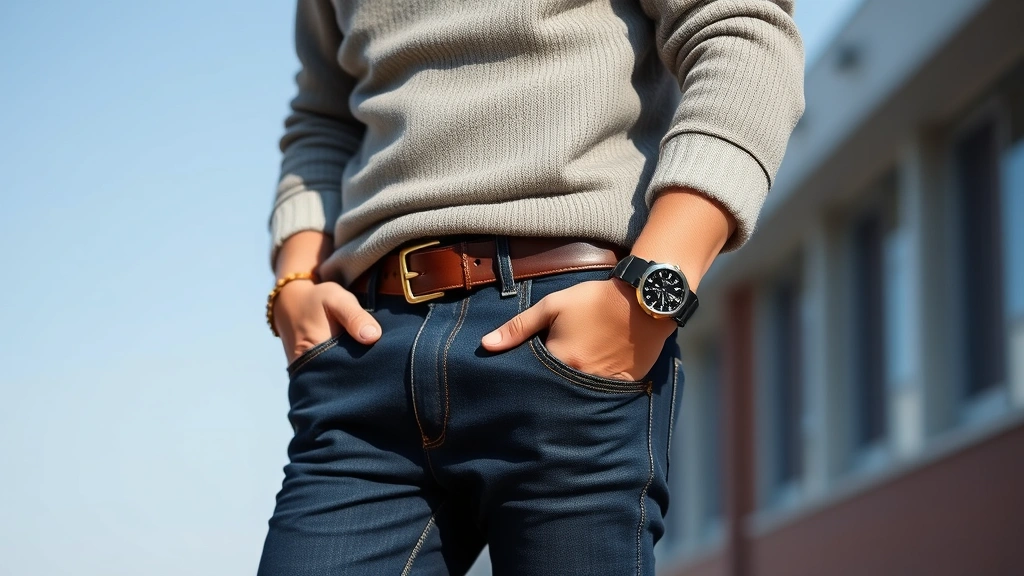
Casual everyday styling might pair dark jeans with a quality t-shirt and casual button-up, layered with a sweater or lightweight jacket. Add a belt and watch, and you’ve got a put-together look that’s comfortable and appropriate for most situations. The key is choosing pieces that fit properly and complement each other.
Business casual requires a step up in formality. Chinos or dress pants paired with a button-up shirt and blazer creates a polished look suitable for offices and professional settings. Skip the tie unless required, and let the quality of your pieces speak for itself. This look works even better when you’ve invested in proper tailoring.
Smart casual balances dressy and relaxed. Quality jeans or chinos with a blazer and dress shirt create an elevated casual look perfect for dinners out or social events. Rolling up your sleeves adds approachability, while keeping everything else structured maintains sophistication.
Formal occasions require a well-fitting suit. For big and tall men, this means seeking out extended sizing or having a suit tailored specifically for you. A navy or charcoal suit in quality fabric, paired with a crisp white shirt and classic tie, never fails. Proper fit is absolutely crucial here—a poorly fitting suit undermines even the most expensive pieces.
Understanding how to dress for your climate matters too. Layering becomes your best friend in colder weather, allowing you to add and remove pieces as needed. In warmer climates, breathable fabrics and lighter colors keep you comfortable while maintaining style. Quality sunglasses and hats provide both function and style benefits.
FAQ
What’s the best way to find my correct size in big and tall fashion?
Start by taking accurate measurements of your chest, waist, inseam, and sleeve length. Compare these measurements against size charts from multiple brands—proportions vary significantly. Order from retailers with easy returns, allowing you to try multiple sizes and compare fits directly. Don’t rely on your standard size; extended sizing brands cut differently than regular lines.
Are there specific brands that cater well to big and tall men?
Yes, specialty retailers like DXL, King Size Direct, and Casual Male XL focus exclusively on extended sizing. Mainstream brands like Ralph Lauren, J.Crew, Gap, and Old Navy offer big and tall lines online. Department stores like Nordstrom and Macy’s carry multiple brands in extended sizes. Each brand has different proportions, so you may need to try several to find what works best for your body.
How much should I budget for tailoring?
Basic hemming typically costs $15-30 per item. More complex alterations like tapering or taking in seams cost $30-75. Blazer alterations run $50-150 depending on the changes needed. Factor these costs into your budget when purchasing, especially for basics you’ll wear frequently. Quality pieces are worth the investment in proper tailoring.
Can big and tall men wear patterns and colors confidently?
Absolutely. The myths about what larger men should wear are outdated. Choose patterns thoughtfully—smaller, tighter patterns work better than large prints, and mixing patterns requires varying scale and coordinating colors. Personal preference and skin tone should guide your color choices far more than restrictive rules. Confidence in your choices matters more than following arbitrary guidelines.
What’s the most important factor in big and tall fashion?
Proper fit trumps everything else. An expensive piece that doesn’t fit well looks worse than a moderately priced piece that fits perfectly. Invest in extended sizing options, consider tailoring for key pieces, and prioritize quality basics that fit your proportions. Everything else—color, pattern, style—builds from this foundation.

Related Posts
Perfect Old Fashioned Donut: Baker’s Secrets
Old Fashioned Chocolate Pie Recipe? Chef’s Favorite