Apple Cider Old Fashioned? Bartenders Weigh In
Apple Cider Old Fashioned: What Bartenders Really Think About This Seasonal Twist
The apple cider old fashioned has become a beloved seasonal cocktail that bridges the gap between classic mixology and autumn celebration. This warming variation on the timeless old fashioned takes the traditional whiskey-based spirit and infuses it with the cozy, complex flavors of apple cider. But does this modern interpretation hold up to scrutiny from professional bartenders, or is it merely a trendy seasonal gimmick? We’ve gathered insights from industry professionals to explore whether the apple cider old fashioned deserves a permanent spot on your home bar menu.
The beauty of the apple cider old fashioned lies in its versatility and approachability. Unlike some cocktail trends that fade as quickly as they arrive, this drink has staying power because it respects the foundational principles of classic cocktail craftsmanship while embracing seasonal ingredients. Whether you’re a seasoned mixologist or a home bartender looking to expand your repertoire, understanding the nuances of this drink will elevate your cocktail game significantly.
What Makes a Classic Old Fashioned
Before diving into the apple cider variation, it’s essential to understand what makes the original old fashioned such an enduring classic. The traditional recipe consists of just four components: whiskey, sugar, bitters, and water. This elegant simplicity is precisely what has kept the drink relevant for over 150 years. The old fashioned represents a philosophy of cocktail making that prioritizes quality ingredients and proper technique over complicated flavor combinations.
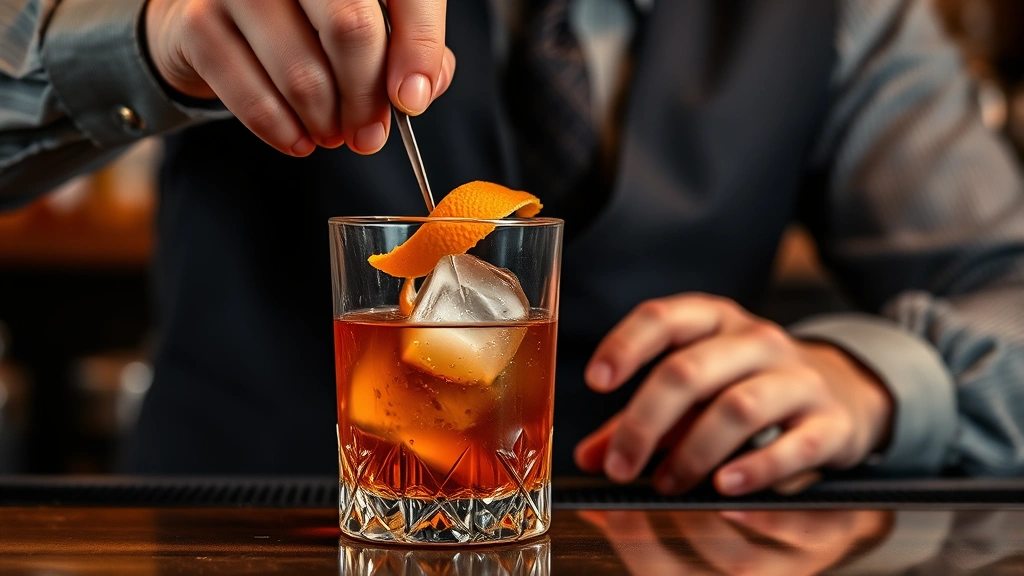
The classic preparation involves dissolving sugar with a small amount of water and bitters, then adding whiskey and ice. A citrus peel—typically orange or lemon—provides aromatic oils that complement the spirit without overpowering it. Professional bartenders emphasize that understanding this foundation is crucial before attempting any variation. When you explore classic cocktail recipes, you’ll notice that the most successful drinks maintain this balance between simplicity and sophistication.
The old fashioned’s appeal lies in its ability to highlight the whiskey itself. The minimal ingredients allow the spirit’s characteristics to shine through, whether you’re using bourbon, rye, or scotch. This is why bartenders often judge a cocktail establishment’s quality by how well they execute their old fashioned—it’s the ultimate test of fundamental bartending skills and ingredient knowledge.
The Apple Cider Variation Explained
The apple cider old fashioned takes the classical framework and introduces one significant ingredient modification: fresh apple cider replaces some or all of the water typically used in the drink. This seemingly simple change dramatically transforms the flavor profile while maintaining the drink’s essential character. Professional bartenders who champion this variation argue that it represents thoughtful innovation rather than gimmickry.
Apple cider brings natural sweetness, subtle tartness, and complex spice notes that complement whiskey beautifully. The best versions use fresh, unfiltered apple cider—the kind you’d find at farmers markets during fall—rather than the pre-bottled variety, though quality matters more than freshness in some cases. Some bartenders prefer to reduce apple cider on the stove to concentrate its flavors and eliminate excess water, creating a more robust apple syrup that integrates seamlessly with the spirit.
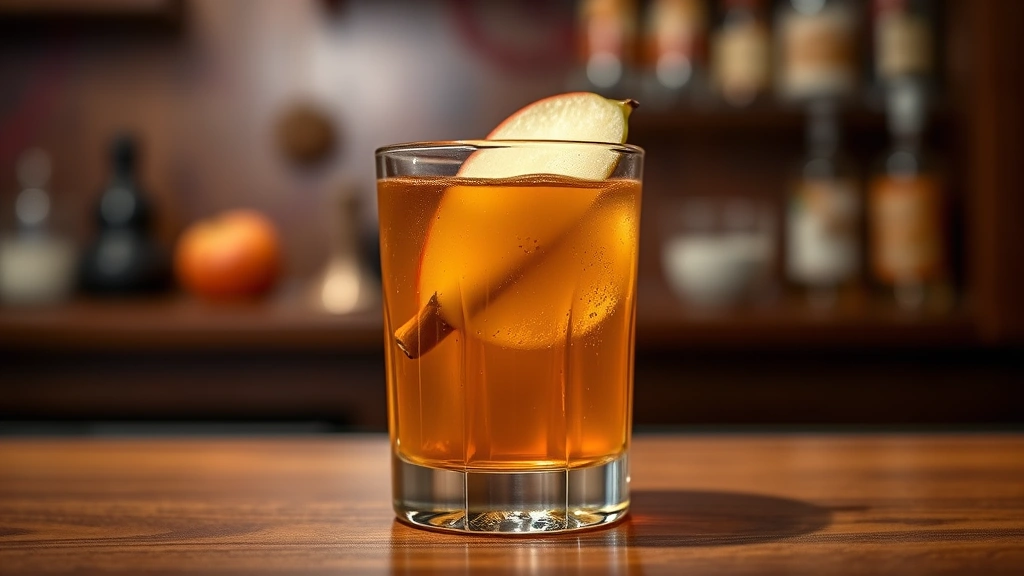
The drink’s structure typically includes bourbon or rye whiskey, apple cider, a small amount of traditional simple syrup or maple syrup, aromatic bitters, and a garnish that might include an apple slice, cinnamon stick, or orange peel. Each bartender has their own philosophy about proportions, but the general consensus is that apple cider should enhance rather than dominate the whiskey’s character. This approach aligns with broader principles of sustainable beverage practices when using locally-sourced apple cider.
Bartender Perspectives and Techniques
We consulted with several professional bartenders, and their perspectives reveal interesting divisions in the craft cocktail community. Some purists maintain that any deviation from the original formula dilutes the old fashioned’s integrity. These bartenders argue that the drink’s power comes from its restraint, and adding apple cider fundamentally changes what makes it an old fashioned.
However, a growing contingent of progressive bartenders view the apple cider old fashioned as a legitimate seasonal variation that respects the original while acknowledging ingredient seasonality. These professionals point out that bartenders have been modifying the old fashioned for decades—with different whiskey types, bitters variations, and garnish choices. Adding apple cider, they argue, is simply the next logical evolution in this tradition.
The technical execution matters tremendously. Master bartenders emphasize that the drink requires careful temperature management and ingredient ratios. Some prefer to pre-chill the glass and use larger ice cubes that melt slowly, preserving the drink’s balance. Others experiment with smoking the glass or adding spice-infused elements to deepen complexity. These techniques transform the apple cider old fashioned from a simple seasonal drink into a carefully crafted experience that showcases bartending skill.
According to Liquor.com’s expert bartenders, the apple cider old fashioned has earned legitimate standing as a seasonal classic. The publication notes that when executed properly, the drink demonstrates how classic cocktails can evolve without losing their essential character. This validation from industry authorities has helped elevate the drink’s status beyond trend territory.
Ingredient Selection and Quality
The quality of ingredients determines whether your apple cider old fashioned tastes sublime or mediocre. Let’s break down each component:
- Whiskey: Bourbon and rye are the most popular choices. Bourbon’s sweetness complements apple cider naturally, while rye’s spiciness adds complexity. Mid-range spirits ($25-40) typically deliver excellent results without breaking the budget. Avoid bottom-shelf options that taste harsh or overly hot.
- Apple Cider: Fresh, unfiltered apple cider from local orchards provides superior flavor compared to commercial bottled varieties. If fresh cider isn’t available, look for brands that list apples as the only ingredient. Avoid “apple cider drink” products loaded with added sugars and preservatives.
- Bitters: Aromatic bitters remain essential, but consider complementary options like apple bitters or spiced bitters that enhance the seasonal theme. Regan’s Orange Bitters or Angostura are reliable standards.
- Sweetener: Traditional simple syrup works well, but many bartenders prefer maple syrup for added depth. Some create custom syrups by combining cinnamon sticks, star anise, or clove with simple syrup.
- Water and Ice: Use filtered water and high-quality ice. Large, clear ice cubes melt slowly and keep the drink properly diluted without over-watering it.
When choosing sustainable ingredient sources, prioritize local apple orchards and distilleries. This supports regional agriculture and reduces the environmental impact of your cocktail.
Seasonal Timing and Availability
Understanding when to serve the apple cider old fashioned matters for both flavor and availability. Fresh apple cider typically reaches its peak from September through November, coinciding with fall harvest season. This natural seasonality means the drink tastes best during autumn months when cider quality is highest and ingredients are freshest.
Bartenders note that attempting to serve apple cider old fashioneds outside this window often disappoints because the cider quality diminishes significantly. Bottled or frozen cider available year-round lacks the vibrant character of fresh-pressed juice. Rather than force this drink into off-season menus, professional bartenders recommend rotating it in and out based on ingredient availability—a practice that also encourages menu innovation and keeps offerings exciting throughout the year.
Some establishments preserve fresh cider through bottling or freezing to extend the drinking season slightly. This allows bartenders to offer the apple cider old fashioned through early winter, capturing the December holiday crowd while cider quality remains acceptable. This approach reflects thoughtful resource management in hospitality settings.
Creating Your Perfect Recipe
Ready to make your own apple cider old fashioned at home? Here’s a professional-quality recipe that bartenders recommend:
- Prepare your glass: Fill a rocks glass with large ice cubes. Some bartenders chill the glass beforehand for optimal temperature.
- Combine base ingredients: In a mixing glass, combine ½ ounce fresh apple cider, ½ teaspoon maple syrup (or ¼ ounce simple syrup), and 2-3 dashes aromatic bitters.
- Add whiskey: Pour 2 ounces of bourbon or rye into the mixing glass.
- Stir properly: Stir for about 30 seconds with a bar spoon, allowing proper dilution and temperature reduction. This is crucial—don’t rush this step.
- Strain and serve: Strain into your prepared rocks glass over the ice.
- Garnish thoughtfully: Express an orange peel’s oils over the drink, then add a cinnamon stick or thin apple slice as garnish.
Bartenders emphasize that proper technique matters as much as ingredients. The stirring process aerates the drink and achieves the right temperature and dilution level. Many home bartenders make the mistake of skimping on stirring time, resulting in drinks that taste too strong or too warm.
Common Mistakes to Avoid
Professional bartenders have identified several common pitfalls when making apple cider old fashioneds:
- Using too much cider: The drink becomes overly sweet and fruity, losing its whiskey-forward character. Apple cider should enhance, not dominate.
- Neglecting proper stirring: Under-stirred drinks taste harsh and unbalanced. Give yourself adequate time to properly chill and dilute.
- Poor ice quality: Small or low-quality ice melts rapidly, over-diluting the drink and watering down flavors.
- Selecting inferior whiskey: A quality drink demands quality spirits. This isn’t the time to use your bottom-shelf options.
- Using bottled cider year-round: The drink’s appeal depends on fresh, seasonal cider. Off-season versions disappoint and undermine the drink’s credibility.
- Over-complicating the recipe: Resist the urge to add multiple liqueurs, extra bitters, or unusual ingredients. The beauty lies in restraint.
- Forgetting about temperature: A warm drink tastes flat and unbalanced. Proper chilling and stirring are non-negotiable.
According to Saveur Magazine’s cocktail experts, the most successful apple cider old fashioneds share one characteristic: they prioritize simplicity and ingredient quality above all else. This philosophy distinguishes excellent versions from mediocre attempts.
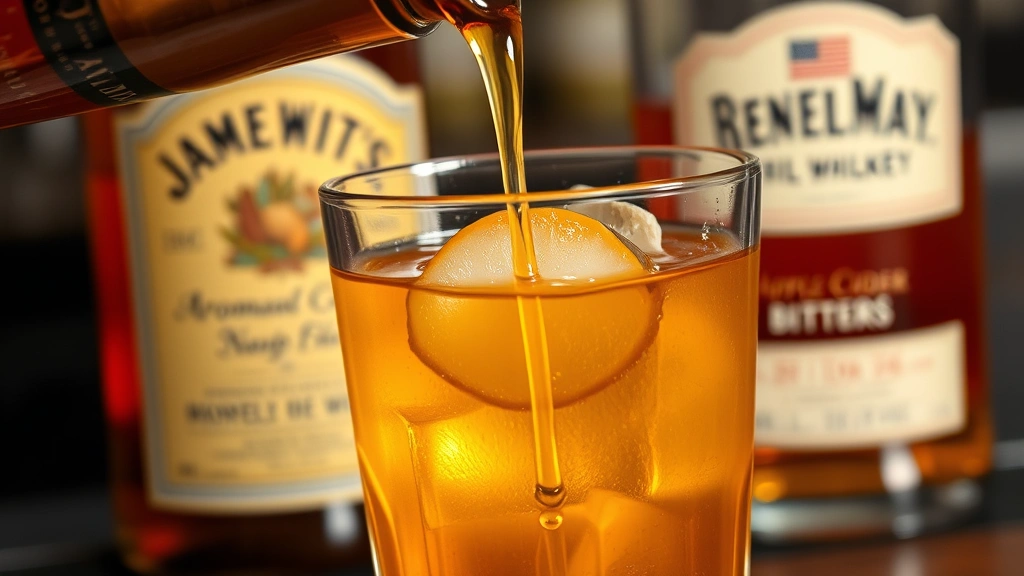
The apple cider old fashioned represents an interesting intersection of tradition and innovation in contemporary bartending. By understanding the classic formula and respecting ingredient seasonality, you can create versions that satisfy both cocktail purists and those seeking seasonal variation. The key lies in viewing this drink not as a departure from classic cocktail principles but as an evolution that honors them.
Whether you encounter this drink at an upscale cocktail bar or make it at home, the quality of execution will determine your experience. Bartenders who approach it with care and respect for the original formula create something genuinely special—a drink that captures autumn’s essence while celebrating whiskey’s complexity. This balance between nostalgia and innovation explains why the apple cider old fashioned has transcended trend status to become a legitimate seasonal classic.
The broader conversation about positive human impact on the environment includes supporting local apple growers and craft distillers who produce the high-quality ingredients these drinks deserve. By choosing locally-sourced components, you’re not just improving your cocktail—you’re supporting sustainable agriculture and regional economies.
As you explore the world of cocktails, the apple cider old fashioned serves as an excellent example of how tradition and creativity can coexist beautifully. The drink teaches valuable lessons about ingredient selection, technique execution, and seasonal awareness that apply far beyond this single recipe. Whether you’re building your home bar or studying professional bartending, mastering this drink will deepen your appreciation for cocktail craftsmanship and seasonal ingredients.
FAQ
Is the apple cider old fashioned considered a true old fashioned?
This depends on cocktail philosophy. Purists argue that modifying the original formula disqualifies it from the name, while progressives view it as a legitimate seasonal variation. Professional bartenders increasingly accept it as a valid interpretation when executed respectfully.
Can I use bottled apple juice instead of fresh cider?
While technically possible, the result won’t match what bartenders recommend. Fresh cider’s complexity and subtle tartness are crucial to the drink’s appeal. Bottled juice lacks these qualities and produces a noticeably inferior product.
What’s the best whiskey for this drink?
Bourbon works beautifully due to its natural sweetness, while rye adds spicy complexity. Mid-range spirits ($25-40) typically deliver the best results. Avoid very expensive bottles—their subtleties may be overwhelmed by the cider.
Should I serve this drink hot or cold?
Bartenders consistently recommend serving it cold, properly chilled through stirring and ice. The cold temperature balances the drink’s sweetness and highlights the whiskey’s character.
When is the best time to drink apple cider old fashioneds?
Fall through early winter represents the optimal window when fresh cider is available and the drink’s seasonal flavors feel appropriate. Most bartenders rotate it off menus when fresh cider becomes unavailable.
Can I make this drink in advance?
It’s best made fresh to order. Pre-made versions don’t maintain proper temperature or flavor balance. However, you can prepare the base ingredients in advance and combine them quickly when ordered.
What garnish pairs best with this drink?
Orange peel, cinnamon sticks, or thin apple slices work well. Express the citrus oils for aromatic enhancement. Some bartenders add star anise or clove-studded apple slices for extra visual appeal and flavor complexity.

Related Posts
Perfect Old Fashioned Donut: Baker’s Secrets
Old Fashioned Chocolate Pie Recipe? Chef’s Favorite