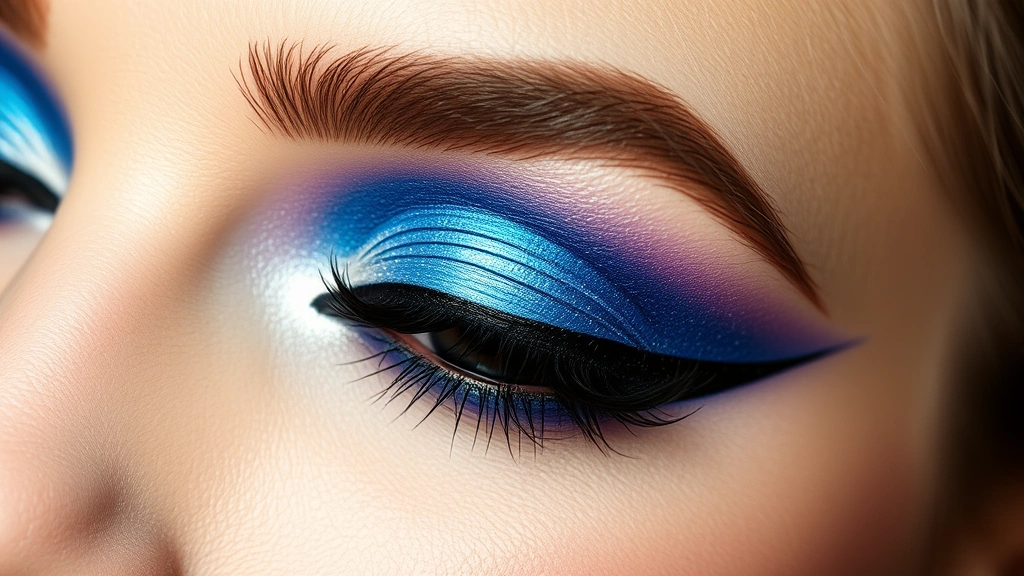
90’s Hip Hop Makeup Trends? Expert Insights
90’s Hip Hop Makeup Trends: Expert Insights on Bold Beauty & Cultural Impact
The 1990s hip hop scene wasn’t just about music—it was a complete cultural revolution that transformed fashion, style, and yes, makeup. From the glittering eyeshadow of West Coast rap to the edgy eyeliner of East Coast artists, the makeup trends that emerged from hip hop culture during this era continue to influence beauty standards today. Whether you’re a makeup enthusiast looking to recreate these iconic looks or simply curious about how hip hop shaped modern beauty, understanding the makeup aesthetic of the 90’s offers fascinating insights into how music and fashion intersect.
This era celebrated individuality, boldness, and unapologetic self-expression. Artists like TLC, Salt-N-Pepa, and countless others weren’t afraid to experiment with unconventional colors, dramatic application techniques, and statement-making looks. The makeup wasn’t subtle—it was meant to turn heads, command attention, and reflect the confident energy of the music itself. Let’s dive deep into the makeup trends that defined 90’s hip hop culture and explore how you can authentically recreate these legendary looks.

The Rise of Bold Eyeshadow & Metallics
The eyeshadow game in 90’s hip hop was unmatched. Artists embraced vibrant, high-pigment shadows in electric blues, hot pinks, deep purples, and shimmering golds. This wasn’t the era of blending multiple neutral tones—this was about making a statement with color. The eyeshadow was often applied heavily on the lid and extended beyond the natural eye shape, creating a dramatic, almost artistic look that demanded attention.
Metallic finishes were particularly popular, with silver and gold eyeshadows taking center stage. These weren’t the subtle shimmer products we see today; they were full-coverage, reflective metallics that caught light and created an almost futuristic appearance. Many artists used cream-based metallic shadows that could be applied thickly and would stay in place throughout performances and appearances. The application was often monochromatic—one bold color covering the entire lid area—rather than the multi-shade techniques that became popular later.
What made this trend so revolutionary was its rejection of conventional beauty standards. Traditional makeup application in the 80s and early 90s still followed certain rules, but hip hop artists threw those rules out the window. They weren’t trying to appear “natural” or “professional” in a traditional sense. Instead, they were creating art on their faces that matched the boldness and innovation of the music they were creating. This approach to makeup as creative expression rather than mere enhancement became a defining characteristic of the era.
The choice of metallic eyeshadows also connected to the broader aesthetic movement of 90’s hip hop, which often incorporated shiny, reflective elements in clothing and accessories. Everything from oversized jackets with metallic threading to jewelry with high shine was part of the visual language. Makeup became another canvas for this expression of luxury and boldness.

Defined Brows & Sharp Eyeliner
While eyeshadow took center stage, the eyebrows and eyeliner provided crucial definition and structure. Unlike the thin, over-plucked brows that dominated some earlier decades, 90’s hip hop artists often maintained fuller brows with clear, defined shapes. The brows were typically darkened with eyebrow pencil or powder to create a strong arch and defined tail.
Eyeliner application was equally dramatic. Both upper and lower lash lines were heavily lined, often in black, dark brown, or even complementary colors that matched the eyeshadow. The eyeliner was thick and bold, creating a graphic quality to the eye makeup. Some artists extended the eyeliner beyond the natural eye shape, creating a subtle cat-eye or winged effect that added to the overall intensity of the look.
The technique of lining both upper and lower lashes became iconic during this period. This created a frame around the eye that made the eyeshadow pop even more dramatically. The precision of the eyeliner application—sharp lines, clean edges—contrasted beautifully with the sometimes looser, more artistic application of the colorful eyeshadow.
For those looking to recreate this aspect of 90’s hip hop makeup, the key is commitment to definition. You’ll need quality eyeliner pencils or liquid liners that can create precise lines. The application should be intentional and visible—this isn’t about subtle enhancement but about creating a strong visual statement that frames your eyes.
Lip Color Dominance
The lips were another area where 90’s hip hop artists made bold choices. Rich, saturated lip colors were everywhere—deep reds, burgundies, browns, and even unconventional shades like plum and dark pink. The lip color was often applied with precision using lip liners that either matched or contrasted with the lip color itself.
What’s interesting about 90’s hip hop lip trends is the variety. Unlike eyeshadow, which followed certain color trends, lip colors were incredibly diverse. This reflected the individualism of the era—artists weren’t trying to look like each other; they were creating their own signature looks. Some preferred classic reds, while others went for deeper, more mysterious tones. Matte finishes were common, though glossy and shimmery lips also appeared frequently.
The lip liner became an important tool in achieving the 90’s hip hop aesthetic. A darker liner used to overline the lips slightly or create a defined border was a common technique. This added dimension and ensured the lip color stayed put during performances. Some artists used contrasting lip liner—for example, a dark brown liner with a burgundy lip—to create additional visual interest.
When thinking about modern recreation of this trend, consider how lip color can completely change your overall look. The boldness of these lip choices meant they could stand alone as the focal point of makeup, or they could work in harmony with equally bold eye makeup. The key is choosing colors that feel confident and authentic to you, just as 90’s hip hop artists did.
Glitter, Gems & Artistic Details
Beyond traditional makeup products, 90’s hip hop artists embraced embellishments that elevated their makeup to true art. Glitter was applied liberally—on eyelids, under eyes, and sometimes even on cheekbones. Rhinestones, gems, and other decorative elements were glued directly to the face, creating a luxurious, eye-catching effect that was perfect for stage performances and music videos.
This trend reflected the general aesthetic of 90’s hip hop fashion, which valued excess, luxury, and visual impact. Just as artists wore oversized gold chains and shiny fabrics, they also adorned their faces with sparkle and shine. The application of these elements required creativity and a willingness to experiment—there were no strict rules, just artistic vision.
The use of glitter and gems also democratized makeup in an interesting way. These embellishments were affordable and accessible, meaning that fans could recreate their favorite artists’ looks without needing expensive, high-end makeup products. A little glitter and some creativity could transform anyone’s makeup into something that captured the spirit of 90’s hip hop.
Modern makeup artists looking to incorporate this element should consider quality loose glitters or adhesive-backed gems. The application should be intentional and artistic—glitter scattered randomly across the lid, gems placed strategically to create a pattern or design. This is where makeup truly becomes art, and personal expression takes precedence over conventional technique.
Skin Prep & Base Techniques
While the colorful, dramatic elements of 90’s hip hop makeup get most of the attention, the foundation and base work were equally important. To make bold eyeshadow and lip colors truly pop, artists needed a well-prepared canvas. The skin had to be smooth, even-toned, and primed for long-wearing makeup application.
The base typically included foundation that matched the skin tone perfectly, creating a blank slate for the more artistic elements. Concealer was used under the eyes and on any blemishes or discoloration. Powder was applied to set everything and reduce shine, ensuring the makeup would last through performances and photo shoots.
What’s important to understand is that 90’s hip hop makeup wasn’t about ignoring skincare or base work—it was about creating a strong foundation upon which bold, artistic makeup could be applied. The contrast between a perfectly prepped base and the dramatic colors on top was part of what made the overall look so striking.
For modern recreation, don’t skip the prep work. Invest in a good primer, foundation that matches your skin tone, and setting powder. These foundational products ensure that all the fun, bold colors you apply will look their best and last longer. Think of it as creating a canvas before you paint your masterpiece.
Regional Variations: East vs West Coast
The 90’s hip hop scene had distinct regional differences, and makeup trends reflected these variations. West Coast hip hop, particularly from Los Angeles, tended toward brighter, more neon-influenced eyeshadows. The aesthetic was more glamorous and polished, with emphasis on high-shine metallics and bright colors that photographed well in sunny California light.
East Coast hip hop, centered in New York, often featured edgier, darker makeup looks. The color palette included deeper purples, dark greens, and blacks. The application style was sometimes more graphic and angular, with sharp lines and defined shapes. This reflected the grittier, more street-influenced aesthetic of East Coast hip hop culture.
Understanding these regional variations helps illustrate how 90’s hip hop fashion and beauty weren’t monolithic. Different artists and different regions had their own interpretations of what bold, confident makeup should look like. This diversity is one of the reasons 90’s hip hop makeup trends remain so influential—there wasn’t just one “correct” way to do it.
When recreating 90’s hip hop makeup, you can choose to emphasize the style that resonates with you most. Do you prefer the bright, glamorous West Coast aesthetic, or the edgier, darker East Coast approach? Both are equally valid expressions of the era’s makeup trends, and choosing between them is part of the creative process.
Modern Recreation Tips
If you’re inspired to recreate 90’s hip hop makeup trends, here are some practical tips for achieving an authentic look. First, invest in quality eyeshadow palettes with bold, highly-pigmented colors. Brands specializing in vibrant shades and metallics will serve you better than neutral-focused palettes. Look for eyeshadows that have true color payoff and can be applied heavily without looking patchy.
Second, don’t be afraid of color combination. 90’s hip hop makeup wasn’t about matching—it was about creating visual interest through contrasting colors. Try pairing a bright blue eyeshadow with a burgundy lip, or a shimmering gold shadow with a deep plum lip. The boldness of individual elements works together to create a cohesive, confident look.
Third, practice your eyeliner application. The precision of the lines in 90’s hip hop makeup is important. Whether you prefer pencil, liquid, or gel eyeliner, make sure you can create clean, defined lines on both your upper and lower lash lines. This takes practice, so don’t get discouraged if it’s not perfect on your first try.
Fourth, consider the sustainability aspects of your makeup choices. When exploring 90’s hip hop fashion and beauty trends, you might also think about how to make these looks in environmentally conscious ways. Some modern brands offer highly pigmented, bold eyeshadows using sustainable practices, allowing you to express yourself while being mindful of your impact. The spirit of 90’s hip hop—bold self-expression and authenticity—can extend to conscious consumer choices as well.
Fifth, remember that the most important aspect of 90’s hip hop makeup is confidence. These looks were designed to make a statement and command attention. Apply your makeup with the same boldness and conviction that the original artists did. Don’t apologize for bright colors or dramatic application—wear it like you own it.
Finally, have fun and experiment. 90’s hip hop makeup was about artistic expression and pushing boundaries. Try different color combinations, play with glitter and embellishments, and create looks that feel authentic to you. The beauty of this trend is that there’s no single “correct” way to do it—just like there was no single correct way to make hip hop music in the 90’s.
FAQ
What were the most popular eyeshadow colors in 90’s hip hop makeup?
The most popular colors included electric blues, hot pinks, deep purples, shimmering golds, and silvers. Metallics were particularly favored because they caught light and created a dramatic, eye-catching effect that worked well for performances and photography.
How can I make 90’s hip hop makeup last all day?
Use a good eyeshadow primer before applying your shadows, set everything with powder, and consider using setting spray at the end. These steps will help your bold colors stay vibrant and in place throughout the day. Quality, highly-pigmented products also tend to last longer than cheaper alternatives.
Is 90’s hip hop makeup appropriate for everyday wear?
Absolutely! While these looks were originally created for performances and special occasions, there’s no reason you can’t wear them daily if you’re comfortable. Start with slightly toned-down versions if you want something more subtle, then gradually increase the boldness as you get more comfortable with the style.
What products do I need to recreate this look?
You’ll need a good foundation, primer, eyeshadow palette with bold colors, eyeliner (pencil or liquid), lip color, and setting powder. Optional additions include glitter, gems, concealer, and setting spray. You don’t need expensive products—the key is finding highly pigmented options that work for your skin.
Can I adapt 90’s hip hop makeup to suit my personal style?
Yes! The spirit of 90’s hip hop makeup is all about personal expression and pushing boundaries. Take the elements you love—bold eyeshadow, dramatic eyeliner, saturated lip color—and adapt them to what feels authentic to you. Mix and match colors, skip elements you don’t love, and create a version that’s uniquely yours.
Where can I find inspiration for 90’s hip hop makeup looks?
Music videos from the 90’s are excellent resources. Look for videos from artists like TLC, Salt-N-Pepa, En Vogue, and countless others who experimented with bold makeup. Fashion magazines from the era and modern beauty creators who specialize in 90’s recreations are also great sources of inspiration.

Related Posts
Perfect Old Fashioned Donut: Baker’s Secrets
Old Fashioned Chocolate Pie Recipe? Chef’s Favorite