90’s Makeup for Men? Expert Tips & Trends
90’s Makeup for Men? Expert Tips & Trends for Modern Masculinity
The 1990s weren’t just about grunge music, baggy jeans, and minimalist aesthetics—they also marked a pivotal moment when makeup for men transitioned from taboo to trendy. Male celebrities like Kurt Cobain, David Bowie, and Johnny Depp challenged traditional beauty standards by embracing eyeliner, foundation, and bold color palettes. Today, that same rebellious spirit is resurging, with Gen Z and millennial men confidently exploring 90’s makeup techniques as a form of self-expression and artistic freedom.
Whether you’re drawn to the moody, dark aesthetic of 90’s grunge, the edgy androgyny of the era, or simply curious about experimenting with makeup, this guide breaks down everything you need to know. We’ll explore the history, techniques, product recommendations, and styling tips that make 90’s makeup for men both accessible and authentically cool. The beauty industry has evolved tremendously, and men’s makeup is no longer a niche category—it’s a legitimate form of personal style.
The History & Cultural Context of 90’s Male Makeup
The 1990s represented a seismic shift in how men approached personal grooming and presentation. Following the androgynous glam rock movement of the 70s and 80s, the 90s brought makeup into mainstream male consciousness through multiple cultural channels. Grunge frontmen used makeup not as a beauty tool but as a statement—dark, smudged eyeliner became synonymous with rebellion, introspection, and anti-establishment attitudes.
Kurt Cobain’s iconic dark-lined eyes weren’t about looking conventionally attractive; they were about authenticity and emotional vulnerability. Similarly, the British Britpop scene saw musicians like Damon Albarn and Brett Anderson experimenting with foundation, eyeliner, and nail polish. This wasn’t limited to music either. Fashion designers pushed boundaries, male models wore makeup on runways, and magazines began featuring men in full makeup spreads. The era’s emphasis on sustainable and individualistic fashion choices extended to beauty standards.
What made 90’s makeup for men revolutionary was the context: it coincided with broader conversations about gender expression, identity politics, and the rejection of 1980s excess. The makeup wasn’t flashy or conventionally feminine—it was intentionally understated, smudged, and deliberately imperfect. This aesthetic resonated because it felt authentic rather than performative.

Essential 90’s Makeup Techniques for Men
The beauty of 90’s makeup is that it prioritizes attitude over perfection. Here are the core techniques that define the era:
- Smudged Eyeliner: The signature 90’s look. Apply black or dark brown eyeliner to the upper lash line and smudge with a finger or brush. Extend slightly past the outer corner for that effortlessly edgy vibe. The goal is intentional imperfection.
- Minimal Foundation: If using foundation at all, keep it sheer and natural-looking. The 90’s weren’t about full coverage—they were about evening out skin tone while maintaining texture and authenticity. Many men skipped foundation entirely, relying on concealer only where needed.
- Dark Eyeshadow: Charcoal, deep brown, and black eyeshadow applied to the lid and blended upward creates depth. The application should look slightly smoky and undone, not precisely blended like modern makeup tutorials suggest.
- Neutral or Matte Lips: Forget glossy lips. The 90’s preferred matte, nude, or slightly darker lip tones. Some men used lip balm exclusively, while others opted for a barely-there matte lipstick in brown or taupe.
- Defined Brows: While not always heavily filled, 90’s brows had shape and definition. A brow pencil or powder in a shade matching natural hair color helped frame the eyes without looking overdone.
The key principle underlying all these techniques is restraint. 90’s makeup for men was about enhancement and expression, not transformation. The makeup should feel like a natural extension of your style, not a mask.
Products That Define the 90’s Aesthetic
You don’t need expensive products to achieve an authentic 90’s makeup look. However, certain product types work better than others. Here’s what to look for:
- Eyeliner Pencils: Soft, blendable pencil eyeliners in black or dark brown are essential. Brands like Sephora carry excellent options across all price points. Avoid liquid eyeliner for this look—the 90’s were about smudging, not precision.
- Eyeshadow Palettes: A neutral palette with blacks, charcoals, browns, and taupes covers all your needs. Single-shade eyeshadows work just as well as palettes. Matte formulas are preferred over shimmery ones for authentic 90’s vibes.
- Concealer: A concealer one shade lighter than your skin tone helps with blemishes and under-eye darkness without requiring full foundation. Choose a formula that blends seamlessly.
- Brow Products: A brow pencil or powder in your natural hair color maintains the understated aesthetic. Skip the dramatic brow trends—90’s brows were simply groomed, not sculpted.
- Lip Products: Matte lipsticks or lip balms in neutral tones. If you prefer color, opt for browns, mauves, or deeper tones rather than bright shades.
The beauty industry has made significant strides in offering inclusive shade ranges and gender-neutral marketing, making it easier than ever for men to find products that work for their skin tone and aesthetic preferences.
Styling Tips: Makeup Meets Fashion
90’s makeup doesn’t exist in a vacuum—it’s part of a complete aesthetic. Here’s how to style the look:
Hair: Messy, textured hair complements smudged eyeliner perfectly. Longer hair, undercuts, or deliberately tousled styles all work. The key is looking like you didn’t try too hard, even if you spent time styling.
Clothing: Oversized flannel shirts, vintage band t-shirts, cargo pants, or slim-fit jeans pair well with 90’s makeup. The fashion should feel as intentionally casual as the makeup. If you’re interested in the broader context of how fashion choices reflect personal values, understanding how the built environment influences fashion choices can deepen your appreciation of 90’s style.
Accessories: Chokers, chain necklaces, rings, and vintage watches complement the look. Sunglasses (especially rectangular or oval frames) add to the aesthetic.
Overall Vibe: The 90’s were about authenticity and rejecting polish. Your entire presentation should feel like genuine self-expression rather than a costume. This is where the look truly succeeds—it feels real because it is real.
Modern Trends Inspired by 90’s Makeup Culture
The resurgence of 90’s makeup for men isn’t just nostalgia—it’s part of a broader cultural shift. Today’s beauty landscape is dramatically different from the 1990s, yet the core appeal remains unchanged. Modern men are exploring makeup through:
- Gender-Neutral Beauty: Brands now explicitly market products as gender-neutral, removing barriers that previously existed. This normalization makes experimentation safer and more accessible.
- Social Media Influence: TikTok, Instagram, and YouTube have made makeup tutorials ubiquitous. Male beauty creators showcase 90’s looks regularly, making the aesthetic visually accessible and providing step-by-step guidance.
- Celebrity Endorsement: Contemporary male celebrities, musicians, and actors openly wear makeup, normalizing the practice. This visibility matters—it tells younger men that makeup is a legitimate form of self-expression.
- Artistic Expression: Makeup for men is increasingly framed as art rather than beauty. This reframing removes some of the gendered baggage and allows men to explore makeup creatively.
Understanding how personal choices interact with broader cultural environments helps contextualize why 90’s makeup is resurging now. We’re in an era that values authenticity, rejects rigid gender norms, and celebrates individual expression.
Step-by-Step Application Guide
Ready to try 90’s makeup? Follow this simple process:
- Start with Clean Skin: Wash your face and apply moisturizer. Wait a minute for it to fully absorb. This creates a smooth base for product application.
- Apply Concealer (Optional): Use a concealer one shade lighter than your skin to cover blemishes, under-eye darkness, or redness. Blend with your finger or a damp beauty sponge. This step is optional if your skin is clear.
- Define Brows: Using a brow pencil or powder, lightly define your brows. Follow your natural brow shape—don’t over-fill or over-shape. A light hand looks more authentic.
- Apply Eyeshadow Base (Optional): A thin layer of eyeshadow primer helps products stay in place. This is especially important if you have oily eyelids. Skip this if you prefer a more minimal approach.
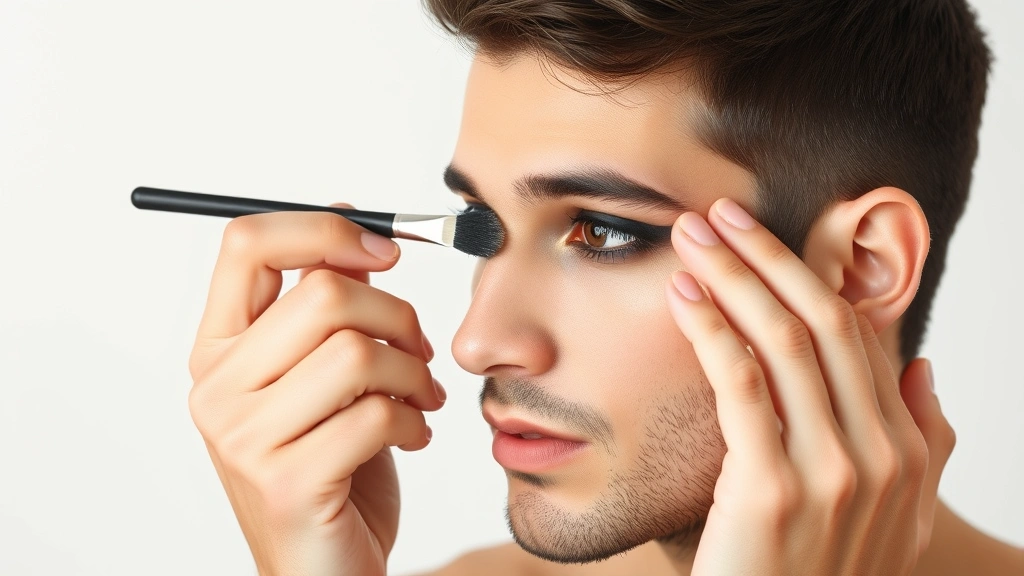
- Apply Eyeshadow: Using a flat brush, apply dark eyeshadow (charcoal or black) to your eyelid. Start at the inner corner and blend outward and upward. The application should look slightly smoky and undone.
- Line Upper Lash Line: With an eyeliner pencil, carefully line your upper lash line. Make the line slightly thicker in the center of the eye and taper toward the inner and outer corners.
- Smudge the Liner: Using a clean finger or a smudging brush, gently smudge the eyeliner. This is the signature 90’s step—the goal is intentional imperfection that looks effortlessly cool.
- Apply Lip Product: Finish with a matte lip balm or neutral lipstick. The lips should look natural and understated, not dramatic.
- Set with Powder (Optional): If your skin is oily, use a translucent powder to set your concealer and eyeshadow. Use a light hand—the goal is natural, not matte or chalky.
The entire process should take 5-10 minutes once you’re comfortable with the steps. The beauty of 90’s makeup is that it’s quick, simple, and forgiving of imperfection.
Building Confidence & Overcoming Stigma
Despite cultural progress, some men still feel hesitant about wearing makeup. If you’re experiencing doubt, remember these points:
Makeup is Self-Expression: Whether you wear makeup for artistic reasons, confidence, or simply because you enjoy it, that’s valid. You don’t need to justify your choices to anyone. The 90’s taught us that authenticity matters more than conformity.
You’re Not Alone: Millions of men wear makeup globally. Male makeup artists, beauty influencers, and everyday men incorporate makeup into their routines. You’re part of a growing community, not an outlier.
Start Small: If you’re nervous, begin with just eyeliner or concealer. Build your confidence gradually. There’s no timeline for how quickly you should progress or explore makeup.
Find Your Community: Online spaces, local makeup communities, and even beauty publications dedicated to inclusive makeup offer support and inspiration. Connecting with others on similar journeys makes the experience less isolating.
Remember that challenging outdated gender norms around beauty and presentation is inherently valuable. The 90’s understood this—that’s why the aesthetic remains so appealing decades later. Your choice to wear makeup, whether inspired by 90’s culture or contemporary trends, is a small act of personal liberation.
FAQ
Can I wear 90’s makeup to work or school?
This depends on your specific environment and comfort level. Many workplaces and schools have become more accepting of diverse presentation styles. If you’re uncertain, consider starting with subtle makeup (concealer and light eyeliner) and gradually increasing visibility as you gauge reactions. Remember that your appearance is a form of self-expression, and you deserve to feel authentic in your environment.
What if I have sensitive skin?
Choose products specifically formulated for sensitive skin. Look for hypoallergenic, fragrance-free options from brands like Cetaphil and other dermatologically-tested brands. Always patch test new products on a small area of skin before full application. If you experience irritation, discontinue use and consult a dermatologist.
Is 90’s makeup only for certain face shapes or skin tones?
Absolutely not. The 90’s aesthetic works for everyone. The beauty of the style is its simplicity and focus on attitude rather than conventional beauty standards. Adjust products and application techniques to suit your unique features, but don’t feel limited by your face shape or skin tone.
How do I remove 90’s makeup properly?
Use a gentle makeup remover or cleansing oil to dissolve product. Follow with a face wash suited to your skin type. Avoid scrubbing aggressively, especially around the delicate eye area. Pat your face dry and apply moisturizer. This routine protects your skin and maintains its health for future makeup application.
Can I wear 90’s makeup every day?
Yes, if you want to. Some men incorporate 90’s-inspired makeup into their daily routine, while others save it for specific occasions or creative expression. There’s no right or wrong frequency—wear makeup whenever it makes you feel confident and authentic.
What’s the difference between 90’s makeup and modern makeup trends?
90’s makeup prioritizes imperfection, minimalism, and attitude. Modern trends often emphasize precision, full coverage, and dramatic effects. However, the resurgence of 90’s aesthetics shows that both approaches have merit. Choose the style that aligns with your personal aesthetic and values.

Related Posts

Perfect Old Fashioned Donut: Baker’s Secrets
Old Fashioned Chocolate Pie Recipe? Chef’s Favorite