80s Punk Makeup Trends: Expert Insights
80s Punk Makeup Trends: Expert Insights
The 1980s punk movement wasn’t just about the music—it was a complete aesthetic rebellion that extended to every aspect of personal style, especially makeup. Punk makeup became a powerful form of self-expression, challenging beauty norms and creating bold, unapologetic looks that remain iconic today. Whether you’re a makeup enthusiast, costume designer, or simply curious about this transformative era, understanding 80s punk makeup trends offers valuable insights into how makeup can be weaponized as art and activism.
During this revolutionary decade, makeup artists and punk enthusiasts pushed boundaries with dramatic colors, unconventional techniques, and theatrical applications. The movement celebrated individuality and rejected mainstream beauty standards, making it one of the most influential periods in makeup history. From smoky eyes to graphic liner, the techniques developed during the punk era continue to influence modern makeup trends and inspire artists worldwide.
The Roots of Punk Makeup Philosophy
Punk makeup emerged as a direct response to the polished, commercial beauty standards of the 1970s. The philosophy behind 80s punk fashion extended deeply into cosmetics, where the goal was never to achieve flawless beauty—it was to provoke, challenge, and express rebellion. Makeup became war paint, a visual manifesto worn on the face.
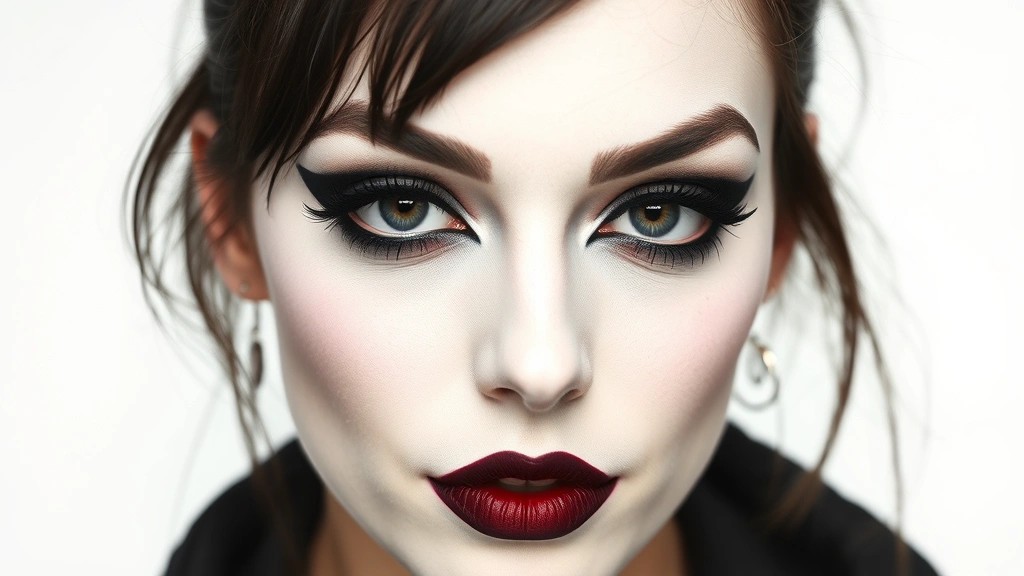
The punk movement drew inspiration from various sources, including glam rock, performance art, and avant-garde fashion. Makeup artists working within the punk scene rejected the “less is more” philosophy that dominated mainstream beauty. Instead, they embraced exaggeration, asymmetry, and intentional imperfection. Heavy black eyeliner, stark white face paint, and clashing colors became badges of honor for those embracing the punk aesthetic.
Understanding this foundational philosophy is crucial for authentically recreating 80s punk makeup. It wasn’t about following rules—it was about breaking them. The movement celebrated experimentation, allowing individuals to customize their looks based on personal expression and the specific punk subgenre they identified with (new wave, post-punk, hardcore, etc.). This freedom and experimentation remain central to punk makeup’s enduring appeal.
For those interested in how subcultures shape fashion choices, exploring environment and society intersections reveals how countercultures often emerge as responses to mainstream consumer culture, including beauty standards.
Signature Eye Makeup Techniques
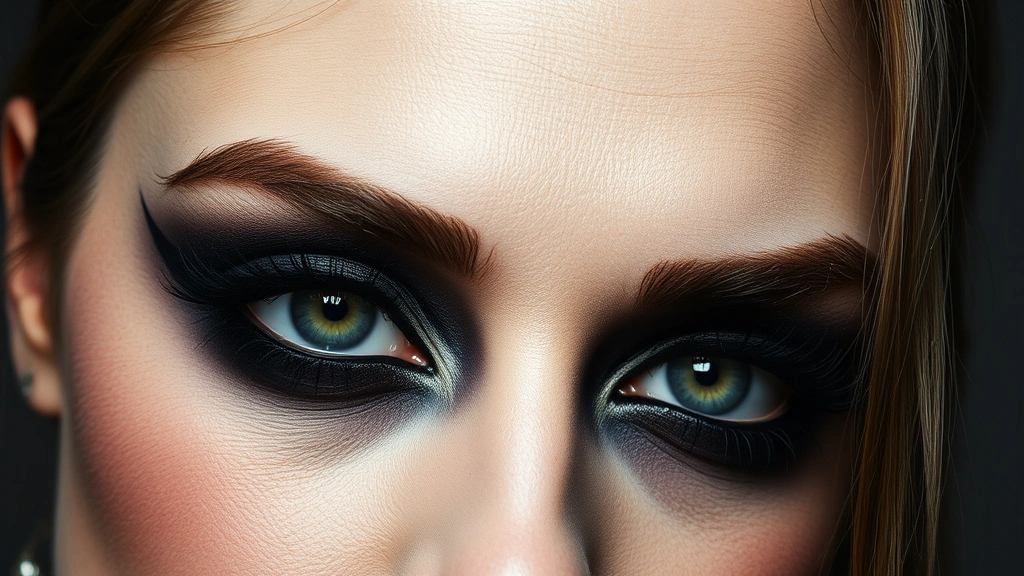
The eyes were the focal point of 80s punk makeup, serving as the primary canvas for artistic expression and rebellion. Smoky eyes dominated the era, but with a distinctly punk twist—darker, more dramatic, and often asymmetrical compared to the softer interpretations in mainstream beauty.
Black eyeliner became the signature element of punk eye makeup. Applied heavily and often extending beyond the natural eye shape, this technique created an intense, often confrontational look. The liner was typically smudged or smoked out, creating a hazy, almost bruised appearance. Many punk makeup artists applied liner to the waterline, lower lash line, and sometimes even the inner corner, creating a completely darkened eye socket effect.
Key eye techniques included:
- Graphic liner: Sharp, geometric lines that extended upward or downward, sometimes creating exaggerated cat-eyes or dramatic wings
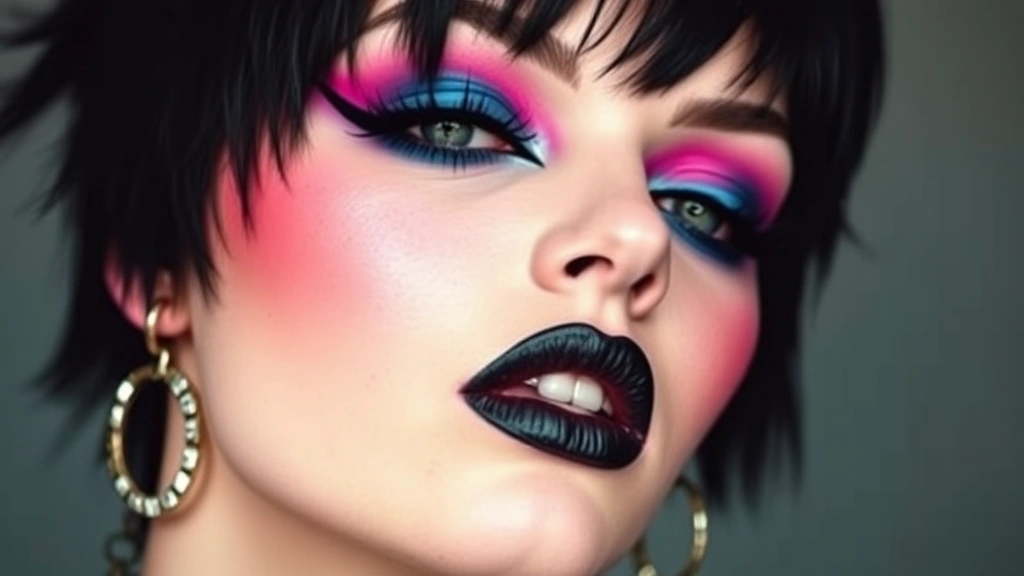
- Colored liner: While black dominated, electric blues, purples, and silvers were used by new wave adherents
- Asymmetrical application: One eye dramatically more heavily lined than the other, or different colors on each eye
- Shadow blending: Deep purples, blacks, grays, and occasionally metallics blended into the crease and across the lid
- Bare lids: Paradoxically, some punks used minimal shadow with heavy liner for stark contrast
- Glitter and shine: Metallic shadows and glitter were applied for performance and nightclub looks
The application technique differed from traditional makeup education. Rather than using brushes for precise blending, many punk makeup artists used fingers, sponges, or applicators to create intentionally rough, unblended edges. This raw quality became part of the aesthetic—perfection was actively avoided.
Lip Colors and Statements
Lip makeup in the 80s punk scene was equally bold and rebellious as the eyes. While some punks opted for dark lips, others chose shocking brights or unconventional shades that challenged color theory in mainstream beauty.
Dark lipstick was perhaps the most iconic choice, with deep blacks, plums, burgundies, and dark reds becoming punk staples. These shades were often applied with stark precision or deliberately smudged for a lived-in, edgy appearance. The darkness created a severe, almost gothic aesthetic that perfectly complemented the heavy eye makeup.
For a different aesthetic, bright lipstick choices included electric reds, hot pinks, and even unconventional shades like orange or white. These vibrant colors created striking contrast against the heavy black eye makeup, embodying the punk principle of visual contradiction and provocation.
Application methods reflected punk philosophy:
- Precise, graphic application for statement-making looks
- Intentionally smudged or faded edges for a worn appearance
- Lip liner applied in contrasting colors (black liner with bright lipstick)
- Asymmetrical application, sometimes limiting color to one side of the mouth
- Matte finishes dominated; glossy lips were considered too mainstream
- Ombre or gradient effects created by blending multiple lip colors
The lips served as a finishing statement, often the most immediately recognizable element of someone’s punk identity when viewed from a distance.
Face Contouring and Base Application
The base of 80s punk makeup was radically different from contemporary approaches to complexion. Rather than achieving a seamless, dewy finish, punk makeup often emphasized texture, contrast, and deliberate imperfection.
Foundation choices ranged from pale, almost white shades to create stark contrast with dark eyes, to heavier coverage products applied in uneven patches. Many punks deliberately avoided matching their foundation to their skin tone, instead choosing shades that created visible demarcation lines or an intentionally artificial appearance.
Face powder played a crucial role in achieving the authentic 80s punk look. Heavy application of white, translucent, or colored powder created a matte, sometimes chalky appearance. This powder application was often unblended, emphasizing the artificial nature of the makeup rather than attempting to create a natural base. Some punks used this technique to create a ghostly or corpse-like appearance, particularly in the post-punk and gothic punk subgenres.
Blush, when used, was applied in exaggerated circles on the apples of the cheeks or in sharp stripes across the cheekbones. Colors ranged from natural peachy tones to electric pinks, purples, or reds. The application was rarely subtle—the goal was visibility and impact.
Contouring, as understood in modern makeup, wasn’t really practiced in the 80s punk scene. Instead, emphasis was placed on creating stark shadows using dark eyeshadow applied to areas like the hollows of cheeks or temples. This created dimension through dramatic contrast rather than subtle sculpting.
Many punk makeup artists intentionally created an unfinished or experimental appearance, sometimes applying makeup in layers or leaving visible demarcation lines between different products. This raw quality was celebrated as authentic punk expression rather than corrected as a beauty mistake.
Hair and Makeup Integration
In 80s punk fashion, hair and makeup worked together as an integrated aesthetic statement. The relationship between these elements was crucial to achieving an authentic punk look.
Hair styling choices included spiky mohawks, liberty spikes, teased volume, or deliberately matted and textured styles. Colors ranged from natural to shocking—bleached blonde, electric blues, hot pinks, and multi-colored combinations were common. The intentional messiness of punk hair complemented the deliberately imperfect makeup application.
The integration worked in several ways:
- Color coordination: Hair and makeup colors often coordinated or deliberately clashed for visual impact
- Texture emphasis: Both hair and makeup embraced rough, unpolished textures
- Graphic elements: Shaved sections of head paired with graphic eye makeup for bold visual statements
- Volume balance: Voluminous, teased hair paired with heavy eye makeup for dramatic overall effect
- Performance consideration: Both elements were designed to be visible from a distance, crucial for punk performances and club appearances
The synergy between hair and makeup created a complete package—punks weren’t just applying makeup; they were constructing an entire visual identity.
Modern Interpretations of Classic Looks
Today’s makeup artists and enthusiasts continue drawing inspiration from 80s punk makeup trends, though with contemporary tweaks and product innovations. Understanding how modern creators reinterpret these classic looks reveals the timeless appeal of punk aesthetics.
Contemporary punk makeup maintains the core philosophy of rebellion and self-expression while utilizing modern products with better pigmentation, longevity, and finish options. Modern artists often combine authentic 80s techniques with current trends, creating fusion looks that honor the original movement while reflecting contemporary sensibilities.
Some modern interpretations emphasize the theatrical aspects, creating editorial or performance makeup inspired by 80s punk. Others take a more wearable approach, incorporating punk elements into everyday makeup in subtle ways—perhaps a smudged graphic liner or a deep burgundy lip paired with contemporary contouring techniques.
The sustainability aspect of punk culture also resonates today. Punks historically repurposed and customized clothing and accessories; modern makeup enthusiasts embrace this by experimenting with unconventional products, mixing high and low-end cosmetics, and creating looks that prioritize creativity over expensive product collections. This philosophy aligns with broader considerations about sustainable fashion brands and conscious consumption in beauty.
Drag performers, stage makeup artists, and editorial makeup professionals frequently reference 80s punk aesthetics when creating bold, artistic looks. This cross-pollination keeps the techniques alive and relevant while introducing them to new generations.
Product Recommendations for Authentic Looks
Creating an authentic 80s punk makeup look requires specific products that deliver the intensity, staying power, and finish necessary for this aesthetic. While the punk ethos embraced experimentation and using whatever products were available, certain product categories are essential.
Eyeshadow palettes should include deep blacks, grays, purples, and dark metallics. Cream shadows often work better than powders for the smudged, blended effect that defines punk eye makeup. Brands known for high-pigment, long-wearing shadows are ideal.
Eyeliner products are fundamental. Black cream or gel eyeliner applies smoothly and creates the smudged effect characteristic of 80s punk. Pencil liners offer precision for graphic applications, while liquid liners can create sharp, defined lines. Waterproof formulas ensure the look lasts through performances or nightclub environments.
Lipstick selection should include both dark and bright shades in matte or satin finishes. Long-wearing formulas prevent color from fading or transferring, crucial for maintaining the bold statement throughout the day or night.
Foundation and powder should offer full coverage and matte finish. Powder products are particularly important for achieving the pale, slightly chalky appearance central to many 80s punk looks. Setting sprays help maintain the makeup’s integrity.
Specialty products like liquid eyeliner, cream blush, and glitter or metallic products add dimension and allow for creative experimentation. Many punks would layer different formulas to create unique effects.
The most authentic approach involves treating makeup as an experimental art form rather than strictly following product recommendations. Mixing brands, repurposing products in unconventional ways, and creating custom color combinations through layering reflects the true punk spirit of creative rebellion and resourcefulness.
FAQ
What is the most essential element of 80s punk makeup?
Black eyeliner is arguably the most essential element. Heavy, dramatic black liner defined the eyes and became the signature feature of 80s punk makeup. Even minimal punk looks typically featured bold black eye makeup.
Can I wear 80s punk makeup in professional settings?
Absolutely. Modern interpretations allow for incorporating punk elements subtly—perhaps through a smudged graphic liner, dark lip color, or strategic use of metallic shadows. Many creative professionals embrace punk-inspired makeup as part of their personal brand.
What’s the difference between 80s punk makeup and goth makeup?
While both embrace dark colors and heavy makeup, punk makeup emphasizes graphic lines, asymmetry, and intentional imperfection as statements of rebellion. Goth makeup tends toward symmetry and theatrical drama. 80s punk sometimes incorporated bright colors alongside dark elements, while goth typically remained monochromatic in dark tones.
How do I make 80s punk makeup last all day?
Use waterproof, long-wearing products, apply primer before makeup, and set everything with powder and setting spray. Cream products often have better longevity than powders, and layering products creates a more durable base.
Are there different punk makeup styles within the 80s punk movement?
Yes. New wave punk embraced brighter colors and sometimes softer lines. Hardcore punk typically featured starker, more aggressive makeup. Post-punk often incorporated darker, more theatrical elements. Exploring these blog resources reveals how subgenres influenced aesthetic choices.
What products can I use if I don’t have professional makeup brands?
This reflects punk’s original spirit. Drugstore brands, unconventional products, and even craft supplies (like temporary tattoo markers or paint) were historically used. Experimentation and creativity matter more than expensive products.
How do I balance 80s punk makeup with modern fashion?
Select one or two punk elements (perhaps bold eye makeup or a dark lip) and pair them with contemporary clothing and styling. This creates an interesting fusion that honors punk heritage while feeling current.
For additional insights into how subcultures influence broader aesthetic movements, consider exploring discussions about human environment interaction and how communities shape cultural expression through fashion and personal style choices.

Related Posts

Perfect Old Fashioned Donut: Baker’s Secrets
Old Fashioned Chocolate Pie Recipe? Chef’s Favorite